 AGreenNest
Plant Pests & Diseases
Houseplant Pests: The Complete Identification & Treatment Manual
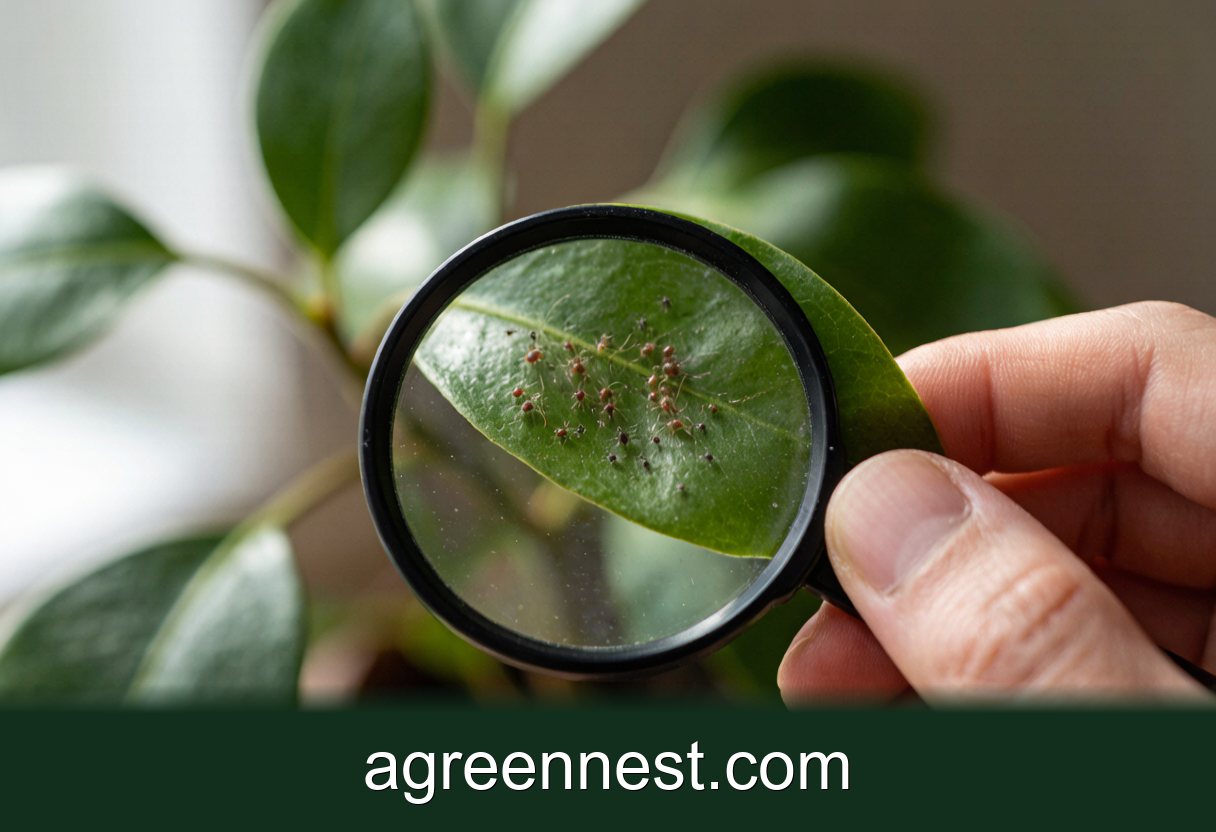
Most Houseplant Pests problems trace back to the usual indoor pests, not bad luck. Inspect weekly (leaf undersides, stem joints), quarantine new plants, and treat early with a targeted spray. Good airflow and dry foliage do more than any bottle, since prevention beats the cure every time.
Most pest advice tells you to spray something. That fails because people spray the wrong product, or spray once and call it done, or never identify the insect in the first place. This guide is the map: identify first, then treat the specific pest with a mechanism that actually works, then change the routine so it does not return. I have spent years losing plants to exactly these mistakes, and the pattern repeats in nearly every home collection I have visited. The goal here is not to sell you a bottle, but to give you the evidence and the numbers so you can act with confidence.
Why Do Most Pest Sprays Fail?
The first reason is misidentification. A spray labeled for aphids does nothing to spider mites, because the two pests have completely different mouthparts and life cycles. The second reason is the egg stage, since most contact products kill adults and mobile nymphs but leave eggs untouched, so the population rebounds within a week. The third reason is timing, because a single application is never enough to break a reproductive cycle that can complete in 5 to 7 days at warm room temperatures near 75°F (24°C).
Extension services state this plainly. NC State Extension notes that correct identification is the foundation of any control plan, and UC IPM repeats that scouting and timing beat any single product. Texas A&M AgriLife stresses the same idea in its houseplant guidance. The takeaway is uncomfortable for the spray aisle: the product is the last step, not the first.
What Is Inside This Guide
A fast identification table comes first, then a treatment approach for each major pest, then the two habits that keep a collection clean. Those habits are early identification and quarantine, and both are linked throughout this article. If you read nothing else, read those two sections, because they prevent more outbreaks than any bottle on the shelf.
Identify First: The 60-Second Table
| You see | Likely pest | Where | Tell-tale sign |
|---|---|---|---|
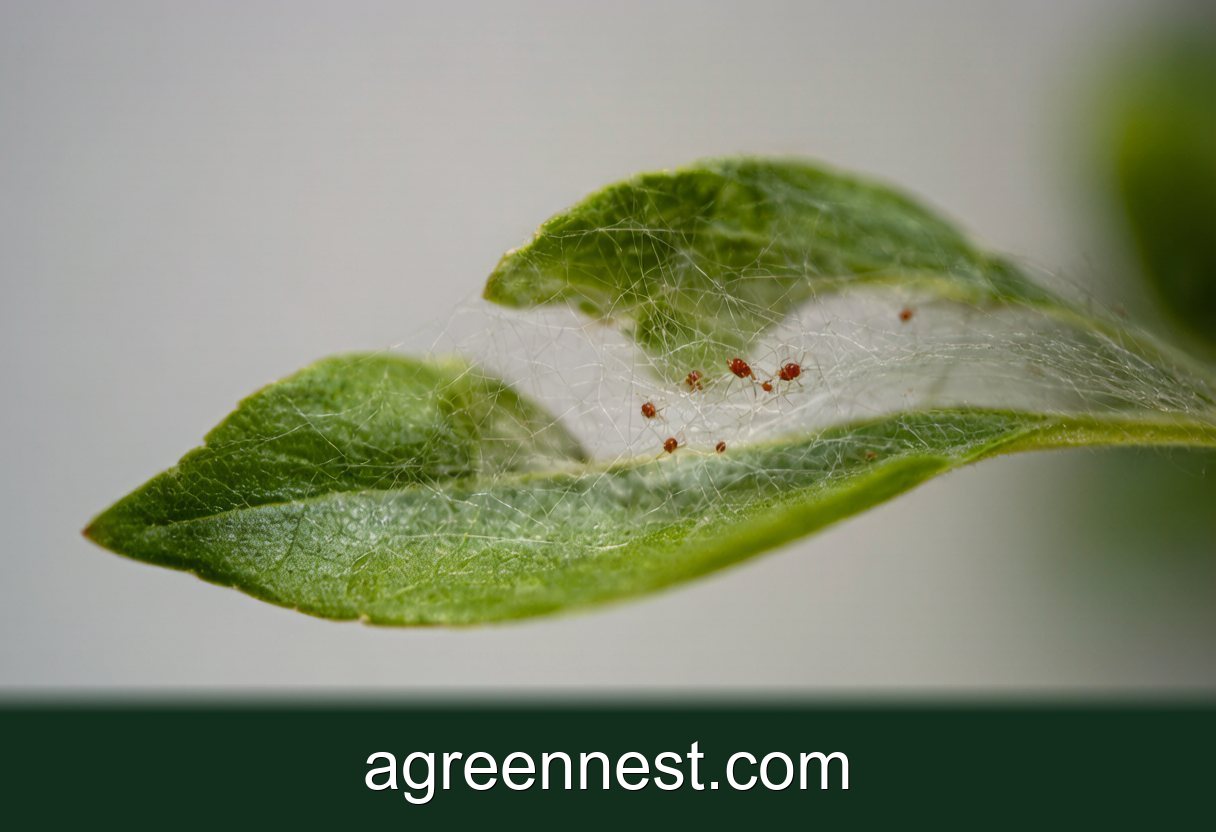
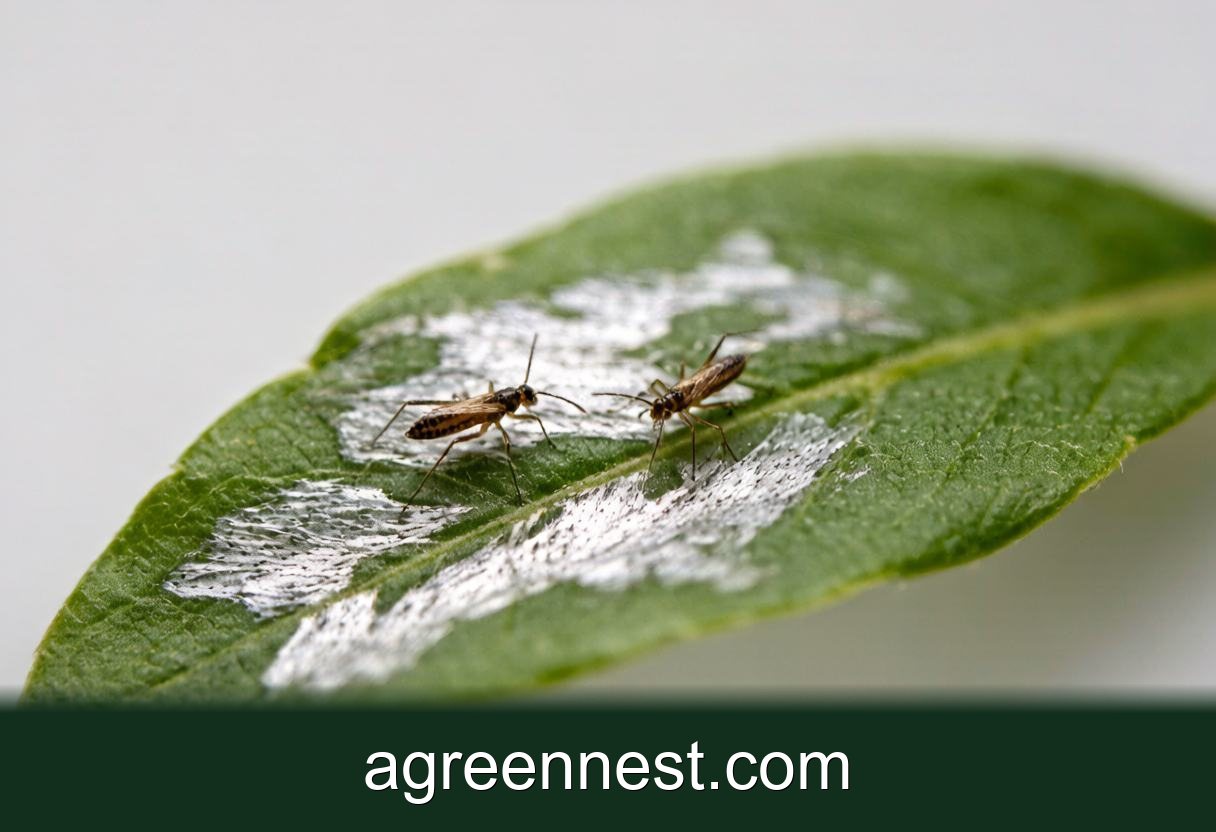
| Fine webbing, tiny specs | Spider mites | Undersides of leaves | Leaves look dusted, then bronze |
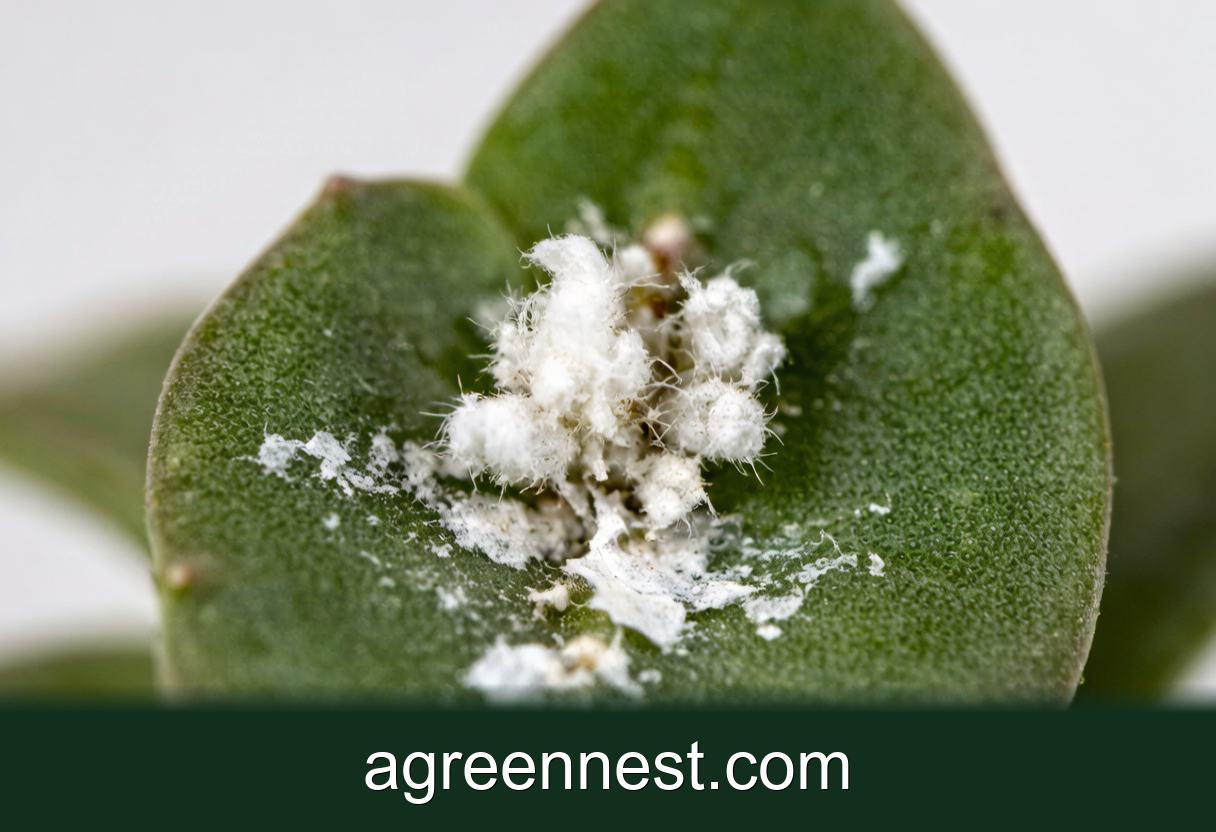
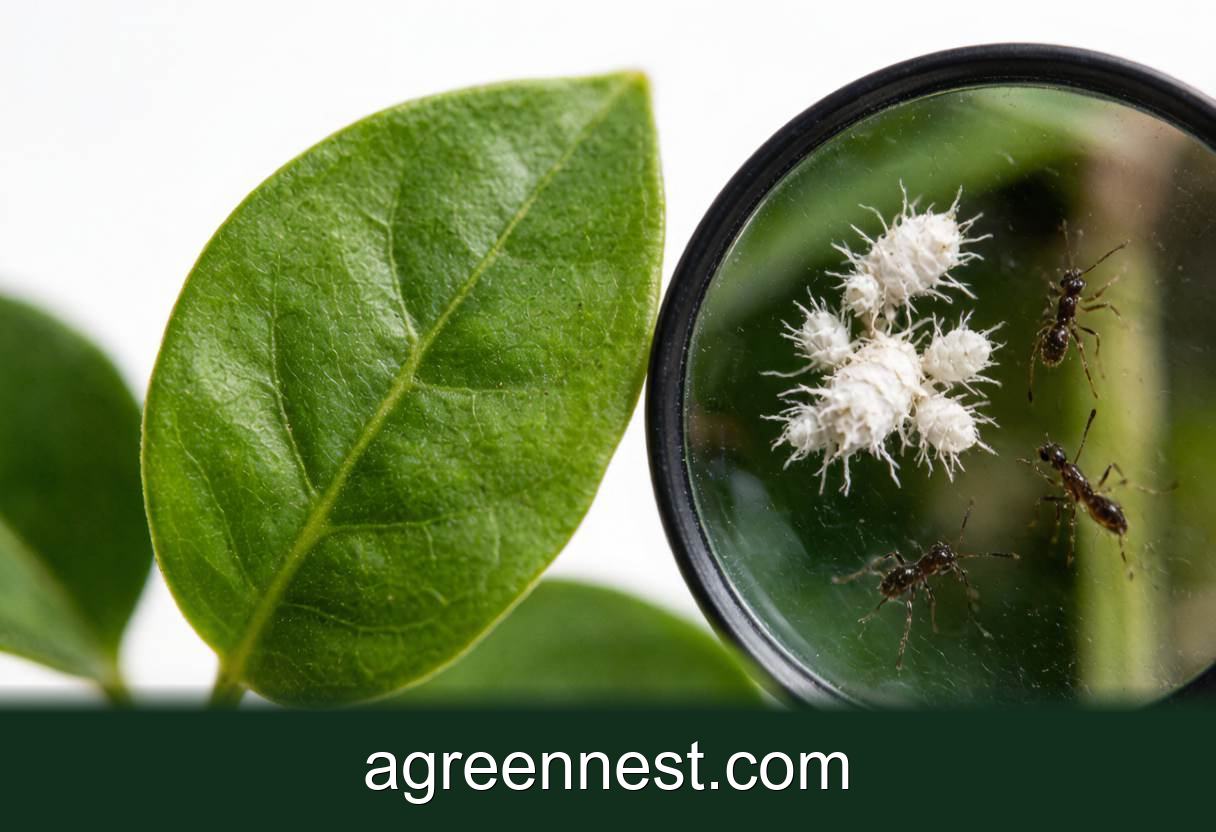
| White cotton clumps | Mealybugs | Leaf joints, roots | Sticky plus sooty mold |
| Tiny flies at soil | Fungus gnats | Soil surface | They fly up when you water |
| Cluster on new growth | Aphids | Soft tips | Curled, shiny leaves |
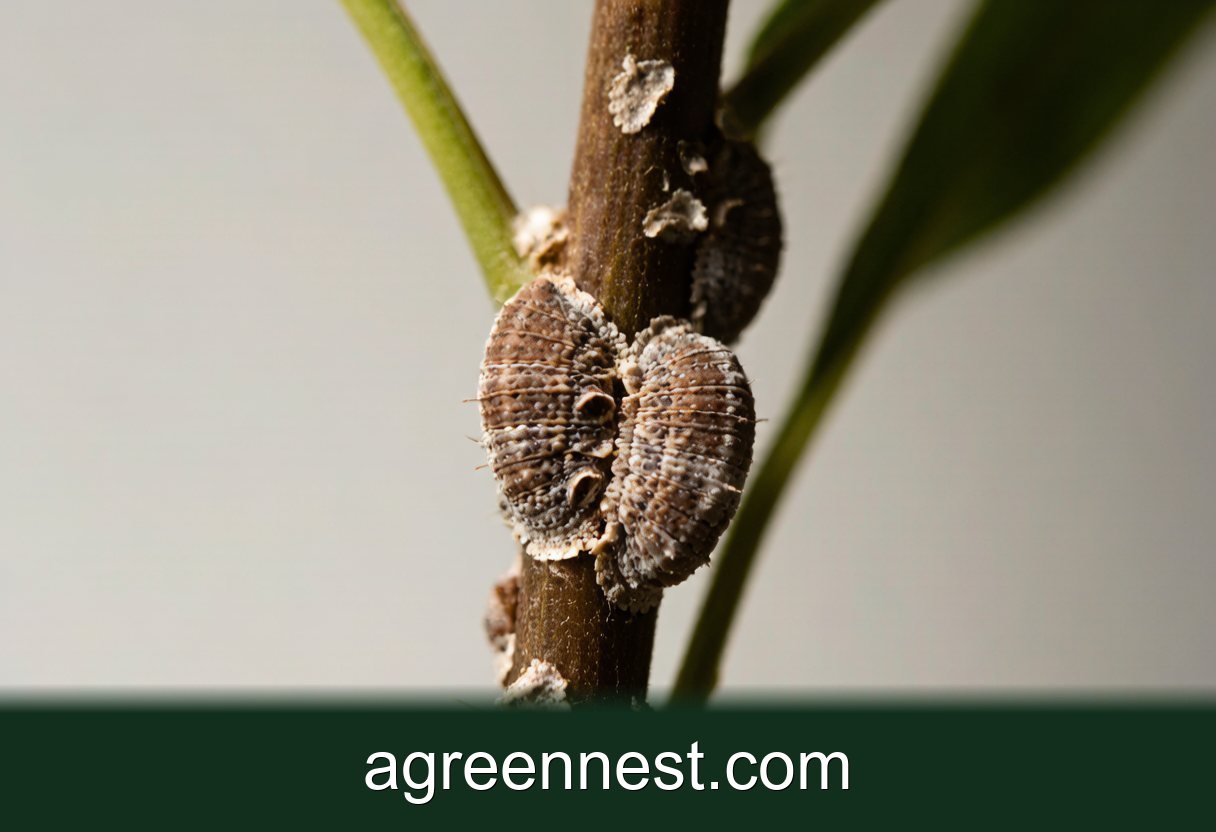
| Small brown bumps | Scale | Stems, leaf veins | Scrape off like a scab |
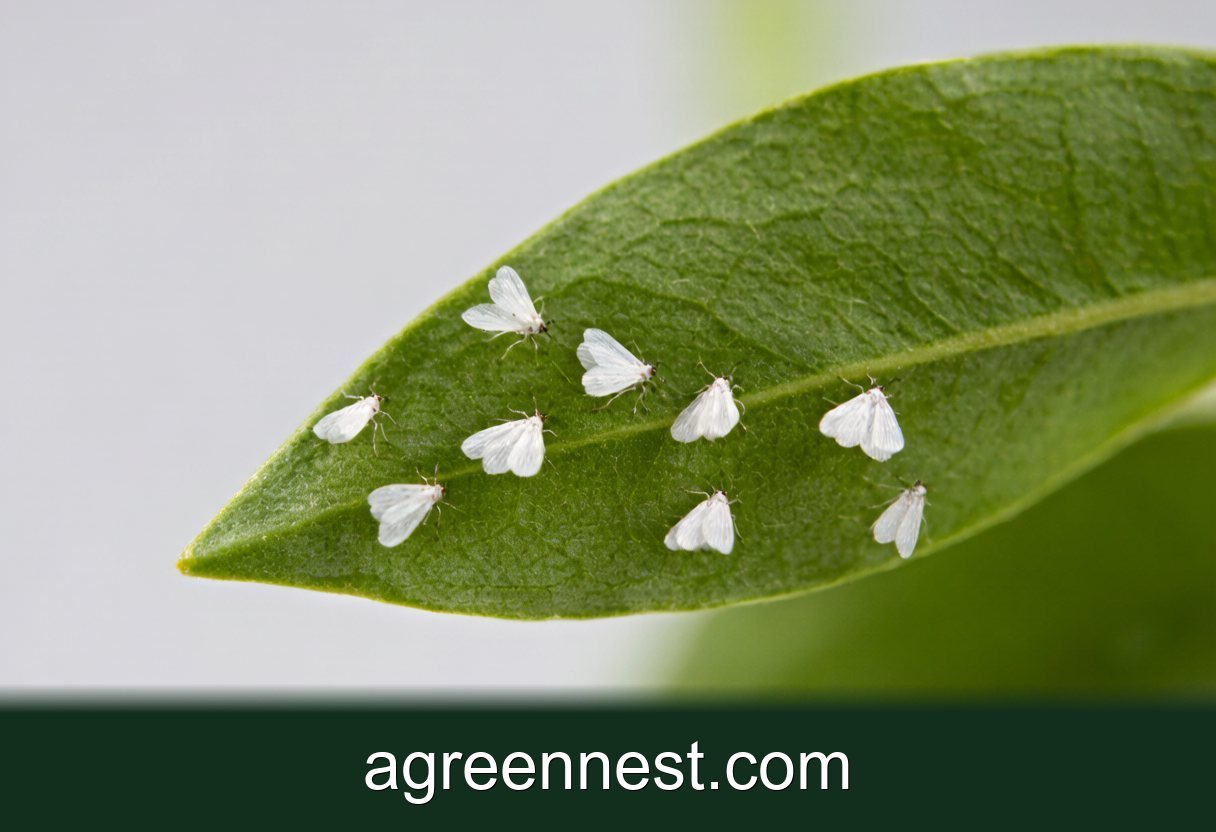
| Tiny white moths | Whitefly | Underside, fly when disturbed | Sticky residue |
| Thin black dashes | Thrips | Flowers, new leaves | Silver streaks and scars |
If the leaves are yellow but you see no bug, the cause is often water, not a pest. Check soil moisture before reaching for any spray, because a false diagnosis wastes three weeks and can stress a healthy plant.
How Do Spider Mites Actually Kill a Plant?
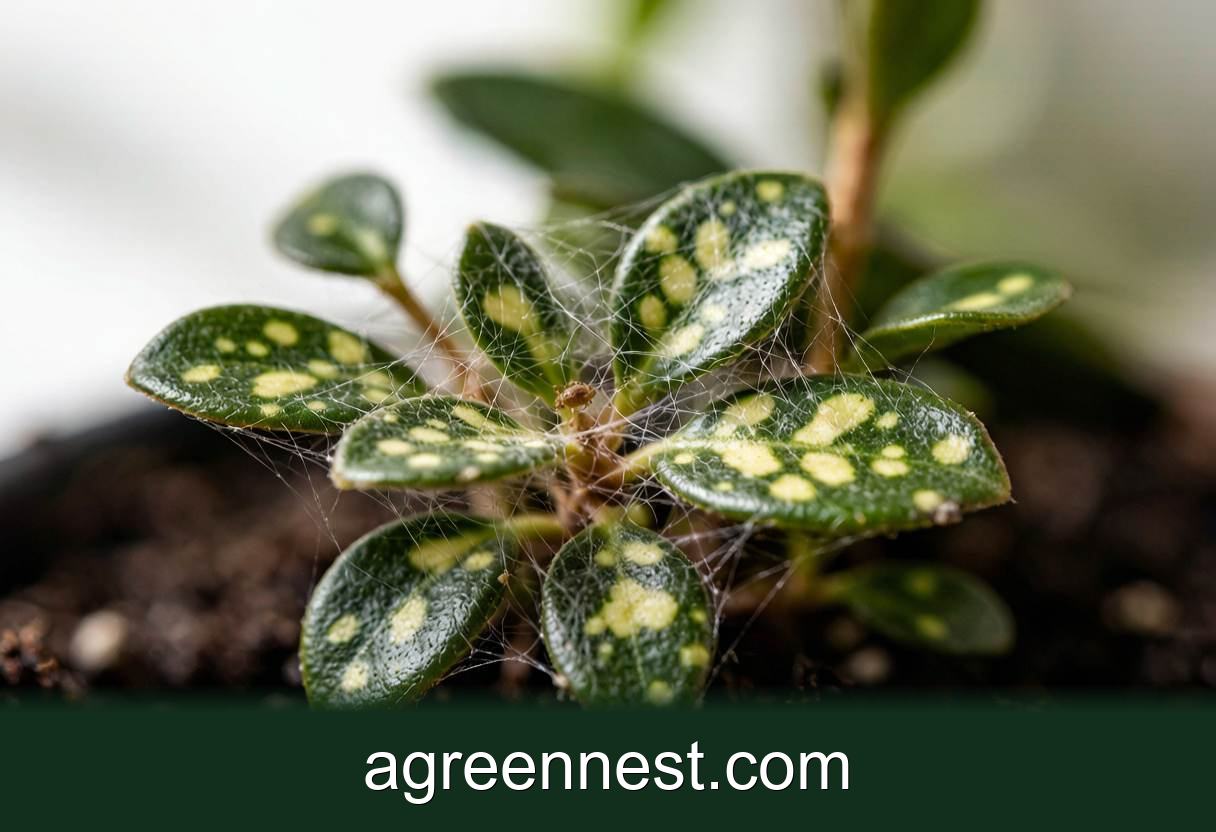
The two-spotted spider mite, Tetranychus urticae, is the most common indoor mite and the one that destroys collections fastest. It feeds by piercing plant cells and sucking out the contents, which is why infested leaves first look stippled, then bronzed, then dry. A single female lays 20 to 30 eggs in her lifetime, and the whole cycle runs in about 5 to 7 days at 75°F (24°C), so a small spot becomes a crisis in under two weeks.
Mites hate humidity. Daily rinsing of the leaf undersides physically removes them and collapses their webbing, and that mechanical step matters more than any miticide. Standard broad-spectrum insecticides miss them because mites are arachnids, not insects, so a product built for insects simply does not register. Reach for a labeled miticide or repeated rinsing, and never assume one spray finished the job.
Why Do Fungus Gnats Keep Coming Back?
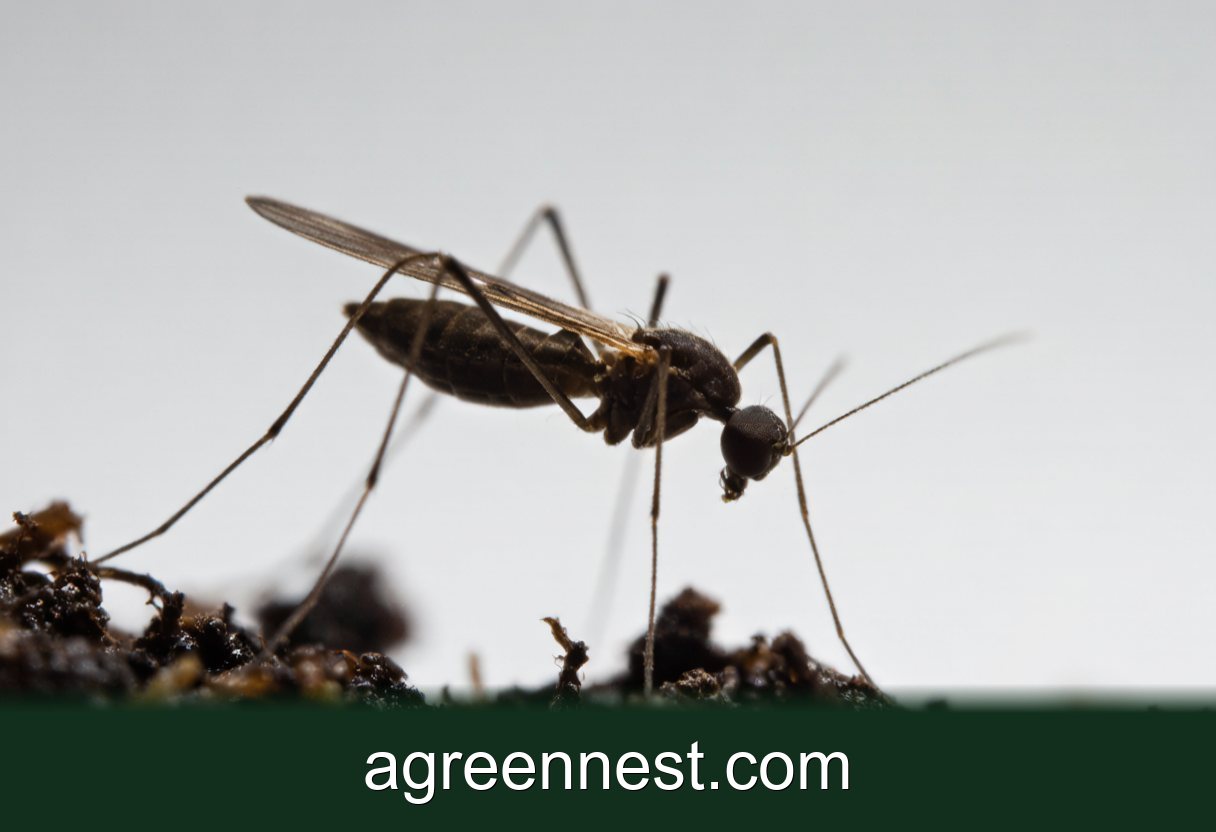
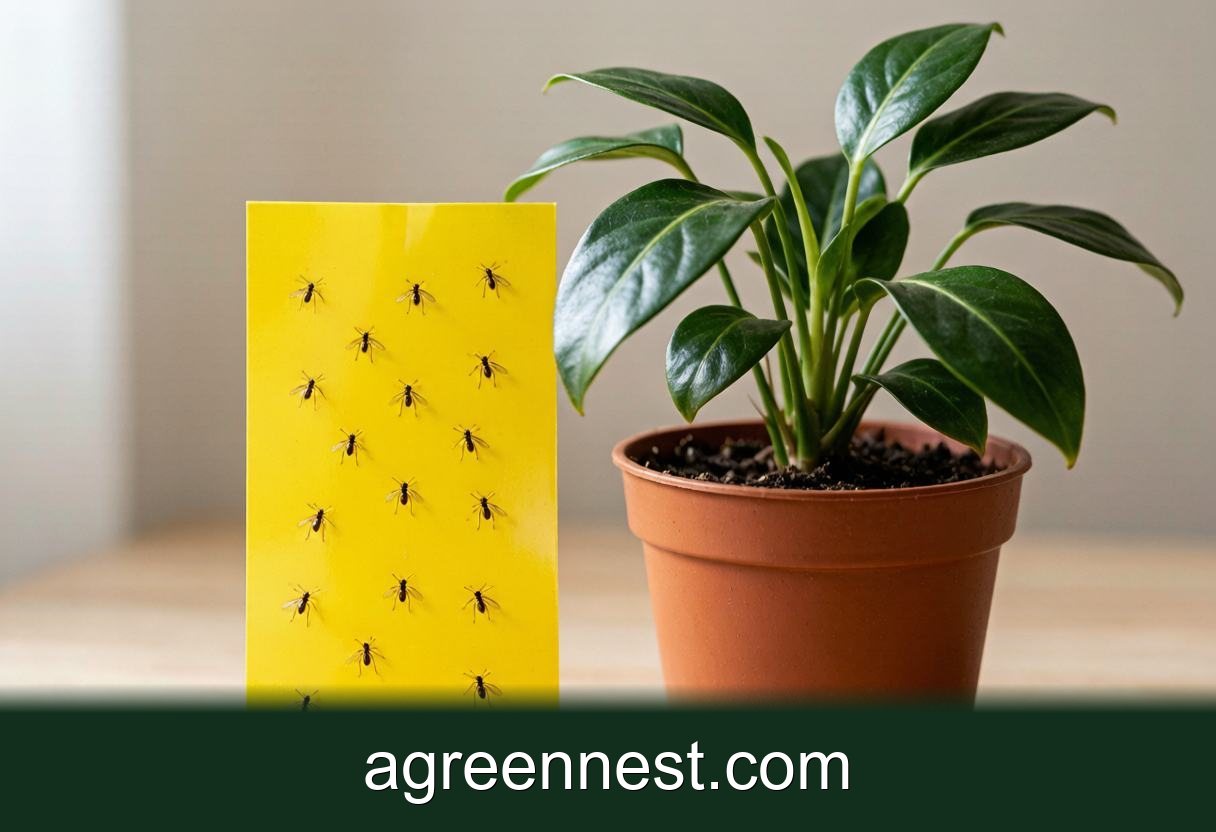
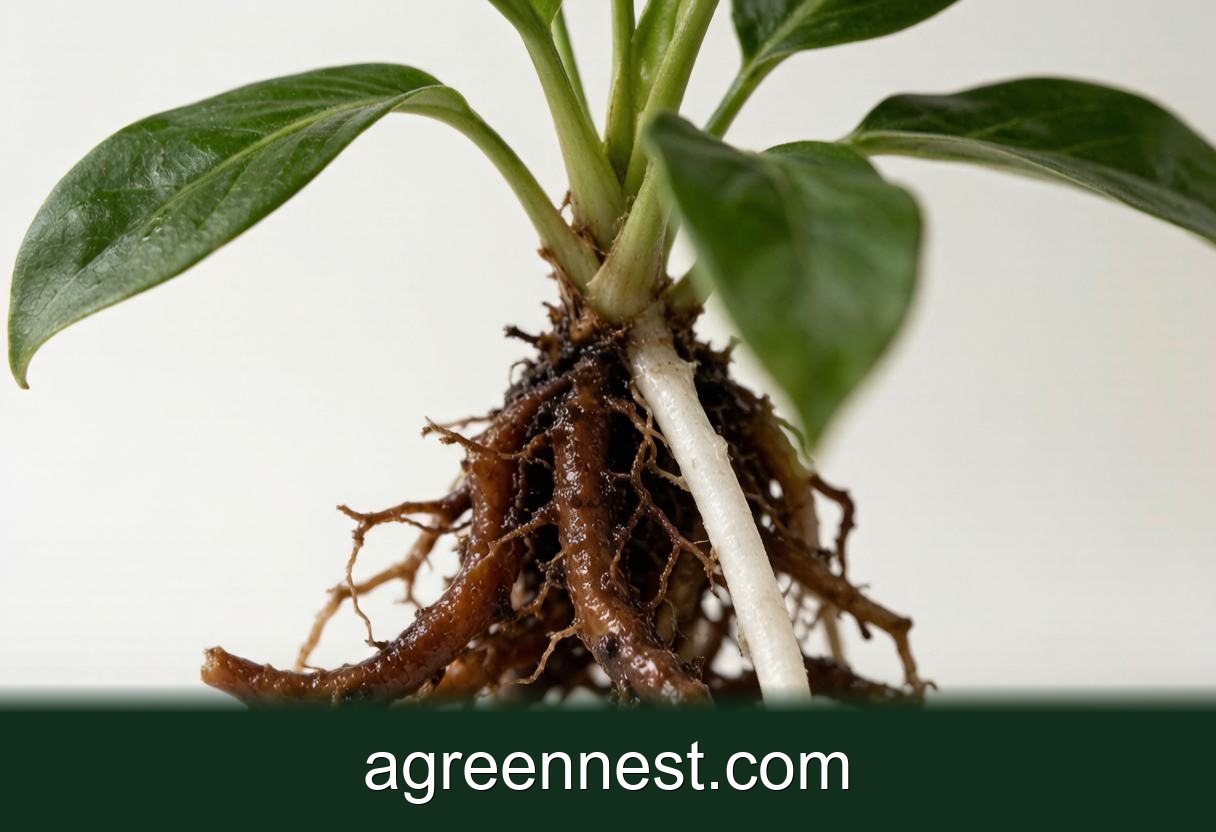
Fungus gnats, whose larvae belong to the genus Bradysia, are a soil problem disguised as a flying problem. The adult flies are annoyance only; the real damage comes from larvae chewing fine roots in wet soil. That is why letting the top 2 to 3 cm of soil dry out between waterings starves the larvae, and why yellow sticky traps catch the adults so they stop laying eggs.
A soil drench with a product containing Bacillus thuringiensis israelensis, known as BTI, kills the larvae without harming the plant. The mistake everyone makes is spraying the leaves, because the larvae are underground and a leaf spray never reaches them. Break the cycle by drying the surface and treating the soil, not the air.
How Do Mealybugs Hide So Well?
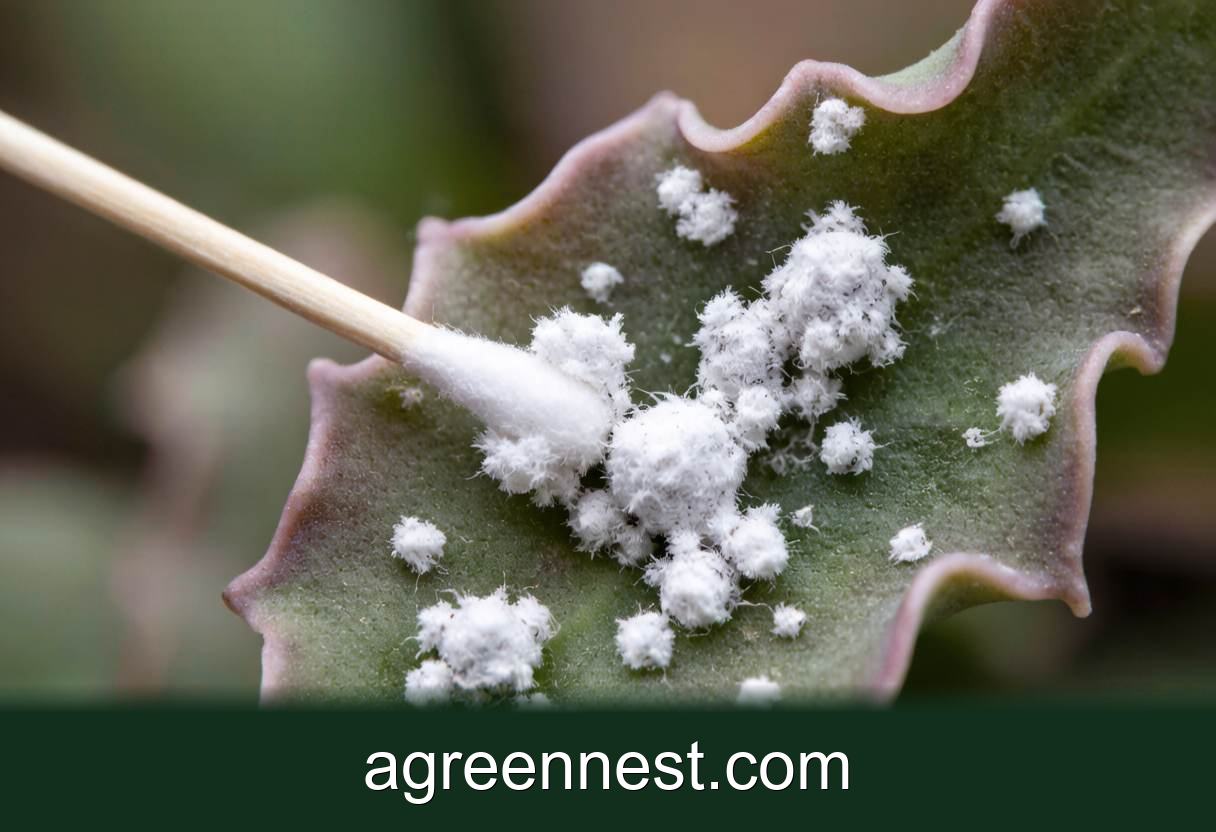
Mealybugs, mostly species in the genus Pseudococcus, wear a waxy white coating that repels many sprays and makes them look like bits of cotton. They cluster in leaf joints and on roots, where air movement is low and predators cannot reach. A female can produce 100 to 200 eggs in a cottony mass, and the tiny crawlers then walk to fresh tissue.
The reliable fix is physical. Swab each clump with isopropyl alcohol on a cotton tip, which dissolves the wax and kills on contact, then follow with neem oil to catch stragglers. Systemic granules also work but are not pet safe, so most households should avoid them near cats and dogs.
How Do Scale Insects Damage a Plant?
Scale insects, including the genus Coccus and the armored Diaspis, look like small brown bumps stuck to stems and leaf veins. Females glue themselves in place and hide under a waxy dome, which is why a swipe of a fingernail is the fastest test: if it scrapes off like a scab, it is scale. They suck sap slowly, so damage builds over 3 to 4 weeks before the plant looks wilted, and the honeydew they spill feeds black sooty mold.
Treat by scraping gently with a soft brush, then apply neem or 1 to 2 percent soap every 5 to 7 days for 3 weeks. Crawlers are the only mobile stage, so timing sprays to that brief window is what finally clears them. Texas A&M notes that repeated coverage matters more than product strength for this pest.
Which Treatment Works for Each Pest?
Every pest above responds to the same three-step loop, plus one pest-specific tool.
- Isolate the plant the day you spot a bug, moving it away from every other plant in the room.
- Physically remove as many pests as you can by wiping, rinsing, or pruning, because you cannot spray your way out of a heavy infestation.
- Treat on a schedule, not once. Repeat every 5 to 7 days for 3 weeks, since most products miss eggs.
The specific tools: spider mites need humidity and a miticide; mealybugs need alcohol swabs plus neem; fungus gnats need dry soil plus sticky traps and a BTI drench; aphids, scale, whitefly, and thrips all respond to neem oil or insecticidal soap applied repeatedly.
How Does Neem Oil Work?
Neem oil is pressed from the seeds of Azadirachta indica, and its active compound azadirachtin disrupts insect hormones rather than poisoning on contact. That means treated pests stop feeding, stop molting, and fail to reproduce, but the effect builds over several applications rather than killing instantly. This is why the 3-week schedule matters more than the brand of bottle you buy.
Used as directed and allowed to dry, neem is considered low risk to mammals, which is why extension services list it among the gentler options. Apply it in the evening and diluted, because direct sun on wet leaves can scorch them within hours.
What Does the Research Say About Soap?
Insecticidal soap works by breaking down the waxy cuticle of soft-bodied insects, causing them to dry out. A mix of 1 to 2 percent soap, roughly 2 to 4 teaspoons per quart of water, handles aphids, whitefly, and young scale. UC IPM documents this mode of action and warns that hard water reduces effectiveness, so use distilled water when your tap is mineral heavy. Soap does not leave a long residue, which is good for safety but means repeat coverage is essential.
How Do Aphids, Whitefly, and Thrips Differ?
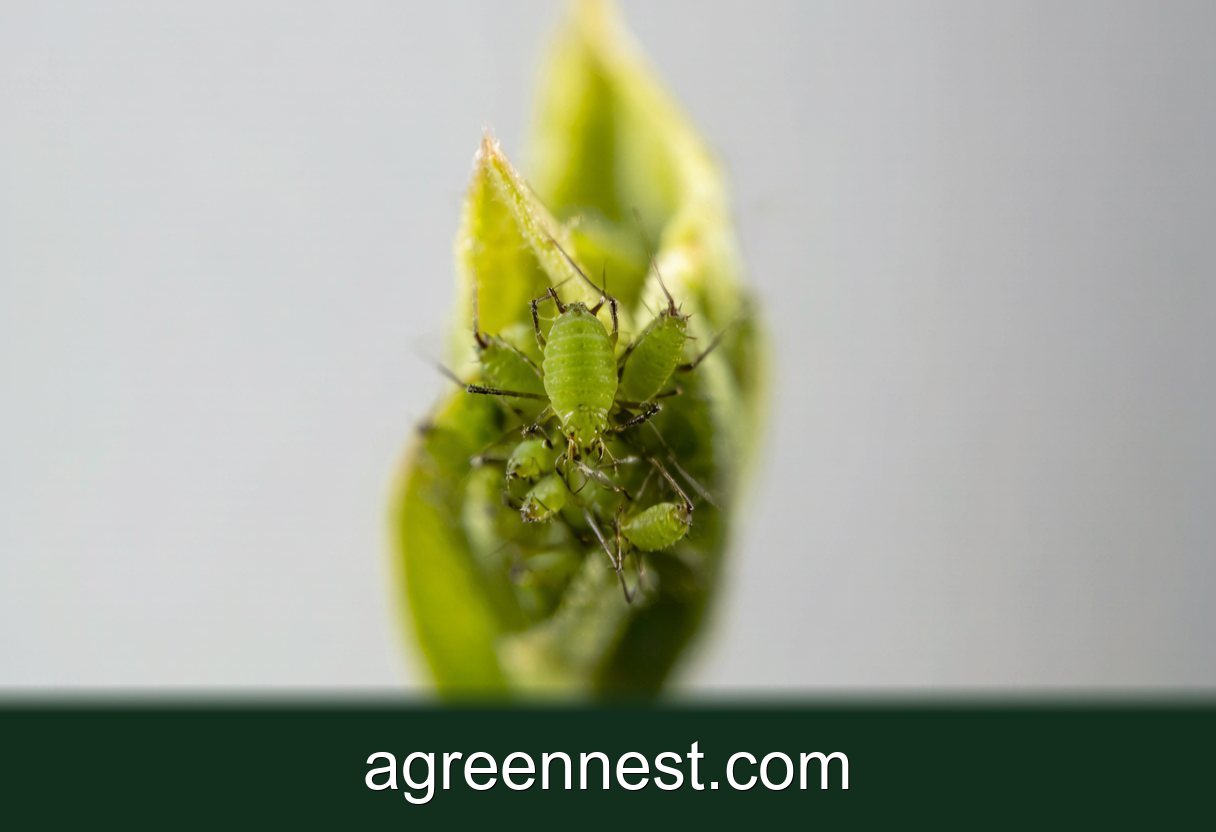
Aphids such as Aphis gossypii cluster on soft new growth and pump sap, curling the leaves and leaving shiny honeydew that grows sooty mold. Whitefly, especially Bemisia tabaci, behave like tiny moths that erupt from the leaf underside when disturbed and also excrete honeydew. Thrips, led by Frankliniella occidentalis, rasp flowers and new leaves, leaving silver scars that never green again.
All three respond to neem or soap, but thrips hide in buds where spray misses, so you must open the flowers and coat the hidden surfaces. Whitefly needs both leaf and underspray because adults re-land within minutes of treatment.
What Environmental Conditions Help Pests?
Warm, still, humid air is the enemy. Most of these pests breed fastest between 70°F and 85°F (21°C to 29°C), and poor airflow lets mites and whitefly settle without disturbance. A small fan moving air across the shelf cuts infestations by a visible margin, and keeping humidity moderate around 40 to 50 percent discourages mites, which prefer dry leaf surfaces.
Overwatering is the other amplifier. Wet soil feeds gnats, and soft, watery growth feeds aphids. Water only when the top 2 inches are dry, and your plants will be tougher targets with thicker cuticles.
How Should I Quarantine a New Plant?
Quarantine is the habit that prevents more outbreaks than any spray. Place every new plant in a separate room for 2 to 3 weeks, away from your collection, and inspect it every few days for movement or webbing. NC State Extension and UC IPM both list isolation as the first line of defense, because most infestations begin with a pest that rode in on a supposedly clean leaf. A spare bathroom or closed sunroom works perfectly, and the small inconvenience saves dozens of plants.
How Often Should I Scout My Collection?
Weekly scouting beats any treatment. Lift a leaf, look at the underside, and run a finger along a stem joint where pests hide. Catching an issue early turns a 3-week war into a 5-minute wipe, and the routine takes under 30 seconds per plant. Keep a small notebook or phone photo log so you notice a new spot before it spreads to the shelf next door.
When Should You Throw the Plant Away?
Sometimes the kindest move is to bin it. If the roots are mush and the stem collapses, you are saving a corpse, and the infection can spread to neighbors through shared soil and water. Toss the soil, sterilize the pot with a 10 percent bleach solution, and start clean.
The decision rule is simple. A plant with more than half its leaves lost and no new growth after 3 weeks of correct treatment is unlikely to recover, so cut your losses and protect the rest of the collection.
Frequently Asked Questions
Can I use the same spray for every pest?
No, and that is the most common mistake. Spider mites need a miticide or daily rinsing, while gnats need a soil treatment rather than a leaf spray. Identify first, always.
Are neem oil and soap safe around cats and dogs?
Used as directed on the leaves and allowed to dry, yes. Do not let pets drink the concentrated mix or chew treated leaves for a few hours after application.
How long until the pests are gone for good?
Plan on 3 weeks of treatment every 5 to 7 days. Stop after one application and the eggs hatch, so you start over.
My plant looks worse after treatment. Did I hurt it?
Possible. Neem and soap can scorch leaves in strong sun or if over-applied. Spray in the evening, diluted, and test one leaf first.
The single habit that changed my collection was quarantining every new plant for 2 to 3 weeks, because that step ended the cycle of one plant infecting the next. Pair it with weekly 30-second inspections and you will rarely need the treatments at all. When you do, pick the right tool from the table above rather than the nearest spray bottle, and trust the schedule over the hope.
Recommended Tools for Plant Pests & Diseases Care
Free, no-signup helpers matched to this guide.
🔍 Free Tool
Pest & Problem Identifier
Pick the symptoms you see and get the likely culprit plus a fix.
Free Ebooks to Explore
Downloadable handbooks — no email required.
Free Ebook
The AGreenNest Succulent Care Handbook
The complete, beginner-to-confident guide to growing fat, happy succulents — 10 chapters and a 20-plant directory.
Free Ebook
Haworthia & Haworthiopsis Care Handbook
A focused guide to the striped, forgiving Haworthia clan.
Sources & further reading
GreenNest authors research and write every guide independently. The external links below are reputable references we recommend for deeper reading — they are not the sources we copied from.
- NC State Extension — Plant Toolbox — NC State Extension
- UC IPM — Integrated Pest Management — UC IPM
- Aggie Horticulture (Texas A&M) — Texas A&M AgriLife
Share Your Plant Story
Grown something tricky, or found a trick that finally worked? Tell us in the comments, or see what other readers are sharing on our Community page. The best reader tips get folded back into our guides.
Join the Conversation
Have a tip or a question about Houseplant Pests: The Complete Identification & Treatment Manual? Share it below — comments are saved on our server.