 AGreenNest
Plant Pests & Diseases
Scale Insects on Houseplants: Identification and Treatment
Most Scale Insects on Houseplants problems trace back to the usual indoor pests, not bad luck. Inspect weekly (leaf undersides, stem joints), quarantine new plants, and treat early with a targeted spray. Good airflow and dry foliage do more than any bottle, since prevention beats the cure every time.
Scale insects are among the most overlooked pests in the average home collection. I have lost count of how many readers email me a photo of a weird bump on a fiddle leaf fig, only for it to turn out to be a live scale. This GreenNest guide walks through what I have learned from tracing outbreaks back to their source, and what actually clears them.
What Are Scale Insects?
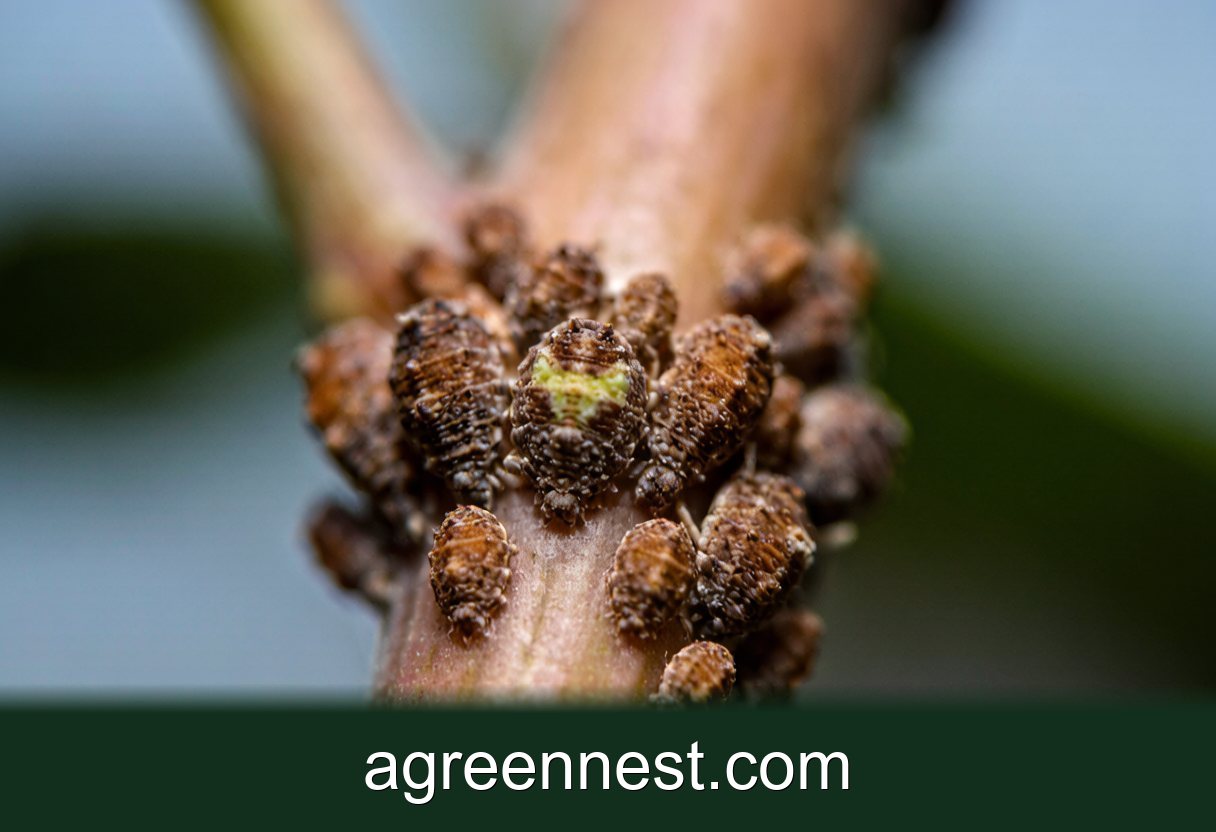
Scale insects belong to a large group of sap-feeding bugs that settle on stems and leaves and then barely move. Missouri Botanical Garden staff describe them as close relatives of mealybugs, but the visual difference stays stark. Instead of white fluff, a scale wears a dome-shaped shell that looks like part of the plant.
Two forms show up indoors most often. Soft scale appears rounded and a little glossy, while armored scale carries a separate waxy cap you can flick off to expose the body. Saissetia coffeae, the hemispherical scale, is a frequent offender on ornamentals, and Coccus hesperidum, the brown soft scale, loves warm living rooms.
Why Do Scale Infestations Go Unnoticed?
Adult scale does not crawl in plain sight, which is exactly why owners miss it. A plant can carry dozens of them before the first yellow leaf appears. They tuck along the undersides of leaves and into the joints where stems meet, the spots your eye skips during a casual glance.
I traced one stubborn outbreak to a single new pothos that sat quarantined for only three days instead of the two weeks I now recommend. Three feet of open air between pots would have contained it. Crawlers, the mobile young, had already wandered onto a watering can and then onto three other plants. Scale thrives indoors at about 70-80°F (21-27°C), the range most homes sit in through the year.
How Do You Spot the Early Signs?
Catching scale early turns a two-week chore into a five-minute fix. Look for a few reliable clues during your weekly check.
- Brown, tan, or gray bumps along leaf veins and stem joints
- Sticky leaves from honeydew, the sugary waste scale excretes
- Black sooty mold feeding on that sticky film
- Yellowing, leaf drop, and a plant that looks tired despite normal care
Honeydew also attracts ants, which farm it the way they farm aphids. If you see ants on a plant that has no obvious pest, flip the leaves and check the stems.
Step 1: Isolate the Plant
Move the plant at least three feet from its neighbors the moment you suspect scale. Crawlers travel short distances, so distance is a real barrier, not a superstition. Wash your hands and wipe any pruners or cloths before you touch another pot. One crawler on a sleeve can seed a new colony across the room.
Step 2: Manual Removal With Alcohol
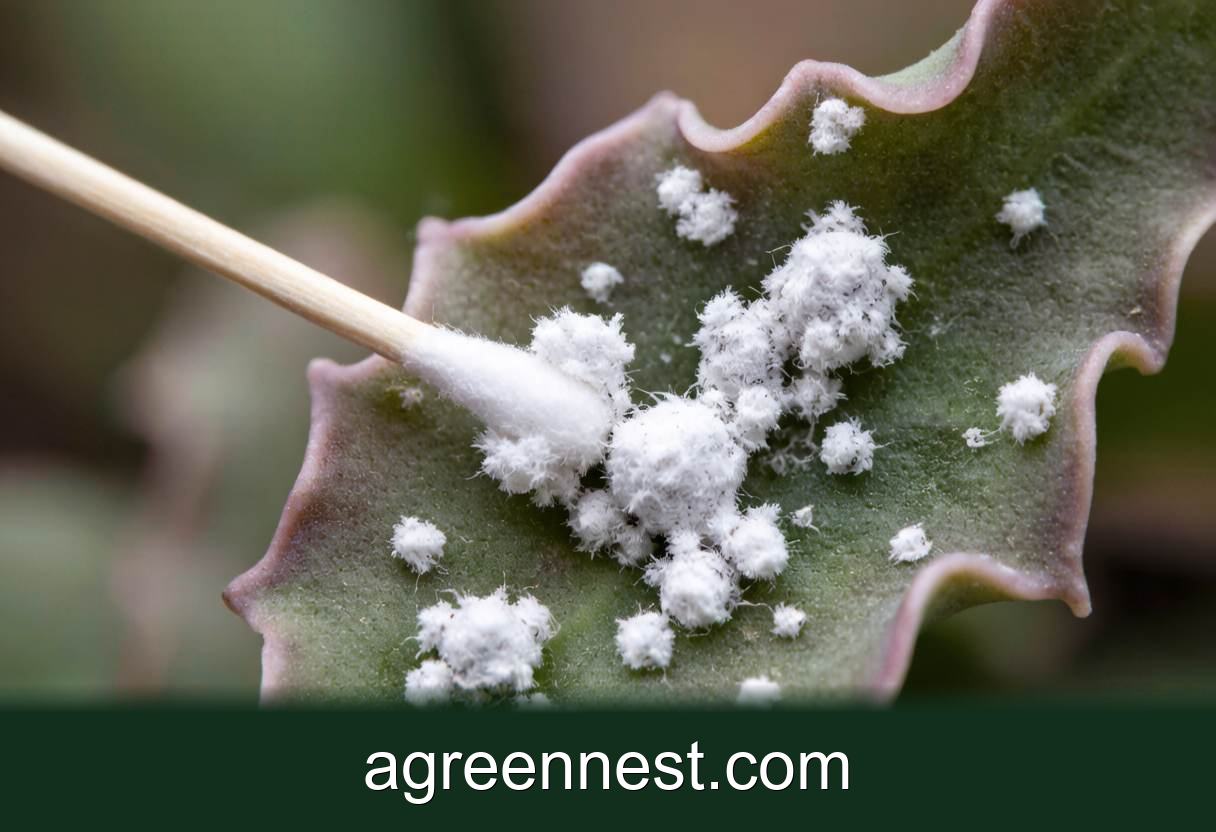
For light infestations, 70 percent isopropyl alcohol is the tool I reach for first. Dip a cotton swab in the alcohol and press it directly onto each bump. Alcohol dissolves the shell and kills the insect on contact. Follow with a clean cloth to lift away the dead bodies and the honeydew they left behind.
Work under bright light and check both sides of every leaf. Repeat the dabbing every two to three days for about two weeks. This approach is safe around pets and children once the bottle is capped and stored, which makes it the ideal opening move.
Step 3: Horticultural Oil
After you have removed what you can by hand, a horticultural oil smothers survivors and their eggs. These lightweight oils coat the insect and block its breathing, leaving no toxic residue. Spray until the leaves glisten, with special attention to the undersides and stem joints. Apply in the early morning or evening so trapped heat cannot scorch the foliage.
UC IPM notes that oil performs best when crawlers are active, usually in warm humid conditions. Repeat the spray every seven to ten days for three cycles to catch each new wave of young.
Step 4: Neem Oil for Ongoing Control
Neem oil works differently from a contact kill. Its active compounds disrupt insect hormones and feeding, so crawlers that hatch after you spray still fail to mature. Mix about one teaspoon of neem concentrate per quart of water with a drop of mild soap, then mist the plant thoroughly. Reapply every seven days for three to four weeks.
Step 5: Insecticidal Soap
Stubborn scale responds to pairing your oil and neem routine with insecticidal soap. Fatty acids in the soap break down exposed crawler bodies on contact. Coat the affected areas well and rinse gently after a couple of hours if the plant is sensitive. Use it every five to seven days alongside the neem schedule until no new bumps appear for two straight weeks.
When Should You Reach for Systemic Granules?
When scale keeps returning or covers the entire plant, a systemic granular insecticide absorbed through the roots offers inside-out protection. Imidacloprid and similar actives move into the sap, so any scale that feeds dies from within.
Apply systemics only to ornamental plants, never to anything edible, and follow the label exactly. US EPA warns that these products carry the highest risk in a home routine, so keep treated pots away from pets and children during the active period and wash your hands after handling the granules.
How Can You Prevent Scale Long Term?
A plant that never gets scale beats one you have to cure. Build a few simple habits and the pests rarely gain a foothold.
- Quarantine every new plant for two weeks before it joins the collection.
- Dust leaves monthly with a damp cloth to catch pests early.
- Avoid overcrowding so air and light reach every stem.
- Skip heavy nitrogen feeding, since soft new growth draws scale in.
- Rotate a light neem spray monthly as a low-effort preventative.
Frequently Asked Questions
Q: Can scale live on the soil surface?
A: Crawlers and some species settle near the soil line, so inspect the pot rim and topsoil during treatment, not just the foliage.
Q: How long does it take to clear an infestation?
A: With steady swabbing, oil, and neem, most cases resolve in three to four weeks of repeated treatment.
Q: Should I throw away a scale-covered plant?
A: Reserve that for a last resort. Isolation and a patient routine save the vast majority of infested houseplants.
Scale insects are masters of disguise, but a bright light, an alcohol swab, and a patient schedule will win the day. Prevention still beats the cure, so quarantine new arrivals and check leaf undersides weekly. For more help, visit our pest control hub and keep your GreenNest plants healthy.
Recommended Tools for Plant Pests & Diseases Care
Free, no-signup helpers matched to this guide.
🔍 Free Tool
Pest & Problem Identifier
Pick the symptoms you see and get the likely culprit plus a fix.
Free Ebooks to Explore
Downloadable handbooks — no email required.
Free Ebook
The AGreenNest Succulent Care Handbook
The complete, beginner-to-confident guide to growing fat, happy succulents — 10 chapters and a 20-plant directory.
Free Ebook
Haworthia & Haworthiopsis Care Handbook
A focused guide to the striped, forgiving Haworthia clan.
Sources & further reading
GreenNest authors research and write every guide independently. The external links below are reputable references we recommend for deeper reading — they are not the sources we copied from.
- Missouri Botanical Garden — Missouri Botanical Garden
- US EPA — Safer Pest Control — US EPA
- UC IPM — Integrated Pest Management — UC IPM
Share Your Plant Story
Grown something tricky, or found a trick that finally worked? Tell us in the comments, or see what other readers are sharing on our Community page. The best reader tips get folded back into our guides.

Join the Conversation
Have a tip or a question about Scale Insects on Houseplants: Identification and Treatment? Share it below — comments are saved on our server.