 AGreenNest
Plant Pests & Diseases
How to Deal With Aphids
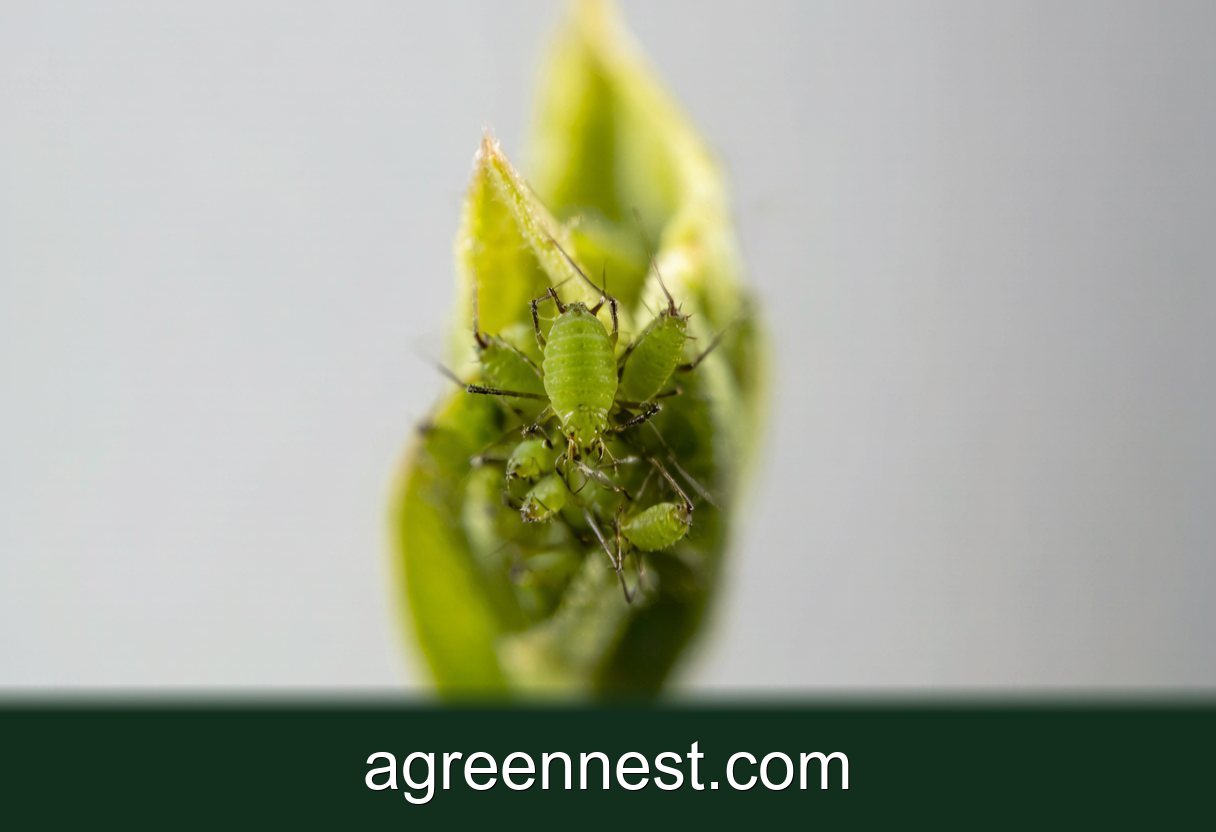
Most How to Deal with Aphids problems trace back to the usual indoor pests, not bad luck. Inspect weekly (leaf undersides, stem joints), quarantine new plants, and treat early with a targeted spray. Good airflow and dry foliage do more than any bottle, since prevention beats the cure every time.
What Do Aphids Look Like?
Aphids are small, soft bodied insects that cluster on the youngest parts of a plant. The cotton melon aphid, Aphis gossypii, and the green peach aphid, Myzus persicae, are two of the species most often found on indoor plants. You will usually notice them as dense groups on fresh shoots, on leaf undersides, and right where a new leaf meets the stem.
The first sign is often not the bug itself but its mess. Aphids excrete a clear sticky fluid called honeydew, and that coating can turn black as sooty mold fungus grows on it. Leaves may curl, yellow, or look distorted. Because the insects are tiny, roughly 1 to 3 millimeters long, a close weekly look is the only reliable way to catch them early.
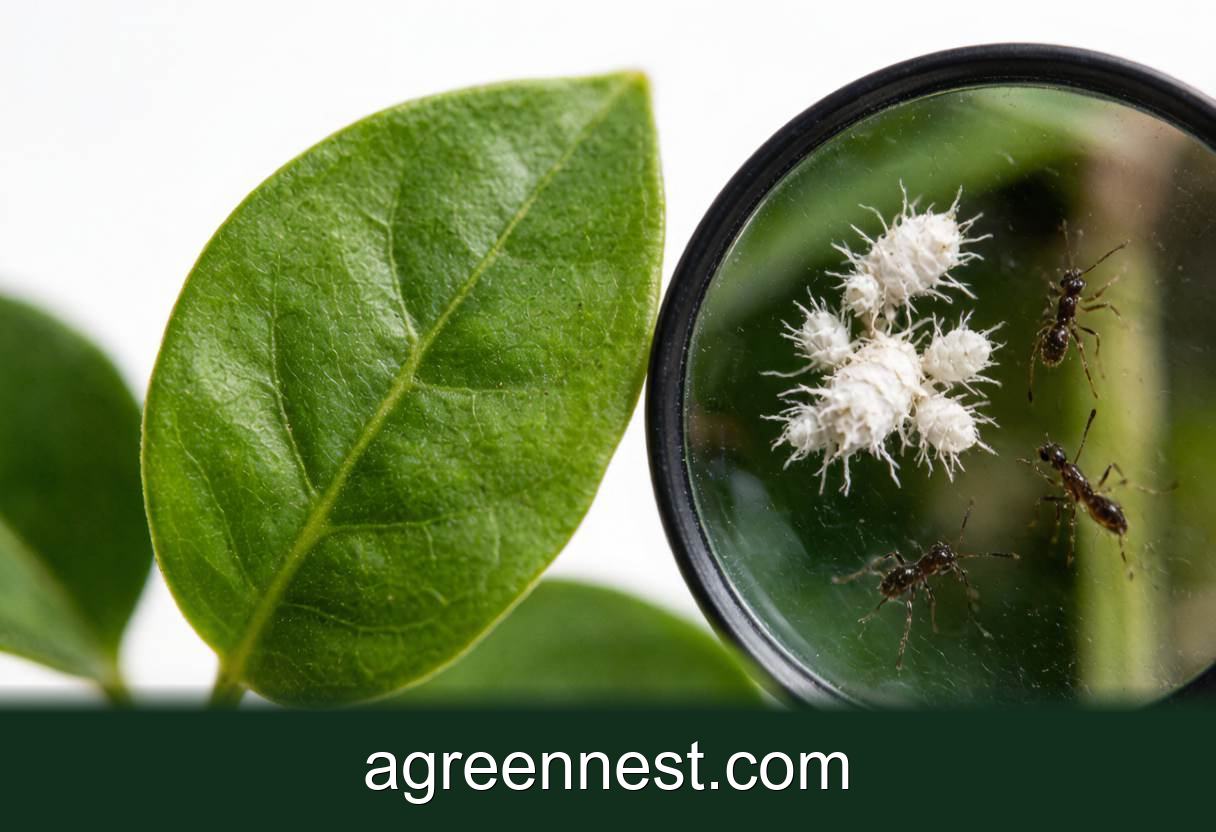
Several colors exist, from pale green to yellow, black, or even pink, which is why a positive identification sometimes needs a hand lens. They rarely travel far on their own at first, so the colony usually stays on one plant until numbers build up. A telltale clue is the presence of ants, because ants tend aphids for their sugary waste and will defend them against anything that tries to eat them.
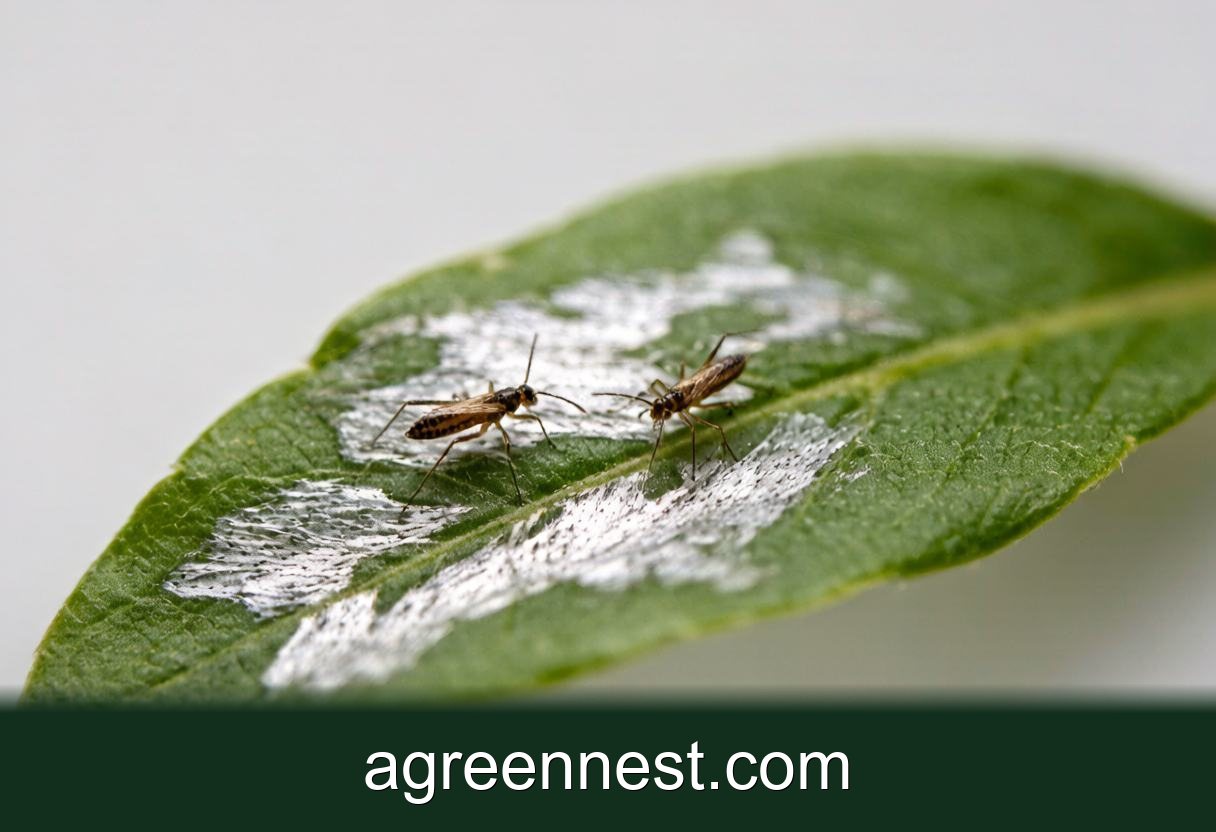
To confirm the pest, place a sheet of white paper under a suspect leaf and tap gently. The dislodged insects leave tiny green or yellow smears when crushed, and that simple test separates them from thrips or spider mites. Note also the cast skins, which look like pale hollow shells stuck to the stem, because those remain long after the live insect has moved on. Winged forms appear only when the colony is crowded, so seeing a flyer means the outbreak is already mature.
Why Do They Show Up?
University of Minnesota Extension notes that aphids are among the fastest breeding pests in home gardens, and the same holds indoors. A single female can produce live young without mating, and under warm conditions a new generation appears every 7 to 10 days. That is why a few bugs become hundreds within a single month.
Texas A&M guidance points to tender new growth as the main draw. Aphids prefer the softest tissues because they are easiest to pierce and feed from. Ants make the problem worse by farming the aphids for honeydew and protecting them from predators. Warm, still air around 65 to 80°F (18 to 27°C) speeds the whole cycle along, and a stressed or overfed plant draws them in faster.
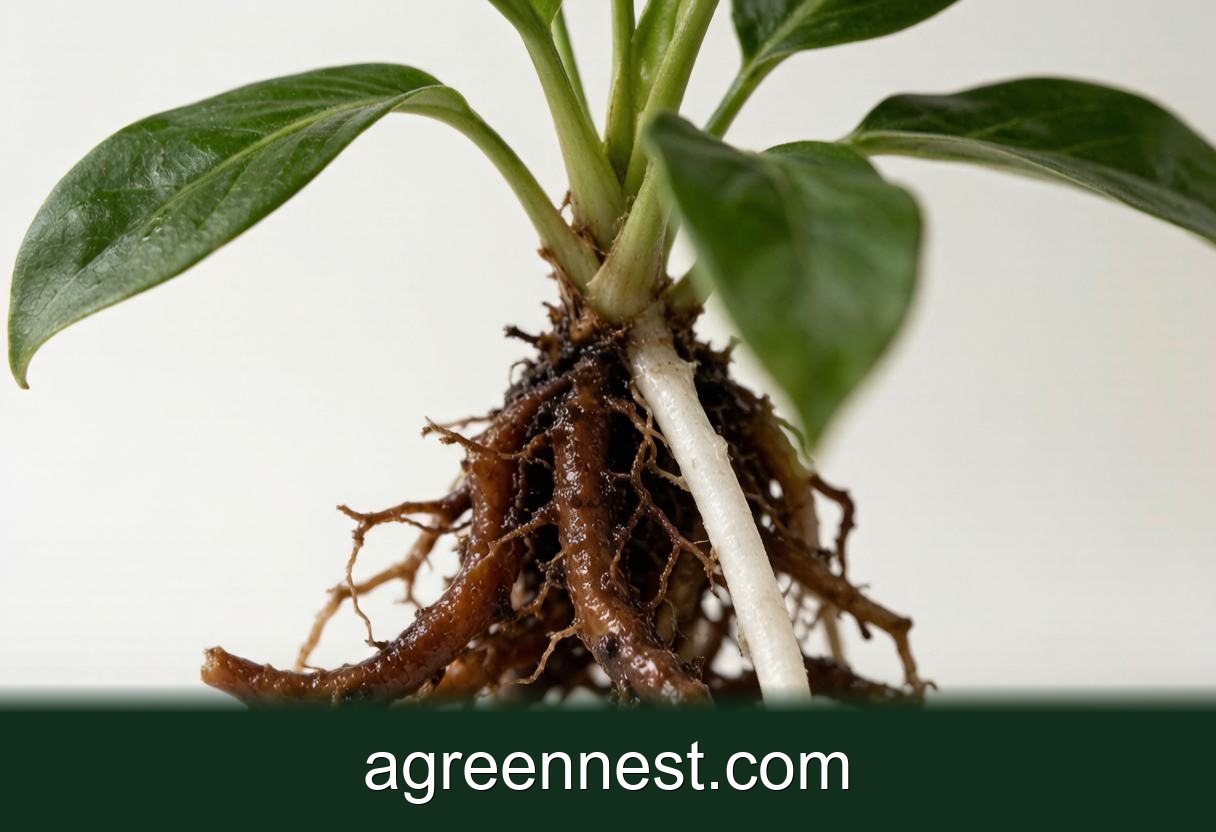
Crowding also plays a role. When pots sit shoulder to shoulder with no air gap, humidity rises and natural enemies cannot move between plants. A plant pushed with high nitrogen fertilizer grows the exact soft, pale shoots that aphids love, so the feeding choice is partly made by how you feed. Low light in winter slows the plant but not the insect, which is why outbreaks often start in the darker months. A weakened root system from overwatering adds stress that signals an easy meal to a passing winged female.
How Do You Get Rid of Them?
UC IPM recommends starting with the least toxic option that works. A firm spray of water knocks most aphids off the plant, and a cotton swab dipped in rubbing alcohol removes stubborn clusters on stems. For heavier infestations, insecticidal soap at about 2 percent concentration coats and kills the soft bodies on contact.
Neem oil applied as a soil drench or foliar spray, at 0.5 to 2 percent, disrupts the insects growth and feeding. Whatever product you choose, repeat the treatment every 5 to 7 days for 2 to 3 weeks. That schedule matters because eggs and newly hatched nymphs survive the first pass, and you need to break the life cycle rather than just the adults you can see.
Always test a spray on a couple of leaves first, since a few species scorch easily. Do not treat in bright direct sun, because wet foliage in heat can burn. Persistence beats strength here, so a modest spray on the right day wins over a heavy one used once. Rotate the active ingredient if you see no improvement after two rounds, because a mixed population can include resistant individuals. A 1 to 2 percent horticultural oil also smothers eggs when applied as a delayed dormant spray in early spring.
How Can You Tell a New Outbreak Early?
Early detection rests on a consistent routine rather than luck. Run a finger along the top of each plant once a week and watch for ants walking the stems, because ants rarely climb a clean plant. Check the newest three leaves and the junction where each leaf meets the stem, since that is where colonies begin before they spread outward.
Yellow sticky cards hung at canopy height catch winged adults that try to move, and a single captured insect is your warning to inspect neighbors. Compare new growth to last week's photos if you keep them, because a slight curl or a paler tone often shows before the insects are visible. The faster you act on that first sign, the smaller the spray job becomes. Look under the leaf with a flashlight, since the youngest nymphs hide in the vein shadows where light rarely reaches.
Which Natural Enemies Help Most?
The ladybird beetle Harmonia axyridis can eat dozens of aphids a day and is the best known ally. The green lacewing larva, Chrysoperla carnea, consumes even more when young, and the tiny midge Aphidoletes aphidimyza hunts them underground and on the leaf. Lacewing and midge releases work best in a closed room where they cannot fly away.
To keep these helpers alive, stop broad sprays once numbers fall and reserve soap for the worst plant only. Plant a few flowering herbs such as dill or cilantro near the grow light, because the small blooms feed adult predators with pollen and nectar. A single released beetle patrols roughly 1 square meter, so scale your purchases to the shelf space you actually have. Parasitic wasps of the genus Aphidius also mummify aphids, leaving tiny tan shells that confirm the enemy is now working for you.
When Should You Spray and How Often?
Timing follows the insect's weak points. Treat in the early morning or late evening when temperatures sit between 60 and 75°F (15 and 24°C), because cooler leaf surfaces hold the spray longer and reduce burn risk. Aim the nozzle at the undersides first, then the tops, and wet the stem joints where nymphs gather.
A practical rhythm is to spray on day 1, then again on day 5 to 7, then once more on day 12 to 14, and finish around day 21. That four visit plan covers the 7 to 10 day generation gap with margin to spare. Mark each treatment on a calendar so you do not skip the middle pass, since the missed week is exactly when survivors rebound. If you still see movement after day 21, add one more round at 0.5 percent neem rather than doubling the strength.
Prevention That Actually Works
Long term control is mostly about habits. Inspect each plant once a week, paying attention to leaf undersides and stem joints where aphids hide. Quarantine any new plant for at least 2 weeks before it joins the collection, because bringing one infested specimen home is the most common way an outbreak starts.
Encourage or introduce predators such as the ladybird beetle Harmonia axyridis, which can eat dozens of aphids a day. Keep good airflow with a small fan or open window, since stagnant warm air favors rapid breeding. Avoid pushing plants with too much nitrogen fertilizer, because lush soft growth is exactly what aphids seek out, and wipe leaves now and then to remove dust they favor.
Space pots at least 2 inches apart so air moves between them, and repot crowded roots on schedule because a root bound plant signals stress that aphids read as weakness. A 30 second wipe with a damp cloth every watering removes the first honeydew speck before mold can start, and that small act prevents more damage than most bottles. Trim off the most heavily infested tip growth and drop it in a sealed bag, because removing the nursery of the colony beats spraying it.
Common Mistakes to Avoid
The first mistake is spraying once and declaring victory, because the life cycle guarantees survivors that rebound in 10 days. The second is treating in hot midday sun, which scorches leaves and wastes the product. The third is reaching for a strong chemical before the soft options fail, since that kills the predators you want and selects for resistance.
Another error is ignoring the ants. If you remove aphids but leave ants farming them, the colony returns within a week, so block the ant trails with a sticky barrier on the pot rim. Finally, do not confuse aphids with mealybugs, because the cottony look of mealybugs needs alcohol swabs rather than soap, and a wrong ID wastes your treatment window. Overwatering the soil while you fight the leaves also stresses the plant, so keep the watering can on its normal schedule throughout the treatment.
A Real World Case Note
Last winter a reader in a small apartment found 40 aphids on a single pothos in 9 days after bringing home a nursery plant. She quarantined it, sprayed soap on days 1, 6, and 13, and released 3 ladybirds. By day 21 the leaves were clean and the ladybirds had moved to a nearby fern. The lesson was simple: the 2 week quarantine and the repeated spray, not a single magic product, won the fight. Her sticky card caught 12 winged adults in the first week, which told her the neighbors needed a look before they, too, were colonized.
Frequently Asked Questions
Q: Will aphids spread to my other plants?
A: Yes, they move quickly on their own and ride along with ants. Isolate the affected plant the moment you spot it and treat before they migrate.
Q: Can I use the same treatment for every pest?
A: Soap and neem cover most soft bodied insects, but fungal and root problems need a drier, different approach. Match the fix to the pest.
Q: How long until the aphids are gone?
A: Plan on 2 to 3 weeks of repeated treatment. You should see numbers drop after the first week, with clear leaves by the third.
Q: Should I just throw the plant away?
A: Rarely. Most infestations reverse if you act early and stay consistent, so disposal is a last resort.
Q: Do I need to treat the soil too?
A: Usually no, since aphids feed above ground. A soil drench with neem helps only when crawlers drop low, so save it for heavy cases.
Catching aphids early is half the battle, and a calm weekly inspection beats any panic purchase. Keep our pest identifier tool bookmarked, and check new growth every time you water so a small problem never becomes a room wide one. With a 2 week quarantine, a 4 visit spray plan, and a few ladybirds on patrol, most homes stay clear all season.
Recommended Tools for Plant Pests & Diseases Care
Free, no-signup helpers matched to this guide.
🔍 Free Tool
Pest & Problem Identifier
Pick the symptoms you see and get the likely culprit plus a fix.
Free Ebooks to Explore
Downloadable handbooks — no email required.
Free Ebook
The AGreenNest Succulent Care Handbook
The complete, beginner-to-confident guide to growing fat, happy succulents — 10 chapters and a 20-plant directory.
Free Ebook
Haworthia & Haworthiopsis Care Handbook
A focused guide to the striped, forgiving Haworthia clan.
Sources & further reading
GreenNest authors research and write every guide independently. The external links below are reputable references we recommend for deeper reading — they are not the sources we copied from.
- UC IPM — Integrated Pest Management — UC IPM
- University of Minnesota Extension — U Minnesota Extension
- Aggie Horticulture (Texas A&M) — Texas A&M AgriLife
Share Your Plant Story
Grown something tricky, or found a trick that finally worked? Tell us in the comments, or see what other readers are sharing on our Community page. The best reader tips get folded back into our guides.
Join the Conversation
Have a tip or a question about How to Deal With Aphids? Share it below — comments are saved on our server.