 AGreenNest
Plant Pests & Diseases
How to Deal With Fungus Gnats
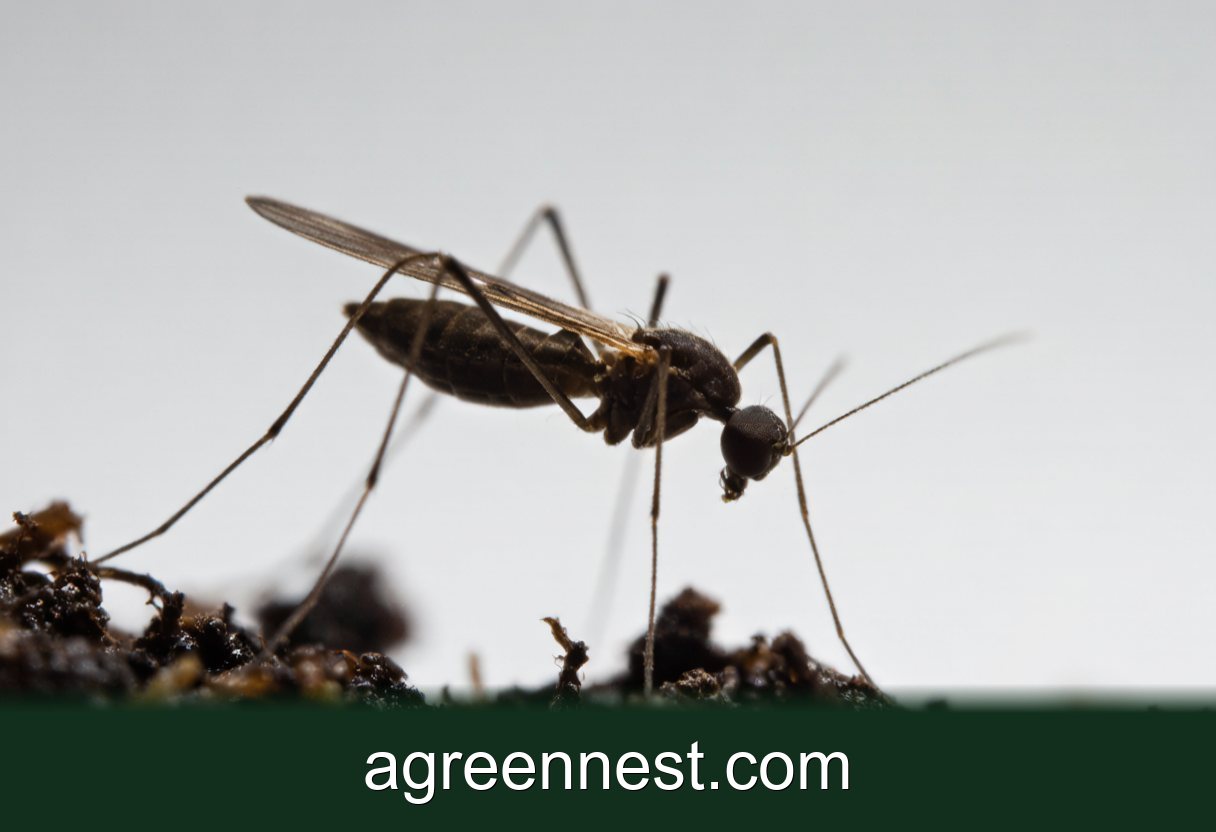
Most How to Deal with Fungus Gnats problems trace back to the usual indoor pests, not bad luck. Inspect weekly (leaf undersides, stem joints), quarantine new plants, and treat early with a targeted spray. Good airflow and dry foliage do more than any bottle, since prevention beats the cure every time.
Fungus gnats are among the most misdiagnosed pests in the indoor garden. The tiny black flies hovering over a pot are annoying, but the real damage happens underground, where the larvae chew on tender roots. I spent a season losing seedlings before I learned to read the early signs, and the university extension records I later studied confirmed what careful growers already knew. The adults are mostly a nuisance. The larvae are the genuine threat.
The good news is that this pest is beatable with patience. Most people who fail simply water on autopilot, and breaking that one habit solves half the problem.
Texas A&M AgriLife notes that the larvae of Bradysia coprophila thrive in constantly wet, organic rich potting mix. Cornell Garden Based Learning adds that overwatering is the single biggest trigger in homes. The US EPA lists several low risk options for control, which matters if you share a space with pets or children.
What Does a Fungus Gnat Problem Look Like?
Adults are small, dark, mosquito like flies about 2 to 3 mm long that flutter near the soil surface when you water. You may see them resting on the pot rim or drifting toward a bright window. The larvae are nearly invisible, white, worm like creatures with black heads, roughly 1 to 2 mm long, living in the top 2.5 to 5 cm of soil.
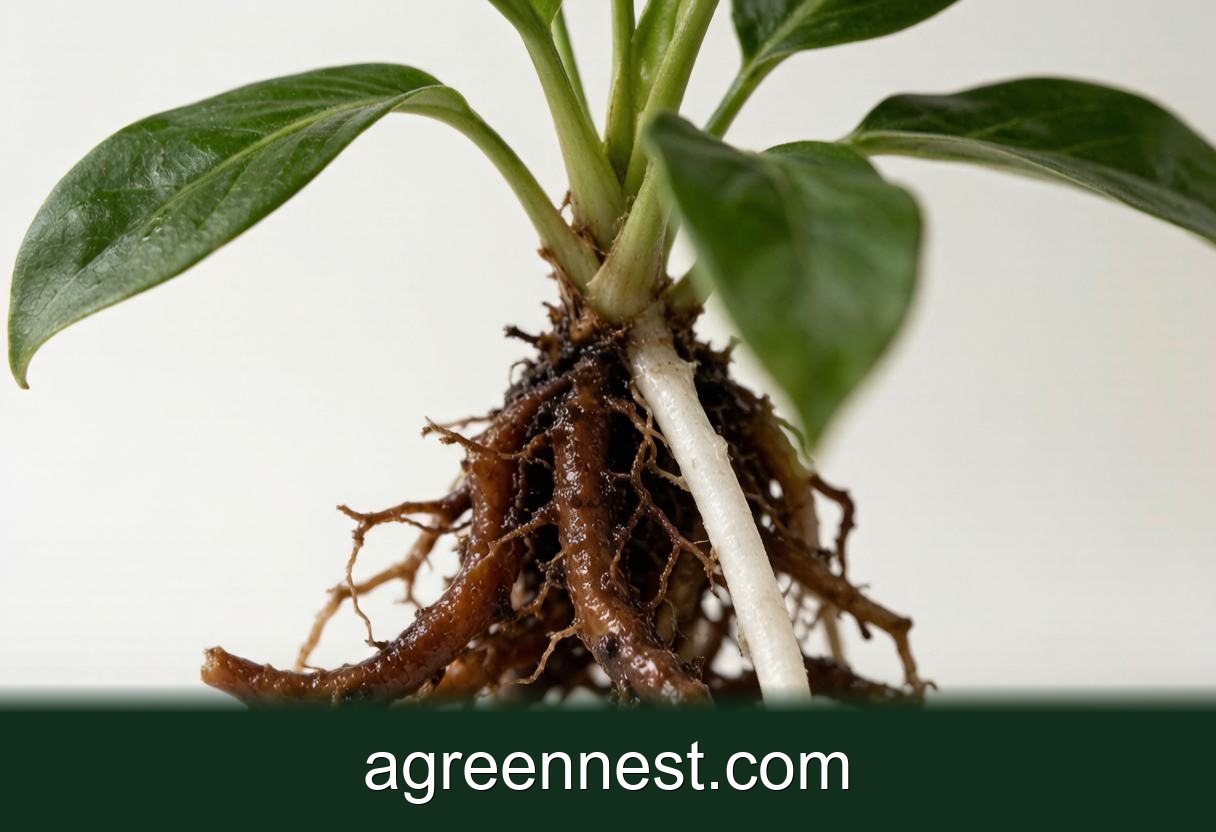
Seedlings that wilt for no clear reason often have larvae at work. Yellowing lower leaves, slow growth, and a general failure to thrive can all point below the surface. A sticky trap placed at soil level catches the adults and proves they are present.
Why Do These Flies Show Up?
The short answer is moisture. Females lay 100 to 300 eggs in damp compost, and those eggs hatch within 4 to 6 days at room temperature around 70°F (21°C). The larvae feed for 10 to 14 days, then pupate and emerge as adults ready to breed again. Oregon State research shows a full generation can complete in 3 to 4 weeks under warm indoor conditions.
Poor drainage makes everything worse. A pot without a real hole, a saucer kept full of water, or a dense peat heavy mix all create the soggy zone these insects need. Bringing home a contaminated houseplant from a shop is the other common route, which is why isolation matters. Bag the shop pot in a clear plastic sack for a day and you will often see adults trapped against the plastic before they ever reach your shelf.
How Do You Confirm the Diagnosis?
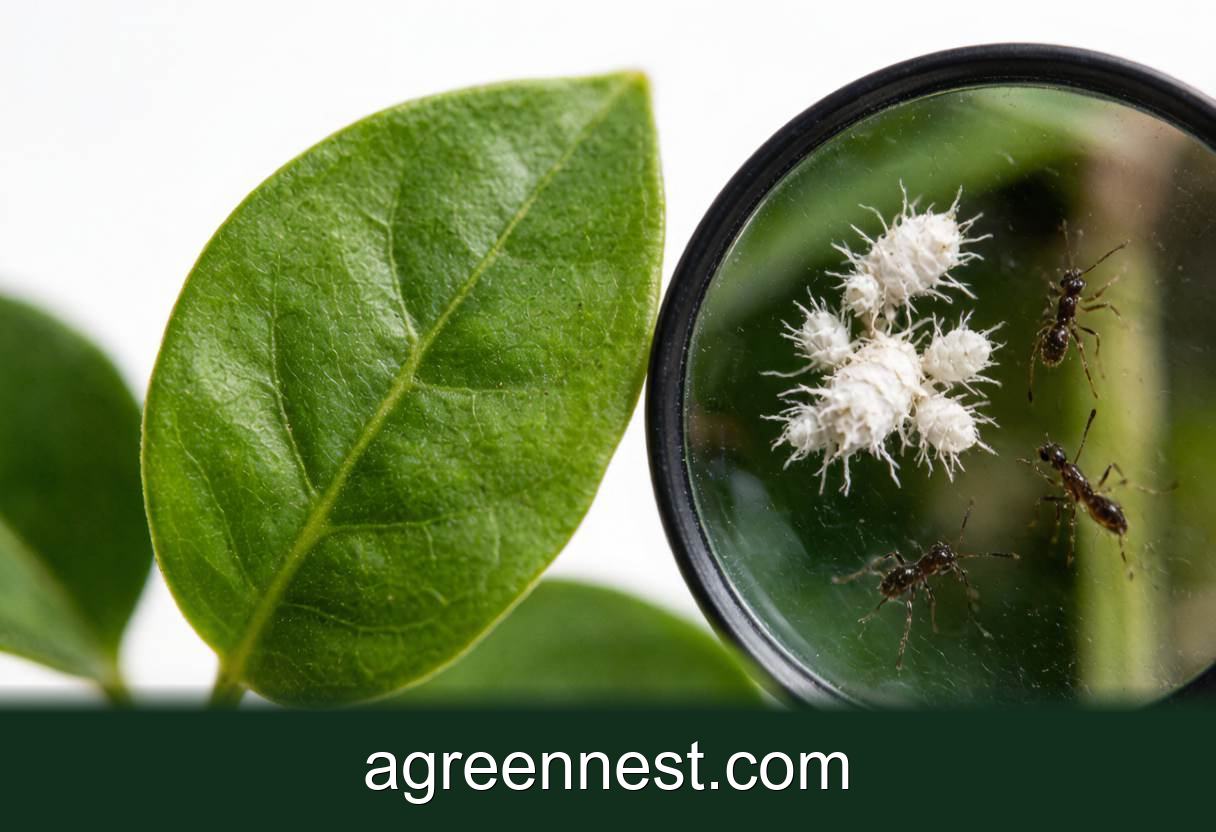
Do not guess based on one fly. Place a yellow sticky card flat on the soil for two days and count the catch. Adult fungus gnats hold their wings flat over the body and have long, dangling legs, unlike the hump backed, shorter legged shore flies that some people confuse them with. NC State extension advises checking the soil directly with a hand lens for the pale larvae.
You can also drop a slice of potato on the surface overnight. Larvae gather under it by morning, giving you a clear visual confirmation before you commit to treatment. Missouri Botanical Garden guidance recommends this simple test for worried beginners.
The Step by Step Treatment
Start by letting the top 2.5 to 5 cm of soil dry completely between waterings. Fungus gnat larvae cannot survive dry conditions, so this single change kills many of them. Bottom water through a tray so the surface stays dry while roots still drink.
Mix a soil drench of one part 3 percent hydrogen peroxide to four parts water and apply until it runs from the drainage hole. The fizzing loosens the mix and shocks the larvae. Repeat every 7 to 10 days for three cycles.
For stubborn cases, use a biological control. A product based on Bacillus thuringiensis targets the larvae when watered in, and the predatory mite Stratiolaelaps scimitus eats them in the root zone. EPA approved Bti products are safe around mammals and useful where chemical sprays are unwanted. Soil applied beneficial nematodes such as Steinernema feltiae seek out larvae in the root zone and suit large collections. Release them into moist mix and keep the surface damp for a few days so they stay active.
Preventing the Next Outbreak
Water only when the soil is genuinely dry an inch down, not on a fixed calendar. A gritty top dressing of sand or fine gravel denies females a place to lay. UC IPM stresses that good airflow and dry foliage do more than any bottle, because prevention beats the cure every time.
Quarantine every new plant for two to three weeks on a separate shelf, with its own sticky trap, before it joins the collection. Inspect leaf undersides and stem joints weekly, since early action is far cheaper than a full outbreak. A fan set to low across the shelf keeps the air moving and discourages adults from landing to lay. Repot crowded plants into fresh, well drained mix each spring, since old compost is exactly where eggs hide.
Frequently Asked Questions
Q: Will fungus gnats spread to my other plants?
A: Yes, the adults fly, so isolate the affected pot the moment you spot it. Most home outbreaks start from one contaminated plant that was never quarantined.
Q: Can I use the same treatment for every pest?
A: Neem oil and insecticidal soap cover many soft bodied pests, but root issues and fungal problems need a drier approach. Match the method to the problem rather than reaching for one bottle.
Q: How long until the gnats are gone?
A: Expect two to three weekly treatments before the traps stop catching adults. Patience with the drying routine matters more than extra sprays.
Catching fungus gnats early is half the battle, and the clues are easy to read once you know them. Keep our pest identifier tool bookmarked and check new growth every time you water. Dry soil, sticky traps, and a little patience clear most infestations without harsh chemicals.
Recommended Tools for Plant Pests & Diseases Care
Free, no-signup helpers matched to this guide.
🔍 Free Tool
Pest & Problem Identifier
Pick the symptoms you see and get the likely culprit plus a fix.
Free Ebooks to Explore
Downloadable handbooks — no email required.
Free Ebook
The AGreenNest Succulent Care Handbook
The complete, beginner-to-confident guide to growing fat, happy succulents — 10 chapters and a 20-plant directory.
Free Ebook
Haworthia & Haworthiopsis Care Handbook
A focused guide to the striped, forgiving Haworthia clan.
Sources & further reading
GreenNest authors research and write every guide independently. The external links below are reputable references we recommend for deeper reading — they are not the sources we copied from.
- Aggie Horticulture (Texas A&M) — Texas A&M AgriLife
- US EPA — Safer Pest Control — US EPA
- Cornell Garden-Based Learning — Cornell University
Share Your Plant Story
Grown something tricky, or found a trick that finally worked? Tell us in the comments, or see what other readers are sharing on our Community page. The best reader tips get folded back into our guides.

Join the Conversation
Have a tip or a question about How to Deal With Fungus Gnats? Share it below — comments are saved on our server.