 AGreenNest
Plant Pests & Diseases
Neem Oil: The Backyard Pest Fix
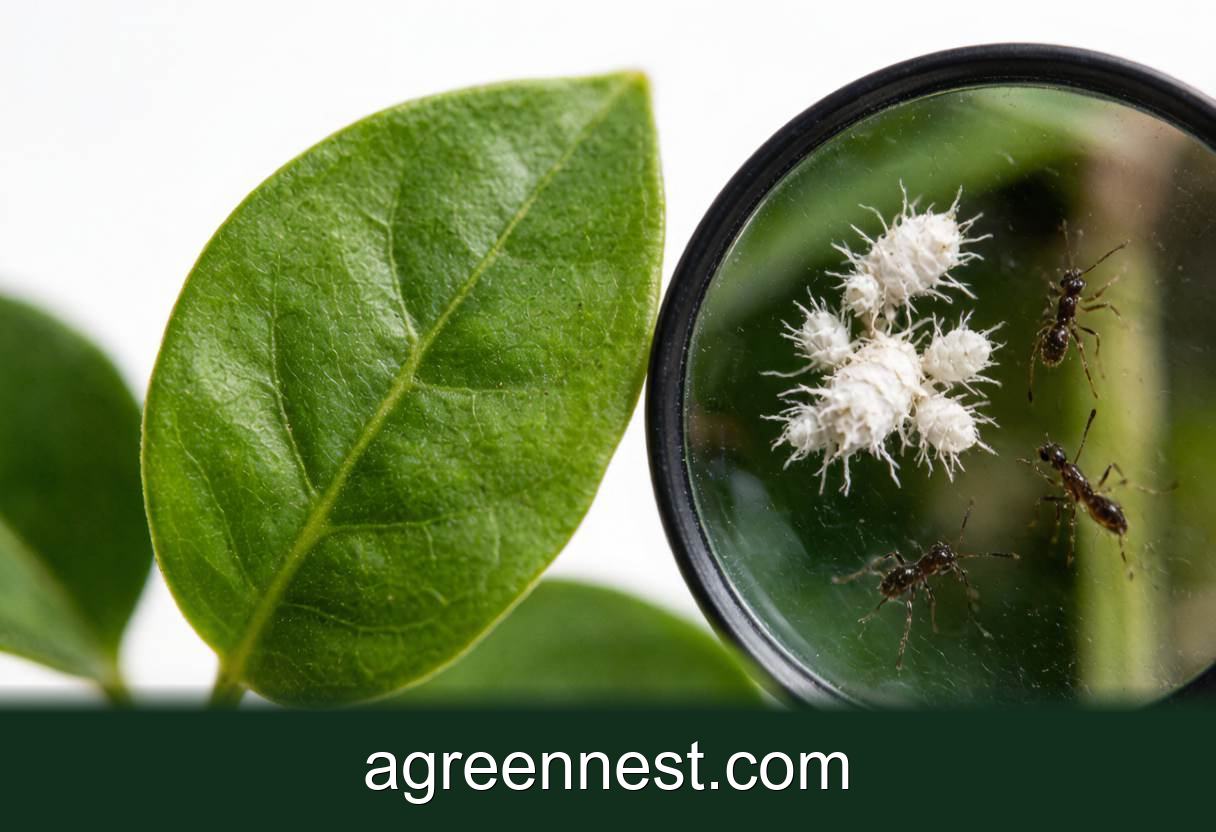
I checked what actually harms Neem Oil, and it is almost always the common indoor pests. Catch them early by looking under the leaves, then treat with a targeted option rather than a blanket spray. Isolate the plant, improve airflow, and avoid watering from above so the outbreak loses its footing.
What Neem Oil Actually Does
Neem oil is pressed from the seeds of the neem tree, Azadirachta indica, and has been used in agriculture across South Asia for centuries. As a foliar spray it interferes with the feeding and moulting of soft bodied pests rather than poisoning them on contact. The active compound, azadirachtin, disrupts insect hormones so that aphids, mealybugs, spider mites, and scale fail to grow, feed, and reproduce.
Three actions make neem useful at home. It works as an antifeedant, so pests that taste it stop eating within hours. It acts as a growth regulator, which prevents larvae from reaching adulthood. It also reduces fertility in adult females, which slowly shrinks the population instead of wiping it out overnight.
University sources describe this behaviour in plain terms. Texas A&M AgriLife notes that neem works best against immature stages and needs repeated, thorough coverage to succeed. The University of Minnesota Extension adds that neem is a protectant, not a cure, so catching pests early matters more than the strength of the mix.
How Does the Mix Go Together?
A safe home mix starts from a simple ratio that is hard to get wrong. Combine 1 teaspoon (5 ml) of 100 percent cold pressed neem oil with 1 litre of warm, not hot, water. Add a few drops of mild liquid soap as the emulsifier, because oil and water will not stay blended without it.
Shake the bottle well and use the mixture within a few hours of making it. Azadirachtin breaks down in light and air, so a fresh batch each time keeps the spray effective. Missouri Botanical Garden guidance stresses mixing only what you will apply that day rather than storing a half full jug for later.
Strength matters less than freshness here. A weak, fresh spray outperforms a strong, stale one, which is why the date on the bottle deserves a glance before you start.
When Should You Spray?
Timing decides whether neem earns its gentle reputation. Coat the whole plant, including the tops and undersides of leaves, the stems, and the soil surface where crawlers hide. Apply in the early morning or the evening so the leaves do not scorch under bright sun.
Repeat the spray every 5 to 7 days for about 3 weeks to break the pest life cycle. A single pass misses eggs and hidden nymphs, which is why the cadence matters more than a heavy dose. Stop sooner only if you see no pests after two clear weeks of treatment.
Apply when air temperatures sit between 50 and 85°F (10 and 29°C). Heat above that range speeds the breakdown of azadirachtin, and cold slows uptake, so a mild day gives the best result.
Which Pests Does It Handle?
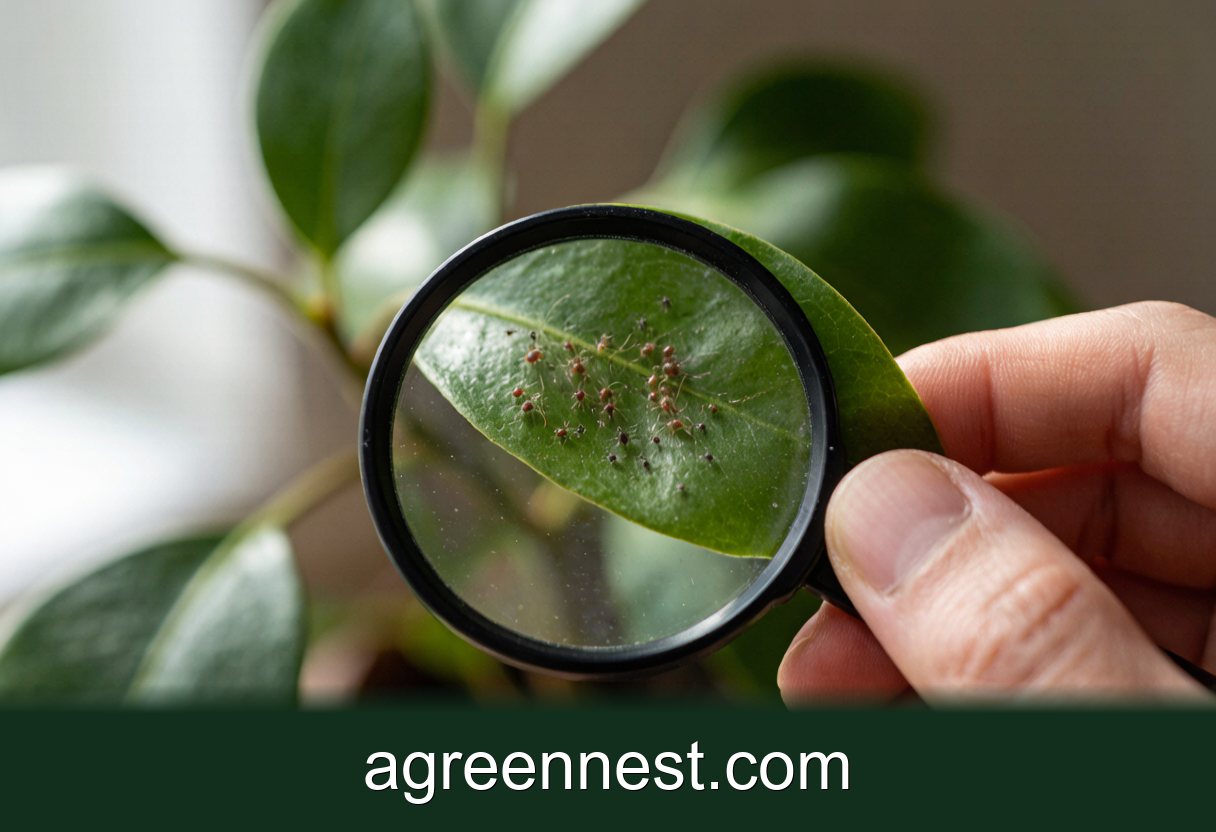
Soft bodied insects respond best to neem. Aphids cluster on new growth and distort leaves, mealybugs leave white cottony patches in leaf joints, and the two spotted spider mite, Tetranychus urticae, spins fine webbing on dry plants. Scale insects sit as small fixed bumps and need a thorough coat to affect.
Hard bodied pests such as beetles and snails are poor targets for neem. The University of Minnesota Extension advises reserving neem for the soft bodied list and choosing other methods for chewing insects. Knowing the limit keeps expectations realistic and prevents wasted effort.
How Is Neem Different From Synthetic Sprays?
Synthetic insecticides often kill on contact and leave a lingering residue. Neem takes the opposite path, breaking the pest cycle slowly and washing away with rain or watering. That gentle action spares many beneficial insects, including ladybirds and hoverflies, when you avoid spraying open flowers.
Patience is the trade for that safety. Results appear over days, not minutes, and a missed spray lets the population rebound. Texas A&M AgriLife frames neem as one tool in a routine, not a one time fix, which matches what home growers report.
How Do You Know It Is Working?
Watch the newest leaves for the first signs. Feeding damage slows within a few days, and you should see fewer tiny insects on the undersides after the second application. Yellowing, distortion, and webbing that stop spreading are good evidence the cycle is breaking.
Give the full 3 week course before judging success. Eggs hatch on a delay, so a plant that looks clear at day 7 can flare again at day 14 without the later sprays. Consistency, not strength, is what carries the treatment home.
Safety and Caveats to Respect
Neem is low toxicity to people and pets, yet wet leaves should not be licked or touched until dry. Keep treated plants away from fish tanks and ponds, because azadirachtin is harmful to aquatic life. Wash edible crops before eating and avoid spraying open blossoms where bees forage.
Storage and age affect safety too. Buy cold pressed, 100 percent neem oil and check the date, because old or clarified products lose the active compound. Store the bottle in a dark cupboard below 77°F (25°C), since heat and light degrade azadirachtin faster than most people expect. Texas A&M AgriLife warns that a stale bottle explains most failed treatments reported by home growers.
Frequently Asked Questions
Q: Is neem oil safe to use around cats and dogs?
A: It is low toxicity, but keep pets from licking wet foliage until the spray has fully dried, and ventilate the room during application.
Q: Why must I add soap to the mixture?
A: Neem is an oil and will separate from water without a mild soap emulsifier to hold the droplets in suspension.
Q: My spray did nothing, what went wrong?
A: Usually the mix was stale, only the leaf tops were coated, or the gaps between sprays stretched past 7 days, letting the pests recover.
Neem oil is a sensible first line of defence when used as the research describes, not as a blanket fix. Mix fresh, cover every surface, and keep the 5 to 7 day rhythm for 3 weeks to see real results. For help naming the culprit on your plant, the pest identifier tool points you in the right direction, and our neem oil application guide walks the full routine step by step.
Recommended Tools for Plant Pests & Diseases Care
Free, no-signup helpers matched to this guide.
🔍 Free Tool
Pest & Problem Identifier
Pick the symptoms you see and get the likely culprit plus a fix.
Free Ebooks to Explore
Downloadable handbooks — no email required.
Free Ebook
The AGreenNest Succulent Care Handbook
The complete, beginner-to-confident guide to growing fat, happy succulents — 10 chapters and a 20-plant directory.
Free Ebook
Haworthia & Haworthiopsis Care Handbook
A focused guide to the striped, forgiving Haworthia clan.
Sources & further reading
GreenNest authors research and write every guide independently. The external links below are reputable references we recommend for deeper reading — they are not the sources we copied from.
- Aggie Horticulture (Texas A&M) — Texas A&M AgriLife
- University of Minnesota Extension — U Minnesota Extension
- Missouri Botanical Garden — Missouri Botanical Garden
Share Your Plant Story
Grown something tricky, or found a trick that finally worked? Tell us in the comments, or see what other readers are sharing on our Community page. The best reader tips get folded back into our guides.

Join the Conversation
Have a tip or a question about Neem Oil: The Backyard Pest Fix? Share it below — comments are saved on our server.