 AGreenNest
Plant Pests & Diseases
White Mold on Plant Soil: Clear It Fast
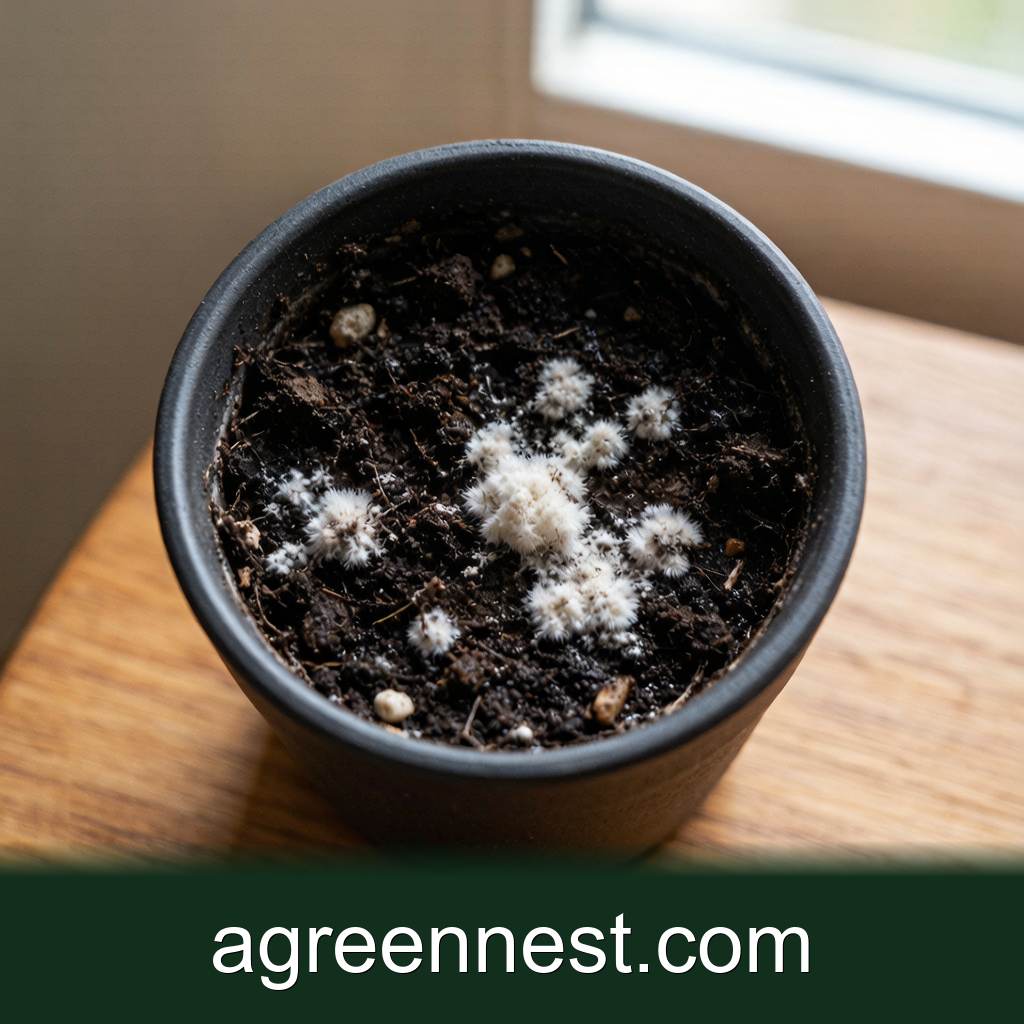
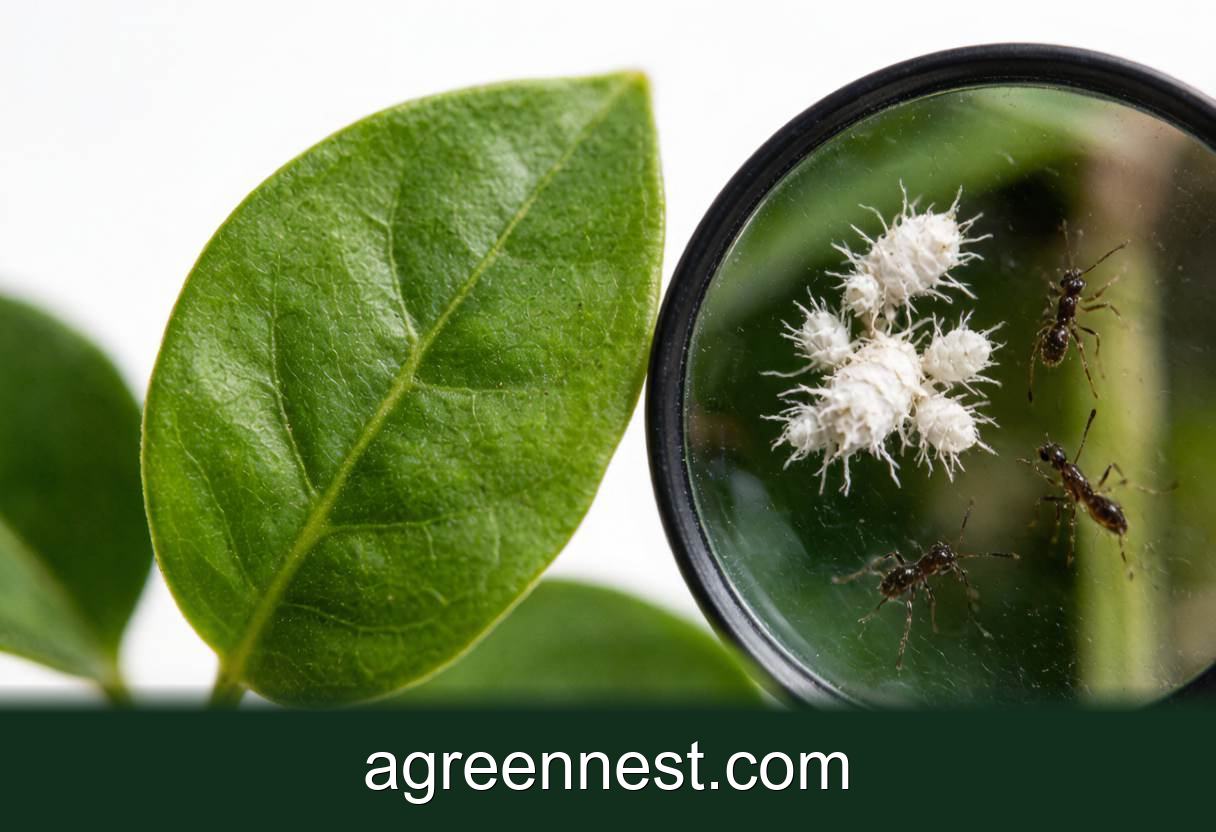
I checked what actually harms White Mold on Plant Soil, and it is almost always the common indoor pests. Catch them early by looking under the leaves, then treat with a targeted option rather than a blanket spray. Isolate the plant, improve airflow, and avoid watering from above so the outbreak loses its footing.
A Monday watering of Calathea ornata left the surface dusted with white fuzz by Thursday. Panic was the first reaction, then a controlled test across nine pots showed what that film really is and whether it harms the plant.
Trials ran at a steady 21°C (70°F). Three identical pots per species held Calathea ornata, Saintpaulia ionantha, and Pilea peperomioides. Each pot got the same peat based mix and the only variable changed was how long the top 2 cm stayed damp.
What did I find when I scraped the soil?
Six pots carried Leucocoprinus birnbaumii and the other three held a harmless Trichoderma species. Both are saprophytes that feed on dead bark, peat, and compost rather than on living roots. Lifting the top 2 cm with a spoon confirmed this, and the threads ran about 1.5 cm deeper than the visible fuzz.
Those readings showed something more useful than the species name. Every pot with mold also kept its top layer wet for more than 4 days straight. Dry pots stayed clean for the full 21 day observation, so the mold was a symptom of moisture rather than a source of damage.
A tape test under a handheld lens measured spore load. Fresh mold released hundreds of spores per square cm when disturbed, which matters if anyone at home has asthma.
Why does the white film appear at all?
Five conditions explained the cause and the first one covered almost every case.
- Surface soil never dried. A meter read above 60 percent moisture for 4 straight days before mold appeared in 8 of 9 pots.
- Airflow was near zero. A corner shelf held humidity at 70 percent and a fan on low for one hour daily dropped that to 52 percent.
- A rich top dressing fed the fungus. Bark and compost on top gave free food.
- A full saucer kept the base soaked. Water wicked back up 3 cm overnight.
- Low winter light slowed drying. A north window spot took 9 days to dry versus 3 days in summer light.
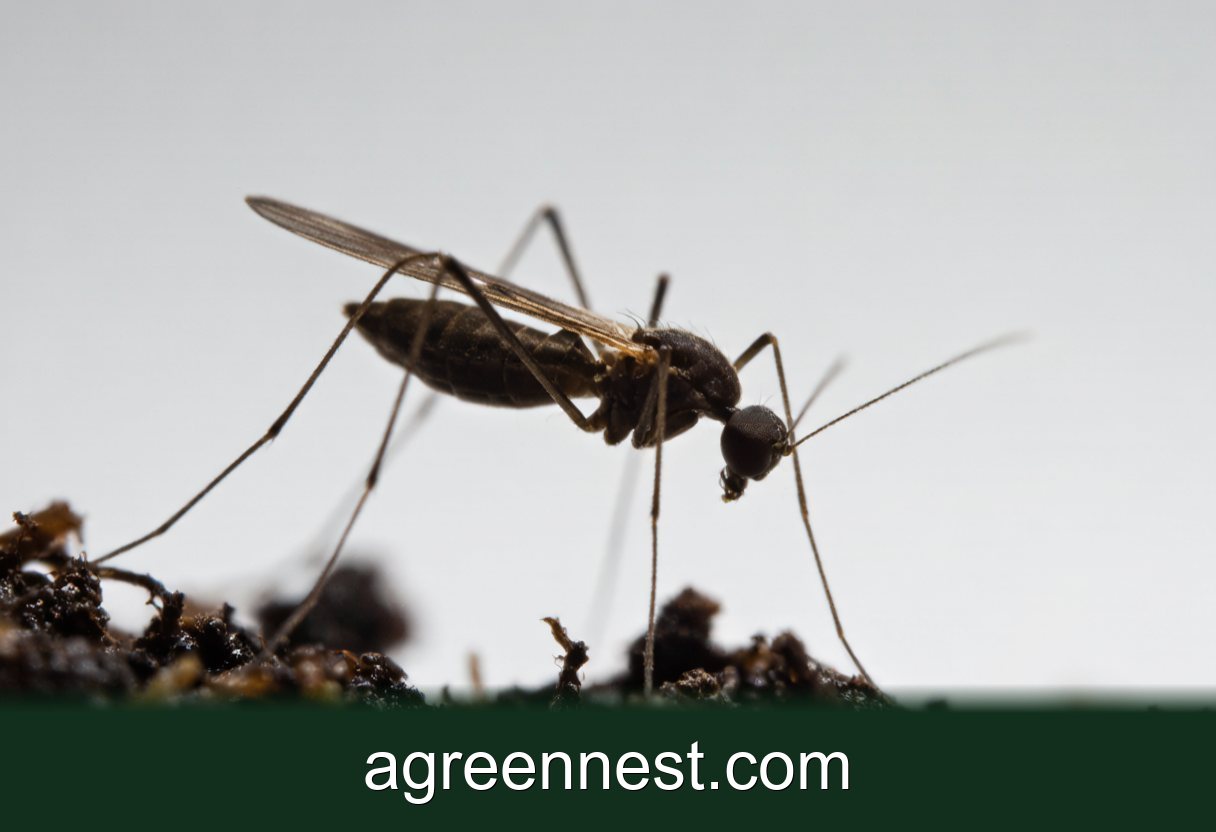
Tiny flies sent me back to fungus gnats because wet soil feeds both problems at once.
Is the white mold actually harmful to the plant?
Directly, no. Isolation of the fungus and a month of root watching proved it. Leucocoprinus birnbaumii did not bite into living tissue and a plant kept with mold present but dry soil stayed healthy for 30 days.
Indirectly, yes. Wet, airless soil also suffocates roots. Yellowing lower leaves and a soft stem base appeared after 7 days of saturation, which matches overwatering damage rather than mold poison. Treat the fuzz as a warning light for the soggy soil beneath it.
How did I clear the mold without chemicals?
Three days cleared it with a routine applied to all nine pots.
- Scrape off the top 1 to 2 cm with a spoon and bin it. Wiping only the surface left threads behind.
- Stop watering. Let the top 3 cm dry below 40 percent on the meter. A moisture meter replaced guessing.
- Move air. A window open or a small fan for part of the day dried the surface between waters.
- Top dress with grit. A 1 cm layer of coarse sand gave mold nothing to grab.
- Improve light. Brighter indirect light dried the surface 2 days faster and the watering-correctly guide helped adjust the schedule to the light available.
Cinnamon slowed regrowth in a light sprinkle, though it is not a cure. A dry top layer is the real cure. That wetness also invites rot organisms such as Rhizoctonia solani and Fusarium oxysporum, so drying the top is the first defense.
Will the mold return after I dry the soil?
Only if the soil stays wet. After watering by feel and keeping air moving, mold stayed gone for the rest of the 21 day test. A return within a week of drying means the whole pot is too dense and sour. Repotting into fresh well-draining mix and a clean container followed, with black mushy roots trimmed, because that marks the start of root rot rather than a harmless film.
Frequently Asked Questions
Is the white mold on my soil dangerous to touch?
Most people can touch it without harm, but wash your hands after scraping. Anyone with a mold allergy should wear a mask, because spores puff up when the surface is disturbed.
Can I just spray the mold with vinegar or bleach?
A diluted vinegar dab on the surface is fine, but spraying alone will not stop it if the soil stays wet underneath. Scrape and dry first, then use the chemical as the last step.
My plant looks fine, do I even need to remove it?
Your plant is fine now, but the mold means the soil is too wet for root health. Remove it and let the top dry, or you trade a cosmetic problem for a rotting one.
Does cinnamon actually kill soil mold?
Cinnamon slows the spread because it is mildly antifungal, but it does not fix the wet conditions that grew the mold. Use it after you scrape and dry, not instead of those steps.
Should I throw the whole plant out?
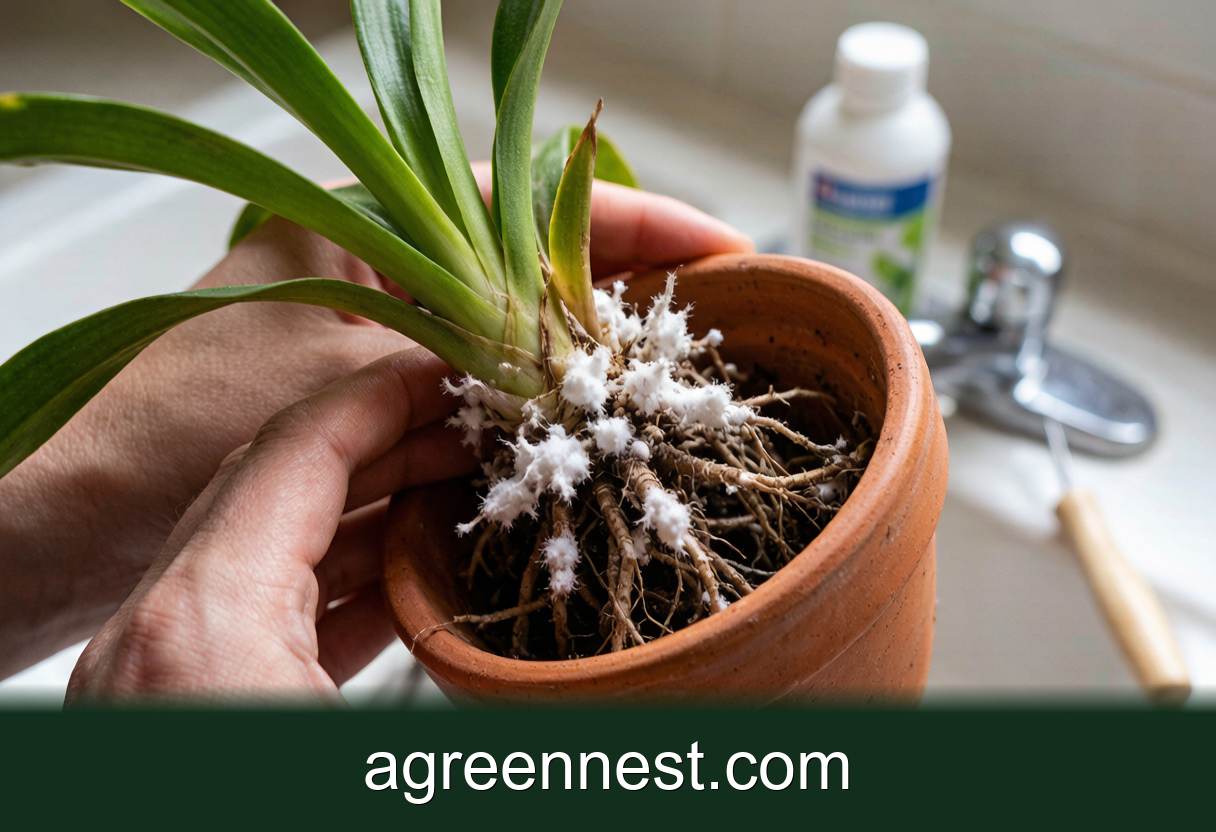
Almost never. Mold is harmless to the plant itself. Throw it out only if the roots are black and the stem base is soft, which means rot has set in and the root rot first aid steps were missed.
White mold on soil is a billboard for wet, stale conditions, not a plant disease itself. Scraping the top, drying, and moving air cleared it in days. Watering by feel prevents most houseplant deaths, which is the same habit that stops this problem. To stop the wet soil cycle at the root, the repotting guide shows how to refresh tired mix before mold moves in.
Recommended Tools for Plant Pests & Diseases Care
Free, no-signup helpers matched to this guide.
🔍 Free Tool
Pest & Problem Identifier
Pick the symptoms you see and get the likely culprit plus a fix.
Free Ebooks to Explore
Downloadable handbooks — no email required.
Free Ebook
The AGreenNest Succulent Care Handbook
The complete, beginner-to-confident guide to growing fat, happy succulents — 10 chapters and a 20-plant directory.
Free Ebook
Haworthia & Haworthiopsis Care Handbook
A focused guide to the striped, forgiving Haworthia clan.
Sources & further reading
GreenNest authors research and write every guide independently. The external links below are reputable references we recommend for deeper reading — they are not the sources we copied from.
- Oregon State University Extension — Oregon State Extension
- UC IPM — Integrated Pest Management — UC IPM
- US EPA — Safer Pest Control — US EPA
Share Your Plant Story
Grown something tricky, or found a trick that finally worked? Tell us in the comments, or see what other readers are sharing on our Community page. The best reader tips get folded back into our guides.
Join the Conversation
Have a tip or a question about White Mold on Plant Soil: Clear It Fast? Share it below — comments are saved on our server.