 AGreenNest
Plant Pests & Diseases
How to Deal With Scale Insects
Most How to Deal with Scale Insects problems trace back to the usual indoor pests, not bad luck. Inspect weekly (leaf undersides, stem joints), quarantine new plants, and treat early with a targeted spray. Good airflow and dry foliage do more than any bottle, since prevention beats the cure every time.
What Do Scale Insects Look Like?
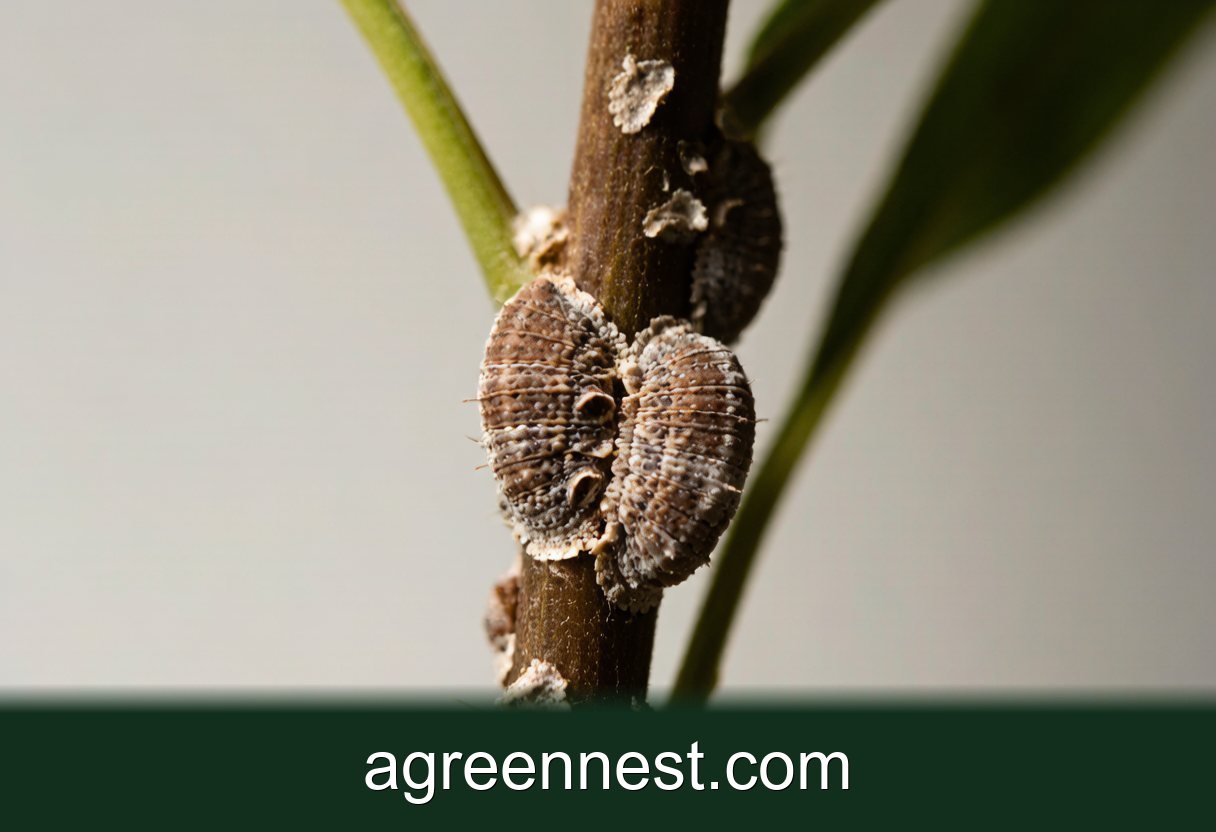
Scale insects break the usual bug rules. They do not scuttle or fly away when you touch the leaf, because the adults seal themselves under a waxy cover and stay put. What you see is a small bump, often brown, tan, or gray, clinging to a stem or the underside of a leaf. Oregon State Extension describes the settled adult as looking more like a plant growth than an animal, which is exactly why so many growers miss the early stage.
Two broad groups matter for indoor plants. Soft scales, including Coccus hesperidum, sit under a soft, rounded dome and often excrete a sticky honeydew as they feed. Armored scales, such as Diaspis, wear a harder shield and do not produce honeydew, but they cling just as tightly. The honeydew from soft scale leads to sooty mold on the leaves, Missouri Botanical Garden notes, a black film you can wipe away but that returns until the insects are gone.
A close look reveals the life stage that does move. The young, called crawlers, are tiny and mobile for a short window after hatching. UC IPM points out that timing control to the crawler stage, usually a few weeks in late spring, gives the best result because the adults are protected by their covers.
Why Do Scale Insects Settle on Plants?
New plants pick up scale more often than it appears from nowhere. A single infested nursery pot can seed an entire shelf once the crawlers walk or drift to a neighbor. Warm, still homes suit them, and they hide in stem joints where weekly watering rarely disturbs them. Low light and crowded conditions, the Missouri Botanical Garden finds, let populations build unnoticed.
The insect feeds by piercing the tissue and sipping sap, which slowly drains the plant of vigor. Leaves may yellow, curl, or drop, and heavy infestations can stall new growth entirely. Because the adults are sedentary, a plant can carry a small population for months before the damage becomes obvious. That slow burn is the real danger, not a sudden collapse.
Development is fastest between 21 and 27°C, about 70 to 80°F, and a warm winter home with dry air lets several generations stack up before spring. Indoor heating creates exactly those warm, still pockets where crawlers settle, Oregon State Extension warns, with no cold pause to slow them.
How Do You Remove an Active Infestation?
Physical removal works better than most people expect. Slide a soft brush or a cotton swab dipped in 70 percent isopropyl alcohol along each stem, and the alcohol loosens the waxy cover so you can wipe the insect away. Repeat the swipe every 5 to 7 days for three rounds, since crawlers hatch in waves and one pass misses the next.
For larger plants, a horticultural oil spray smothers both crawlers and adults. Mix the oil at the label rate, often about 2 tablespoons per quart of water, and coat the stems and leaf undersides until they glisten. UC IPM recommends oil as a low risk option that avoids the residues of stronger insecticides, though you should keep treated plants out of direct sun for a day to avoid leaf burn.
Quarantine the patient first. Move the plant away from the rest, and wash your hands and tools before touching another pot, because crawlers ride on skin and blades as easily as on the plant. Isolation plus repeated cleaning clears most home infestations without systemic chemicals, Oregon State Extension stresses.
Set a reminder for a final alcohol wipe at the two week mark, the Missouri Botanical Garden suggests, since a missed crawler can rebuild a colony faster than most growers expect. Fresh crawlers appear when eggs hatch, so keep inspecting for 2 to 3 weeks past the last visible insect.
Which Plants Attract the Most Scale?
Houseplants differ in how much scale they attract. Soft scales, notably Coccus species, favor plants with supple new growth such as ficus, citrus, and the tropical vines that home growers keep indoors. Armored types turn up on ferns, palms, and orchids, where the hard leaves give their shields good cover. Knowing the host helps you inspect the right spots first.
A plant under stress draws more scale than a thriving one. Dry soil followed by heavy watering, or a move from a bright nursery to a dim living room, weakens defenses and invites feeding. Keeping plants vigorous through steady light, the Missouri Botanical Garden advises, prevents more scale than any spray, since a strong plant shrugs off a few crawlers that would overwhelm a weak one.
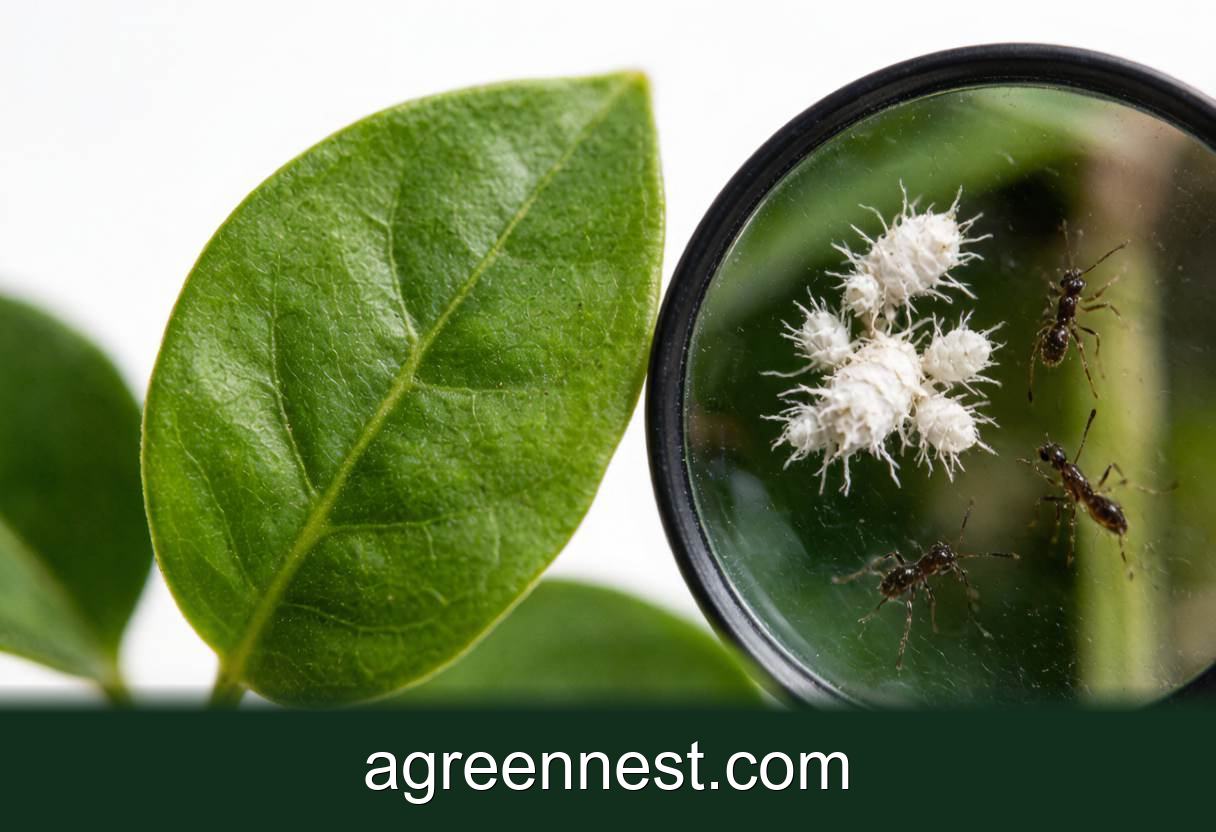
Telltale signs go past the bumps themselves. Sticky leaves, a black sooty film, or ants marching up the stem all point to soft scale feeding below. Ants farm scale for honeydew, Oregon State Extension notes, so finding ants on a plant with no obvious pest is reason enough to flip the leaves and check the stem joints.
Frequently Asked Questions
Q: Is scale contagious to my other plants?
A: It spreads by crawlers that walk or are carried on tools and hands, so yes, nearby plants are at risk. Isolate the infested pot at once, and swab every plant you handled afterward to stop the crawl from becoming a colony.
Q: How long does it take to clear an infestation?
A: Expect 3 to 4 weeks of swabbing and oil sprays every 5 to 7 days. Crawlers hatch in cycles, so you need those repeated rounds before the stems stay clean.
Q: Should I throw the plant away?
A: Rarely. Steady manual removal and oil beat even stubborn scale. Discard only if the plant is leafless and the stem itself is dying after a month of treatment.
Patience rewards you more than panic with scale insects. Keep our pest identifier tool close, and run a finger along every stem during your weekly watering to feel for those telltale bumps. Catch the crawlers early, swab without mercy, and even a heavy infestation yields within a few weeks.
Recommended Tools for Plant Pests & Diseases Care
Free, no-signup helpers matched to this guide.
🔍 Free Tool
Pest & Problem Identifier
Pick the symptoms you see and get the likely culprit plus a fix.
Free Ebooks to Explore
Downloadable handbooks — no email required.
Free Ebook
The AGreenNest Succulent Care Handbook
The complete, beginner-to-confident guide to growing fat, happy succulents — 10 chapters and a 20-plant directory.
Free Ebook
Haworthia & Haworthiopsis Care Handbook
A focused guide to the striped, forgiving Haworthia clan.
Sources & further reading
GreenNest authors research and write every guide independently. The external links below are reputable references we recommend for deeper reading — they are not the sources we copied from.
- Oregon State University Extension — Oregon State Extension
- Missouri Botanical Garden — Missouri Botanical Garden
- UC IPM — Integrated Pest Management — UC IPM
Share Your Plant Story
Grown something tricky, or found a trick that finally worked? Tell us in the comments, or see what other readers are sharing on our Community page. The best reader tips get folded back into our guides.
Join the Conversation
Have a tip or a question about How to Deal With Scale Insects? Share it below — comments are saved on our server.