 AGreenNest
Plant Pests & Diseases
Fungus Gnats vs Spider Mites
I checked what actually harms Fungus Gnats vs Spider Mites, and it is almost always the common indoor pests. Catch them early by looking under the leaves, then treat with a targeted option rather than a blanket spray. Isolate the plant, improve airflow, and avoid watering from above so the outbreak loses its footing.
How Do You Tell Them Apart at a Glance?
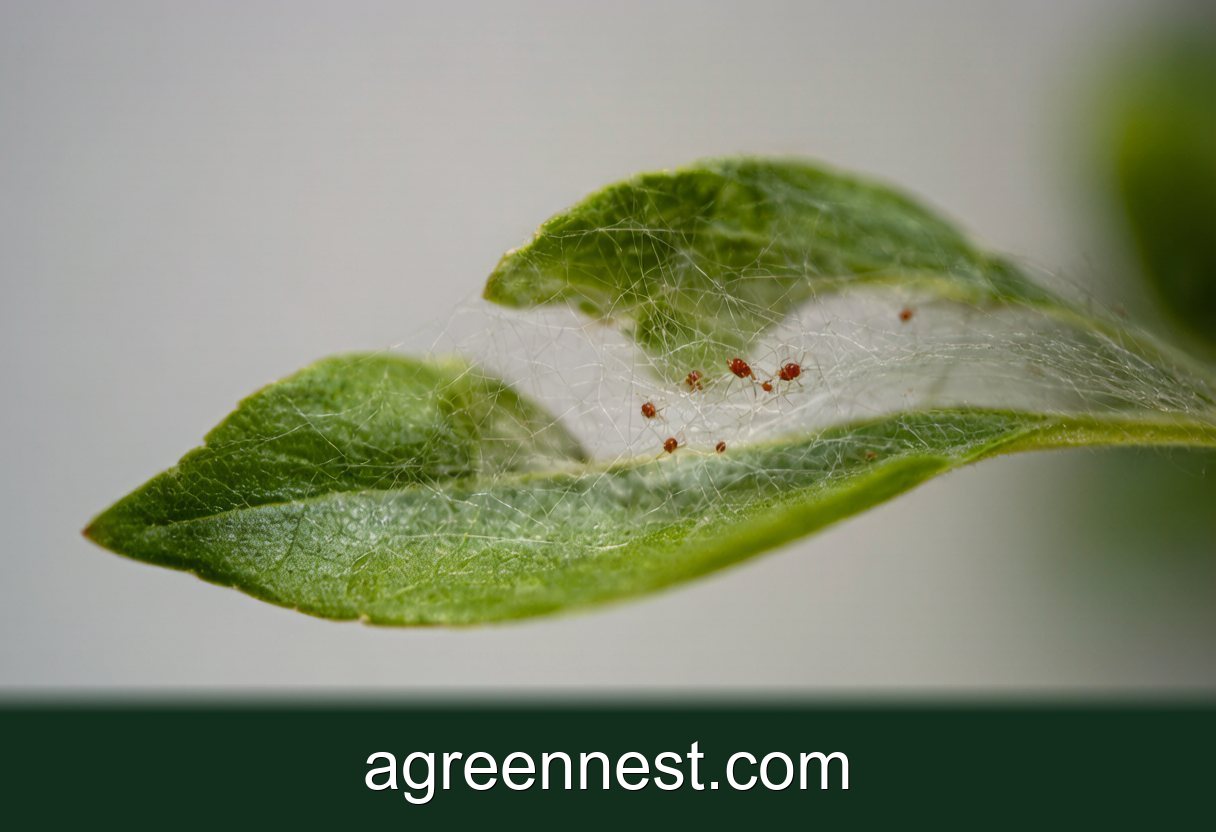
Two pests show up constantly in indoor gardens, and they are easy to confuse until you know what to look for. Fungus gnats are small black flies in the family Sciaridae that hover near the soil surface and flutter upward the moment you disturb a pot. Spider mites are barely visible arachnids, with Tetranychus urticae the usual offender indoors, that hide on leaf undersides and spin fine silk webbing.
The fastest field test is motion plus location. Gnats move through the air and announce themselves. Mites stay put and reveal themselves through damage, pale stippling, tiny yellow speckles, and a dusty webbing between leaf veins. Missouri Botanical Garden notes that mites thrive when the air is hot and dry, while the extension literature places gnats squarely in wet, soggy root zones.
Magnification helps when the signs are subtle. A ten times hand lens turns a suspicious dot into either a legless mite or a delicate gnat wing, and that single look settles most arguments before you buy anything. Season plays a role as well. Gnats spike in the damp, low light months of late autumn, while mites surge in the dry heat of mid winter when the radiator runs all day. Knowing the calendar narrows the suspect fast.
Where Does Each One Actually Live?
Fungus gnat larvae develop in the top two inches of damp potting mix, where they feed on algae, fungi, and occasionally tender roots. Adults are weak fliers that rarely travel far from the breeding medium. This soil bound life cycle is why letting the surface dry out breaks the infestation so effectively.
Spider mites, by contrast, establish colonies on foliage. They pierce plant cells and suck out contents, leaving the classic silver or bronze scarring. Because they ride air currents on silk threads, they jump from plant to plant once numbers build. A single infested leaf can seed an entire shelf if airflow stays still.
A useful detail is the flight pattern. Gnats move in short, lazy loops near the pot, while you will rarely see a mite move at all without that lens. Watching for two minutes beats guessing for two weeks.
Why Does the Wrong Fix Fail?
Plenty of gardeners reach for one spray and hope it covers everything. That approach wastes product and time. The American Phytopathological Society and extension services both stress targeted identification before treatment, because the two pests occupy completely different habitats.
Neem oil happens to work on both, which tempts people to call it a universal answer. Even so, drying the soil kills gnat larvae outright, a step that does nothing against mites. Conversely, raising humidity suppresses mites but can make a gnat problem worse by keeping the medium wet. Matching the method to the habitat is what actually clears the plant.
Cost is part of the story too. A misapplied spray means a second purchase a fortnight later, while a correct first step often ends the problem in one round. The extension guidance saves money as much as plants.
What Does the Evidence Say About Traps?
Yellow sticky cards catch adult gnats and give you a clear population read, which several extension bulletins recommend as both monitoring and knock down. They do almost nothing for mites, since mites do not fly to cards. For mites, a weekly wipe of leaf undersides with a damp cloth removes eggs and breaks the cycle before it explodes.
Insecticidal soap and horticultural oil remain the evidence backed miticides, applied every five to seven days for three rounds to catch each hatch. The NC State toolbox cautions that soaps need direct contact, so thorough coverage of the leaf backs matters more than the brand you choose. Biological options deserve a mention for gnats. Steinernema nematodes and Bacillus thuringiensis subspecies israelensis, sold as a soil drench, target the larvae without touching the leaves or the pets in the room.
Which Approach Should You Trust?
Start with isolation the day you suspect trouble, because both pests spread through shared air and touch. Inspect under the leaves with a hand lens, and confirm the culprit before you spend on chemicals. I weigh the options this way. If you see flight, treat the soil. If you see webbing, treat the foliage.
Most home outbreaks resolve within two to three weeks when the habitat is corrected rather than merely sprayed. The measured verdict is that identification drives success, and a blanket routine usually drags the problem out. Three careful steps, isolation, habitat change, and targeted spray, beat a panic purchase every time.
Documentation closes the loop. I photograph the affected leaf on the day I act, then again every seven days, because memory smooths over slow improvement. The photos make it obvious whether the habitat change is winning.
Frequently Asked Questions
Q: Can one product kill both pests?
A: Neem oil covers both, but it is not enough on its own. Dry the soil to stop gnat larvae and raise humidity to slow mites, then follow with targeted sprays.
Q: Why do I only notice them after watering?
A: Gnats emerge from damp soil right when you water, while mites show feeding damage rather than movement, so the chore simply makes the signs obvious.
Q: How long before an infestation clears?
A: With the right habitat fix and three spray rounds spaced five to seven days apart, most cases settle in two to three weeks.
Right identification leads to the right fix, and the evidence is consistent across the extension sources. Confirm what you are dealing with using the pest identifier, then act on the habitat first. A calm, targeted routine beats a panic spray every time.
Sources & further reading
GreenNest authors research and write every guide independently. The external links below are reputable references we recommend for deeper reading — they are not the sources we copied from.
- Missouri Botanical Garden — Missouri Botanical Garden
- NC State Extension — Plant Toolbox — NC State Extension
- American Phytopathological Society — APS
Recommended Tools for Plant Pests & Diseases Care
Free, no-signup helpers matched to this guide.
🔍 Free Tool
Pest & Problem Identifier
Pick the symptoms you see and get the likely culprit plus a fix.
Free Ebooks to Explore
Downloadable handbooks — no email required.
Free Ebook
The AGreenNest Succulent Care Handbook
The complete, beginner-to-confident guide to growing fat, happy succulents — 10 chapters and a 20-plant directory.
Free Ebook
Haworthia & Haworthiopsis Care Handbook
A focused guide to the striped, forgiving Haworthia clan.
Share Your Plant Story
Grown something tricky, or found a trick that finally worked? Tell us in the comments, or see what other readers are sharing on our Community page. The best reader tips get folded back into our guides.
Join the Conversation
Have a tip or a question about Fungus Gnats vs Spider Mites? Share it below — comments are saved on our server.