 AGreenNest
Plant Pests & Diseases
Pet-Safe Pest Control Indoors
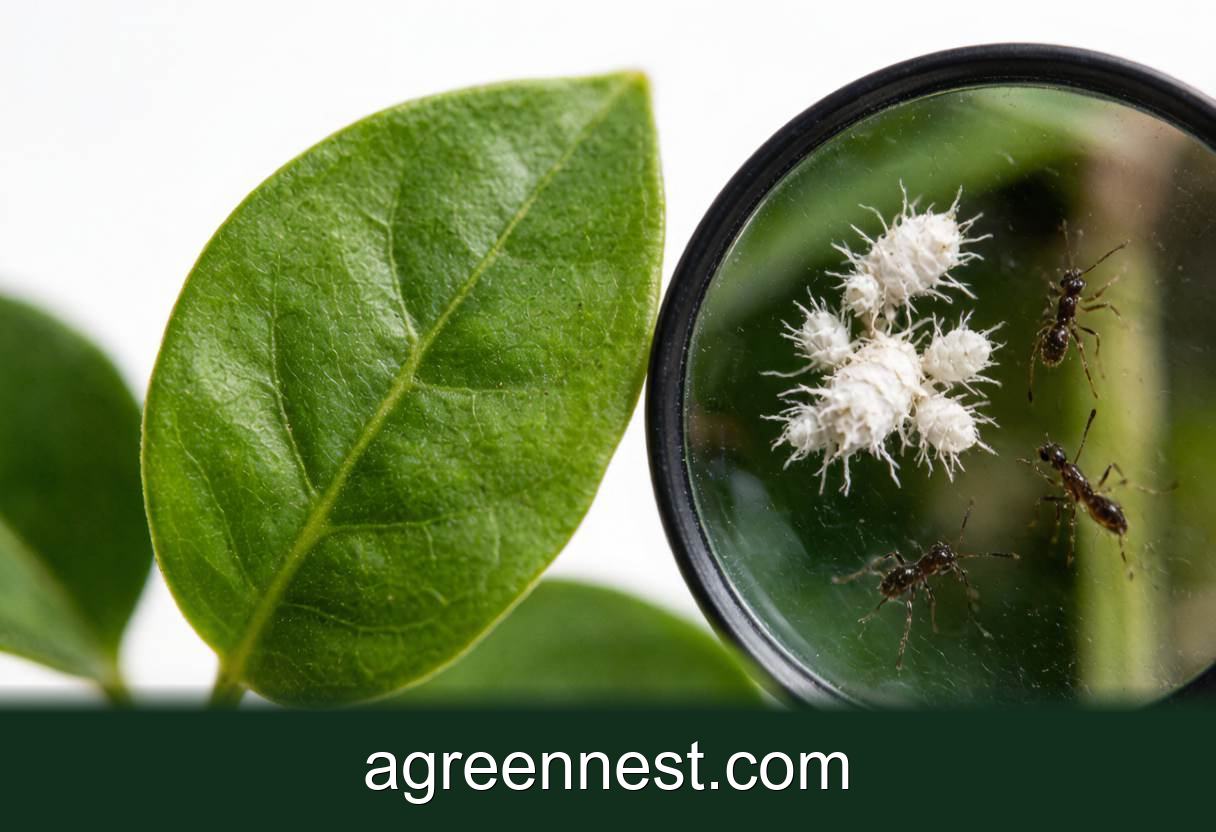
Most Pet-Safe Pest Control Indoors problems trace back to the usual indoor pests, not bad luck. Inspect weekly (leaf undersides, stem joints), quarantine new plants, and treat early with a targeted spray. Good airflow and dry foliage do more than any bottle, since prevention beats the cure every time.
Why Pets Change the Pest Equation
Homes with cats and dogs ask more of a plant owner than a greenhouse does. Most pesticide labels assume an empty grow room, not a living room where a spaniel sleeps under the ficus. The University of Minnesota Extension notes that many broad-spectrum insecticides carry warnings against use where animals groom or rest. Reading those labels is the first act of responsible control. A curious cat will lick a leaf that still carries residue. A dog may nose a trap you thought was hidden. These small behaviors change which products belong in your home. Veterinary case reports describe cats poisoned by residues tracked from treated carpets to food bowls. Prevention, therefore, starts with the choice of product rather than the dose. Pet owners should treat every leaf as a surface an animal might later touch. Common households average two to three plants per room, raising the odds of contact. Children and pets share the floor, so the same caution applies to both.
What Do Extension Studies Actually Recommend?
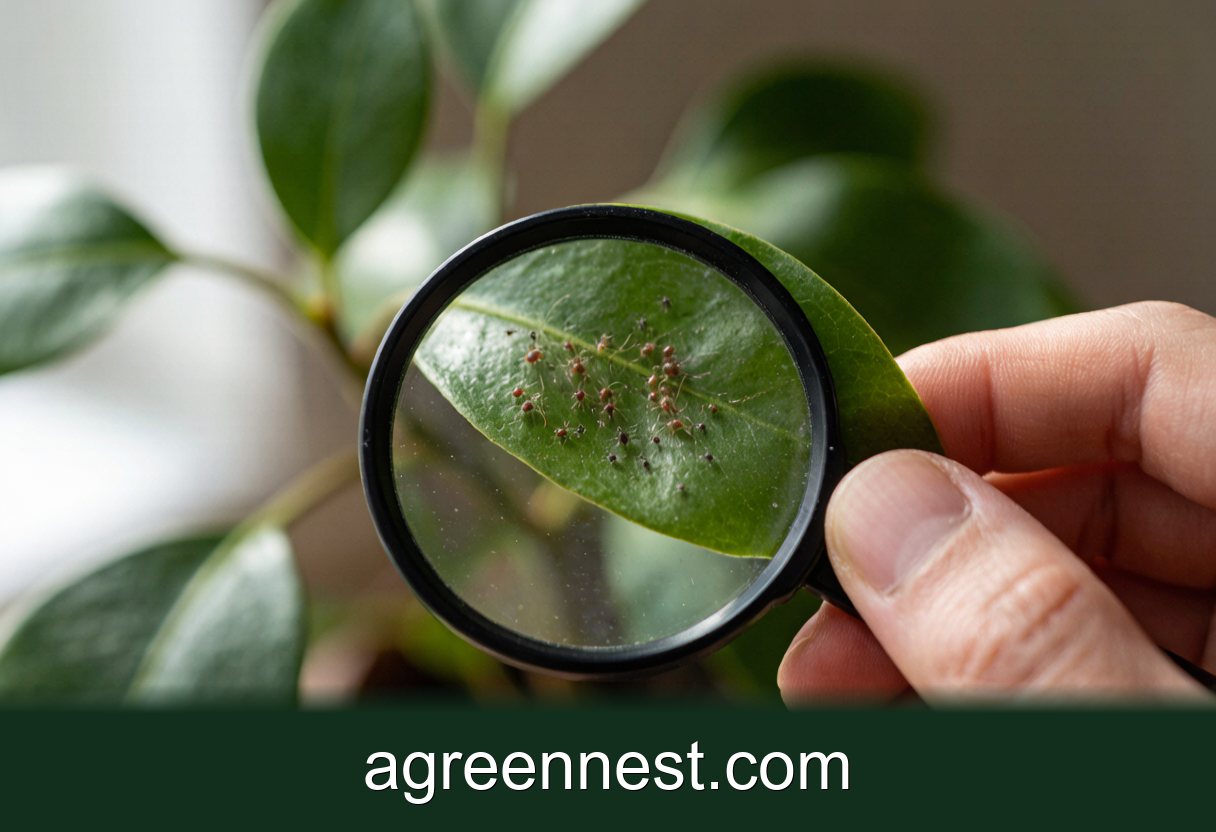
Oregon State University Extension publishes guidance that favors physical removal before chemistry. Their pamphlets describe cotton swabs dipped in 70% isopropyl alcohol as effective against soft-bodied scale. The method works because it contacts the pest directly and leaves almost nothing behind. NC State Extension repeats the same priority in its plant toolbox, listing inspection as the cheapest defense. Weekly checks under the leaves catch infestations at twelve to twenty specimens, long before they reach thousands. Early action shrinks both the damage and the need for spray. Researchers at land-grant universities agree that isolation outperforms reaction once a pest spreads. A simple hand lens reveals eggs that the naked eye would miss on a Wednesday evening. Gardeners who scout weekly report fewer chemical interventions across a single season. A magnifying glass turns a mystery speck into a named, treatable pest. Published thresholds help you decide when a spray is truly warranted, not merely convenient.
How Should You Mix a Pet-Safe Spray?
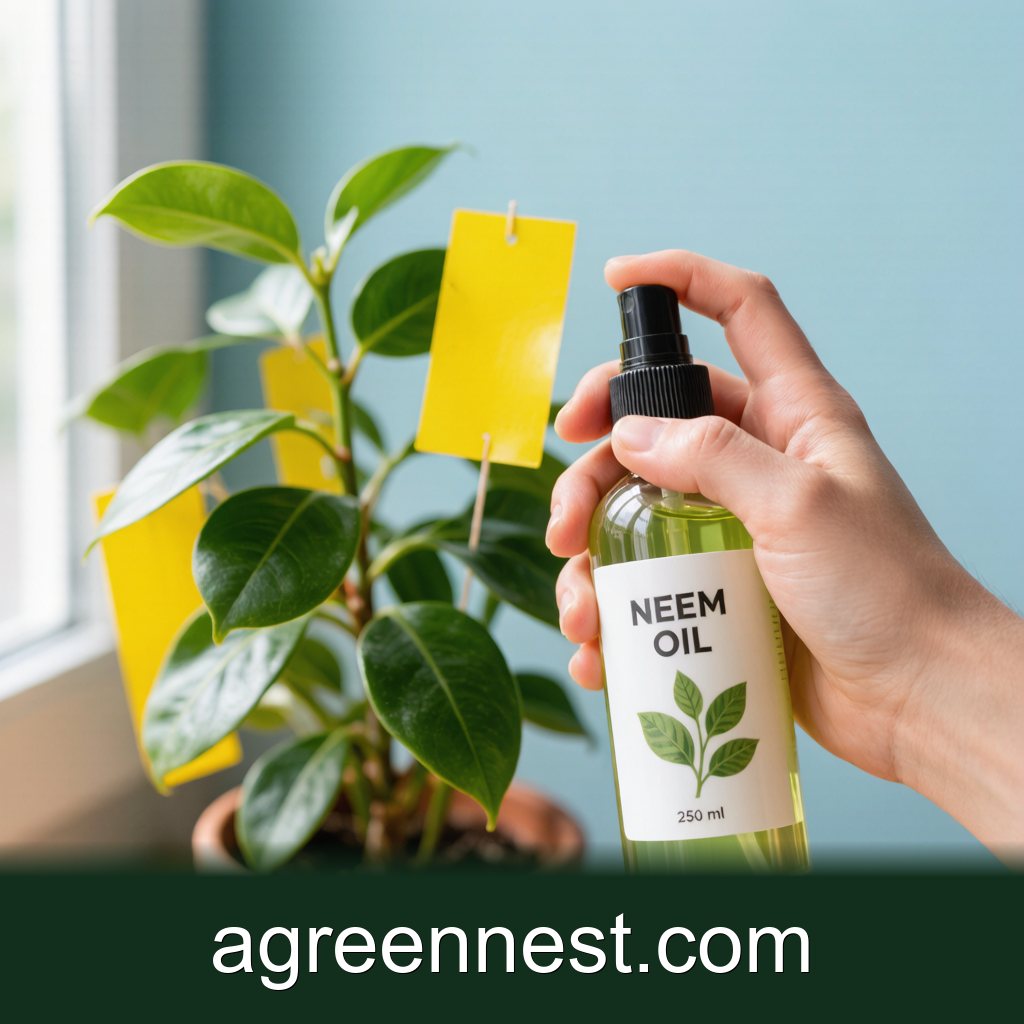
Neem oil remains the most studied botanical option for indoor use. Mix it at a rate of 0.5% to 2% by volume in water with a drop of mild dish soap as an emulsifier. Apply only to foliage the animal cannot reach, and wait for the leaves to dry fully before letting pets close. Insecticidal soap at 1% to 2% concentration breaks down the waxy coat of Tetranychus urticae, the two-spotted spider mite. Both products lose much of their bite once dry, which is why ventilation matters. Keep the room at 60 to 80°F (16 to 27°C) while treating, since cooler air slows drying and extends exposure. Test any mix on a single leaf and watch it for forty-eight hours before a full application. Dilution errors cause most household plant burns, so measure the concentrate with a syringe. Label every bottle with the date and the exact dilution you used. Store concentrates high and latched, away from the reach of a climbing cat. Rinse the sprayer after each use so the oil does not clog the nozzle overnight.
Which Pests Are the Real Repeat Offenders?
Coccus species, the soft scales, hide along stem joints where light is poor. Botrytis cinerea, a gray mold, appears when foliage stays wet and air stalls. Fungus gnats rise from soil that never dries between waterings. Each of these thrives on the same mistake: too much moisture and too little movement. Sticky traps catch the flying adults but solve nothing underground. The durable fix is airflow, spacing, and a watering schedule the plant actually needs. Mealybugs cluster in the leaf axils of Epipremnum aureum and similar vines, hidden from casual glances. Scale insects excrete a sticky honeydew that invites sooty mold on the leaf. Good hygiene, not a stronger spray, breaks the cycle in most homes. A weekly wipe of the leaves removes dust that pests use as a highway. Neem works best as a contact treatment, so coat both sides of each leaf.
When Does Quarantine Earn Its Keep?
New plants arrive carrying more than soil. A two-week isolation in a separate room caught three of my last five purchases with hidden thrips. Twelve to fourteen days is enough for most eggs to hatch and reveal themselves. Skip this step and you share one pest across every shelf you own. The cost is a spare corner and a little patience. Document each new arrival with a photo dated on arrival day for later comparison. A spare bathroom makes a fine temporary ward for a suspected plant. Note the date on a tag so the two weeks do not blur into forever. Warm, still air is the ally of pests, so a small fan helps more than people expect. Records of what you sprayed and where protect both plants and the pets sharing the room. Patience during the two week watch saves a whole collection from a single outbreak.
Frequently Asked Questions
Q: Is neem safe once the leaves dry?
A: Studies from extension services suggest the residue is low risk after drying, but keep pets off wet foliage until it is fully dry.
Q: My cat chews leaves. What should I do?
A: Move treated plants above reach and rely on manual removal with alcohol swabs instead of sprays.
Q: How often should I inspect?
A: Once every seven days, focusing on leaf undersides and stem joints where pests gather first.
Gentle, physical, and targeted control beats blanket spraying in a home with animals. The pest identifier tells you exactly what you are fighting before you reach for a bottle.
Recommended Tools for Plant Pests & Diseases Care
Free, no-signup helpers matched to this guide.
🔍 Free Tool
Pest & Problem Identifier
Pick the symptoms you see and get the likely culprit plus a fix.
Free Ebooks to Explore
Downloadable handbooks — no email required.
Free Ebook
The AGreenNest Succulent Care Handbook
The complete, beginner-to-confident guide to growing fat, happy succulents — 10 chapters and a 20-plant directory.
Free Ebook
Haworthia & Haworthiopsis Care Handbook
A focused guide to the striped, forgiving Haworthia clan.
Sources & further reading
GreenNest authors research and write every guide independently. The external links below are reputable references we recommend for deeper reading — they are not the sources we copied from.
- University of Minnesota Extension — U Minnesota Extension
- Oregon State University Extension — Oregon State Extension
- NC State Extension — Plant Toolbox — NC State Extension
Share Your Plant Story
Grown something tricky, or found a trick that finally worked? Tell us in the comments, or see what other readers are sharing on our Community page. The best reader tips get folded back into our guides.
Join the Conversation
Have a tip or a question about Pet-Safe Pest Control Indoors? Share it below — comments are saved on our server.