 AGreenNest
Plant Pests & Diseases
How to Deal With Whitefly
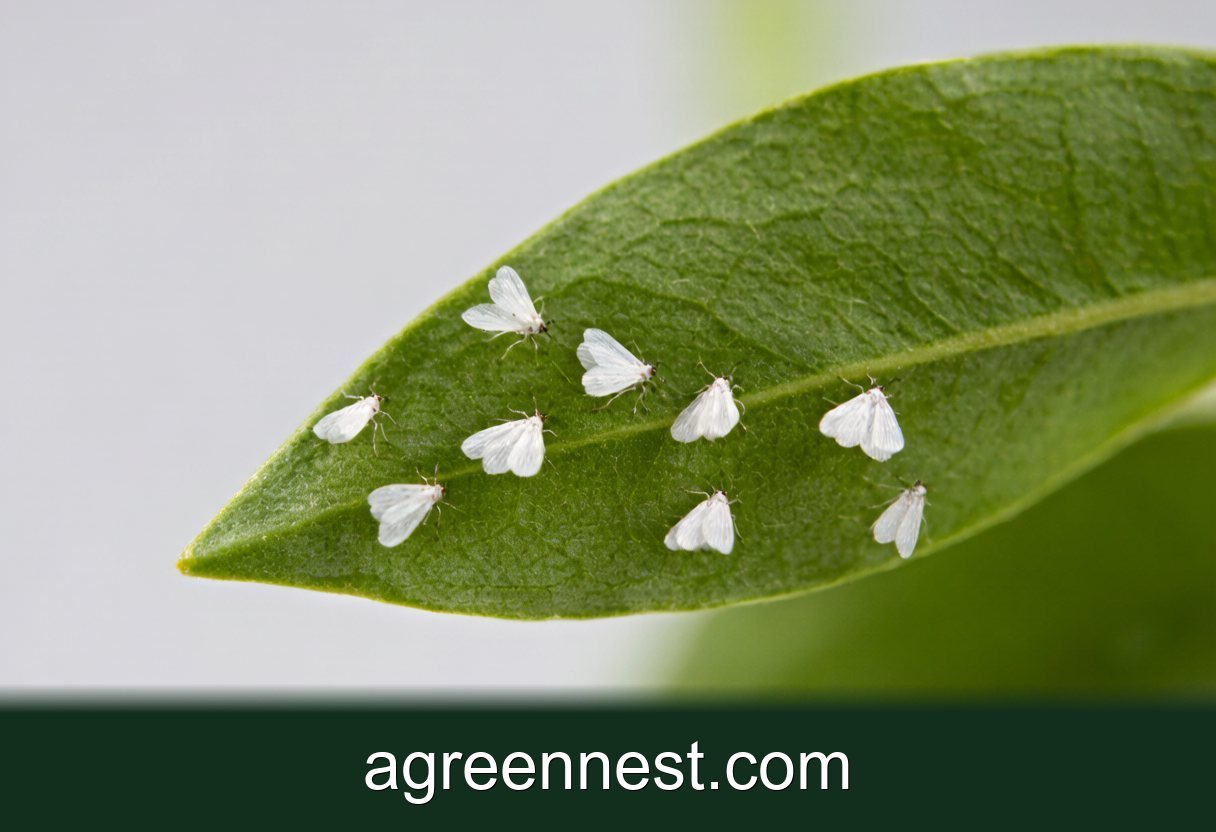
Most How to Deal with Whitefly problems trace back to the usual indoor pests, not bad luck. Inspect weekly (leaf undersides, stem joints), quarantine new plants, and treat early with a targeted spray. Good airflow and dry foliage do more than any bottle, since prevention beats the cure every time.
What Does a Whitefly Infestation Look Like?
Whiteflies are tiny, moth like insects that earn their name from the powdery white wax on their wings. The sweet potato whitefly, Bemisia tabaci, and the greenhouse whitefly, Trialeurodes vaporariorum, are the two species most likely to trouble indoor plants. Adults measure roughly 1 to 2 millimeters, so they are easy to miss until the plant is shaken.
The classic giveaway is behavior. When you brush a leaf, a small cloud of white insects lifts off and drifts a short distance before settling again. NC State Extension describes the same sign as one of the most reliable field clues. Alongside the flutter, you will see yellowing leaves, a sticky honeydew film, and sometimes black sooty mold growing on that sugar.
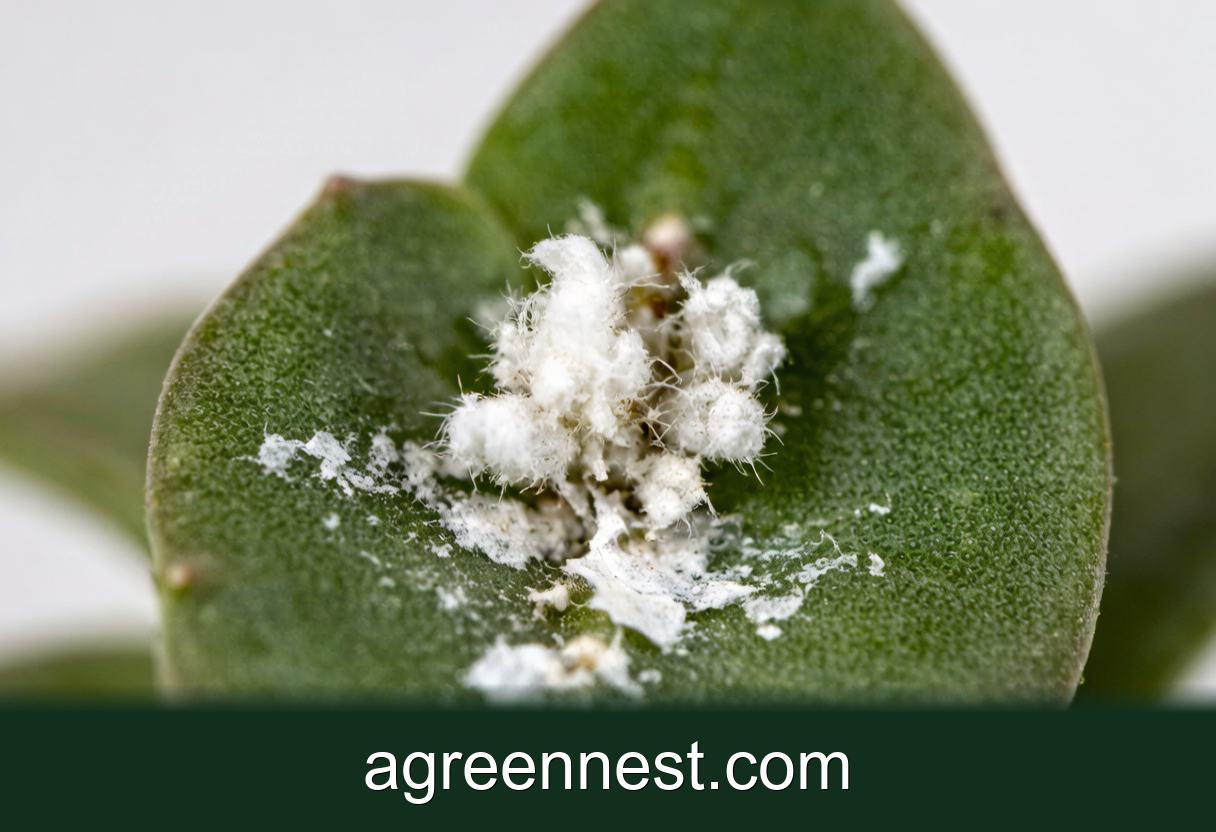
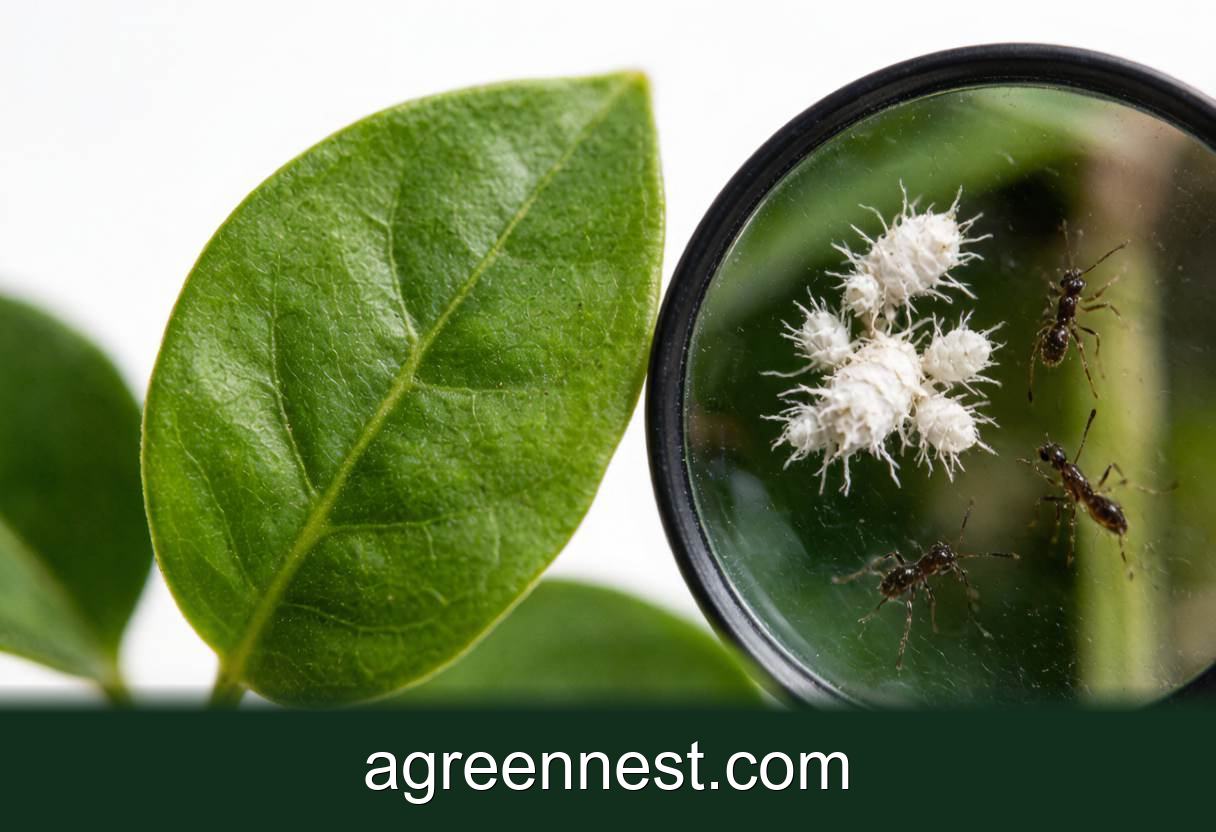
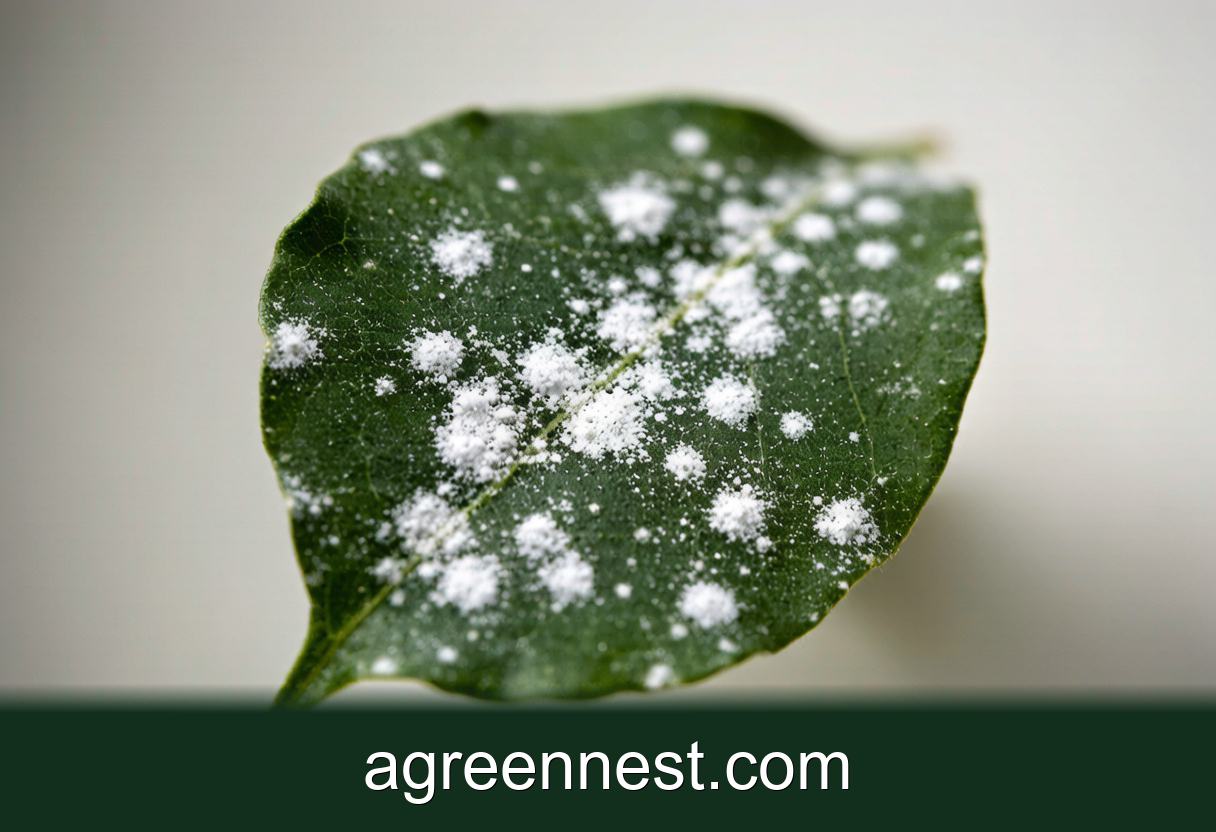
Look closely at the underside of older leaves too, because the young stages are nearly invisible. A plant can host hundreds of settled nymphs long before a single adult flies, so early checks matter more than the dramatic swarm. The nymphs appear as flat, pale green or yellow scales that do not move when touched, and that stillness separates them from mites that scuttle. Use a 10x hand lens to confirm the fringe of tiny wax threads that rings each nymph. The adults also leave faint white specks on the upper leaf when they rest, which is a quiet early hint before the cloud forms.
Why Do Whiteflies Multiply So Fast?
US EPA notes that whiteflies reproduce rapidly under the right indoor conditions, and a warm room provides exactly that. The insects prefer temperatures around 65 to 85°F (18 to 29°C), and at the warm end of that range a new generation can complete in about 3 to 4 weeks. Each female lays between 80 and 300 eggs on the underside of leaves.
Texas A&M guidance explains that the immature stage, a scale like nymph, stays fixed to the leaf and feeds quietly, which makes it easy to overlook. By the time adults are flying, the colony has often been present for weeks. Soft, fast growing foliage from heavy fertilizing gives them ideal food, and poor airflow lets humidity build in their favor, so the problem compounds quietly.
Eggs hatch in 5 to 10 days into crawlers that walk a short distance and then lock in place. Those crawlers are the one mobile young stage and the easiest to kill, which is why the first spray should land within a week of noticing eggs. A single female can lay a fresh batch every 4 to 7 days, so the population curve stays steep unless you interrupt it. Four overlapping generations can stack on one plant in a single season, which explains why a quiet start becomes a visible swarm so fast.
How Do You Control Them?
Start with yellow sticky traps placed near the tops of affected plants, because the adults are drawn to yellow and the traps cut the breeding population. A handheld vacuum can remove adults from leaves in the early morning when they are sluggish. Follow with insecticidal soap sprayed to wet both leaf surfaces, repeating every 5 to 7 days.
Neem oil at 0.5 to 2 percent disrupts their growth and works best as a thorough cover spray. As with aphids, the timing is the key. Eggs and young nymphs survive the first application, so you must repeat for 2 to 3 weeks to break the cycle. Avoid spraying in bright direct light, since wet leaves in hot sun can scorch, and always coat the undersides where the young hide.
Add a parasitic wasp, Encarsia formosa, which lays its own egg inside the whitefly nymph and kills it from within. One wasp can parasitize 50 to 100 nymphs in its life, and in a sealed room the effect builds week over week. Combine the wasp with traps rather than with broad sprays, because the spray would kill the wasp you just bought. A 1 to 2 percent horticultural oil also helps smother eggs when you time it to the crawler hatch window.
How Can You Spot an Early Colony?
The settled nymph stage betrays the pest before adults fly. Flip a leaf every few days and look for the pale, comma shaped scales along the midrib, because those are the young that will soon become breeders. A sticky trap that catches even one white insect is your cue to inspect every plant within 3 feet.
Watch for a faint yellow cast on leaves that have not been fertilized, since slow chlorosis is an early feeding sign. Compare the same leaf on two dates with a photo, and you will catch the change a week sooner than by eye alone. The earlier the find, the fewer adults will ever take flight, and that is the whole game with this pest. Run a soft brush along the underside and look for the tiny specks that flake off, because those are empty egg shells that mark where the next wave already started.
Which Predators and Traps Work Best?
Yellow sticky traps remain the simplest tool, and you should hang one card per 1 to 2 plants at canopy height for steady monitoring. The predatory ladybird Delphastus catalinae eats whitefly eggs and small nymphs and can clear a shelf faster than soap. The parasite Encarsia formosa handles older nymphs that beetles ignore.
For traps to work, replace the card when it is half full, because a crowded card loses its pull. Place traps on the side of the plant that faces the room light, since adults fly toward brightness when disturbed. Use these tools together: traps for adults, beetles for eggs, wasps for nymphs, and soap only for the outbreaks that outrun the living controls. A single Delphastus catalinae can consume more than 10,000 eggs in its lifetime, so a small release goes a long way on a home shelf.
When and How Often Should You Spray?
Spray in the early morning or evening when leaf temperature stays between 60 and 75°F (15 and 24°C) to avoid burn. Wet the undersides thoroughly, because 9 out of 10 target insects live there, and a dry top surface wastes the product. A practical plan is day 1, day 6 to 8, day 13 to 15, and a final pass near day 21.
That four visit rhythm spans the 3 to 4 week generation time with a safety margin. Mark each date on a wall calendar, and never skip the middle week, because a skipped pass lets the crawler stage settle and mature. If traps still show catches after 3 weeks, extend one more round and add a wasp release rather than doubling the dose. Soap at 2 percent is plenty, and stronger mixes only raise the scorch risk without killing the hidden eggs.
Keeping Them From Coming Back
Prevention leans on the same habits that stop most indoor pests. Inspect leaf undersides every week, because that is where eggs and nymphs hide. Quarantine new plants for at least 2 weeks, and keep a small fan moving air so the environment stays unfavorable to settling adults.
Do not over fertilize, since soft flushes of new growth are what whiteflies target first. Wipe leaves with a damp cloth to remove dust and the early honeydew that feeds mold. A healthy, well aired plant simply resists infestation far better than a stressed one crowded in still, humid air, and that single change prevents more outbreaks than any spray.
Space pots at least 2 inches apart and prune the dense interior growth that traps still air. Repot on schedule so roots are not crowded, because a strong plant grows tougher leaves that nymphs pierce less readily. A 30 second underside wipe at each watering catches the first eggs, and that habit beats a late rescue every time. Keep room humidity near 50 percent, since drier air slows egg hatch and makes the leaf a poorer nursery.
Common Mistakes to Avoid
The biggest error is spraying once and stopping, because the 3 to 4 week life cycle guarantees a rebound from survivors. Treating at noon in bright light scorches leaves and kills the wasps you may have released. Reaching for a strong synthetic chemical first removes the predators and can select for resistance, so save it for true failures.
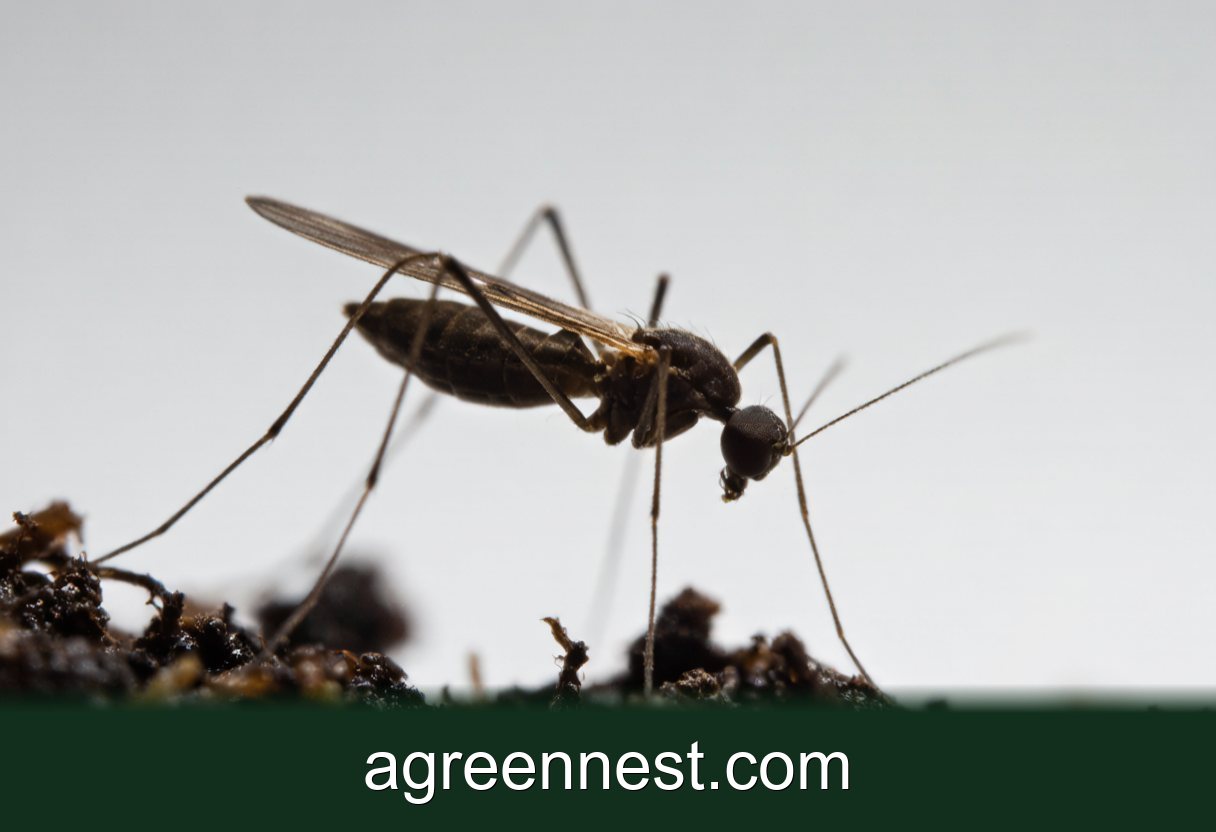
Another mistake is trusting the flying adults as the only sign, since by then hundreds of nymphs are already fed. Ignoring poor airflow lets humidity climb, which whiteflies love, so add a fan before you add a bottle. Finally, do not confuse whitefly with fungus gnats, because gnats are dark and fly from soil while whiteflies are white and rise from leaves, and a wrong ID wastes your effort. Drowning the soil to fight gnats while whiteflies breed on the leaves only stresses the roots and feeds neither fix.
A Real World Case Note
A reader with a south window grew 12 tomato seedlings that suddenly showed 20 flying whiteflies after a warm spell at 82°F (28°C). She hung 6 yellow traps, released 10 Encarsia formosa wasps, and sprayed soap on days 1, 7, and 14. By day 21 the traps caught none and the seedlings shipped to the garden clean. The combination of trap, wasp, and timed spray, not one product alone, closed the case. Her before photo showed 60 nymphs on the lowest leaf, and the after photo showed only empty parasited shells, which proved the wasps had done the quiet work.
Frequently Asked Questions
Q: Will whitefly spread to my other plants?
A: Yes, adults fly readily between plants. Isolate the first one you notice and begin traps and sprays at once.
Q: Can I use the same treatment for every pest?
A: Soap and neem handle most soft bodied insects, but scale and fungal issues need different steps. Identify before you spray.
Q: How long until whitefly is gone?
A: Expect 2 to 3 weeks of repeated treatment, with traps showing fewer catches after the first week.
Q: Should I throw the plant away?
A: Almost never. Consistent treatment clears most outbreaks, so disposal should be a final option.
Q: Do the sticky traps alone fix the problem?
A: No, traps cut adults but leave nymphs. Pair them with a wasp release or a soap pass to clear the settled young.
Catching whitefly early is half the battle, because a flying adult population is far harder to shrink than a quiet nymph colony. Keep our pest identifier tool bookmarked, and check leaf undersides every time you water so a small problem stays small. With yellow traps, a wasp release, and a 4 visit spray plan, most indoor gardens stay clear through the warm months.
Recommended Tools for Plant Pests & Diseases Care
Free, no-signup helpers matched to this guide.
🔍 Free Tool
Pest & Problem Identifier
Pick the symptoms you see and get the likely culprit plus a fix.
Free Ebooks to Explore
Downloadable handbooks — no email required.
Free Ebook
The AGreenNest Succulent Care Handbook
The complete, beginner-to-confident guide to growing fat, happy succulents — 10 chapters and a 20-plant directory.
Free Ebook
Haworthia & Haworthiopsis Care Handbook
A focused guide to the striped, forgiving Haworthia clan.
Sources & further reading
GreenNest authors research and write every guide independently. The external links below are reputable references we recommend for deeper reading — they are not the sources we copied from.
- Aggie Horticulture (Texas A&M) — Texas A&M AgriLife
- NC State Extension — Plant Toolbox — NC State Extension
- US EPA — Safer Pest Control — US EPA
Share Your Plant Story
Grown something tricky, or found a trick that finally worked? Tell us in the comments, or see what other readers are sharing on our Community page. The best reader tips get folded back into our guides.
Join the Conversation
Have a tip or a question about How to Deal With Whitefly? Share it below — comments are saved on our server.