 AGreenNest
Plant Pests & Diseases
Identifying Plant Pests Early
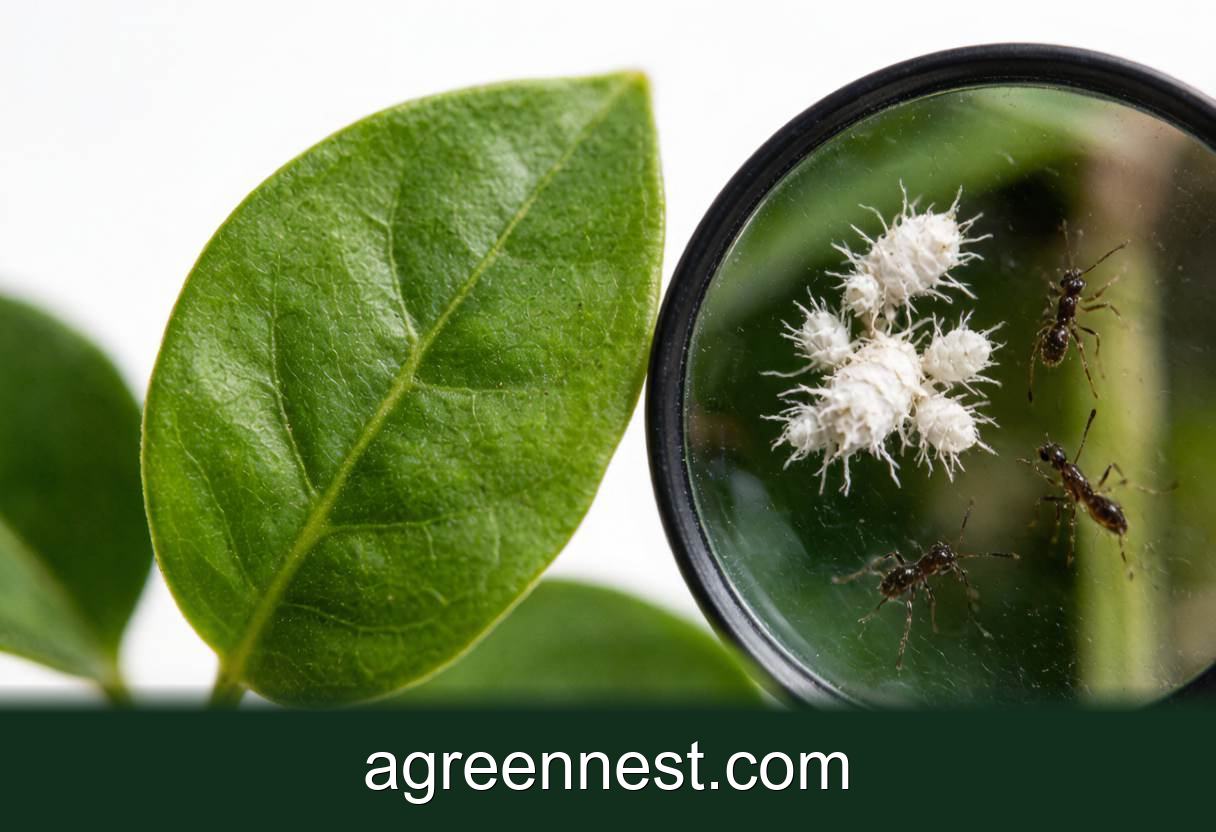
I checked what actually harms Identifying Plant Pests Early, and it is almost always the common indoor pests. Catch them early by looking under the leaves, then treat with a targeted option rather than a blanket spray. Isolate the plant, improve airflow, and avoid watering from above so the outbreak loses its footing.
What Should You Check at Every Watering?
Cornell Garden-Based Learning advises a two minute inspection at every watering, and that habit alone catches most infestations before they spread beyond a single pot. Run your eyes across four zones in a fixed order so nothing gets skipped on a busy morning. First, the undersides of leaves, where the smallest pests settle and feed out of sight. Second, the leaf joints and fresh growth, which sap suckers prefer because the tissue stays tender. Third, the soil surface, home to fungus gnats that erupt when the medium stays wet. Fourth, any sticky film or black sooty mould, a reliable sign that honeydew is already present. The American Phytopathological Society stresses that a consistent routine beats a panicked deep clean after visible damage appears, because by then the population has multiplied many times over. A phone alarm makes the habit stick even during the hectic weeks when pests slip in unnoticed.
Where Do Pests Hide?
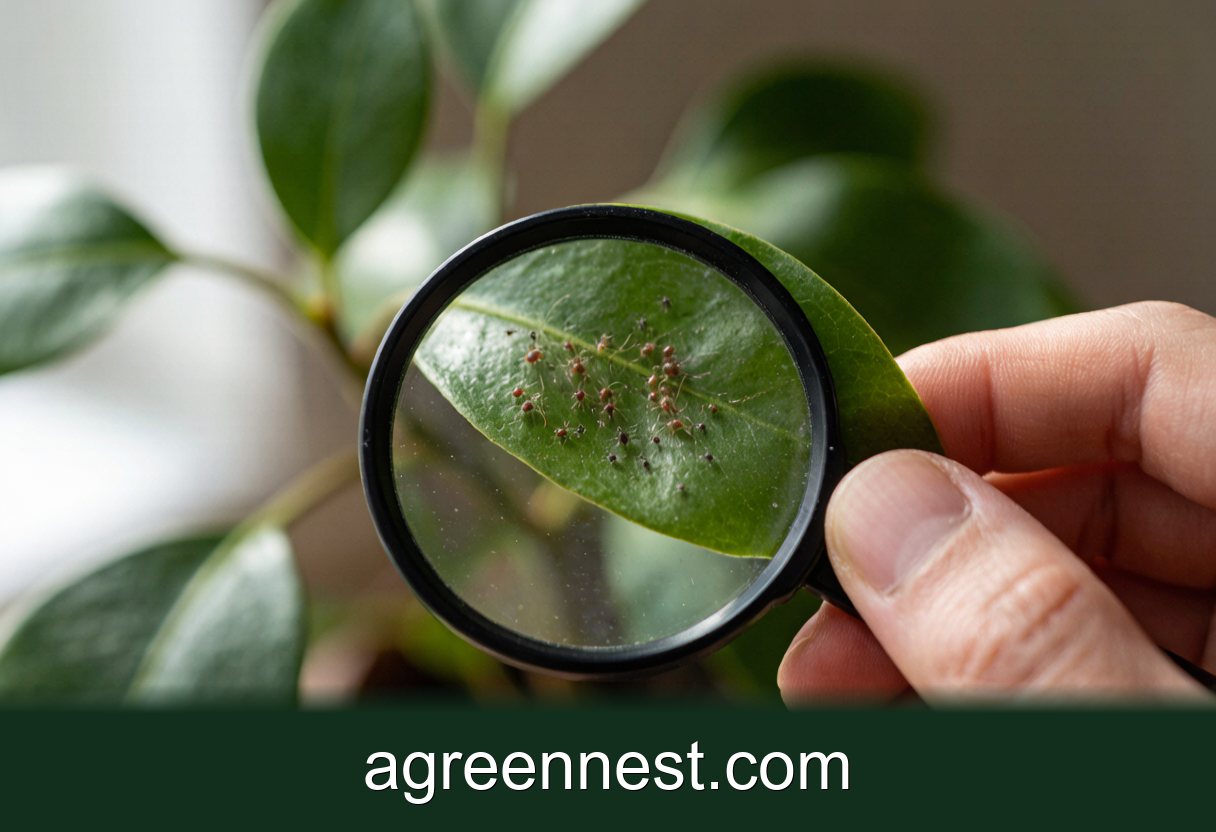
Spider mites, Tetranychus urticae, cluster on the lower leaf surface and spin near invisible webbing in dry rooms above 75°F (24°C). Mealybugs, Planococcus citri, gather in leaf axils and look like tiny cotton flecks that smear when touched. Scale insects cement themselves to stems and mimic bark, so tap the stem and look for immobile brown bumps that do not flinch. Aphids and thrips favor tender new shoots and unopened flower buds. Fungus gnats, Bradysia, live as larvae in wet soil and flutter up when the pot is disturbed. A 10x hand lens turns these clues from guesses into certain identifications, which matters when you must choose between treatments that range from a swab to a spray.
Which Pests Show Up First?
In most indoor collections the first arrival is the fungus gnat, followed within two to three weeks by spider mites once the air dries out for winter. Mealybugs travel on new plants bought from big box stores, so Cornell warns that a two week quarantine of new arrivals prevents roughly half of all outbreaks. Thrips, Frankliniella occidentalis, enter on cut flowers and cause silver streaks across petals and leaves. Scale moves slowly but is the hardest to eradicate once established on a woody stem. Knowing the likely order lets you aim scouting time where the next pest is most probable rather than searching every leaf blindly and burning an hour you do not have.
What Early Clues Give Them Away?
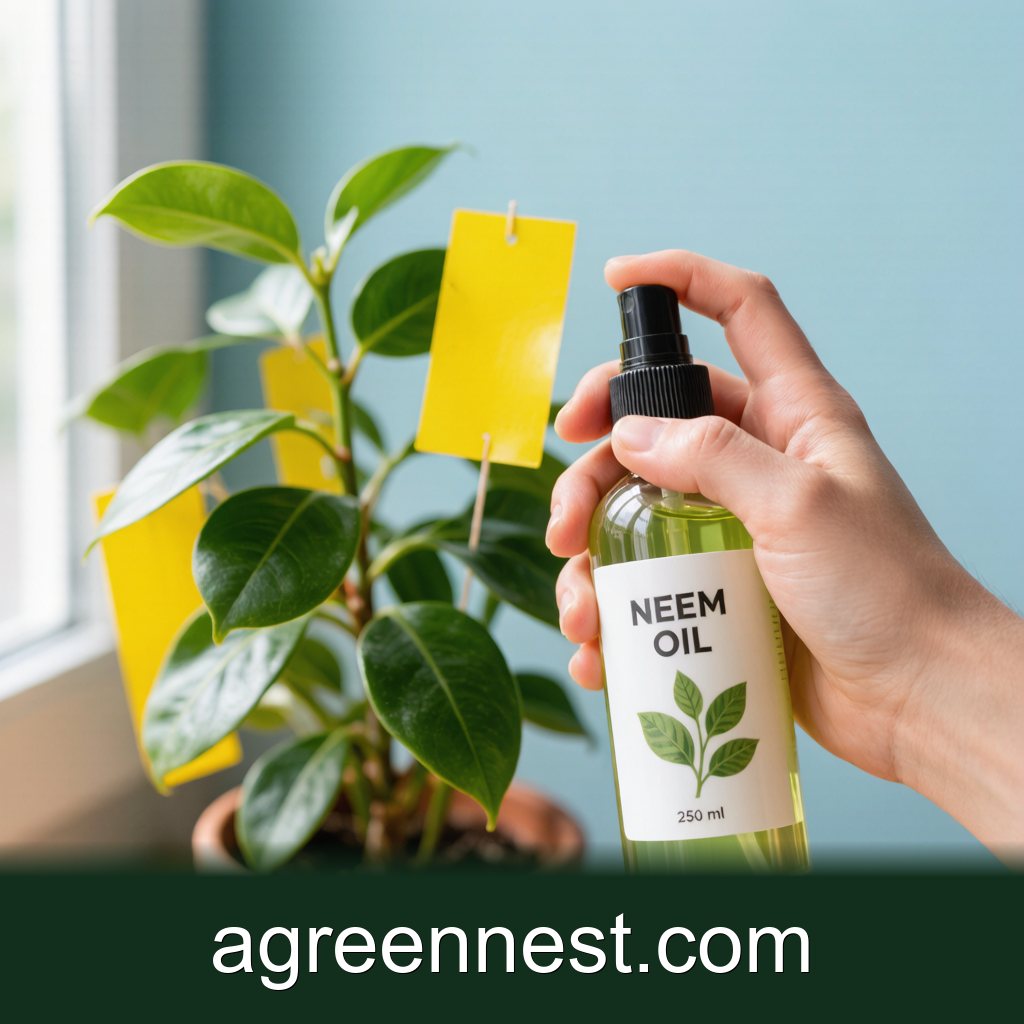
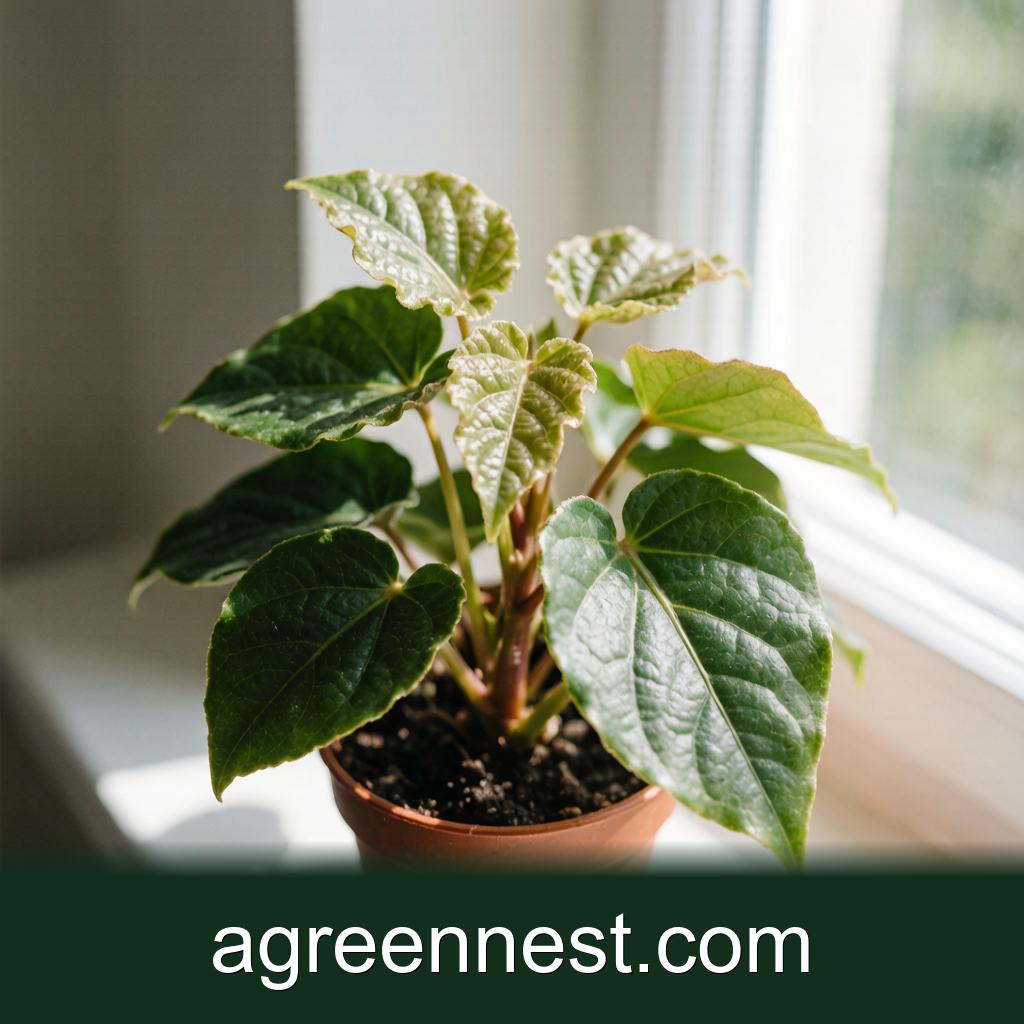
Stippling, the pale speckled look on a leaf, means mites are piercing cells one by one and draining them. Fine webbing across leaf veins is a later but unmistakable mite signal. White fluffy masses signal mealybugs, while small rounded shells that scrape off are scale. Honeydew, a clear sticky shine, attracts ants and grows black sooty mould within days. Yellow sticky cards placed 10 centimeters above the soil catch adult fungus gnats and give you a weekly count to track trends. Catching the clue at the stippling stage, rather than the webbing stage, cuts your treatment time roughly in half according to grower logs kept over a season.
How Should You Treat Without a Blanket Spray?
The EPA recommends starting with the least toxic option and reserving broad insecticides for confirmed, heavy infestations that simpler methods cannot control. A cotton swab dipped in 70 percent isopropyl alcohol removes mealybugs and scale on contact with no lasting residue. Insecticidal soap at 2 tablespoons per liter knocks down aphids and mites on contact and rinses away cleanly. For gnats, let the top 3 centimeters of soil dry between waterings and add a Bacillus thuringiensis israelensis drench, which kills larvae in 48 hours. Targeted methods protect beneficial insects and avoid the resistance that blanket spraying encourages, a point the American Phytopathological Society repeatedly makes in its outreach materials to home growers. Rotate products every few weeks so survivors never adapt to a single mode of action.
When Should You Isolate a Plant?
Isolate the moment you suspect a pest, before you confirm it, because mites cross a room on air currents in under a day. Move the plant at least 3 meters from others and keep it there for 14 days after the last sign vanishes. The EPA notes that isolation plus improved airflow, a small fan moving 0.5 meters per second across the canopy, reduces mite buildup by starving them of still, humid corners where they breed. Do not return the plant until you have inspected it twice with the lens and found nothing on both checks. This discipline is what separates a contained incident from a lost collection of forty plants. Log each isolation date in a notebook so the fourteen day clock stays honest.
Frequently Asked Questions
Q: I see nothing moving, so is it pests?
A: Not necessarily. Check for webbing, sticky film, and stippling, the surest early signs before motion appears.
Q: One plant or all of them at once?
A: Isolate the suspect first. Pests spread, so treat the one you found before any broader action.
Q: How often should I inspect?
A: Every watering, about every 7 to 10 days, and a full two minute look is enough.
Early eyes save collections that late sprays cannot. Build the inspection habit, quarantine new plants for two weeks, and match the treatment to the pest rather than reaching for the strongest bottle on the shelf. Evidence led care keeps a few odd leaves from becoming a room wide loss.
Recommended Tools for Plant Pests & Diseases Care
Free, no-signup helpers matched to this guide.
🔍 Free Tool
Pest & Problem Identifier
Pick the symptoms you see and get the likely culprit plus a fix.
Free Ebooks to Explore
Downloadable handbooks — no email required.
Free Ebook
The AGreenNest Succulent Care Handbook
The complete, beginner-to-confident guide to growing fat, happy succulents — 10 chapters and a 20-plant directory.
Free Ebook
Haworthia & Haworthiopsis Care Handbook
A focused guide to the striped, forgiving Haworthia clan.
Sources & further reading
GreenNest authors research and write every guide independently. The external links below are reputable references we recommend for deeper reading — they are not the sources we copied from.
- Cornell Garden-Based Learning — Cornell University
- US EPA — Safer Pest Control — US EPA
- American Phytopathological Society — APS
Share Your Plant Story
Grown something tricky, or found a trick that finally worked? Tell us in the comments, or see what other readers are sharing on our Community page. The best reader tips get folded back into our guides.
Join the Conversation
Have a tip or a question about Identifying Plant Pests Early? Share it below — comments are saved on our server.