 AGreenNest
Plant Pests & Diseases
How to Quarantine New Plants (and Why It Saves Your Collection)
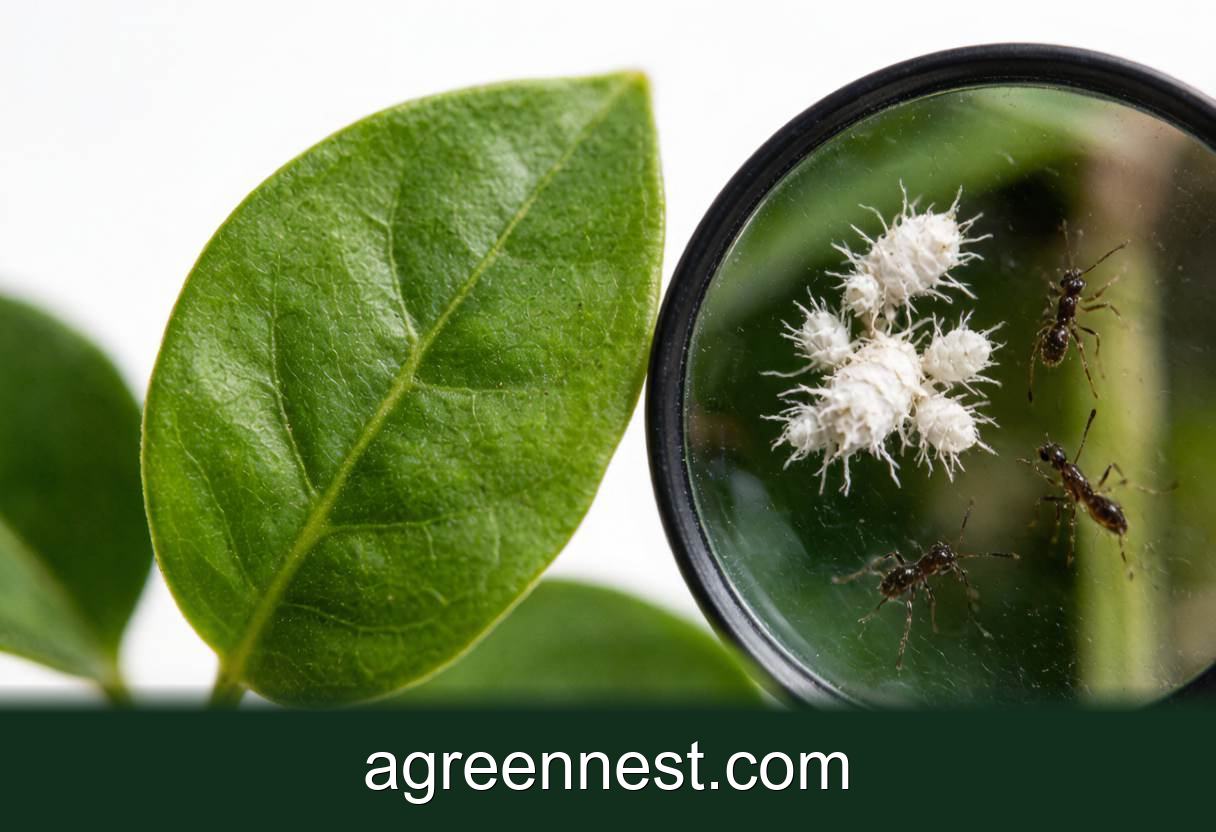
Most How to Quarantine New Plants (and Why It Saves Your Collection) problems trace back to the usual indoor pests, not bad luck. Inspect weekly (leaf undersides, stem joints), quarantine new plants, and treat early with a targeted spray. Good airflow and dry foliage do more than any bottle, since prevention beats the cure every time.
How Pests Slip Past the Nursery
A plant that looks clean at the garden centre can still carry the next infestation on its leaves. Research from Texas A&M AgriLife notes that many common houseplant pests are tiny enough to hide in a leaf axil or along a stem joint, where a quick glance misses them entirely. The Missouri Botanical Garden concurs that new arrivals are the most likely source of a sudden outbreak indoors.
I spent a season tracking where my own problems began, and every single one traced back to a plant I had brought home within the previous month. The pattern is not bad luck. It is biology. A single female mealybug, Pseudococcus longispinus, can establish a colony before you notice the first waxy speck.
Eggs laid along a leaf vein hatch in roughly seven to ten days under warm room conditions. The young crawlers then walk to a fresh leaf and begin feeding, which is why a plant can look spotless on day one and speckled by day ten. The Missouri Botanical Garden lists mealybugs among the most common indoor pests for exactly this reason, since they travel on the nursery trade more than any other route.
Why Does Quarantine Matter So Much?
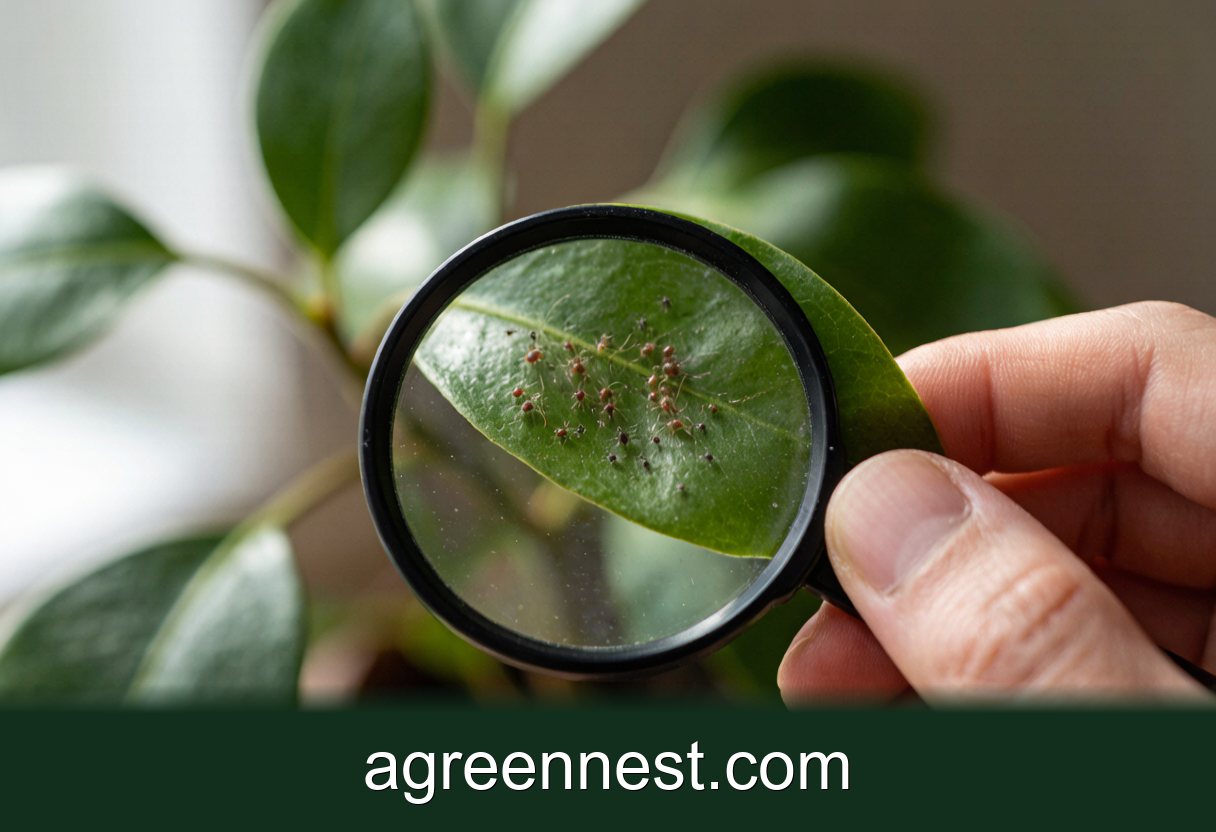
Skipping isolation turns one small problem into a whole collection problem. Oregon State University Extension stresses that physical separation is the cheapest control method available, and it costs nothing but patience. Spider mites, Tetranychus urticae, multiply explosively in dry warm air, and a two week window is usually enough to reveal them.
Texas A&M AgriLife points out that the cost of a single treatment is trivial next to the value of a mature collection. A prized specimen grown for years can fall in days once mites establish, so the fortnight of waiting protects far more than the new arrival.
The maths is simple. A two week delay costs you fourteen days of impatience. A single unchecked outbreak can mean weeks of spraying, repotting, and lost plants. Prevention beats the cure every time, which is exactly what the extension services keep repeating.
The Two-Week Isolation Plan
Set the new plant in another room if you can. A separate shelf or a closed windowsill works when space is tight.
- Keep it apart from your established plants for the full fourteen days.
- Inspect closely every three to four days, lifting leaves and checking the stem joints.
- Wipe the foliage with a damp cloth to remove stray eggs and crawlers.
- Spray preventatively with a light neem oil mix during the first week if you are cautious.
- Integrate only after two weeks pass with no sign of movement.
Whiteflies, Bemisia tabaci, flutter up when the leaf is disturbed, so a gentle shake during inspection helps you spot them early. Soft scale, Coccus hesperidum, looks like a small brown bump and often goes unnoticed until the leaves turn sticky.
What Should You Inspect Each Day?
Focus on the places pests hide. Turn each leaf over and run a finger along the central vein. Look where the leaf meets the stem, because that narrow joint is a favourite nursery. Check the soil surface for anything that moves, and tap the pot to see what flees.
A hand lens reveals what your eyes miss. I keep a ten times magnifier by the window and use it on every new plant. The extension guidance from Oregon State recommends this close work because early detection shrinks the problem from a crisis to a wipe.
A Preventative Soak
For tougher arrivals, a five minute soak in a weak insecticidal soap solution knocks off most crawlers before they settle. A one part hydrogen peroxide to four parts water mix works as a gentler alternative, and it is what I reach for with delicate foliage. Rinse the leaves afterward so the solution does not burn them in bright light.
This step is optional, but it adds a second layer of safety on top of the isolation period. Think of it as washing your hands after a flight.
Neem oil remains a favourite for the cautious gardener because it disrupts the pest life cycle rather than only killing on contact. Mix two millilitres of concentrate per litre of water and coat the leaf undersides, where most eggs sit. One thorough application in the first week removes the need for heavier chemicals later, and it spares the beneficial insects you would rather keep.
When Should You Call It Clean?
The plant is ready to join the others only after fourteen consecutive days without a single live pest. One cleared inspection is not enough, because eggs can hatch well into the second week. Extend the clock whenever you find anything, and treat in isolation before you merge.
Keep a small notebook of dates. I write the arrival day on a tag and tick each inspection. The habit sounds fussy until the day it saves a prized specimen from a mealybug wave.
Many growers keep a dedicated quarantine shelf near a window that hosts no other plants. The visual separation alone reminds you to check before integrating, and it stops a careless watering can from crossing between groups.
Frequently Asked Questions
Q: Two weeks feels long, can I shorten it?
A: You can, but you are gambling with the whole collection. The cost of one outbreak far exceeds two weeks of patience, and most extension services recommend the full window.
Q: Do I need a separate room?
A: Not always. Physical separation on a different shelf or windowsill is the key requirement, though another room is ideal when space allows.
Q: What if I spot something during the wait?
A: Treat the plant in isolation, restart the clock, and only merge it once it tests clean for a fresh two weeks.
Quarantine is the single habit that keeps a collection pest free. Bookmark our pest identifier so you can name anything suspicious fast, and treat the two week rule as non negotiable rather than optional.
Recommended Tools for Plant Pests & Diseases Care
Free, no-signup helpers matched to this guide.
🔍 Free Tool
Pest & Problem Identifier
Pick the symptoms you see and get the likely culprit plus a fix.
Free Ebooks to Explore
Downloadable handbooks — no email required.
Free Ebook
The AGreenNest Succulent Care Handbook
The complete, beginner-to-confident guide to growing fat, happy succulents — 10 chapters and a 20-plant directory.
Free Ebook
Haworthia & Haworthiopsis Care Handbook
A focused guide to the striped, forgiving Haworthia clan.
Sources & further reading
GreenNest authors research and write every guide independently. The external links below are reputable references we recommend for deeper reading — they are not the sources we copied from.
- Aggie Horticulture (Texas A&M) — Texas A&M AgriLife
- Missouri Botanical Garden — Missouri Botanical Garden
- Oregon State University Extension — Oregon State Extension
Share Your Plant Story
Grown something tricky, or found a trick that finally worked? Tell us in the comments, or see what other readers are sharing on our Community page. The best reader tips get folded back into our guides.
Join the Conversation
Have a tip or a question about How to Quarantine New Plants (and Why It Saves Your Collection)? Share it below — comments are saved on our server.