 AGreenNest
Low-Light Indoor Plants
Trailing Plants for High Shelves
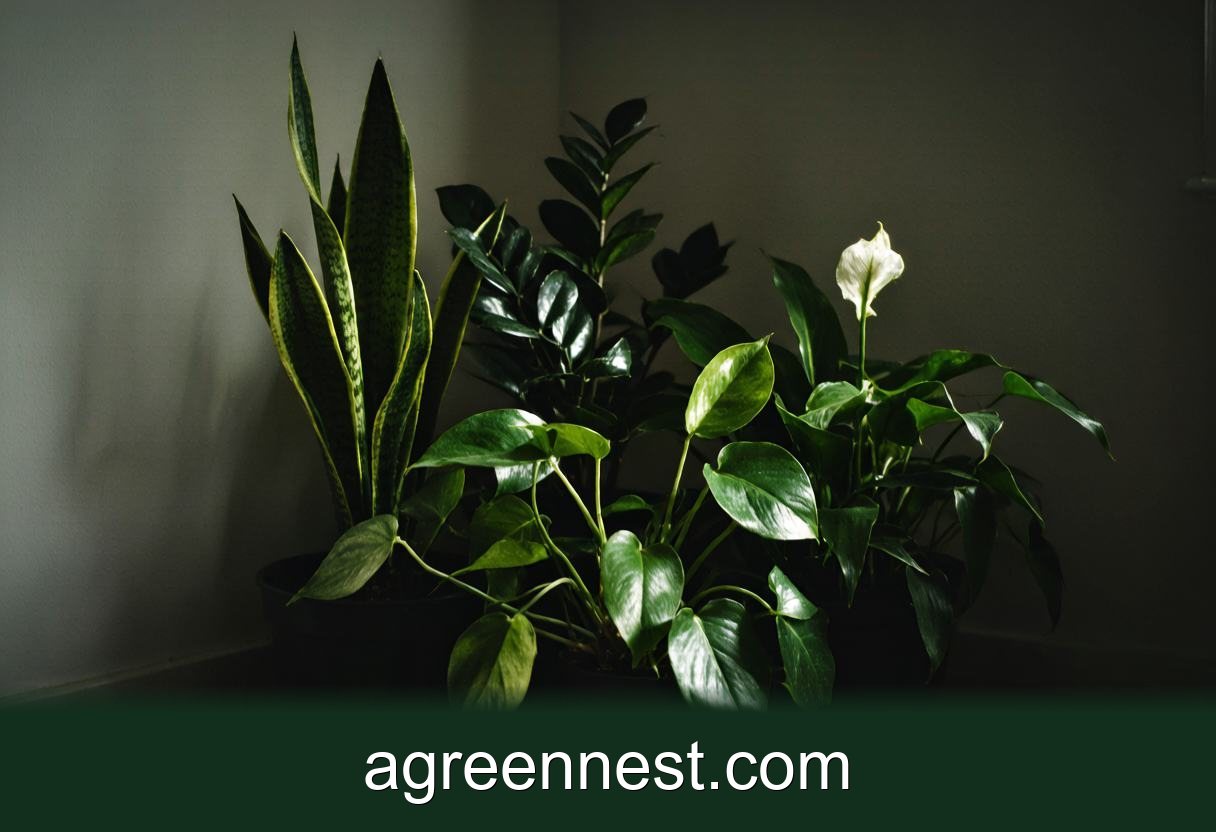
Do not overthink Trailing Plants for High Shelves. It thrives in bright, indirect light and asks for little: water when the top layer of soil dries (when the top 2-3 cm of soil feels dry), and keep it away from harsh midday sun.
Why Shelves Love Trailers
A bare bookshelf used to embarrass me until I let plants spill over the edge. Trailing species turn dead space into a soft green waterfall that moves when the window draft catches it. The effect costs little because most of these vines forgive inconsistent care. Visitors always notice the shelf before the centerpiece on the table. That small win is why I start new plant friends with a hanger rather than a fussy fern. Height also keeps pots away from toddlers and trailing cats. Renter friendly shelves need no drilling if a tension rod holds the pots. Guests often ask which plant is fake, a compliment to how lush the trailers look. A trailing shelf also softens noise, a small bonus I did not expect. Small homes gain a garden without losing a single table or counter. A shelf at eye level shows the plants to guests better than a plant hidden on the floor. Trailers also frame a doorway or a window without taking up walking space.
Which Vines Belong Up High?
Epipremnum aureum grows almost anywhere and shrugs off a missed watering. Philodendron hederaceum drapes heart-shaped leaves in a calm, even curtain. Ceropegia woodii threads thin silver-veined vines that look like jewelry. Chlorophytum comosum arches bright babies that dangle and beg to be shared. Ficus pumila creeps along a shelf back with tiny, tidy leaves. Hoya carnosa rewards patience with waxy leaves and, in time, scented clusters. Peperomia 'Hope' stays compact and trails like a succulent cousin. Each of these asks for bright indirect light and a little patience. Two of these, the pothos and the philodendron, root in a glass of water within a week. Spider plant babies root so easily that a friend will leave with a new pot. Choose by the light you have, then let the trailer do the decorating. Most of these cost little, so a rookie can fill a shelf without a big spend.
How Do You Keep Them Full, Not Bald?
Bare crowns happen when all the energy runs to the tip. Pinch the growing point every few weeks so side shoots compete for the light. More brightness at the top tells the plant to branch instead of race downward. I rotate my shelf plants a half turn each month to even out the lean. A single long vine looks lonely, so start two cuttings in one pot for instant fullness. Trim only when a trail turns truly leggy, then root the cutting you removed. Bright tops mean the plant spends energy on leaves, not just on the longest vine. A monthly turn keeps the curtain even instead of leaning toward the window. Older trails thicken and darken, a sign the plant is happily settled in. A second plant behind the first hides the bare crown while the front fills in.
What Light Makes the Difference?
North and east windows suit the shy trailers that scorch in hot sun. Epipremnum aureum tolerates a dim room but grows slower and loses its variegation there. Aim for four to six hours of gentle morning light across the top of the shelf. A small LED grow strip clipped to the underside adds twelve to fourteen hours of dim aid in winter. Leaves reaching upward signal hunger for more light, not less water. Watch the newest growth; it tells the truth faster than the old leaves. East light is kinder than west because it misses the scorching afternoon beam. Pale new leaves ask for more food, so a weak feed helps in active growth. A timer on the grow strip keeps winter light steady without daily thought. Sheer curtains turn a harsh west window into safe, filtered brightness for tender leaves.
When Should You Water a Shelf Plant?
Let the top two to three centimeters of soil dry before the next drink. In a warm room that is every seven to ten days; in cool months, stretch to two weeks. Water until it runs from the hole, then empty the saucer so roots never sit wet. Shelf plants dry faster than floor plants because air moves around the pot on all sides. Humidity between 40% and 60% keeps leaf tips from browning on Ceropegia woodii. A finger test beats a fixed schedule every single time. Most trailers stay content in a room held near 65 to 75°F (18 to 24°C). Cool bedrooms slow drying, so check the soil before the usual Saturday pour. Brown tips often cried for humidity weeks before the damage showed. Group the shelf plants so one watering round covers them all at once. Self watering pots help forgetful owners, but check the reservoir so roots never drown. A saucer of pebbles under the pot lifts humidity a little on dry winter days.
Frequently Asked Questions
Q: How do I make my trails fuller?
A: Give the crown more light and pinch the tips every few weeks to force branching.
Q: The top is bare but the ends are long. Why?
A: The crown lacks light. Move the plant brighter or add a small grow light above it.
Q: Can I propagate the trails?
A: Yes. Lay a node on moist soil or root a cutting in a jar of water for two to three weeks.
Trailing plants are the easiest way to fill vertical space with life. Set a watering reminder with the care schedule tool and enjoy the curtain.
Sources & further reading
GreenNest authors research and write every guide independently. The external links below are reputable references we recommend for deeper reading — they are not the sources we copied from.
- Royal Botanic Gardens, Kew — Kew Gardens
- UF/IFAS Gardening Solutions — UF/IFAS
- NC State Extension — Plant Toolbox — NC State Extension
Recommended Tools for Low-Light Indoor Plants Care
Free, no-signup helpers matched to this guide.
Free Ebooks to Explore
Downloadable handbooks — no email required.
Share Your Plant Story
Grown something tricky, or found a trick that finally worked? Tell us in the comments, or see what other readers are sharing on our Community page. The best reader tips get folded back into our guides.
Join the Conversation
Have a tip or a question about Trailing Plants for High Shelves? Share it below — comments are saved on our server.