 AGreenNest
Low-Light Indoor Plants
Wax Plant Care Guide (Hoya carnosa)
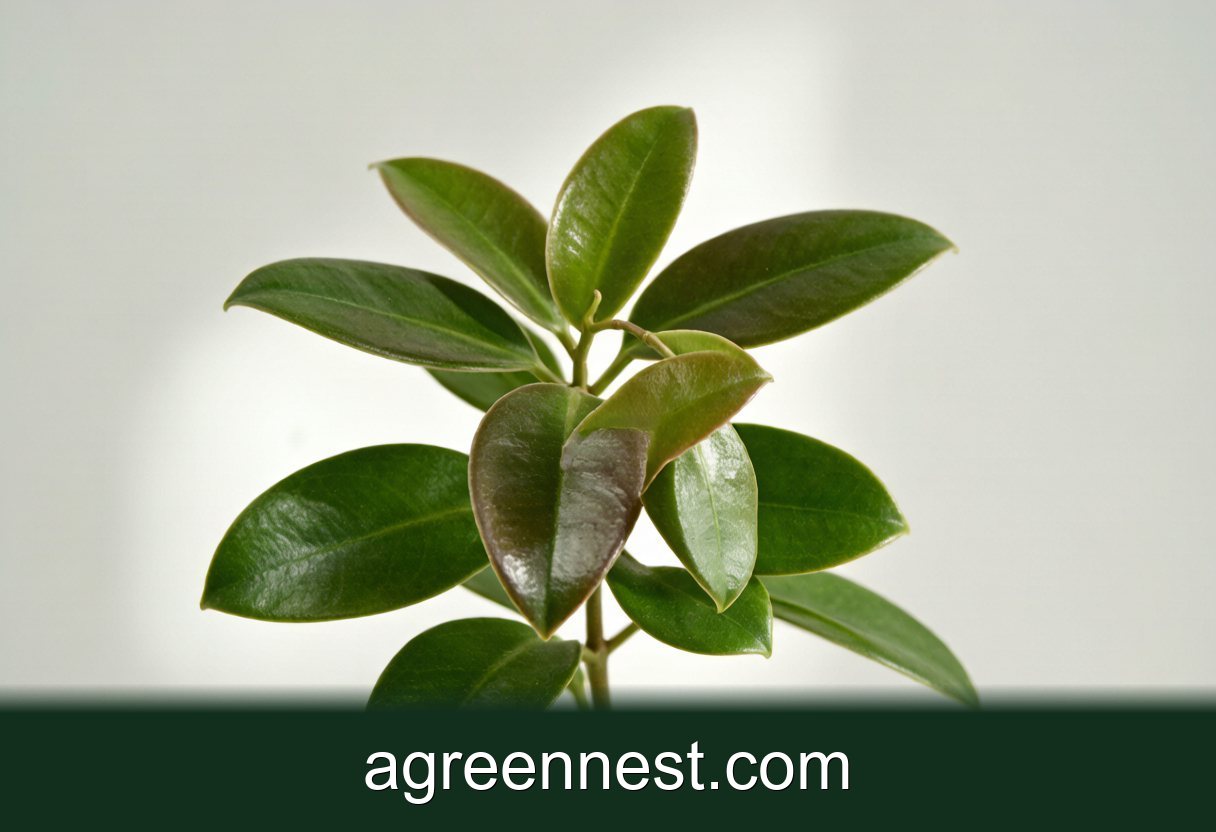
Wax Plant Care Guide (Hoya Carnosa) is built for dim rooms. It tolerates bright, indirect light and actually suffers in hot direct sun. Water when the top 2-3 cm of soil feels dry (16 days between waterings), and keep humidity modest. A north or east window, or a few feet back from a bright one, is the sweet spot.
Wax Plant at a Glance
| Care factor | What Wax Plant wants |
|---|---|
| Light | bright indirect light, with a little gentle morning or evening sun |
| Water | water deeply only when the soil has dried out completely, roughly every 16 days in the growing season, and far less in winter |
| Temperature | comfortable around 60 to 85°F, or 16 to 29°C |
| Humidity | average home humidity is fine |
| Soil | a standard peat-free houseplant mix |
| Difficulty | straightforward with the basics right |
| Pet safe | yes, it is generally regarded as pet-safe |
Hoya carnosa has been part of my home for nearly a decade. My first one came from a flea market, a leggy thing with two leaves and a quiet hope attached. It is now a curtain of glossy green that fills a south facing window with life. The plant earns its common name from the waxy look of both leaves and flowers. When it blooms, the star shaped clusters drip a sweet nectar that can stick to the sill if you forget to wipe it.
Beginners often worry they will kill it through kindness. The truth is that this species prefers a little neglect over fuss. Give it the right light, a sparing watering rhythm, and a pot that drains, and it will outlast most of the trendier plants on your shelf. A patient keeper gets flowers, sometimes in the second or third year, and the show is worth the wait.
Light Needs
Wax Plant wants bright indirect light, with a little gentle morning or evening sun. A north or east window suits it beautifully. If you only have a bright south window, set the pot a few feet back from the glass so the midday beam does not scorch the leaves. A young plant of mine dropped three leaves after a week of full July sun, which taught me the lesson faster than any book.
Grow lights work well too. Hang a simple LED panel about 12 inches above the foliage and run it for 12 to 14 hours a day in winter, when natural light is weak. The flowers form on spurs that grow from old stem joints, so do not prune those nubs after blooming. That small habit is the difference between a plant that flowers every year and one that never does.
How Often Should You Water It?
Water deeply only when the soil has dried out completely, roughly every 16 days in the growing season, and far less in winter. In my apartment that usually means a thorough soak every two to three weeks from spring through early autumn. During the cold months I cut back to once every five or six weeks, sometimes longer if the room is cool.
The safest test is your finger. Push it two to three centimeters into the mix. If you feel dampness, wait. If it is dry to the second knuckle, water until liquid runs from the drainage hole, then empty the saucer. A small notebook where I note each date keeps me honest about the rhythm. Over the years that simple log has prevented more root rot than any gadget I own.
Soil and Pot
Use a standard peat-free houseplant mix, but loosen it with extra drainage material. I blend 1 part perlite to 2 parts potting soil, then add a handful of orchid bark for airflow. A pot with a real drainage hole is non-negotiable. Sitting in water is the fastest way to lose a Wax Plant, because the roots rot within days once they are cold and wet.
Terracotta is my go to choice. It breathes, which lets the root ball dry between drinks, and the weight keeps a trailing plant from tipping. Choose a container only one size up from the current one. These plants like to be a little snug, and a vast pot holds moisture longer than the roots can use.
What Temperature Does It Like?
It is happiest between 60 and 85°F, which is 16 to 29°C. Average home humidity is fine, so you rarely need a humidifier. My own plant lives in a room that sits around 68°F in winter and 76°F in summer, and it has never complained. Just keep it away from drafty vents and the cold glass of a window in deep winter, since a sudden chill can brown the leaf tips.
If you move it outdoors for summer, wait until nights stay above 55°F, or about 13°C. Bring it back in before the first frost. A gentle week of partial shade helps it adjust to the stronger light outside, and the fresh air seems to toughen the leaves for the season ahead.
How to Propagate Wax Plant
The easiest method is with a stem cutting. Take a six inch piece that includes at least two leaf nodes, then strip the lower leaves. Let the cut end dry for a day or two so a callus forms, which protects against rot. Root it in a jar of water or directly in moist perlite, and keep it out of hot sun while it settles.
Roots usually appear within three to four weeks. I wait until they are an inch long before potting up. Be patient with the first watering of a new cutting. A barely moist mix is better than a soggy one while the young roots are still fragile, and a little restraint now saves a lot of heartache later.
Common Problems and Fixes
Leaning or stretched growth means it wants more light. Move it brighter or add a grow light, and the new growth will be compact. Mushy, yellow leaves at the base point to overwatering. Let the soil dry out completely and check the roots for black, soft sections, trimming any you find. Brown, crispy edges usually signal low humidity or salt build up from fertilizer. Flush the soil with plain water every few months and raise humidity a little near the plant.
Frequently Asked Questions
Q: How often should I water Wax Plant?
A: Water deeply only when the soil has dried out completely, roughly every 16 days in the growing season, and far less in winter. Always check with your finger first, since the calendar is only a rough guide.
Q: Is Wax Plant safe for pets?
A: Yes, it is generally regarded as pet safe, though I still keep mine on a high shelf so a curious cat cannot knock it over.
Q: Why are the leaves changing colour?
A: A little colour shift with the seasons is normal. Dramatic scorch means too much direct sun, while fading to plain green means it wants more light.
Wax Plant rewards a little attention with years of easy beauty. Mine has outlived two jobs, three apartments, and a stubborn phase when I watered everything far too much. For a personalised schedule, try our free watering calculator and pair it with the light calculator to pick the perfect spot. Give it time, and it will give you flowers.
Sources & further reading
GreenNest authors research and write every guide independently. The external links below are reputable references we recommend for deeper reading — they are not the sources we copied from.
- Missouri Botanical Garden — Missouri Botanical Garden
- Cornell Garden-Based Learning — Cornell University
- Royal Horticultural Society — Houseplant care — RHS
Recommended Tools for Low-Light Indoor Plants Care
Free, no-signup helpers matched to this guide.
Free Ebooks to Explore
Downloadable handbooks — no email required.
Share Your Plant Story
Grown something tricky, or found a trick that finally worked? Tell us in the comments, or see what other readers are sharing on our Community page. The best reader tips get folded back into our guides.
Join the Conversation
Have a tip or a question about Wax Plant Care Guide (Hoya carnosa)? Share it below — comments are saved on our server.