 AGreenNest
Low-Light Indoor Plants
Epipremnum Care: 2 Species for Beginners
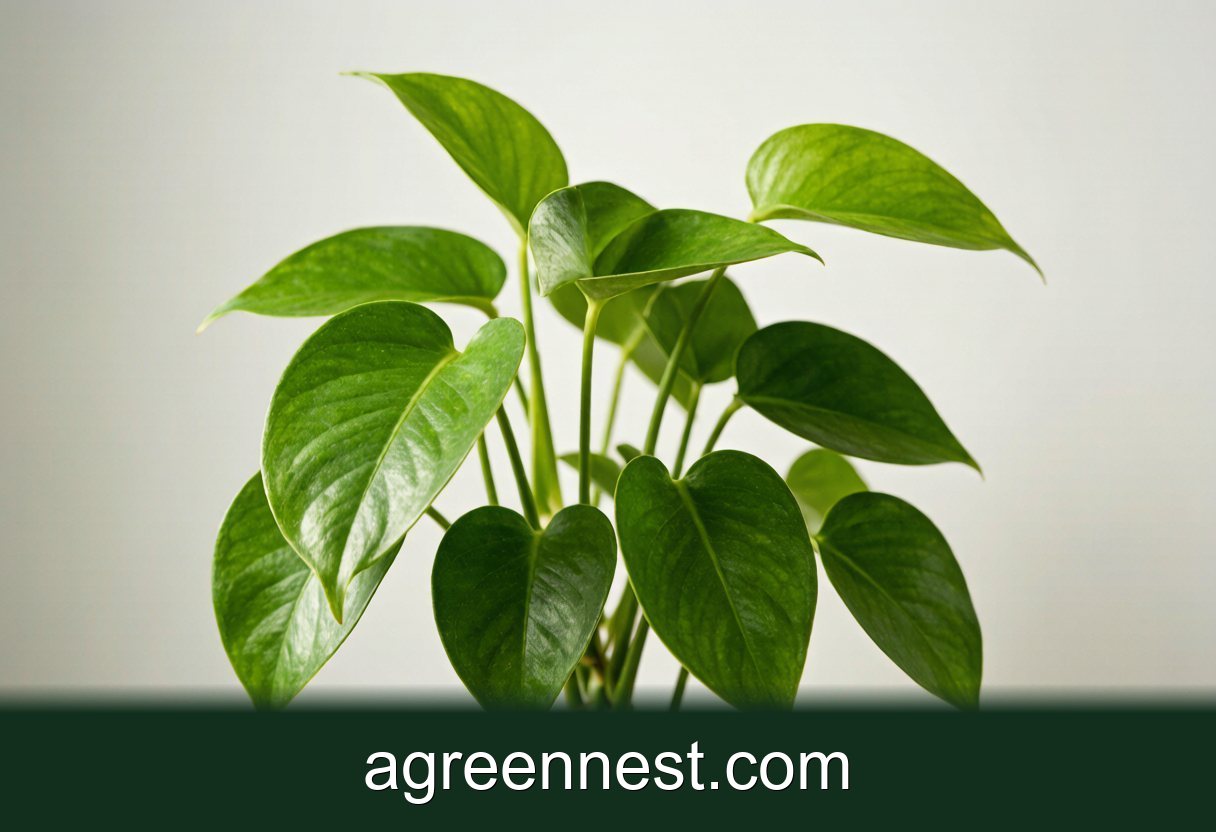
Do not overthink Epipremnum. It thrives in bright, indirect light and asks for little: water when the top layer of soil dries (when the top 2-3 cm of soil feels dry), and keep it away from harsh midday sun. A slightly lean soil and a stable, warm spot are all it needs to look good through the year.
Epipremnum Care: 2 Species for Beginners
Few houseplants forgive neglect as cheerfully as Epipremnum, and that is why it sits on so many first-time windowsills. I still keep a Golden Pothos in my kitchen, where it trails toward the sink and asks for almost nothing. The two forms below are both Epipremnum aureum, but their looks could not be more different. One is solid green, the other is splashed with creamy white.
This round-up keeps things simple by focusing on two popular cultivars of the same species. Growing them side by side shows you how much a single plant can vary. You learn the family rhythm without juggling unrelated care sheets. A beginner can keep both happy with the same routine.
Meet the Epipremnum Family
Bright, indirect light and a forgiving watering habit define Epipremnum culture. These are vining aroids that climb in the wild, so they appreciate a moss pole or a simple hook to trail from. Most homes offer enough ambient light for steady growth, which is rare among leafy plants. The genus shrugs off dry air and the occasional missed watering.
Collecting a genus is a fun way to learn one plant family in depth. You start to read leaf colour like a mood ring. A single pale leaf tells you more than a paragraph of advice. With Epipremnum, the feedback arrives fast because growth is quick. Often the only real risk is overwatering out of misplaced love.
Epipremnum aureum: The Golden Pothos
The classic Epipremnum aureum carries heart shaped green leaves marbled with yellow. It is the workhorse of the houseplant world and the plant I hand to nervous friends. Give it bright, indirect light, though it tolerates a dim corner better than almost any rival. A north or east window suits it perfectly through the year.
Water when the top two to three inches of soil feel dry, which works out to roughly every 7 to 12 days in summer. In winter the interval stretches to 14 to 21 days as growth slows. Keep the temperature between 65 and 85°F (18 and 29°C) for steady leaves. Wipe the foliage with a damp cloth every 21 days to keep photosynthesis humming.
Feed lightly, about once a month in spring and summer with a half strength liquid fertilizer. Stop feeding entirely from late autumn through early spring. Overfeeding produces soft, leggy growth that flops instead of climbing.
Epipremnum aureum 'Marble Queen': The Marble Queen Pothos
The Marble Queen is the same species dressed in white, with leaves splashed in creamy variegation. Epipremnum aureum in this form needs a little more light to hold its pattern, because white tissue carries no chlorophyll. Place it closer to the window than its green cousin. A bright east sill keeps the contrast crisp.
Otherwise the care mirrors the golden form exactly. Wait until the top layer dries, then water thoroughly and discard the saucer runoff. Temperatures between 65 and 85°F (18 and 29°C) suit it, and the same monthly feed works in the growing season. If the white areas spread and the plant turns mostly green, it is reaching for more sun.
Prune the trails back by a third in early spring to keep the pot full. The cut stems root in a glass of water within 14 to 21 days, so you never waste a trimming. A single parent plant can stock a whole bookshelf over a year.
How do these two differ in care?
Practically, the difference is light, because the Marble Queen wants brighter conditions to keep its white markings. The golden form tolerates shade that would dull the variegated one. Water, soil, and temperature needs are otherwise identical, which is why they share this guide. Both climb or trail with equal eagerness.
Choose the golden form if your room is dim or you travel often. Choose the Marble Queen if you have a bright spot and crave contrast. Either way the workload stays tiny. Both recover from a missed watering within a week.
What light keeps the variegation strong?
Bright, indirect light is the key for the Marble Queen, while the golden form accepts anything from low to bright. East and north windows are safe choices, and a sheer curtain tames a hot south pane. Avoid the harsh midday sun, which can scorch pale leaves in a single afternoon. If new leaves come out mostly green, slide the pot a foot closer to the glass.
Rotate the plant a quarter turn every 7 to 10 days for even coverage. A grow light on a 12 hour timer rescues a dark apartment during the short winter months.
Which species should you start with?
New growers do best with the golden form, since it tolerates more mistakes and lower light. That said, the Marble Queen rewards a bright home with stunning leaves. Both are cheap at grocery stores and garden centers, so trying one of each costs little. Start with the look you love, because you will water it more faithfully.
Inspect the stems before you buy. Firm, green vines with several leaves mean a healthy specimen. Skip any pot with yellow, wilting foliage or soggy soil, since root trouble is hard to reverse.
Frequently Asked Questions
Q: Can these two share a single pot?
A: Yes, they can, because they are the same species with matching needs. Just match the light to the Marble Queen, since she needs the brighter end of the range.
Q: Why are the leaves losing their colour?
A: Too little light is the usual cause for the variegated form, so move it brighter. Yellow, limp leaves on either plant often mean overwatering, so let the soil dry before the next drink.
Q: When is the best time to repot?
A: Spring is best, just as new growth appears. Repot only when roots circle the bottom, typically every two to three years, and use a pot just one size up.
Collecting a genus is a fun way to learn one plant family deeply, and Epipremnum makes that lesson almost impossible to fail. Pair your favourites with the light calculator to place them well, then watch the trails grow.
Sources & further reading
GreenNest authors research and write every guide independently. The external links below are reputable references we recommend for deeper reading — they are not the sources we copied from.
- NC State Extension — Plant Toolbox — NC State Extension
- Royal Botanic Gardens, Kew — Kew Gardens
- Clemson Home & Garden Information Center — Clemson Extension
Recommended Tools for Low-Light Indoor Plants Care
Free, no-signup helpers matched to this guide.
Free Ebooks to Explore
Downloadable handbooks — no email required.
Share Your Plant Story
Grown something tricky, or found a trick that finally worked? Tell us in the comments, or see what other readers are sharing on our Community page. The best reader tips get folded back into our guides.
Join the Conversation
Have a tip or a question about Epipremnum Care: 2 Species for Beginners? Share it below — comments are saved on our server.