 AGreenNest
Low-Light Indoor Plants
Plants That Clean the Air (and How Much)
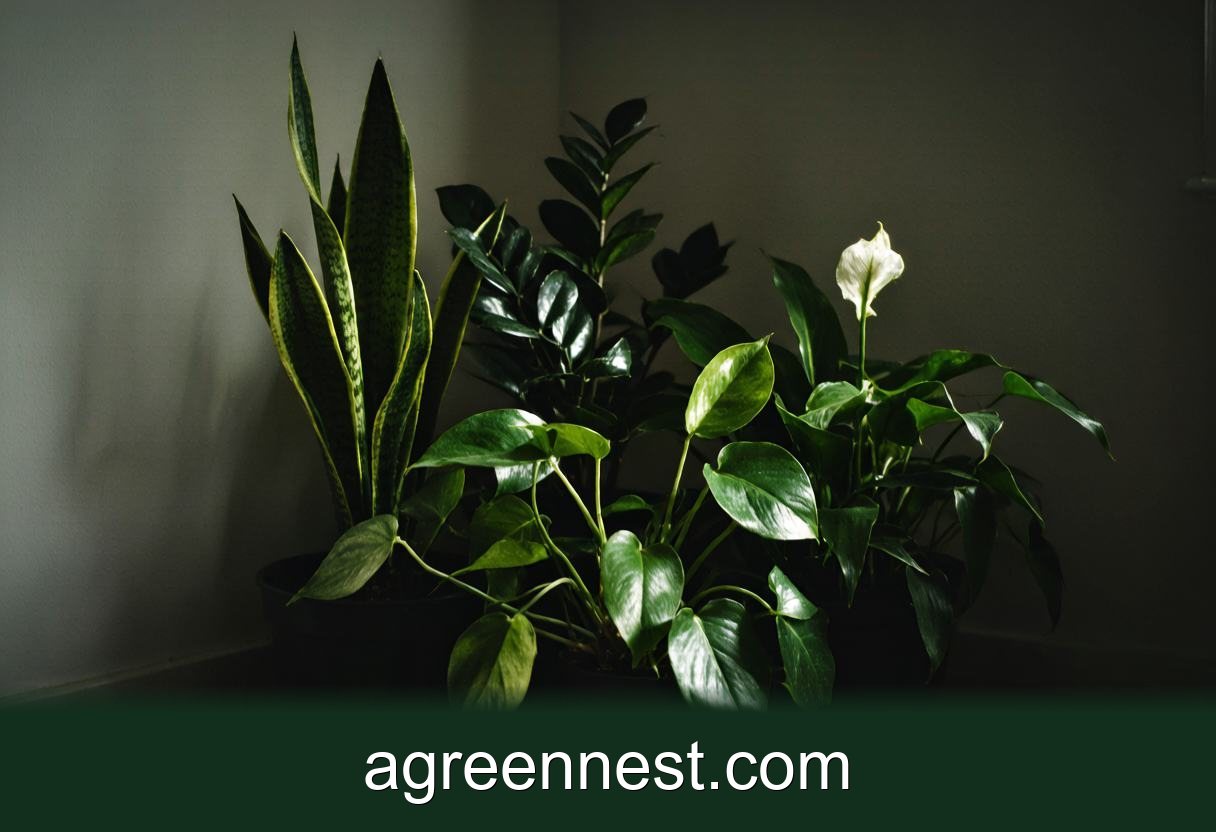
Do not overthink Plants That Clean the Air (and How Much). It thrives in low to medium light and asks for little: water when the top layer of soil dries (when the top 2-3 cm of soil feels dry), and keep it away from harsh midday sun.
A few years ago I set a peace lily on my desk and watched the air feel lighter, or at least the room felt calmer. The science behind air cleaning plants is real, though the headlines oversell it badly. Most homes exchange air far faster than a sealed lab chamber ever could, so a single plant is a gentle helper rather than a true purifier. Studies do show leaves and roots trap and break down certain compounds, just at a pace that suits a still room better than a breezy one. This article tells the honest story and points to the species worth growing in your own space. Keep your expectations friendly, and the results will still delight you. My own desk plant became a small daily ritual I look forward to.
The NASA Study, Honestly
A famous NASA study found that certain houseplants remove trace volatile compounds from sealed test chambers over days. In a real, ventilated home the measured effect is modest, yet every little bit helps and the plants look wonderful doing it. Researchers tested common species under still, contained air with concentrated pollutants. Your living room is nothing like that chamber, so temper the bold claims you read online. Treat plants as a pleasant bonus, not a replacement for open windows and good ventilation. A cracked window still does more than a forest of pots on a shelf. Real rooms have doors, vents, and people moving air constantly. Honesty here protects you from buying a dozen plants you cannot care for.
What Plants Clean the Air Best?
The reliable performers share a talent for tolerating low light while moving water and air through their leaves. Sansevieria trifasciata releases oxygen at night and asks for almost no care from you. Chlorophytum comosum topped the NASA list and shrugs off neglect and erratic watering. Spathiphyllum wallisii is both effective and pretty, though it wants steadier moisture than most. Epipremnum aureum grows almost anywhere and scrubs the air efficiently even in a dim hall. Aglaonema commutatum tolerates dim corners while quietly cleansing the surrounding air. Nephrolepis exaltata adds humidity along with its filtering, a bonus in dry winters. Pick two or three from this group and place them where you actually spend your time each day. Variety keeps the care interesting and the room lively through the seasons.
How Many Plants Do You Need?
A good target is roughly one medium plant per 9 to 10 square metres of floor space you use. More plants broadly mean more effect, so a few per room beats a single hero specimen in the hall. Twelve to fifteen well placed plants across a home give a noticeable lift to how a space feels day to day. Do not cram them into shadow, because a struggling plant cleans very little air at all. Rotate specimens toward the light every few weeks so each one stays vigorous and full. A cluttered shelf of happy plants beats a sparse row of sad ones. Quantity helps, but healthy leaves do the real, measurable work in your home.
Where Should You Place Them?
Put the most effective species in bedrooms and the rooms you occupy each evening after work. Sansevieria trifasciata suits a dim corner and works quietly while you sleep. Bathrooms favour Nephrolepis exaltata, which enjoys the extra humidity from showers. Keep Spathiphyllum wallisii away from harsh midday sun behind a sheer curtain. Avoid cold drafts from open windows in winter, since most of these plants prefer 18 to 24 °C to thrive. Group three together on a shelf to make care easy and the effect visible to guests. Placement matters more than the exact count sitting on a single shelf.
Why Does Care Quality Matter?
A plant stressed by drought or pests stops pulling its weight in the air around it. Water when the top 2 to 3 cm of soil feels dry, and empty the saucer so roots never sit wet for long. Wipe leaves with a damp cloth monthly so the stomata stay open and dust free for gas exchange. Feed a balanced liquid fertilizer at half strength every 4 to 6 weeks in spring and summer only. Repot when roots fill the container, usually every two to three years for these slow growers. Dust is the silent enemy of every leaf in a city flat. Healthy foliage is the engine of any air cleaning claim, so tend the leaves before you buy another pot. A little routine care multiplies the benefit of every plant you already own.
Frequently Asked Questions
A
Not magically, but they help with trace compounds and they boost wellbeing and calm.
A
Broadly yes. A few per room is a sensible target, with healthy specimens doing the most.
A
Yes. Sansevieria trifasciata and Epipremnum aureum clean well even in dim corners.
Grow the effective species in the light you actually have, and let care quality do the heavy lifting for you. Use our light calculator to match each plant to a bright enough spot without guesswork. A calm, green room is its own reward, and the cleaner air is a quiet bonus you will feel over time. Start with one hardy Sansevieria trifasciata and let the collection grow as your confidence does. Your home will thank you in small, daily ways you can sense but not measure.
Sources & further reading
GreenNest authors research and write every guide independently. The external links below are reputable references we recommend for deeper reading — they are not the sources we copied from.
- Cornell Garden-Based Learning — Cornell University
- Royal Botanic Gardens, Kew — Kew Gardens
- Royal Horticultural Society — Houseplant care — RHS
Recommended Tools for Low-Light Indoor Plants Care
Free, no-signup helpers matched to this guide.
Free Ebooks to Explore
Downloadable handbooks — no email required.
Share Your Plant Story
Grown something tricky, or found a trick that finally worked? Tell us in the comments, or see what other readers are sharing on our Community page. The best reader tips get folded back into our guides.
Join the Conversation
Have a tip or a question about Plants That Clean the Air (and How Much)? Share it below — comments are saved on our server.