 AGreenNest
Plant Care Accessories
Best Pruning Snips for Houseplants (2026)
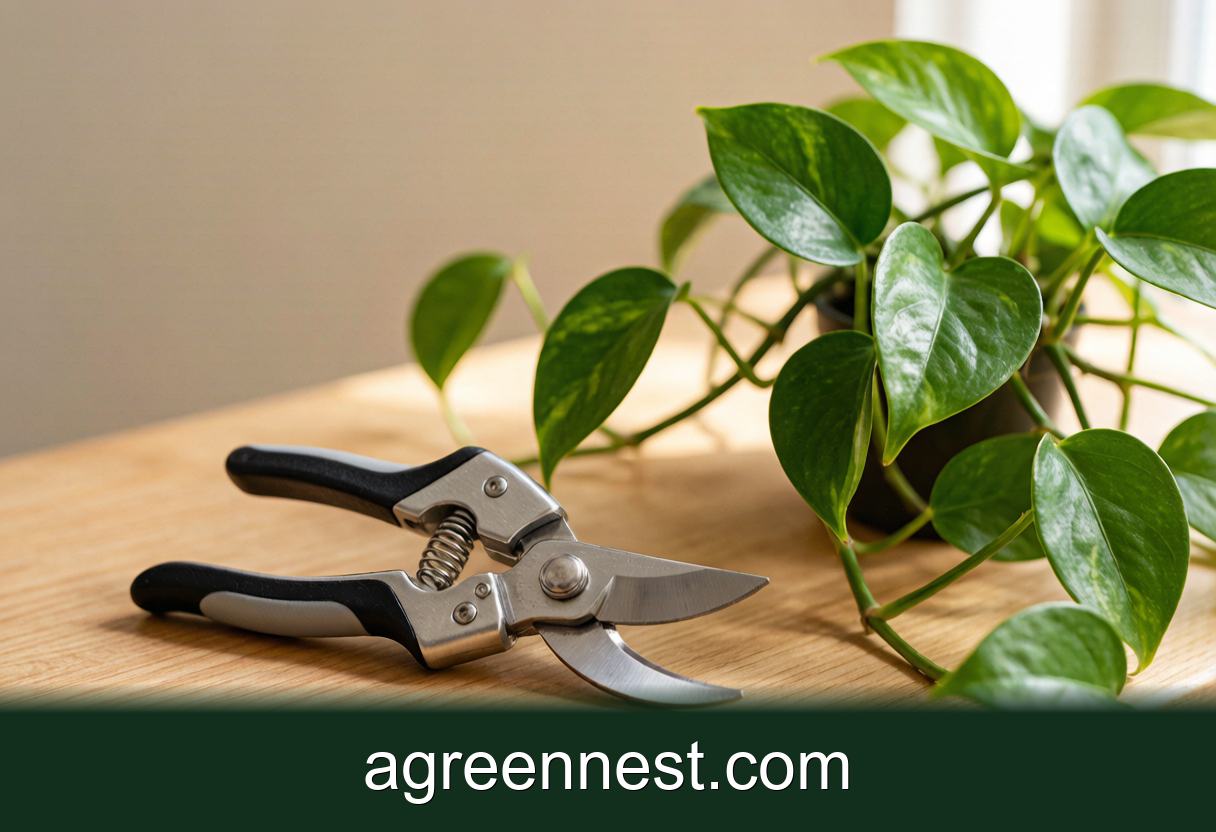
For most houseplants, a bypass micro-tip snip with a 5cm blade and a spring-loaded handle makes the cleanest cut on stems up to 6mm. Pick stainless or coated carbon steel, wipe the blade with 70% isopropyl between plants, and keep a second heavier bypass pruner for woody stems.
I have pruned pothos with kitchen scissors, nail clippers, and once, in a hurry, my thumbnail. Every one of those tools crushed the stem instead of slicing it, and the plant paid for it with a browned, mushy cut. Good snips are cheap insurance. Here is what actually matters when you buy a pair in 2026, and the specific picks I keep on the shelf.
What makes a snip good for indoor plants?
Three numbers do most of the work: blade type, cut capacity, and blade length.
Blade type splits into two camps. Bypass blades work like scissors, two edges passing each other for a clean slice. Anvil blades press a single edge onto a flat plate, which crushes soft tissue and is fine only for dead, dry wood. For living houseplant stems, buy bypass. Always.
Cut capacity is the stem thickness a tool handles without wrecking itself. Most trailing and leafy houseplants have stems under 6mm, which a light micro-tip snip clears in one squeeze. Woody stems on a jade or a ficus can hit 10 to 15mm, and those need a proper bypass pruner with a stronger spring.
Blade length matters more than people think. A short 4 to 5cm blade reaches into a crowded pot and makes a precise cut at a leaf node. A long blade fights you in tight foliage.
Bypass vs micro-tip: which do you need?
Micro-tips are small, spring-loaded snips with a narrow pointed blade around 4 to 5cm. They are the right default for 90% of indoor work: deadheading, pinching back a leggy pothos, taking cuttings for a propagation station, and tidying a fern. They weigh almost nothing and cut on precision, not force.
Full bypass pruners are heavier, with a 6 to 7cm blade and a cut capacity of 15 to 20mm. Keep one for the woody jobs a micro-tip cannot manage: an old jade plant stem, a thick rubber plant branch, a root ball you are dividing during a repot.
Buy one of each and you cover every plant in the house. If you can only buy one, buy the micro-tip.
The 2026 picks
I rank on cut cleanness, grip comfort, and how the blade holds an edge after 50 cuts. Prices are rough 2026 street figures.
1. Spring-loaded stainless micro-tip (best overall, ~$14). A 5cm stainless bypass blade, a coil spring that reopens the handle for you, and a safety lock. Cuts stems to 6mm with no bruising and stays sharp for a season of steady use. This is the one I hand to anyone starting out.
2. Titanium-coated micro-tip (best for sap, ~$20). The non-stick coating shrugs off the sticky sap from figs and euphorbias that gums up a bare blade. Same 5cm length, slightly stiffer spring. Worth it if you prune a lot of ficus or milk-tree types.
3. Compact bypass pruner (best for woody stems, ~$25). A 6.5cm hardened blade, 18mm cut capacity, and a sap groove. This is the second tool that handles what a micro-tip cannot. Heavier, but the long handles do the work so your hand does not.
4. Fine-point precision scissors (best for bonsai and seedlings, ~$16). Long, thin blades for surgical cuts on tiny stems, thinning hydroponic seedlings, or shaping a bonsai. Not a general pruner, but unbeatable for detail.
Steel, coatings, and what lasts
Stainless steel resists rust and needs the least care, which suits a humid plant room. Carbon steel takes a sharper edge and holds it longer, but it will spot with rust unless you wipe it dry, so it rewards someone who maintains their tools. A titanium or PTFE coating on either metal cuts sap buildup and friction.
Skip anything with a plastic blade or a stamped, unsharpenable edge. A snip you cannot resharpen is a throwaway, and a dull blade tears rather than slices, which invites rot and disease at the wound.
How do I keep snips from spreading disease?
This is the step most people skip, and it is the whole reason clean tools matter. A blade that just cut a scale-infested stem will carry pests and pathogens straight into the next healthy plant.
Wipe the blade with 70% isopropyl alcohol or a diluted household disinfectant between plants, and always after cutting anything diseased. It takes five seconds. When I am working through a shelf that includes a plant I am treating for scale, I disinfect after every single cut on that plant.
Once a month, wipe the blade dry, put a drop of light oil on the pivot, and touch up the edge with a sharpening stone or a carbide sharpener. A sharp, clean blade makes a cut that seals fast.
Matching the snip to the plant
Succulents and soft trailers: micro-tip, cut at an angle just above a node. Ferns and grassy plants: precision scissors to thin without crushing. Woody shrubs like jade or ficus: compact bypass pruner. Taking cuttings for water rooting: micro-tip, then read three propagation methods for the aftercare.
For a fuller toolkit, pair your snips with the right watering can and a moisture meter so your whole routine runs on feel and precision, not guesswork.
Frequently Asked Questions
Q: Can I just use kitchen scissors on my houseplants?
A: For a soft pothos or spider plant stem under 3mm, scissors will do in a pinch, but they crush rather than slice and the blunt cut browns and heals slowly. A $14 micro-tip pays for itself the first time you take a dozen clean cuttings.
Q: How thick a stem can a micro-tip snip actually cut?
A: Up to about 6mm of green, non-woody tissue in a single squeeze. Push past that and you strain the spring and bend the blade. For 10 to 15mm woody stems, switch to a bypass pruner rated for 18mm.
Q: Do I really need to disinfect between every plant?
A: Between plants, yes, and after every cut on a diseased plant. It is the cheapest disease control you have. Michigan State and NC State extension both flag contaminated tools as a common way fungal and bacterial infections jump between houseplants.
Q: Stainless or carbon steel for a humid plant room?
A: Stainless, unless you enjoy maintenance. Carbon holds a keener edge but rusts in damp air unless you dry it after every use. Stainless shrugs off the humidity and only needs an occasional sharpen.
Q: How often should I sharpen my snips?
A: Touch up the edge once a month with steady use, or the moment a cut starts to tear instead of slice. A quick pass on a carbide sharpener takes under a minute and restores a clean cut.
Buy a spring-loaded bypass micro-tip for everyday work and a compact bypass pruner for woody stems, keep both clean and sharp, and you will cut cleaner than you did with whatever was in the drawer. Your plants heal faster and catch fewer diseases for it. When you are ready to expand the kit, our watering can picks are the next thing I would look at.
Sources & further reading
GreenNest authors research and write every guide independently. The external links below are reputable references we recommend for deeper reading — they are not the sources we copied from.
- Michigan State University Extension — Michigan State University
- NC State Extension — Plant Toolbox — NC State Extension
- University of Minnesota Extension — U Minnesota Extension
Recommended Tools for Plant Care Accessories Care
Free, no-signup helpers matched to this guide.
Free Ebooks to Explore
Downloadable handbooks — no email required.
Free Ebook
The AGreenNest Succulent Care Handbook
The complete, beginner-to-confident guide to growing fat, happy succulents — 10 chapters and a 20-plant directory.
Free Ebook
Haworthia & Haworthiopsis Care Handbook
A focused guide to the striped, forgiving Haworthia clan.
Share Your Plant Story
Grown something tricky, or found a trick that finally worked? Tell us in the comments, or see what other readers are sharing on our Community page. The best reader tips get folded back into our guides.
Join the Conversation
Have a tip or a question about Best Pruning Snips for Houseplants (2026)? Share it below — comments are saved on our server.