 AGreenNest
Succulent Care
The Complete Indoor Succulent Care Manual
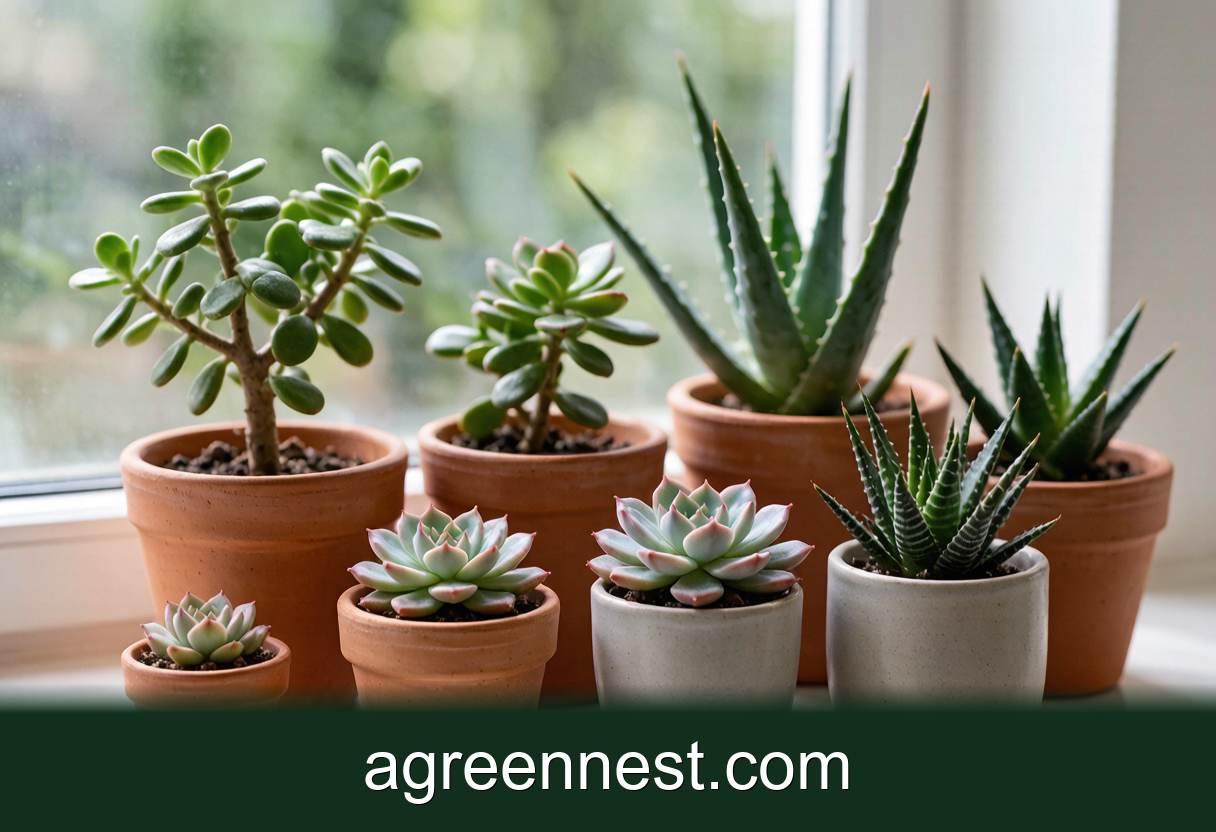
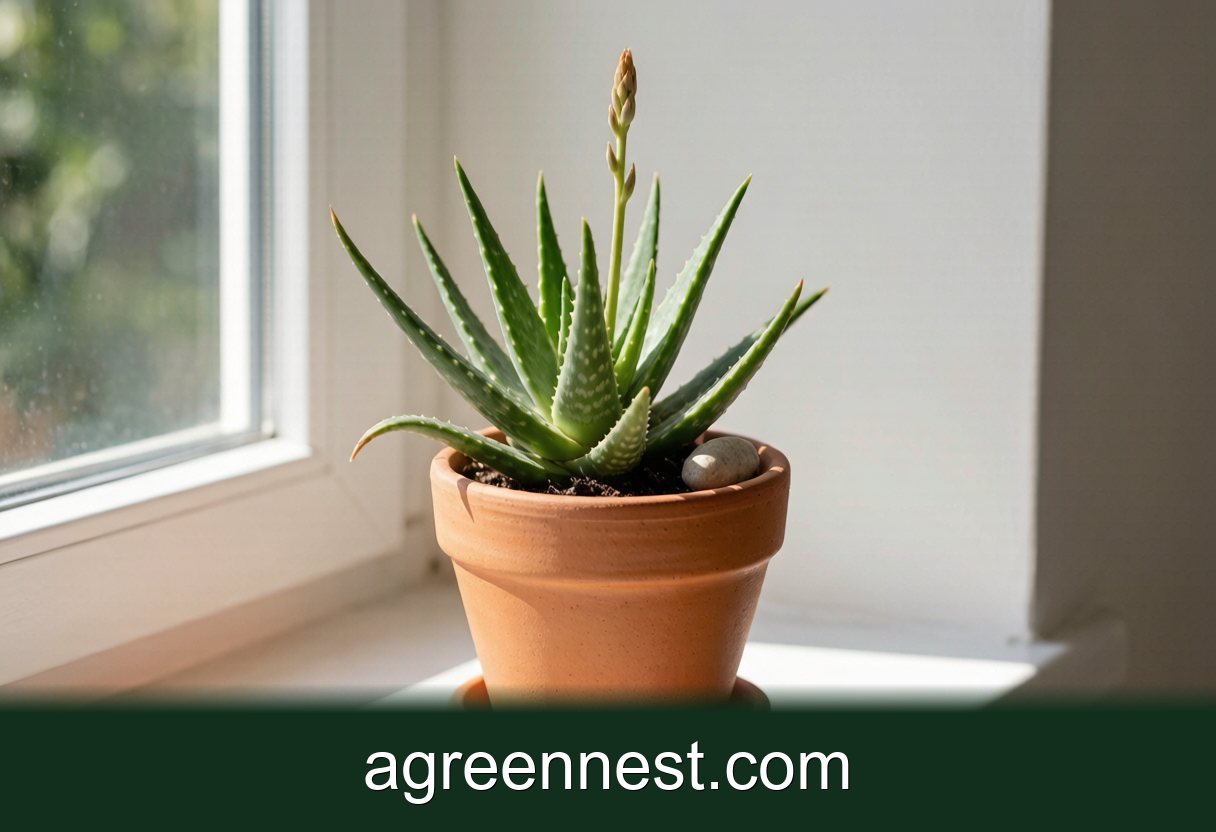
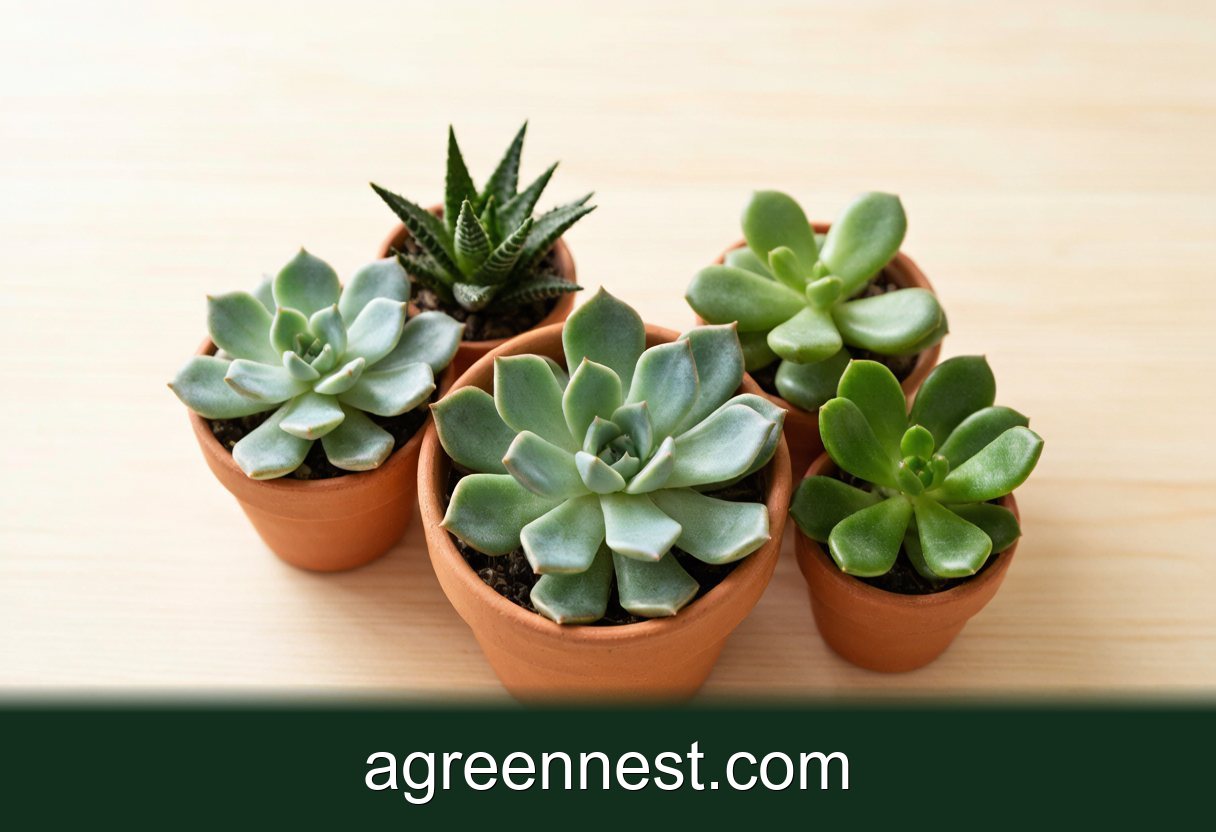
If you are new to The Complete Indoor Succulent Care Manual, keep it simple: bright, indirect light, and water sparsely. These plants hate wet feet, so always let the soil dry completely between drinks (10 days between waterings). A shallow terracotta pot with gritty soil is the safest setup, and a bright windowsill does the rest.
Most succulent advice online reads like a list of disconnected tips, and that is exactly why so many beginners lose their first plant. This page is the map, not the list. If you only read one thing about succulents on this whole site, read this one first, then jump straight to the species guide for the exact plant sitting on your windowsill. I wrote it after killing far too many pots in my early years, and every rule below comes from a mistake I personally made. My own flat now holds more than forty pots, and the ones that survived taught me more than any blog post ever did. Below you will find the mental model, the three care pillars, propagation, repotting, pests, and a seasonal plan you can actually follow.
The Mental Model: A Camel, Not a Fish
A succulent stores water in its leaves, stem, or roots. That single fact explains almost every death I have watched happen. The plant wants to feel thirsty between waterings, because dryness triggers the survival chemistry that keeps it compact and richly colored. Cold and wet, in any combination, is what actually kills it. So the whole game becomes surprisingly simple once you accept it. Give the plant enough light to use the water you provide. Provide enough water to avoid a shrivel. Never let those two things fall out of step with each other. New growers overdeliver on the second half of that equation and quietly forget the first. I learned this the hard way with a pot of Echeveria elegans that I drowned during my very first spring of plant keeping. The rosette turned to brown mush from the center outward before I understood what I had done wrong.
What Light Do Succulents Actually Need?
Succulents are sun plants at their core. A north window will keep a Haworthia cooperi alive and content, but it will never color up, and an Echeveria placed there will stretch into a pale, lonely rosette reaching for the glass. An east window offers gentle morning sun and suits the softer, more shade tolerant species. A north window should be reserved for Haworthia, Gasteria, and Sansevieria, because everything else simply declines in that dim corner. When real sun is impossible in your space, a grow light running 12 to 14 hours daily at about 200 to 400 micromoles per square meter per second fixes the deficit completely. I resisted buying a grow light for two full years, convinced it was unnecessary fuss. My Echeverias looked like strings of pale sausages until I finally gave in during a gray February. The change was immediate, and honestly a little embarrassing given how long I had fought it. Bright light also brings out the pink and orange tones that make these plants so collectible. Few things feel as rewarding as a rosette that blushes after a sunny week on the sill. Place a struggling plant there for ten days and watch the shift happen.
How Often Should You Water?
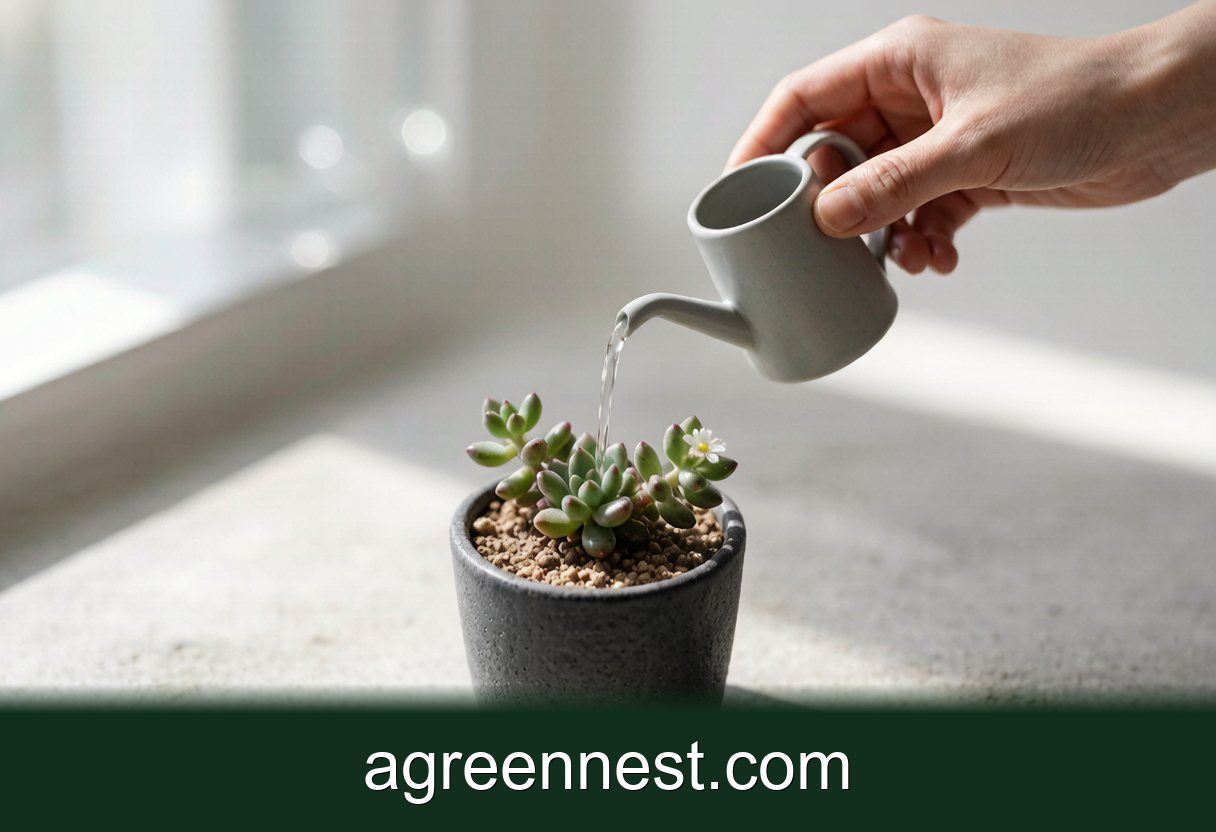
Forget the once a week rule that floats around the internet. Water when the soil is dry all the way down and the plant shows the smallest sign of thirst, perhaps a faint wrinkle on a single leaf, or leaves that feel less firm than they did the week before. During summer in a bright spot, water every 7 to 10 days. Through winter dormancy, stretch that to every 3 to 5 weeks, and sometimes longer if the room is cool. Small pots in a hot room need a weekly check at minimum. Large pots in a cool room can comfortably wait two weeks between checks. One hard rule matters more than any printed schedule. Water the soil, never the rosette itself. Water that collects in the crown of an Echeveria rots it from the center, and you will not notice the damage until the plant is already gone. Keep a long spouted can on your shelf purely to hit the soil and miss the leaves. Watch the leaves more than the calendar, because the plant tells you when it is ready. Slight softness at the base of a plump leaf is your cue to wait another day or two. Reliable routines beat rigid schedules every time.
Why Is Gritty Soil Non Negotiable?
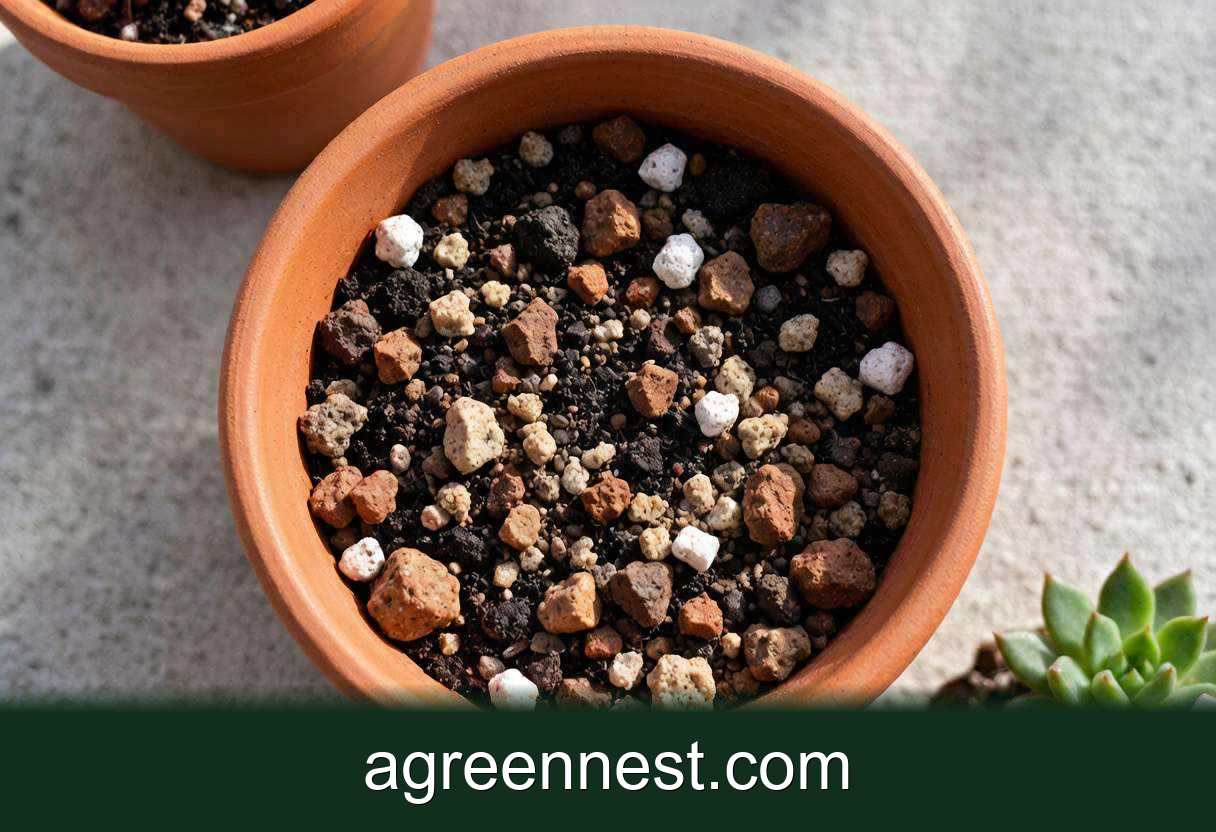
Succulents want soil that drains in seconds, not a bag of black peat that stays damp for a full week. Mix roughly 1 part potting soil with 2 parts inorganic grit, such as pumice, coarse sand, or perlite, and that is the reliable baseline for nearly everything. For the truly fussy species, a 1 to 1 to 1 blend of crushed granite, turface, and pine bark works beautifully, with no peat in the recipe at all. Terracotta pots help because their porous walls wick moisture outward as the soil dries. Plastic pots hold that same moisture in and slow the drying curve. For a beginner, terracotta is the safer choice every single time. Repotting most of my collection into clay each spring dropped my rot rate to almost zero afterward. Straight potting soil from a garden centre once cost me three pots in a single rainy month. Wet for eight days after each watering, that blend never let the roots dry. Switching to a gritty mix cut those losses to zero within a single season. Store leftover grit in a sealed bin so it stays dry between projects. Cheap play sand from the hardware store works if you rinse it first to remove fine dust. Many growers overlook this step and then wonder why their mix clumps.
How Do You Propagate for Free?
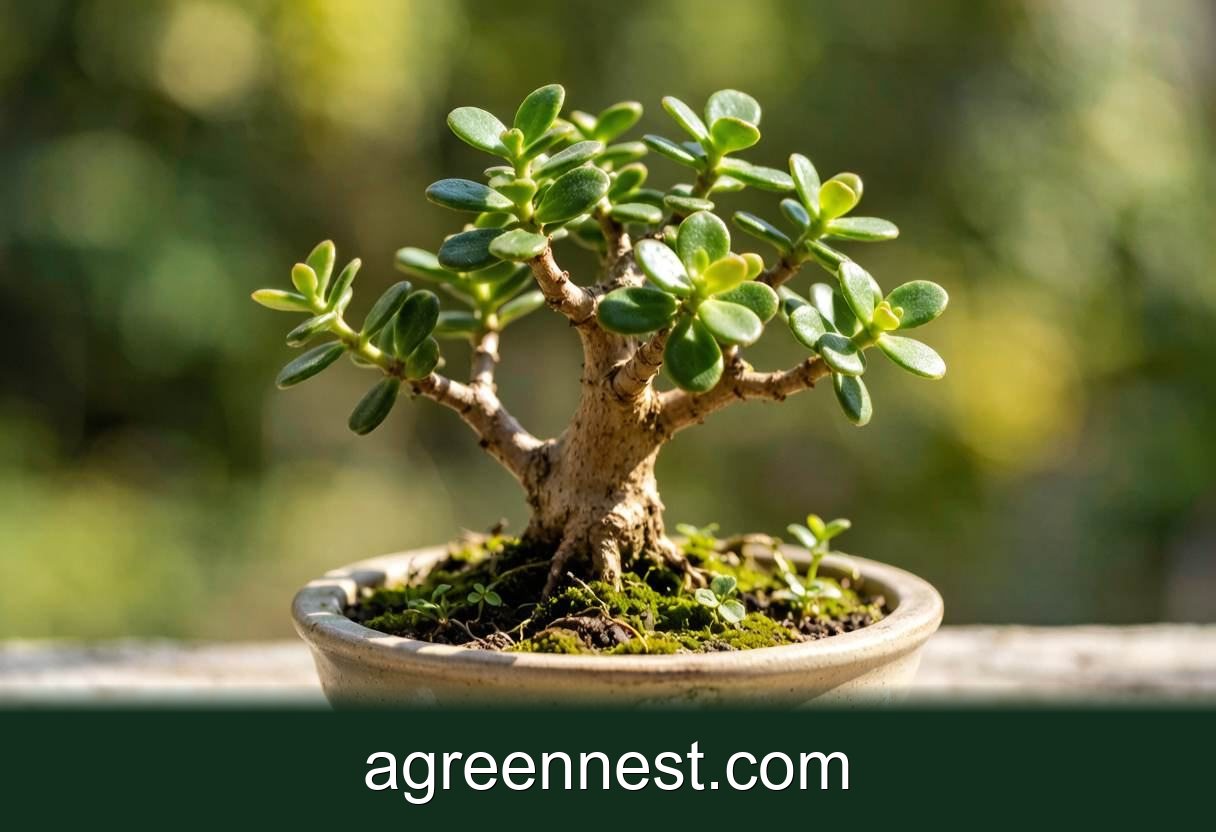
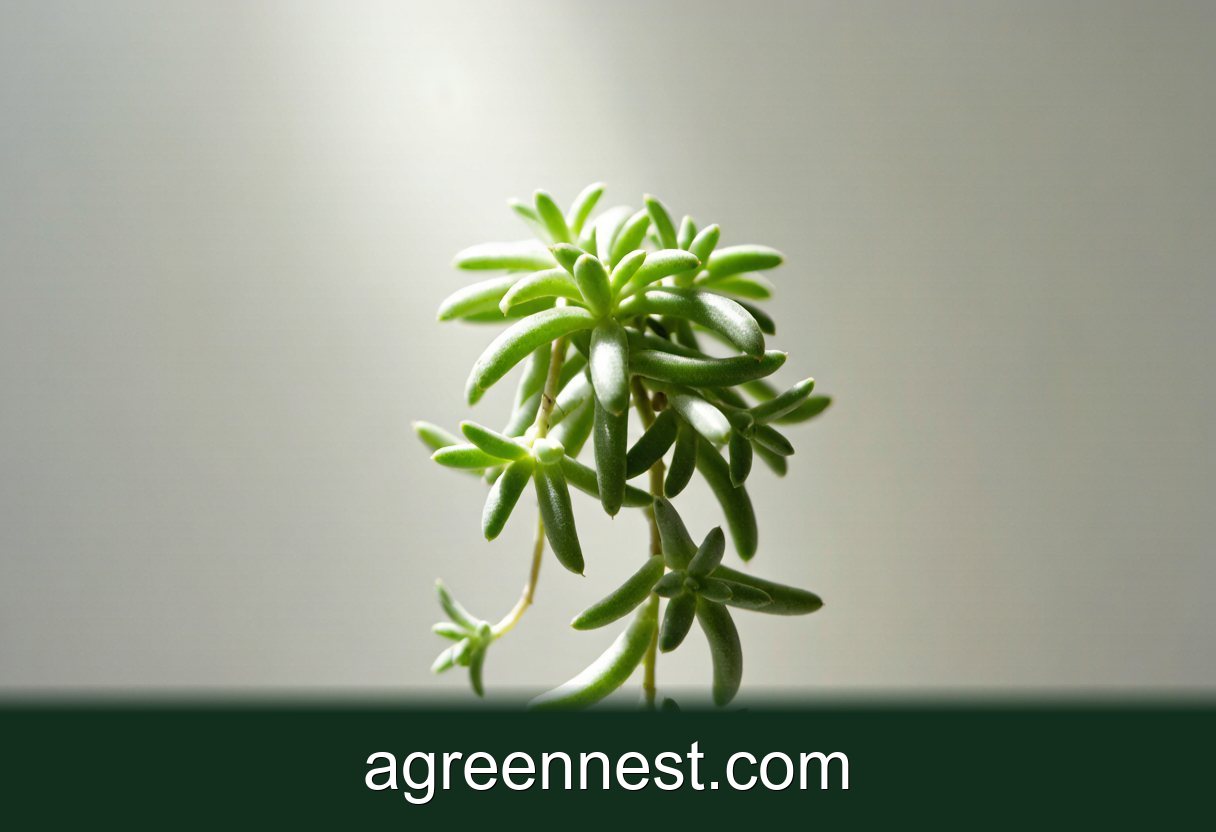
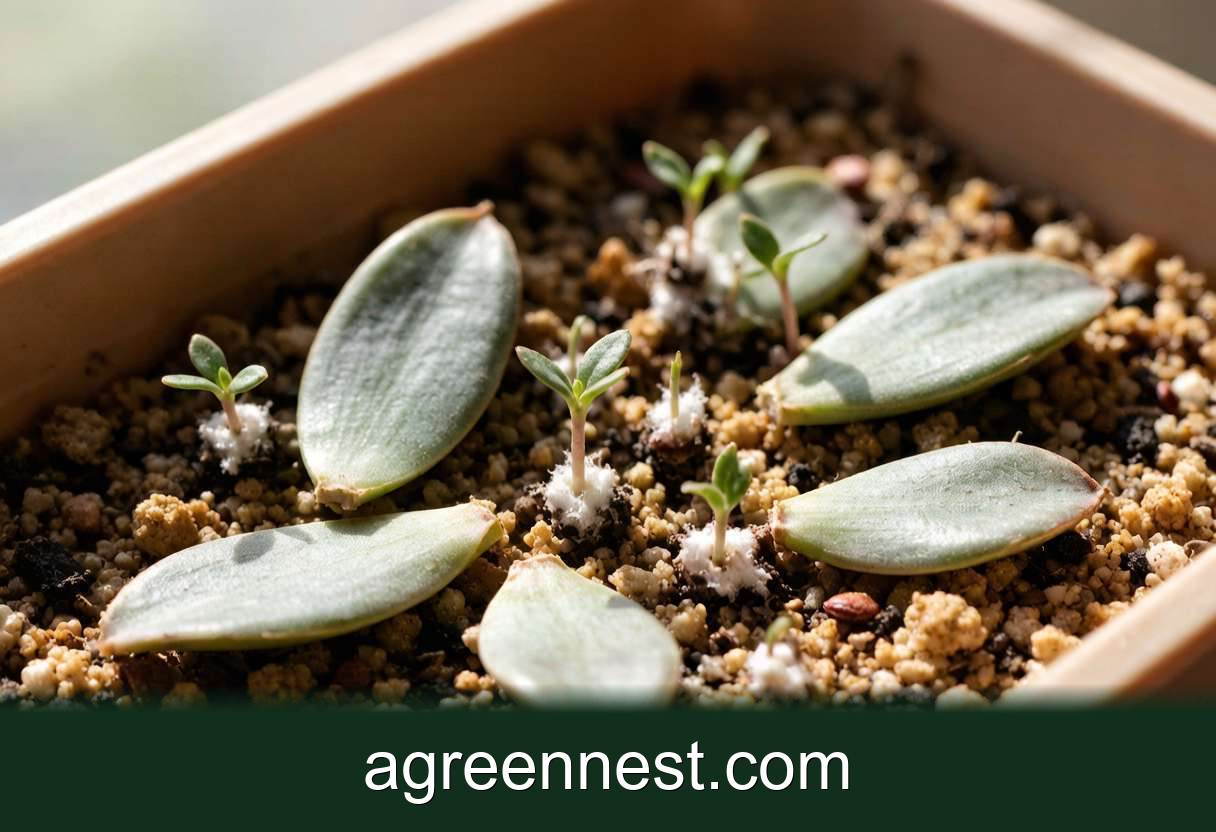
These plants multiply without costing you a single penny. Leaves twisted off cleanly and laid on dry soil will sprout roots and a tiny plantlet in 3 to 6 weeks when they receive bright light and almost no water. Stem types like Jade and Donkey Tail root from cuttings in precisely the same way, and the payoff is a shelf full of free plants. Beginners usually water these babies exactly like their parents, and that is the common mistake. Leaves without roots cannot drink, so they simply rot where they sit. Mist the soil once a week only after roots appear, never before that point in the process. My daughter now has an entire windowsill of succulents that began as fallen leaves from my own pots. Spring and early summer give the fastest results because warmth speeds root growth. Label each tray with the parent name so you remember what you started. Patience matters more than effort with these slow beginners.
When Should You Repot?
Repot in spring, one pot size up, and only when roots fill the container or the soil has gone stale, which usually happens after about 2 years of steady growth. Knock off the old soil gently, trim any dead or blackened roots, and let the plant sit bare root for a full day so the cuts can callous over. Then plant it in dry gritty mix and wait a complete week before the first watering. That waiting week is what prevents rot at the fresh wounds you just created. After you finally water, empty the saucer within half an hour so the roots never sit submerged in a puddle. Choose a pot with a drainage hole you can actually see. Shallow containers suit rosette types better than deep ones because the roots stay near the surface. Wait until the soil is fully dry before you begin to avoid tearing tender roots.
Which Pests Cause the Most Trouble?
Mealybugs top the list for indoor succulents without much competition. They look like tiny cotton clumps tucked into the leaf joints where you rarely think to look. Dab them with a cotton swab dipped in standard rubbing alcohol, and inspect weekly to catch a fresh infestation while it stays small. Scale insects and spider mites show up less often but still appear in dry, stale air. Keep airflow moving around your shelves and quarantine any new plant for two full weeks before it meets the rest of your collection. Fourteen days of isolation for every newcomer has saved several beloved pots from disaster in my home. Wipe leaves with a damp cloth every month to remove dust that hides early trouble. Isolate any plant that looks suspicious the moment you spot it. Healthy plants resist pests far better than stressed ones do.
How Do You Keep Succulents Colorful in Winter?
Succulents slow down dramatically in winter, and that slowdown changes everything about your care. Give them less water, no fertilizer at all, and as much light as your home can possibly provide. Cold and wet through January means a plant you will lose by March. Moving mine to the brightest windowsill I own and cutting watering to roughly every 4 weeks keeps the colours deep. Colours actually deepen during this rest period when the light stays strong. Overwintering indoors is mostly about restraint, so fight the urge to keep feeding a dormant plant through the dark months. Reduce watering to a bare minimum and skip fertilizer entirely until spring returns. Cool rooms around 55°F (13°C) with bright light keep the plant resting without shock. Bright winter light matters more than warmth for keeping colour.
What About Fertilizer and Feeding?
Feed lightly, and only during spring and summer when growth is active. Quarter strength cactus fertilizer applied once a month is more than enough for a healthy specimen. Never feed in winter, because the plant cannot use the nutrients and they simply build up in the soil. Use a 1 teaspoon per 4 litre dilution of a balanced cactus feed to keep things gentle and safe. Strong fertilizer burns succulent roots faster than almost anything else I have tried, so weak and frequent always beats strong and rare here. Spring growth rewards a light feed with plumper leaves and faster offsets. Watch for salt buildup on the soil surface and flush the pot with plain water every couple of months. Overfeeding does more harm than forgetting entirely, so when in doubt, wait.
Why Do Succulents Change Color?
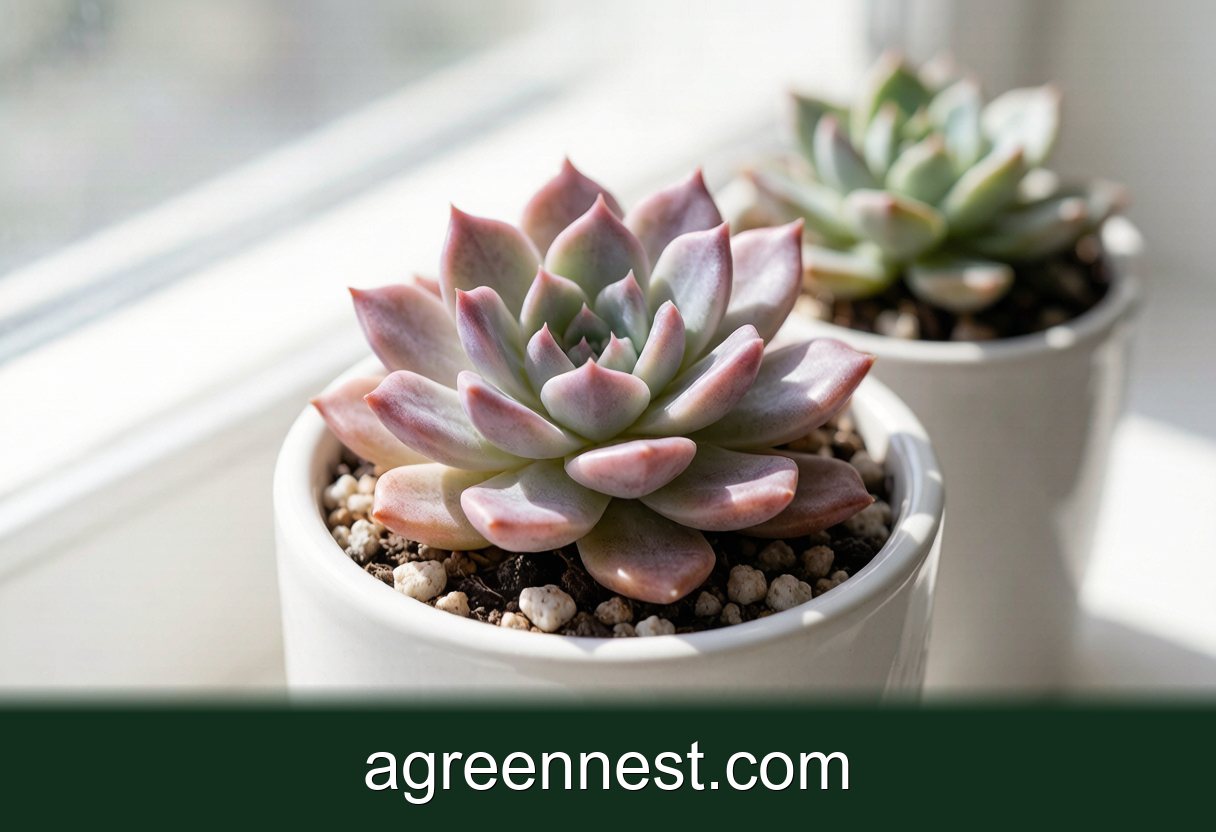
Colour shifts happen under stress, and that is not a bad thing. Cool nights and strong light push many types toward red, pink, or purple tones that collectors chase. Many rosettes stay blue green, yet stress brings rose edges on the leaf tips. Gentle colour change reads as a sign the plant is happy and challenged. Too much, though, means sunburn or cold damage, so watch the line between blush and burn. Move a scorched plant back from the glass for a week and it usually recovers.
How Do I Spot a Healthy Plant at the Shop?
Healthy succulents show firm, unbroken leaves with no soft spots at the base. Avoid pots where the soil smells musty or where mealybugs hide in the joints. Roots should not spill from the drainage hole in a thick tangle, because that means the plant is root bound and stressed. Lift the pot before you buy to judge its weight against a dry one nearby. Light pots often mean bone dry soil and a thirsty plant that recovers quickly. Picking a sturdy specimen saves you weeks of rescue work at home.
What Tools Make Care Easier?
Target the soil with a long spouted can to avoid soaking the leaves. Tweezers help remove mealybugs from tight rosettes without damaging the plant. Simple moisture meters remove the guesswork for new growers who fear both drought and flood. Keep a small brush for cleaning leaves and a pair of sharp scissors for clean cuts during propagation. None of these cost much, and each one prevents a common mistake I made in my first year.
How Do I Rescue a Rotting Succulent?
Rot starts at the base and climbs fast, so speed matters more than anything else. Pull the plant from its pot and brush away the wet soil to see the damage clearly. Cut away every soft, black section with a clean blade until only firm tissue remains. Let the cut surfaces dry for two full days in a shaded, airy spot before you replant. Dry callous is the difference between recovery and a second round of rot. Fresh gritty soil and a smaller pot give the rescued plant the best chance to root again.
Frequently Asked Questions
How do I tell underwatering from overwatering?
An underwatered leaf wrinkles but stays firm, and the plant otherwise looks healthy and perky. An overwatered leaf turns translucent, soft, and often smells sour near the base. Feel the leaf with your fingers, do not guess from a photo. Check the soil an inch down before you act, because the surface lies more often than not.
Can succulents live in a windowless bathroom?
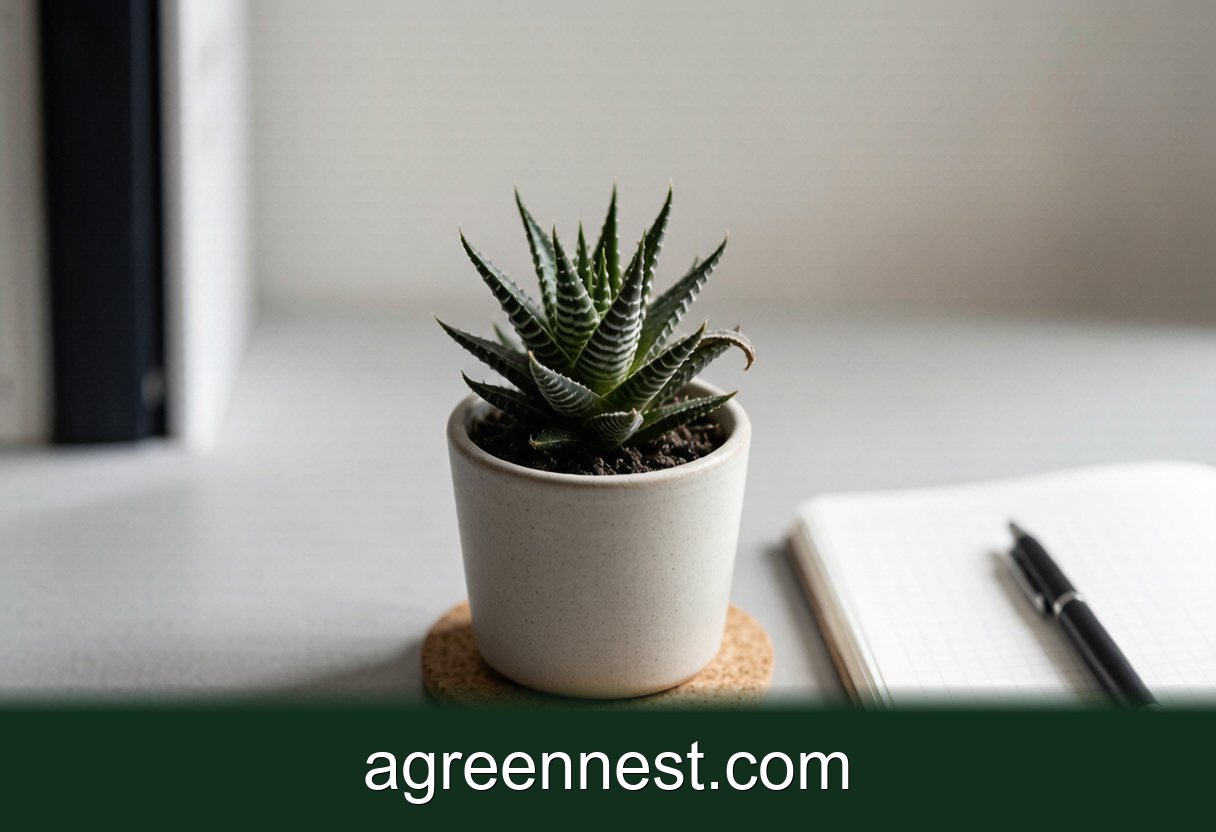
No, a bathroom without a window is the worst possible spot for them. Use a Haworthia or Sansevieria if you absolutely must, but those two still need real light to survive and thrive. Even a bright reading lamp left on for ten hours helps more than you might expect.
Why are the bottom leaves of my succulent drying up?
Older leaves at the base naturally dry as the plant grows, and that process is completely normal. If the new growth at the top is also dying, look first at your water and light balance before blaming the plant. One shrivelled lower leaf is no cause for panic in a plant that is otherwise pushing new growth.
Start with the mental model, a camel and not a fish, and the rest of the care falls into place. Pick the species guide for the plant on your windowsill, set a simple reminder to check the soil rather than the calendar, and resist the urge to water on a fixed schedule. If you take only one habit away from this long page, make it the habit of checking before you pour. That single change turns brown mush into a plant you are genuinely proud to show visitors, and it is the one lesson I wish someone had handed me on day one. Give your first pot a bright shelf and a little patience, and within a season you will see why so many of us fall hard for these odd, watery little survivors.
Recommended Tools for Succulent Care
Free, no-signup helpers matched to this guide.
Free Ebooks to Explore
Downloadable handbooks — no email required.
Free Ebook
The AGreenNest Succulent Care Handbook
The complete, beginner-to-confident guide to growing fat, happy succulents — 10 chapters and a 20-plant directory.
Free Ebook
Haworthia & Haworthiopsis Care Handbook
A focused guide to the striped, forgiving Haworthia clan.
Sources & further reading
GreenNest authors research and write every guide independently. The external links below are reputable references we recommend for deeper reading — they are not the sources we copied from.
- Aggie Horticulture (Texas A&M) — Texas A&M AgriLife
- Missouri Botanical Garden — Missouri Botanical Garden
- Clemson Home & Garden Information Center — Clemson Extension
Share Your Plant Story
Grown something tricky, or found a trick that finally worked? Tell us in the comments, or see what other readers are sharing on our Community page. The best reader tips get folded back into our guides.
Join the Conversation
Have a tip or a question about The Complete Indoor Succulent Care Manual? Share it below — comments are saved on our server.