 AGreenNest
Succulent Care
Haworthia truncata Care: Horse's Teeth Succulent
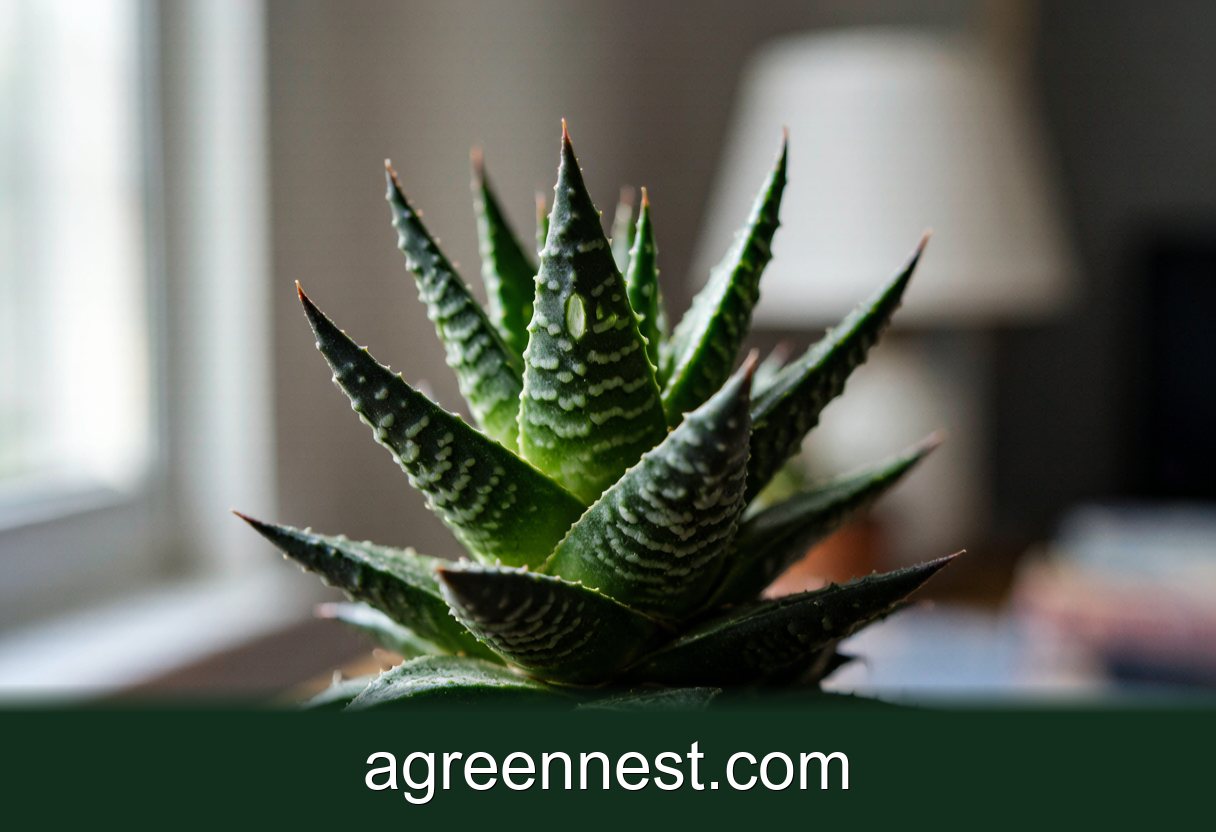
If you are new to Haworthia Truncata, keep it simple: bright, indirect light, and water sparsely. These plants hate wet feet, so always let the soil dry completely between drinks (14 days between waterings). A shallow terracotta pot with gritty soil is the safest setup, and a bright windowsill does the rest.
Haworthia truncata is a little succulent I keep on my kitchen windowsill, and honestly, it is the most forgiving thing I own. Neighbors call it horse's teeth because the flat, squared-off leaf tops peek up like tiny worn chompers, each one tipped with a see-through window.
I picked up my first one at a weekend plant swap for the grand price of nothing, and it has outlived three fussier orchids on the same sill. There is something comforting about a plant that asks so little and still looks like a tiny sculpture sitting in the sun.
Meet Haworthia truncata
When I first brought home this South African charmer, I expected a fussy specimen. Instead I found a patient companion that buries most of its leaves in the soil and shows only the glassy tops to the world. Those windowed tips channel sunlight down to the hidden leaf bodies, which is exactly why the plant stays happy in a shallow dish.
My friend Linda once mistook it for a piece of sea glass sitting in a pot. That is the kind of quiet magic Haworthia truncata brings to a shelf. Each plant stays only about 3 inches tall, so it fits a cramped apartment shelf with room to spare. The leaf tops feel oddly smooth, like polished stone, and they catch the morning light in a way that makes visitors lean in for a closer look.
A close cousin, Haworthia cooperi, does something similar with rounder, blunter windows, and the two make a sweet little pairing on a bright ledge.
What Kind of Light Does It Love?
Bright indirect light is the sweet spot, and I aim for about 6 hours of soft morning sun from an east window. Harsh midday rays can scorch the little windows and turn them brown, so I slide the pot back from the glass when summer peaks.
If your plant leans and stretches toward the room, it is begging for more light. A gentle shift closer to the window usually sorts it out within a week or two.
How Often Should I Water?
Here is the rule I live by. Let the soil dry completely, then water roughly every 14 days in the warm months. A small terracotta pot only 3 inches wide dries fast, so I confirm with a moisture meter before pouring rather than trusting the calendar.
During winter the plant rests, and I stretch to every 3 to 4 weeks. Once, in a cold January, I forgot for nearly 5 weeks and it shrugged it off without a single wrinkle.
Soil and a Tiny Pot
Gritty, free-draining mix is non-negotiable for me. I blend coarse sand and pumice into a standard succulent soil at about a 1 to 1 ratio, which keeps the buried leaves from sitting damp.
A small terracotta pot just barely wider than the plant is my go-to. Terracotta breathes, and that breath keeps the root zone dry, exactly what this slow grower prefers. When I repotted last spring, I found a tidy white root ball that had not outgrown its home at all. That is the beauty of a slow plant in a small vessel, since there is little to disturb and even less to overwater.
I keep mine in a 2.5 inch pot and it has looked content for two full years.
Why Is My Plant Growing So Slowly?
Patience is the whole game here. Haworthia truncata adds only 1 to 2 inches of size per year, and a clump 2 inches across can take 3 to 5 years to form. I stopped waiting for drama and started enjoying the slow journey.
If the leaves shrivel, heat plus underwatering is usually the cause, and a careful soak brings them back. Soft blackened bases mean the opposite problem, so lift the plant, let it dry, and ease up on the water.
Temperature and Seasonal Quiet
This succulent is happiest between 60°F (16°C) and 80°F (27°C). It tolerates normal indoor humidity without complaint, and it can survive a brief dip to 45°F (7°C), though I keep mine indoors through cold winters.
I park it away from heating vents and hot south glass in summer. One summer I left a tray of water beneath it during a heat wave, and the lower leaves yellowed within days. Since then I water lightly and let the air move, and the plant has stayed firm and green through two more hot seasons.
Warm, stuffy air with wet soil is the quickest route to rot, so stable and dry wins every time.
Propagation From Offsets
The easiest way I know to make more is to slip the little offsets off the mother plant. Let the cut callus for a day, then tuck it into dry gritty soil and wait.
Leaf cuttings rarely root, and seed is slow to the point of silly, sometimes two years just to reach a centimetre. Offsets are the reliable shortcut, and sharing one with a friend feels lovely.
Frequently Asked Questions
Q: How often should I water Haworthia truncata?
A: Water about every 14 days in summer once the soil is fully dry, and only every 3 to 4 weeks during the winter rest.
Q: What light does the horse's teeth succulent need?
A: Bright indirect light for around 6 hours daily is best, and harsh midday sun should be avoided so the windowed tops stay safe.
Q: Is Haworthia truncata safe for pets?
A: Yes, Haworthia species are generally regarded as non-toxic and safe to keep around cats and dogs.
Haworthia truncata rewards a slow hand with one of the oddest, prettiest silhouettes in the succulent world. Browse our succulent care hub for more guides, and let this little windowsill friend teach you the calm that comes with waiting.
Sources & further reading
GreenNest authors research and write every guide independently. The external links below are reputable references we recommend for deeper reading — they are not the sources we copied from.
- Royal Botanic Gardens, Kew — Kew Gardens
- Missouri Botanical Garden — Missouri Botanical Garden
- NC State Extension — Plant Toolbox — NC State Extension
Recommended Tools for Succulent Care
Free, no-signup helpers matched to this guide.
Free Ebooks to Explore
Downloadable handbooks — no email required.
Free Ebook
Haworthia & Haworthiopsis Care Handbook
A focused guide to the striped, forgiving Haworthia clan.
Free Ebook
The AGreenNest Succulent Care Handbook
The complete, beginner-to-confident guide to growing fat, happy succulents — 10 chapters and a 20-plant directory.
Share Your Plant Story
Grown something tricky, or found a trick that finally worked? Tell us in the comments, or see what other readers are sharing on our Community page. The best reader tips get folded back into our guides.
Join the Conversation
Have a tip or a question about Haworthia truncata Care: Horse's Teeth Succulent? Share it below — comments are saved on our server.