 AGreenNest
Succulent Care
The Gritty Soil Recipe (Exact Ratios)
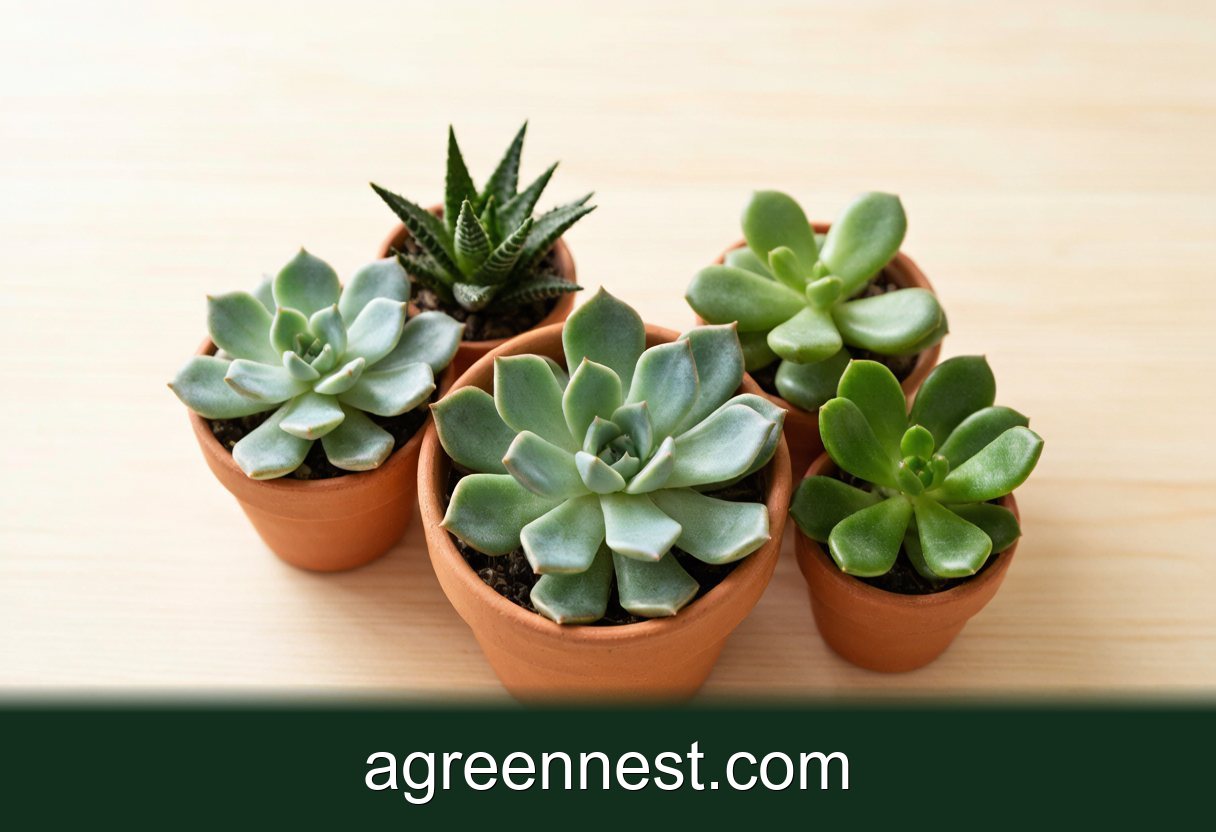
If you are new to The Gritty Soil Recipe (Exact Ratios), keep it simple: bright, indirect light (a south or east windowsill is ideal), and water sparsely. These plants hate wet feet, so always let the soil dry completely between drinks (every 2-3 weeks in summer, less in winter).
Why Gritty?
When I first started keeping succulents on a sunny kitchen shelf, I made the classic beginner mistake. I used ordinary potting soil straight from the bag, and within a month my poor plants looked like limp lettuce. The problem was simple. Regular potting mix holds water like a sponge, and succulent roots want the opposite of that.
A gritty mixture drains in seconds after you water it. The coarse particles create air pockets so roots can breathe, and only a thin film of moisture stays behind. That small amount is exactly what these plants need. Too much soil and the roots sit in dampness for days, which invites rot.
I learned this the slow way, and I want you to skip the heartbreak. Most commercial cactus soils still contain too much peat for my taste, which is why mixing your own gives real control. The good news is that a reliable blend takes about ten minutes to throw together, and you probably have most of the ingredients already.
The Basic Recipe
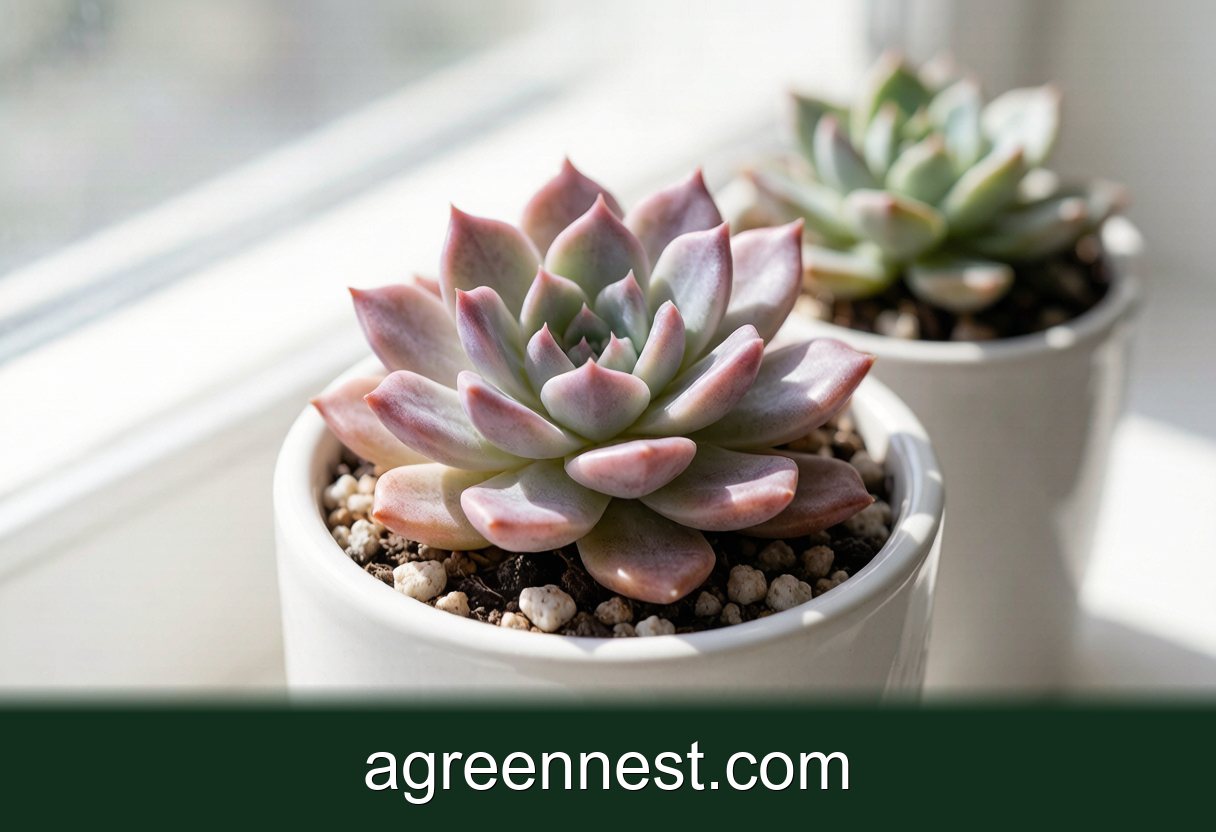
Here is the blend I use for most of my collection, including the rosy little Echeveria elegans on my windowsill and a cheerful Crassula ovata that has outlived three moves. Measure by volume, not weight, using any small scoop you have handy:
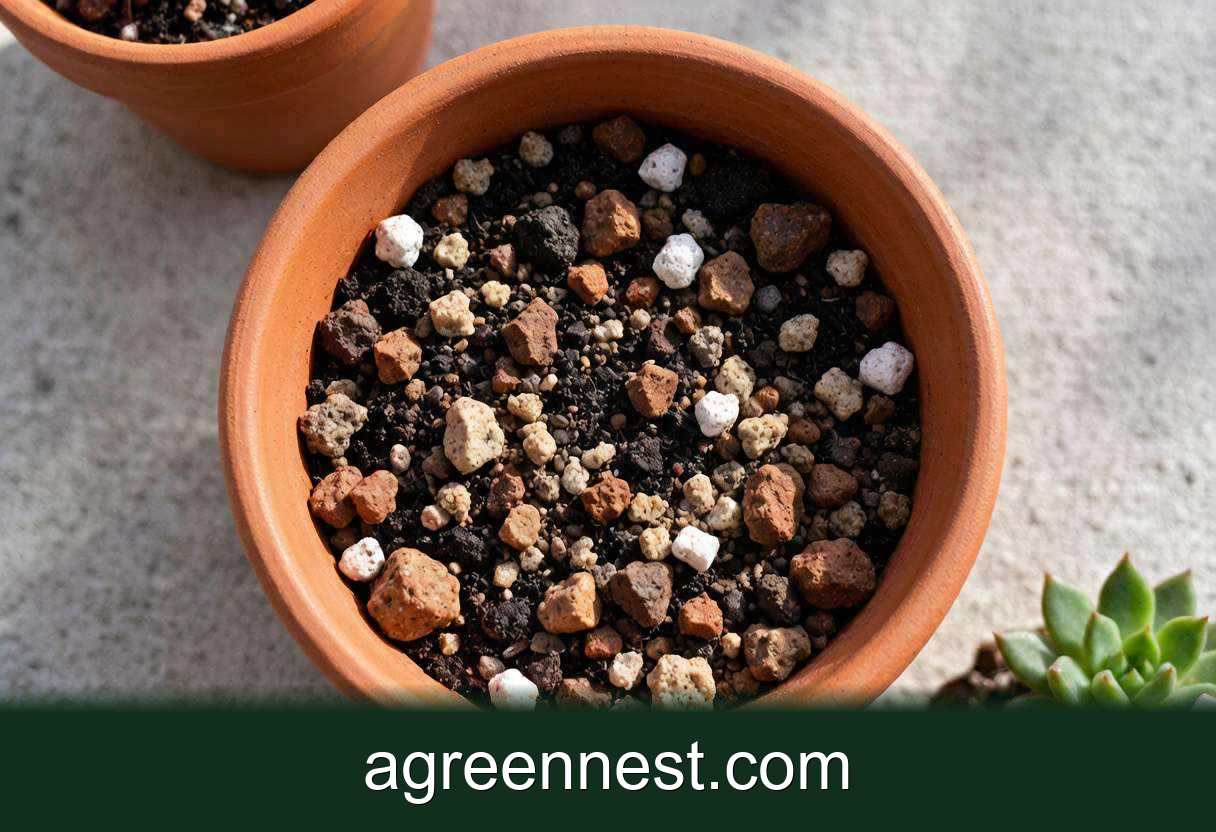
- 2 parts coarse sharp sand or poultry grit
- 2 parts perlite or pumice
- 1 part quality bagged potting soil
That 2 to 2 to 1 balance keeps things free draining while still giving roots a little food. The soil part is there only to hold a trace of nutrients, not to retain big reserves of water. I like to mix a batch in an old plastic tub so I always have some on hand when a new plant comes home.
What Ratio Works for Cacti and Lithops?
Some plants are even fussier than the average succulent, and these are the ones that taught me precision. For cacti and for living stones such as Lithops aucampiae, I cut the soil down to half a part and push the grit up. So the adjusted formula becomes 2 parts grit, 2 parts perlite or pumice, and 0.5 parts potting soil.
The reason is straightforward. Lithops and most cacti come from places that get a single soaking a year, then bone dry air for months. Give them rich damp soil and they simply melt. A leaner mix mimics that cycle and keeps them firm and wrinkle free through the seasons.
Mixing Tips
A few small habits make the difference between a tidy job and a dusty mess. Always mix in a bucket or tub rather than the pot you plan to use, because you want room to stir evenly. Slightly dampen the blend before you pot, since dry perlite throws up a fine dust that you do not want in your lungs.
Top dress the surface with a layer of clean grit. This stops water from pooling around the plant neck, which is the spot where rot loves to start. I also rinse coarse sand once or twice to wash away powder, because that powder can clog the gaps you worked to create.
How Often Should I Water?
This is the question every new succulent keeper asks me, and the honest answer depends on the season. In summer, when light is strong and soil dries fast, I water roughly every 2 to 3 weeks. I wait until the pot feels light and the leaves look a touch deflated, then I soak thoroughly and walk away.
Winter is a different story. Growth slows, light weakens, and the same plant may need water only every 4 to 6 weeks. Overwatering in the cold months is the fastest route to a mushy base, so when in doubt, wait another week. Your plants will forgive a missed drink far more easily than a soggy one, and the gritty mix buys you extra margin.
Troubleshooting a Mix That Is Not Working
Sometimes a plant still struggles even in a gritty blend, and the cause is usually traceable. If leaves turn yellow and soft at the base, you are likely watering too often for the temperature you have. Cut the frequency and let the mix run truly dry.
If the soil seems to stay damp for more than a week after watering, your grit may be too fine. Swap in coarser poultry grit or add more perlite next time. White crusty deposits on the surface point to salty tap water or too much fertilizer, so flush the pot with plain water and ease off feeding. If plants look shriveled and the mix is bone dry for weeks, you may have gone too far the other way and need a touch more soil in the next batch.
Frequently Asked Questions
Q: Can I use garden soil from my yard?
A: No. Outdoor soil packs tight, carries pests, and stays wet far too long. Use a bagged potting mix as your single soil part so the blend stays loose and safe.
Q: Is perlite or pumice the better choice?
A: Either works. Pumice lasts longer, holds a bit more moisture, and does not float to the top the way perlite sometimes does. I keep perlite for big batches because it is cheaper.
Q: Do I really need the sand, or can I skip it?
A: You need some form of grit. Horticultural grit or poultry grit gives weight and drainage that perlite alone cannot. Fine play sand clumps, so avoid it and choose coarse material instead.
A free draining mix is the single biggest factor between a succulent that thrives and one that quietly rots from the roots up. Get the ratio right, water on the plant schedule rather than the calendar, and you will be surprised how tough these little survivors become. When you are ready to dial in your routine, pair this blend with the watering calculator for a custom plan.
Recommended Tools for Succulent Care
Free, no-signup helpers matched to this guide.
Free Ebooks to Explore
Downloadable handbooks — no email required.
Free Ebook
The AGreenNest Succulent Care Handbook
The complete, beginner-to-confident guide to growing fat, happy succulents — 10 chapters and a 20-plant directory.
Free Ebook
Haworthia & Haworthiopsis Care Handbook
A focused guide to the striped, forgiving Haworthia clan.
Sources & further reading
GreenNest authors research and write every guide independently. The external links below are reputable references we recommend for deeper reading — they are not the sources we copied from.
- Missouri Botanical Garden — Missouri Botanical Garden
- Aggie Horticulture (Texas A&M) — Texas A&M AgriLife
- NC State Extension — Plant Toolbox — NC State Extension
Share Your Plant Story
Grown something tricky, or found a trick that finally worked? Tell us in the comments, or see what other readers are sharing on our Community page. The best reader tips get folded back into our guides.
Join the Conversation
Have a tip or a question about The Gritty Soil Recipe (Exact Ratios)? Share it below — comments are saved on our server.