 AGreenNest
Low-Light Indoor Plants
Grow Lights Explained for Beginners
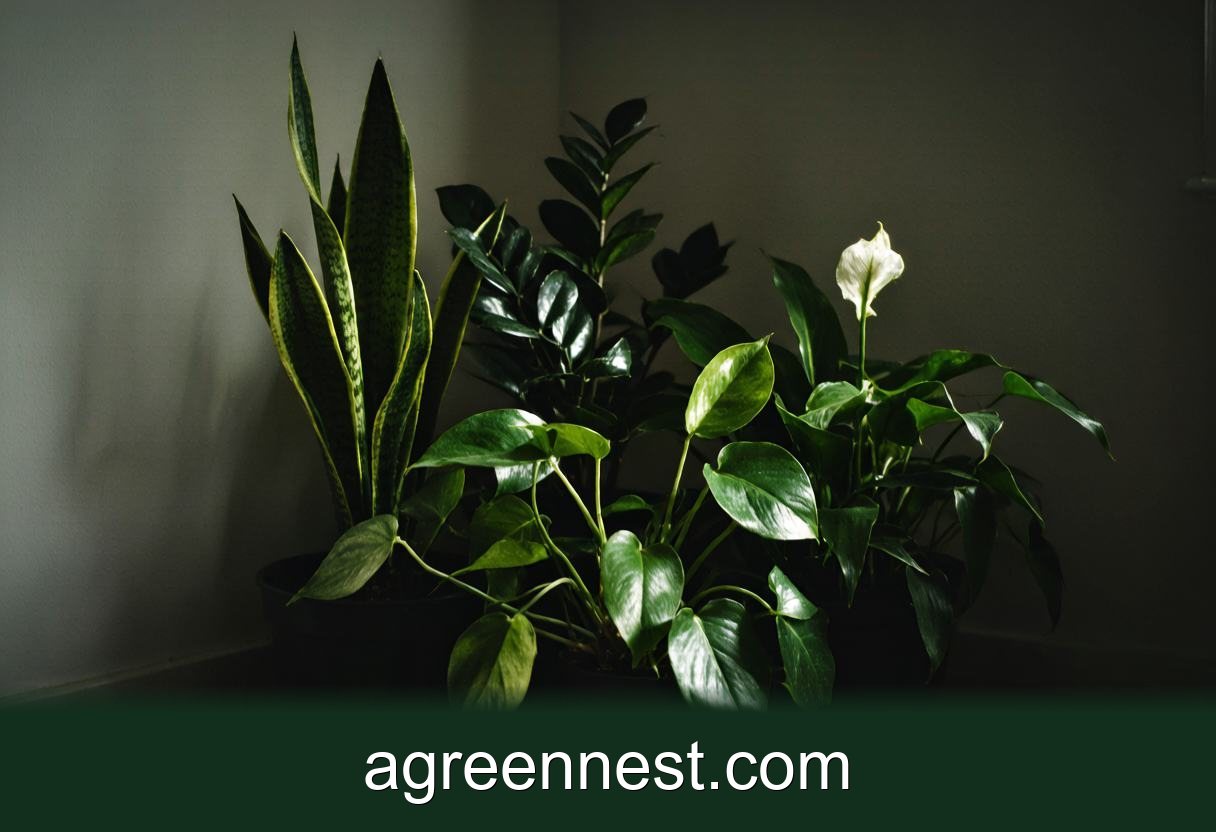
Do not overthink Grow Lights Explained for Beginners. It thrives in bright, indirect light and asks for little: water when the top layer of soil dries (when the top 2-3 cm of soil feels dry), and keep it away from harsh midday sun.
I still remember the winter my kitchen windowsill turned into a graveyard for tender seedlings. That first hard frost came early, the sun slipped behind the apartment block by four in the afternoon, and my little Saintpaulia ionantha dropped its flowers faster than I could count them. A friend handed me a small full spectrum LED panel and shrugged. Try this, she said. Three weeks later the African violets were blooming again, and I became a quiet convert to indoor lighting. The panel cost less than a bouquet and outlived two of the plants it rescued.
My own shelf now holds a Pilea peperomioides that has doubled in size since March. The change was not magic. It was simply consistent, bright, artificial daylight delivered on a timer.
Do You Really Need a Grow Light?
Most homes offer one bright window at best, and that single patch of sun drifts across the floor as the seasons turn. If you keep leafy greens, herbs, or any plant that craves brightness, a lamp is the line between a plant that merely survives and one that truly grows. A north facing room or a basement office will not give a Fittonia albivenis what it needs without help.
Stand in your brightest spot at noon and study the shadows before you spend a penny. Soft, fuzzy shadows signal bright indirect light. Sharp, dark shadows signal direct sun. Vague, weak shadows mean you probably need a supplement.
People often ask whether a sunny balcony counts as enough. During summer it might, but the short days of November and December starve most houseplants of the hours they want. A light bridges that gap without fuss.
What to Buy
A full spectrum LED is the clear winner for beginners at home. These panels stay cool to the touch, sip electricity, and emit the red and blue wavelengths that plants use for photosynthesis. Look for a colour temperature between 5000 and 6500K, which mimics natural daylight, and check the PPFD figure on the box. A small shelf unit delivering 150 to 250 micromoles per square metre per second suits leafy houseplants well.
Skip the giant horticultural fixture meant for a greenhouse. A 20 to 40 watt bar light covers a 60 cm shelf with ease. Screw in bulbs that fit a normal lamp are handy too, as long as they are labelled full spectrum rather than ordinary room lighting. A high colour rendering index around 90 or above keeps the light looking natural in a living room.
Price rarely predicts results. I have seen a modest fifteen pound panel outperform a fancy branded one simply because it was positioned correctly. Placement beats price every single time.
How Far Should the Light Hang?
Distance matters far more than newcomers expect. Hang the fixture 15 to 45 cm above the leaf canopy, then read the plants for clues. Pale, stretched stems mean the source sits too far away. Bleached or crispy leaf tips mean it hangs too close. Raise the lamp as the plant grows so the gap stays steady through the season.
My own rule is simple and a little unscientific. If I can read a paperback comfortably under the glow, the plant is probably content. That test has not failed me in four winters of growing.
How Long Should You Run It Each Day?
Most foliage plants want 12 to 16 hours of light through summer and a shorter 10 to 12 hour rest in deep winter. Buy a plug in timer for the price of a coffee and let it handle the routine. Plants crave a rhythm, not an endless marathon. Running the lamp all night confuses their internal clock and can delay flowering.
Seedlings break the rule on purpose. Young tomato or pepper starts under glass want closer to 16 to 18 hours until they unfurl true leaves. After that, taper the schedule back toward a normal day length. Some flowering types like Saintpaulia ionantha bloom best with a steady fourteen hour day, while ferns are happier near ten.
Setting Up Your First Light
Begin with one shelf and one plant you already own. Position the lamp, set the timer, and note the date in a notebook you actually keep. Check the soil every few days, because a lit plant drinks more than a dim one. Move the light up by a few centimetres each month as growth accelerates. Mark the hang height on the wall with a pencil so you can return to it after cleaning.
Good airflow keeps the leaves dry and content. A small fan on low prevents the stale, stuffy corner where pests love to hide. Wipe dusty leaves with a damp cloth once a month so the light reaches the cells that need it.
New growers worry about burning their plants. The risk is real but small with LEDs, which run cool. Touch the leaves after an hour of operation; if they feel warm, raise the fixture by 10 to 15 cm.
Frequently Asked Questions
Q: Will any LED bulb work for my plants?
A: Only bulbs marked full spectrum or plant growth will do. A standard room bulb misses the specific red and blue peaks that drive photosynthesis, so your plant may linger without truly thriving.
Q: Can a grow light replace a window entirely?
A: It can, but a bright indirect window paired with a lamp gives the best of both worlds. Many growers keep plants near glass and add a light for the dim morning and evening hours.
Q: How do I know if the light is too strong?
A: Watch for bleached patches, scorched tips, or leaves that curl away from the source. Lower the daily hours or raise the fixture by 10 to 15 cm and the symptoms usually fade within a week.
A grow light is the cheapest way I know to keep sun lovers happy in a dark flat. Plan your placement before you buy, and lean on our light calculator if you are unsure where to hang the fixture. For a deeper look at spectrum, distance, and daily timing, our grow light guide walks through every setting you need.
Sources & further reading
GreenNest authors research and write every guide independently. The external links below are reputable references we recommend for deeper reading — they are not the sources we copied from.
- Royal Horticultural Society — Houseplant care — RHS
- UF/IFAS Gardening Solutions — UF/IFAS
- Missouri Botanical Garden — Missouri Botanical Garden
Recommended Tools for Low-Light Indoor Plants Care
Free, no-signup helpers matched to this guide.
Free Ebooks to Explore
Downloadable handbooks — no email required.
Share Your Plant Story
Grown something tricky, or found a trick that finally worked? Tell us in the comments, or see what other readers are sharing on our Community page. The best reader tips get folded back into our guides.
Join the Conversation
Have a tip or a question about Grow Lights Explained for Beginners? Share it below — comments are saved on our server.