 AGreenNest
Low-Light Indoor Plants
Baby Rubber Plant Care Guide (Peperomia obtusifolia)
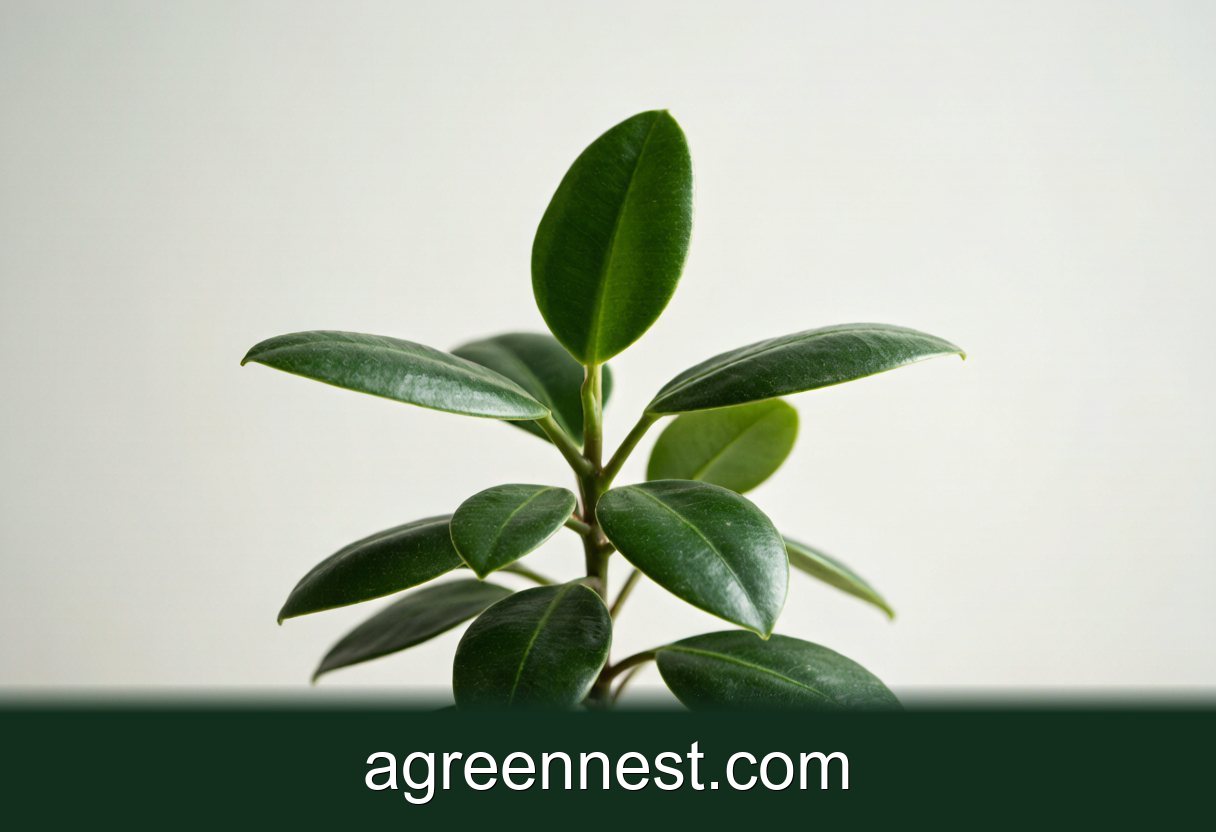
Do not overthink Baby Rubber Plant Care Guide (Peperomia Obtusifolia). It thrives in bright, indirect light and asks for little: water when the top layer of soil dries (16 days between waterings), and keep it away from harsh midday sun. A slightly lean soil and a stable, warm spot are all it needs to look good through the year.
Baby Rubber Plant at a Glance
| Care factor | What Baby Rubber Plant wants |
|---|---|
| Light | low to bright indirect light; keep it out of hot, direct sun |
| Water | water deeply only when the soil has dried out completely, roughly every 16 days in the growing season, and far less in winter |
| Temperature | comfortable around 60 to 85°F (16 to 29°C) |
| Humidity | average home humidity is fine |
| Soil | a standard peat-free houseplant mix |
| Difficulty | very easy, great for beginners |
| Pet safe | yes, it is generally regarded as pet-safe |
Peperomia obtusifolia earns its nickname from thick, glossy leaves that hold moisture like tiny reservoirs. I first met one on a friend's bookshelf, where it thrived despite being forgotten for weeks. That resilience is exactly why beginners gravitate toward it.
Why Does Peperomia obtusifolia Stay So Forgiving?
Thick leaves are the secret behind its laid back nature. They store water, so the plant shrugs off the occasional missed watering. Most specimens bounce back from a dry spell faster than they recover from a soggy one. Three traits make the species dependable: slow growth, shallow roots, and a tolerance for average indoor air. Slow growth means it rarely outgrows its pot within a year. Shallow roots let it sit happily in a container just 12 to 15 cm wide. Average air, meanwhile, spares you the humidifier that fussier plants demand.
Keeping the soil lean helps more than people expect. A rich, dense mix holds too much water and invites rot. Instead, a loose, peat-free blend lets excess moisture escape within a day. Under those conditions the plant spends its energy on steady leaf production rather than survival.
New growers often worry they will harm it. Quietly, the opposite proves true, since neglect beats kindness here. Few houseplants forgive awkward timing as gracefully as this one.
Light Needs
Bright, indirect light suits this species best. A north or east window gives the gentle brightness it enjoys. Some morning sun is fine, but the harsh midday beam through a south pane will scorch leaves within a few hours. Once leaf edges turn pale, the plant is signalling too much exposure. Move it back 60 to 90 cm from the glass and the colour returns over two weeks.
Low light will not kill it, though growth slows. Stretched stems appear when it reaches for a window. Trim those leggy bits and the plant branches into a fuller shape. A simple grow light on a 12 hour timer works well in dim apartments. Rotating the pot a quarter turn each week keeps growth even.
How Often Should You Water It?
Water every 16 days during spring and summer is a reliable rhythm. Test the top 3 to 4 cm of soil with a finger; if it feels dry, pour until water runs from the drainage hole. Winter asks for restraint, roughly every 28 to 35 days, because the plant barely grows in cool, dim months. Four signs tell you the timing is right: dry surface, lighter pot weight, slightly wrinkled leaves, and no damp smell from the soil.
Overwatering causes far more losses than drought. Sitting in wet soil for three days can rot the crown. Empty the saucer after each watering so roots never bathe. If you travel, a 250 ml reservoir bottle keeps one small pot happy for ten days.
Misting is unnecessary for this plant. Bottom watering once a month, where the pot sits in 2 cm of water for 20 minutes, encourages roots downward. Skip fertilizer in the cold season entirely.
Soil and Pot
Choose a peat-free houseplant mix with added perlite. Mix two parts base to one part perlite for sharp drainage. Terracotta pots dry faster than plastic, which suits this plant. Pick a container 2 to 3 cm wider than the root ball and always confirm a drainage hole exists. Repot only every two to three years, since the roots prefer to stay slightly snug.
Fresh mix from a bag often contains enough nutrients for six months. After that, feed with a balanced 10-10-10 liquid at 50 percent strength each month to sustain growth. Stop feeding from November through February.
What Temperature Keeps It Happy?
Comfortable room temperatures of 60 to 85°F (16 to 29°C) cover almost every home. Brief dips to 55°F (13°C) are tolerated, but frost kills it outright. Keep it away from drafty windows in January and from heating vents that push dry 90°F (32°C) air. Average humidity near 40 to 50 percent is plenty.
Grouping it with two or three other plants raises local moisture slightly. Placing the pot on a tray of pebbles and water adds humidity without soaking the roots.
How to Propagate Baby Rubber Plant
Leaf cuttings root with minimal fuss. Lay a healthy leaf flat on dry soil, or take a 7 to 10 cm stem tip. Let the cut end callus for one to two days before planting. Keep the medium barely moist and roots usually appear within 21 to 28 days. Warm 72°F (22°C) spots speed the process noticeably.
Spring offers the highest success rate for new cuttings. Covering the pot with a clear plastic bag holds moisture, but open it daily to prevent mould. Transplant once roots reach 4 cm.
Common Problems and Fixes
Leaning growth means the plant wants more light. Shift it toward a brighter window or add a grow light. Mushy, yellowing lower leaves point to overwatering; let the soil dry fully and inspect the roots for black, soft sections. Brown, crispy edges often come from salt build-up; flush the pot with 500 ml of plain water monthly. Spider mites show up in very dry air, so a weekly leaf wipe prevents them.
Dropping leaves in autumn can simply be old age. Check the stem for firmness before assuming the worst. Mealybugs hide where leaves meet the stem, and rubbing alcohol on a swab removes them.
Frequently Asked Questions
Is the Baby Rubber Plant safe around pets?
Yes. Veterinary sources list Peperomia obtusifolia as non-toxic to cats and dogs, so a curious nibble is not an emergency. Still, place it where paws cannot knock the pot over.
Can I grow it in a windowless room?
No plant survives total darkness, but this one tolerates low light better than most. One 12 watt grow bulb left on for 10 hours covers a dim corner.
Why are my leaves turning yellow?
Usually it is too much water. Cut back to a 16 day schedule and confirm the saucer stays empty.
Baby Rubber Plant rewards relaxed care with steady, glossy growth. Start with bright indirect light, a 16 day watering rhythm, and a drainage hole, then let the plant teach you its pace. For a personalised schedule, try our free watering calculator and pair it with the light calculator to pick the perfect spot.
Sources & further reading
GreenNest authors research and write every guide independently. The external links below are reputable references we recommend for deeper reading — they are not the sources we copied from.
- NC State Extension — Plant Toolbox — NC State Extension
- Aggie Horticulture (Texas A&M) — Texas A&M AgriLife
- Clemson Home & Garden Information Center — Clemson Extension
Recommended Tools for Low-Light Indoor Plants Care
Free, no-signup helpers matched to this guide.
Free Ebooks to Explore
Downloadable handbooks — no email required.
Share Your Plant Story
Grown something tricky, or found a trick that finally worked? Tell us in the comments, or see what other readers are sharing on our Community page. The best reader tips get folded back into our guides.
Join the Conversation
Have a tip or a question about Baby Rubber Plant Care Guide (Peperomia obtusifolia)? Share it below — comments are saved on our server.