 AGreenNest
Low-Light Indoor Plants
Nerve Plant Care Guide (Fittonia verschaffeltii)
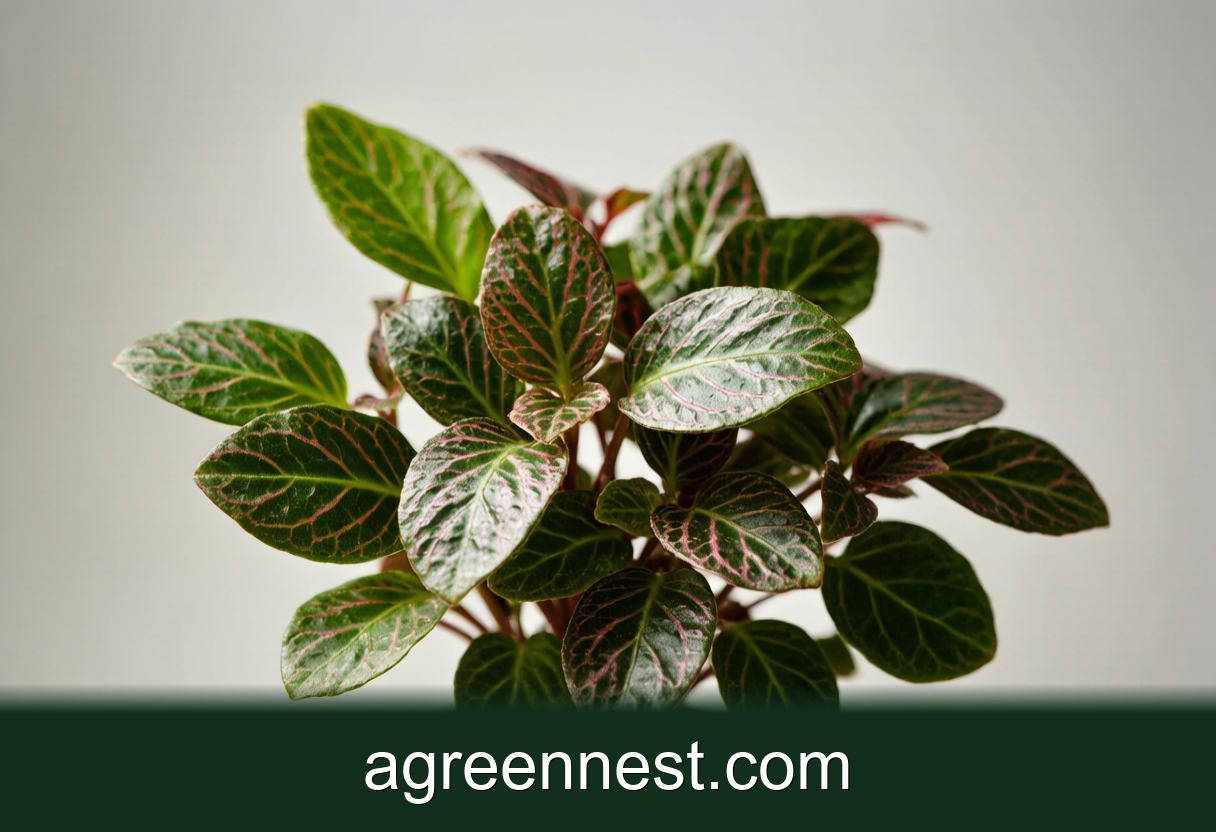
Do not overthink Nerve Plant Care Guide (Fittonia Verschaffeltii). It thrives in bright, indirect light and asks for little: water when the top layer of soil dries (10 days between waterings), and keep it away from harsh midday sun. A slightly lean soil and a stable, warm spot are all it needs to look good through the year.
The Nerve Plant, known botanically as Fittonia verschaffeltii, has earned a loyal following for one very theatrical reason. Give it a missed watering and the entire plant flops flat within a single afternoon, looking for all the world like it has given up. Pour a little water into the pot, and two hours later the same plant is standing upright and cheerful again. That drama is not a defect. It is a built-in reminder that the plant needs a drink, and it makes this species one of the most forgiving choices for a forgetful gardener.
Few other foliage plants signal their needs so clearly, since the showy pink, red, or white veins stay vivid when the plant is happy.
Why Does the Nerve Plant Collapse When Dry?
The thin, veined leaves carry very little water storage of their own, so they lose turgor pressure faster than a succulent or a thick-leaved philodendron would. When the potting mix dries past the lightly moist stage, the foliage simply cannot hold itself up. The good news is that the recovery is just as fast as the collapse. The first bout of panic is unnecessary, because a thorough watering at the first sign of droop brings everything back within a few hours.
Watching for the slump is actually easier than testing soil with a finger. Most growers find that checking the plant every morning for a week or two teaches them the rhythm. After that, the plant tells you when it is thirsty, and you rarely need a moisture meter at all.
Light Needs: Finding the Right Spot
Bright indirect light suits Fittonia verschaffeltii best, and a north or east window is a dependable home. The plant also tolerates lower light than many colourful foliage houseplants, which is why it shows up so often on bathroom shelves and office desks. What it cannot handle is hot, direct sun through a south-facing pane in summer. Strong rays scorch the delicate leaves and bleach the vein patterns that make the species so striking.
Leggy, stretched growth is the plant's way of asking for more light. When stems elongate and the spacing between leaves widens, move the pot a little closer to the window or add a small grow light for 10 to 12 hours a day. A modest boost usually restores compact growth within a month.
How Often Should You Water a Nerve Plant?
A practical schedule is to water every 7 to 10 days during the warmer growing months, then stretch that gap in winter when growth slows. The goal is lightly moist soil rather than a saturated root ball. Sitting in a puddle invites root rot, while bone-dry soil triggers the famous flop.
Keeping the top layer of mix just damp is the safest habit. In a small 10 cm pot the soil may dry within five days during a warm spell, while a larger 15 cm pot in a cool room can stay moist for nearly two weeks. Rather than watering on a fixed calendar date, lift the pot; a light pot means it is time, and a heavy one means wait a few more days.
Temperature and Humidity
Comfortable room temperatures between 60 and 82°F, which is 16 to 28°C, keep the plant content through the year. It dislikes cold drafts from an open window in January and objects to a spot directly above a radiator. Steady warmth matters more than any particular number on the thermometer.
Humidity is where many owners stumble. This is a plant that evolved under the canopy of South American rainforest, so it expects air at 50 percent relative humidity or higher. A simple pebble tray, refilled with water twice a week, raises the microclimate around the foliage. Brown, crispy leaf edges almost always point to air that is too dry, and grouping the plant with others on a tray usually solves the problem within a fortnight.
Soil and the Right Pot
A peat-free houseplant mix is the right base, and many growers improve it with a handful of perlite or fine bark to keep it from compacting. Drainage matters a great deal. A pot with a real drainage hole is non-negotiable, because standing water at the bottom is the fastest way to lose a Nerve Plant.
Terracotta works well in a humid room because it wicks excess moisture from the soil. In a dry home, a glazed ceramic pot holds humidity a little better. Either way, choose a container only slightly larger than the root ball; a huge pot stays wet too long and encourages rot.
How Do You Propagate a Nerve Plant?
Propagation is pleasingly simple and a good way to share the plant with friends. Take a 7 to 10 cm stem cutting just below a node, strip the lower leaves, and stand it in a glass of water on a bright windowsill. Roots typically appear in 2 to 3 weeks, at which point the cutting can move into a small pot of moist mix.
Another route is to lay the cutting directly on damp soil and keep it covered with a clear bag to hold humidity. Whichever method you choose, keep the new plant misted daily for the first month so the leaf surface does not dry out before the roots can supply water.
Why Are the Leaves Curling or Turning Crispy?
Curling and crisp edges are the two most common complaints, and both usually trace back to humidity. When the air drops below 40 percent, the thin leaves lose moisture faster than the roots can replace it. Raising humidity with a tray or a small humidifier clears most cases within two weeks.
Yellow, mushy lower leaves tell a different story, and that one is overwatering. Let the surface dry slightly between drinks and confirm the drainage hole is not blocked. Pale, faded veins mean the plant wants more light, so nudge it toward a brighter spot and watch the colour return over the following month.
Frequently Asked Questions
Is the Nerve Plant safe around pets?
Yes. Fittonia verschaffeltii is generally considered non-toxic to cats and dogs, which makes it a calm choice for a home with curious animals. As always, discourage chewing, but a nibbled leaf is not an emergency.
Can it live in a low-light bathroom?
It can, provided the room gets some natural daylight and you keep humidity up. A bathroom with a frosted window is often ideal, since the steam from showers does part of the work for you.
What is the smallest pot that works?
A 9 cm pot suits a single small plant and helps prevent overwatering by limiting soil volume. Move up only when roots begin to circle the base.
The Nerve Plant rewards a little attention with years of easy beauty, and its dramatic thirst signal means you are unlikely to forget it for long. For a personalised schedule, try our free watering calculator and pair it with the light calculator to pick the perfect spot.
Sources & further reading
GreenNest authors research and write every guide independently. The external links below are reputable references we recommend for deeper reading — they are not the sources we copied from.
- Royal Horticultural Society — Houseplant care — RHS
- Clemson Home & Garden Information Center — Clemson Extension
- Missouri Botanical Garden — Missouri Botanical Garden
Recommended Tools for Low-Light Indoor Plants Care
Free, no-signup helpers matched to this guide.
Free Ebooks to Explore
Downloadable handbooks — no email required.
Share Your Plant Story
Grown something tricky, or found a trick that finally worked? Tell us in the comments, or see what other readers are sharing on our Community page. The best reader tips get folded back into our guides.
Join the Conversation
Have a tip or a question about Nerve Plant Care Guide (Fittonia verschaffeltii)? Share it below — comments are saved on our server.