 AGreenNest
Low-Light Indoor Plants
Arrowhead Plant Care Guide (Syngonium podophyllum)

Arrowhead Plant Care Guide (Syngonium Podophyllum) is built for dim rooms. It tolerates bright, indirect light and actually suffers in hot direct sun. Water when the top 2-3 cm of soil feels dry (12 days between waterings), and keep humidity modest. A north or east window, or a few feet back from a bright one, is the sweet spot.
Arrowhead Plant at a Glance
| Care factor | What Arrowhead Plant wants |
|---|---|
| Light | low to bright indirect light, keep it out of hot, direct sun |
| Water | water deeply when the top 2 to 3 cm of soil feels dry, roughly every 12 days in the growing season, and far less in winter |
| Temperature | comfortable around 60 to 85°F (16 to 29°C) |
| Humidity | average home humidity is fine |
| Soil | a standard peat-free houseplant mix |
| Difficulty | very easy, great for beginners |
| Pet safe | no, keep it away from cats and dogs |
My own Syngonium podophyllum started as a single cutting in a jam jar, and within a season it had climbed the full length of a bookshelf. The young arrow shaped leaves are what give the plant its name, and they slowly become lobed and divided as the vine matures. It is the plant I hand to every friend who claims they cannot keep anything alive.
Light Needs
Low to bright indirect light suits this climber, and it genuinely suffers in hot, direct sun. A north or east window is perfect, or set it 90 cm back from a bright south window where the rays are softened. In my dim hallway it grows steadily with just a couple of hours of morning light, which makes it a reliable choice for rooms most plants would abandon.
Too much sun bleaches the leaves pale and crisps the edges within days. If your only spot is bright, hang a sheer curtain or move the pot farther from the pane. Rotate it a quarter turn every 14 days so the vine climbs evenly instead of leaning hard toward the light source.
Watering Schedule
Water deeply when the top 2 to 3 cm of soil feels dry to the touch. In the growing season I water roughly every 12 days, and in winter I slow to every 20 to 25 days as the plant rests. Use about 250 ml for a 12 cm pot, enough to moisten the whole root ball, then tip out any water left in the saucer after 30 minutes.
This plant tolerates a missed watering better than a flooded one. The leaves droop dramatically when thirsty, then perk up within an hour of a good drink, which makes it easy to read. A moisture meter sitting at 3 on a 1 to 10 scale is my cue that the next watering is due soon.
Soil and Pot
A standard peat-free houseplant mix is all it needs. I loosen mine with 1 part perlite to 3 parts mix so the roots breathe and the soil does not compact. A pot with a real drainage hole is non-negotiable, because sitting in water is the fastest way to lose an Arrowhead Plant. A 12 cm pot suits a young specimen, and you can step up to 15 cm as the vine fills out.
Feed every 14 days in spring and summer with 1 teaspoon of balanced fertilizer per gallon of water. Drop to once a month in autumn and pause in deep winter, since the plant is barely growing and surplus salts only build up in the mix.
Temperature and Humidity
Comfortable room temperatures between 60 and 85°F (16 and 29°C) keep it content. Average home humidity is fine, though a light mist twice a week encourages bigger leaves and a glossier surface. Keep it away from cold windowpanes in winter and from dry heating vents, both of which brown the leaf tips and slow new growth.
How to Propagate Arrowhead Plant
Stem cuttings are the easy answer. Take a 10 cm section with at least one node, let the cut end callus for a day, then root it in water or moist soil at 72°F (22°C). White roots show within 2 to 3 weeks, and you can pot the cutting once they reach 3 cm. I keep three jars on the windowsill through summer, and almost every one takes, which is why this plant is such a generous gift giver.
Common Problems and Fixes
Leaning or stretched growth means the plant wants more light, so move it brighter or add a grow light. A mushy, yellow base signals overwatering, so let the soil dry and check the roots for soft, dark sections. Brown, crispy edges usually point to low humidity or salt build-up, so flush the pot with 2 cups of plain water and raise humidity a little.
Why Are My Arrowhead Leaves Turning Green?
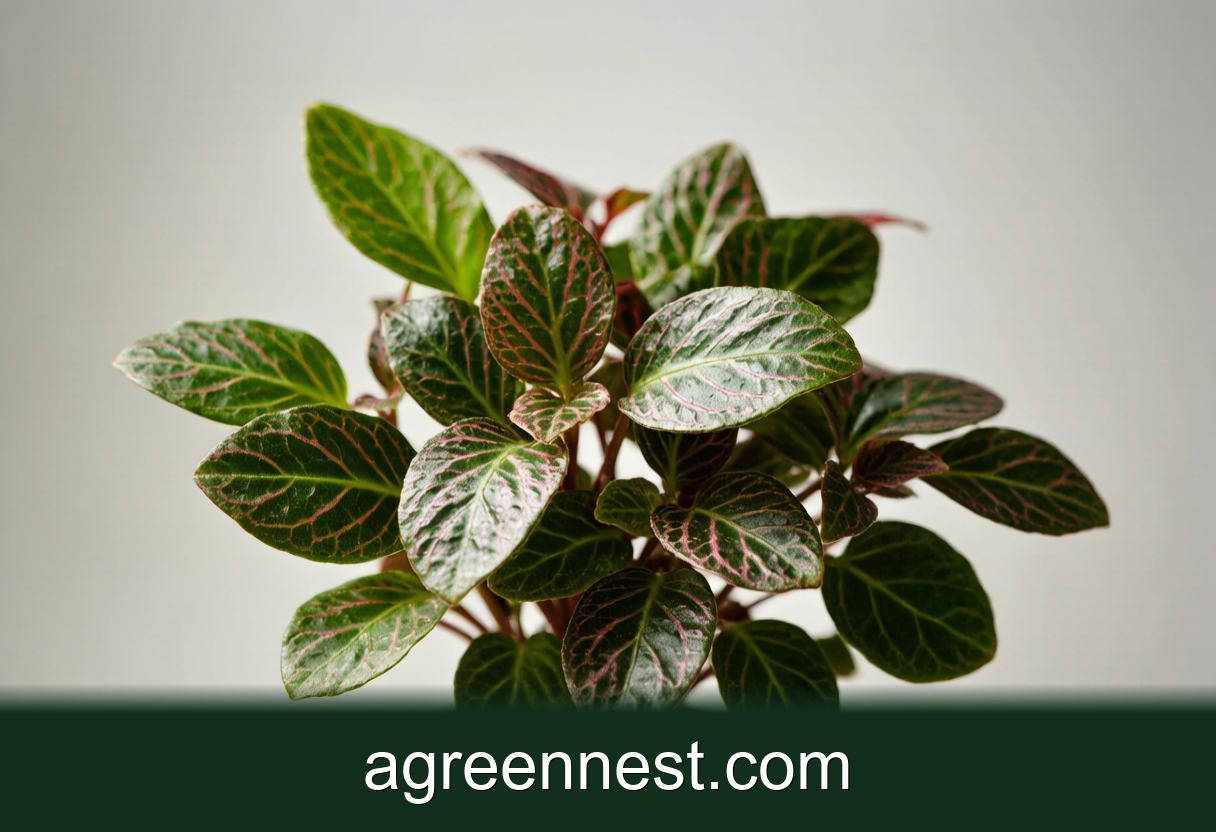
Plain green leaves usually mean the plant is reaching for more light. Move it closer to a bright window or add a grow light for 10 to 12 hours a day, and new growth will regain its cream and pink variegation. Older leaves near the base also fade naturally as the vine climbs, so trim those to redirect energy into the colorful young shoots at the top.
What Should I Do About the Climbing Stems?
Left alone, the vine sprawls and can tangle. Give it a small moss pole or a hoop to climb, tying the stems gently every 10 cm with soft plant twine. If you prefer a bushy shape, pinch the tips back to 2 cm above a leaf node every 4 to 6 weeks, and the plant will branch instead of running long and leggy.
Frequently Asked Questions
Q: How often should I water Arrowhead Plant?
A: Water deeply when the top 2 to 3 cm of soil feels dry, roughly every 12 days in the growing season and far less in winter.
Q: Is Arrowhead Plant safe for pets?
A: No, keep it away from cats and dogs, since the sap and leaves can irritate if chewed.
Q: How do I make more of it?
A: Take a 10 cm stem cutting with a node, let it callus, then root it in water or moist soil.
Arrowhead Plant thrives on a little neglect and rewards you with fast, forgiving growth. For a personalised schedule, try our free watering calculator and pair it with the light calculator to find its happy spot in your home.
Recommended Tools for Low-Light Indoor Plants Care
Free, no-signup helpers matched to this guide.
Free Ebooks to Explore
Downloadable handbooks — no email required.
Sources & further reading
GreenNest authors research and write every guide independently. The external links below are reputable references we recommend for deeper reading — they are not the sources we copied from.
- Cornell Garden-Based Learning — Cornell University
- Clemson Home & Garden Information Center — Clemson Extension
- Aggie Horticulture (Texas A&M) — Texas A&M AgriLife
Share Your Plant Story
Grown something tricky, or found a trick that finally worked? Tell us in the comments, or see what other readers are sharing on our Community page. The best reader tips get folded back into our guides.

Join the Conversation
Have a tip or a question about Arrowhead Plant Care Guide (Syngonium podophyllum)? Share it below — comments are saved on our server.