 AGreenNest
Low-Light Indoor Plants
Areca Palm Care Guide (Dypsis lutescens)
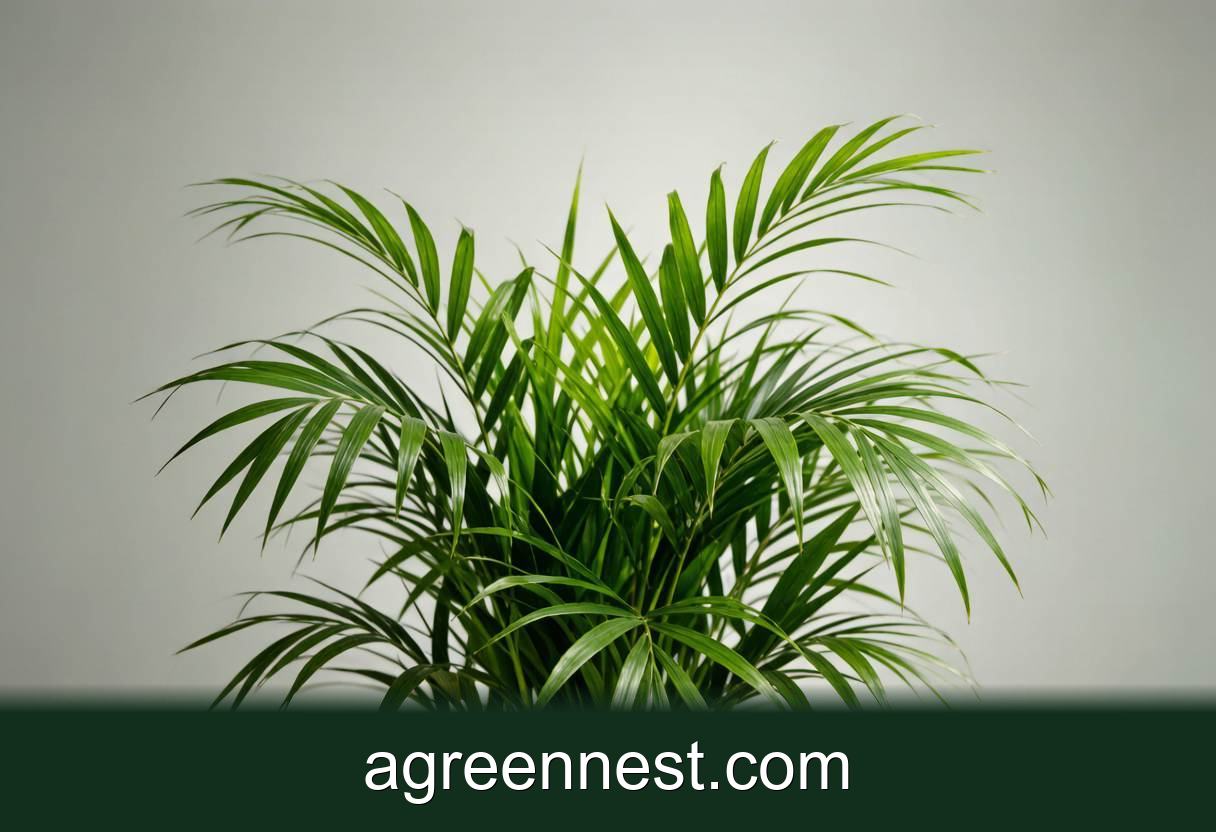
Areca Palm Care Guide (Dypsis Lutescens) is built for dim rooms. It tolerates bright, indirect light and actually suffers in hot direct sun. Water when the top 2-3 cm of soil feels dry (12 days between waterings), and keep humidity modest. A north or east window, or a few feet back from a bright one, is the sweet spot.
A decade ago my sister gifted me a tall Dypsis lutescens that barely fit through the door. The areca palm, as it is commonly called, became the green heartbeat of my living room. Within a month its feathery fronds had relaxed and turned a deeper, happier green. That early success taught me more about indoor palms than any book could.
Why Do Areca Palm Tips Turn Brown?
Brown leaf tips are the classic cry of an unhappy areca palm. Fluoride and chlorine in ordinary tap water build up in the soil and scorch the fragile frond ends. Too much fertilizer does the same damage, since these palms are light feeders by nature. Switching to filtered water and feeding only once every two months solves most cases.
My first palm developed crisp brown tips within weeks of arrival. I blamed low humidity, but the true culprit was a weekly strong feed I thought was helpful. Cutting the dose to one quarter strength reversed the burn slowly over the next two months. Patience, as always, proved the better tool for recovery.
What Light Does an Areca Palm Prefer?
Bright indirect light keeps an areca palm at its lush best. A few gentle hours of morning or evening sun are welcome and even encourage strong growth. Hot midday rays through glass, however, can bleach and wilt the fronds. North or east windows suit it perfectly, while a sheer curtain saves a too-southern sill.
Rotate the pot a quarter turn weekly so every side reaches for the light evenly. Leggy, stretched canes signal a need for brighter conditions nearby. Grow lights supplement dim winters without the risk of scorching tender new leaves. A spot near a bright curtain also softens the contrast between day and night for steadier growth.
How Often Should I Water an Areca Palm?
Feel the top 3 to 4 cm of mix with a finger before each watering session. When that layer is dry, soak the root ball until water exits the base freely. In the growing season this lands around every 12 days for most homes. Winter slows everything, so a drink every 18 to 24 days usually suffices.
Keeping the soil evenly moist, never waterlogged, matches the palm's natural riverbank ease. I learned this the hard way after letting one dry to a crisp, then flooding it in guilt. A steady rhythm beats dramatic rescues every single time. Lifting the pot to judge weight remains the most reliable check I know, and it takes only a second.
Choosing the Right Pot and Mix
A peat-free houseplant blend forms the safe foundation for this palm. Blend in one part coarse sand to four parts mix for steadier drainage. A pot with a real drainage hole is essential, because soggy feet invite fatal root rot. Size up only one container width when repotting, ideally in late spring for the strongest recovery.
Terracotta breathes better than glossy plastic and helps the mix dry between drinks. Flush the soil with plain water every six weeks to wash away accumulated salts. Many owners skip this, yet it is the quiet secret behind spotless green fronds. A layer of horticultural grit on top deters fungus gnats and keeps the surface from crusting over.
Temperature and Humidity Needs
Warm, stable rooms suit Dypsis lutescens, roughly 55 to 82°F, or 13 to 28°C. Cold drafts below 50°F, or 10°C, yellow the lower fronds and stall new growth. Humidity near 50 percent keeps tips from browning, and a pebble tray under the pot supplies that cheaply. Misting every other morning adds a welcome lift in dry heated homes.
Grouping the palm with other foliage raises local moisture without extra gadgets. A small humidifier set to 50 percent cured my worst tip burn in under three weeks. Bathrooms with bright windows are surprisingly ideal homes for this tropical beauty. Sudden temperature swings near a radiator will also crisp the frond ends faster than any drought.
Common Problems and Fixes
Yellowing lower fronds often mean overwatering or cold exposure at the roots. Let the mix dry a little deeper and move the pot away from chilly glass. Spider mites love dry, dusty palms, so wipe leaves weekly with a damp cloth. Pale, stretched growth asks simply for more indirect brightness nearby.
Salt crust on the soil surface signals fertilizer excess and demands a thorough flush. Catching these issues early keeps an areca palm handsome for many years. Rarely, scale insects appear; a cotton swab dipped in alcohol removes them gently without spraying the whole plant.
Frequently Asked Questions
Q: Is the areca palm safe for pets?
A: Yes, Dypsis lutescens is generally considered non-toxic to cats and dogs, making it a reassuring choice for animal-loving households.
Q: Can I grow an areca palm in low light?
A: It tolerates dim corners briefly, but bright indirect light prevents leggy canes and brown tips. A grow light helps through dark winter months.
Q: Why are my palm's tips brown despite watering well?
A: Fluoride in tap water and overfeeding are the usual causes. Use filtered water and feed lightly, just once every two months at quarter strength.
An areca palm rewards gentle, consistent care with years of tropical elegance. Give it bright indirect light, steady moisture, and a little humidity, and it will grace your room like living architecture. Try our free watering calculator to set a personal schedule, then pair it with the light calculator to choose the brightest safe spot.
Recommended Tools for Low-Light Indoor Plants Care
Free, no-signup helpers matched to this guide.
Free Ebooks to Explore
Downloadable handbooks — no email required.
Sources & further reading
GreenNest authors research and write every guide independently. The external links below are reputable references we recommend for deeper reading — they are not the sources we copied from.
- NC State Extension — Plant Toolbox — NC State Extension
- Royal Horticultural Society — Houseplant care — RHS
- Royal Botanic Gardens, Kew — Kew Gardens
Share Your Plant Story
Grown something tricky, or found a trick that finally worked? Tell us in the comments, or see what other readers are sharing on our Community page. The best reader tips get folded back into our guides.
Join the Conversation
Have a tip or a question about Areca Palm Care Guide (Dypsis lutescens)? Share it below — comments are saved on our server.