 AGreenNest
Low-Light Indoor Plants
Pet-Safe Houseplants (Cats and Dogs)
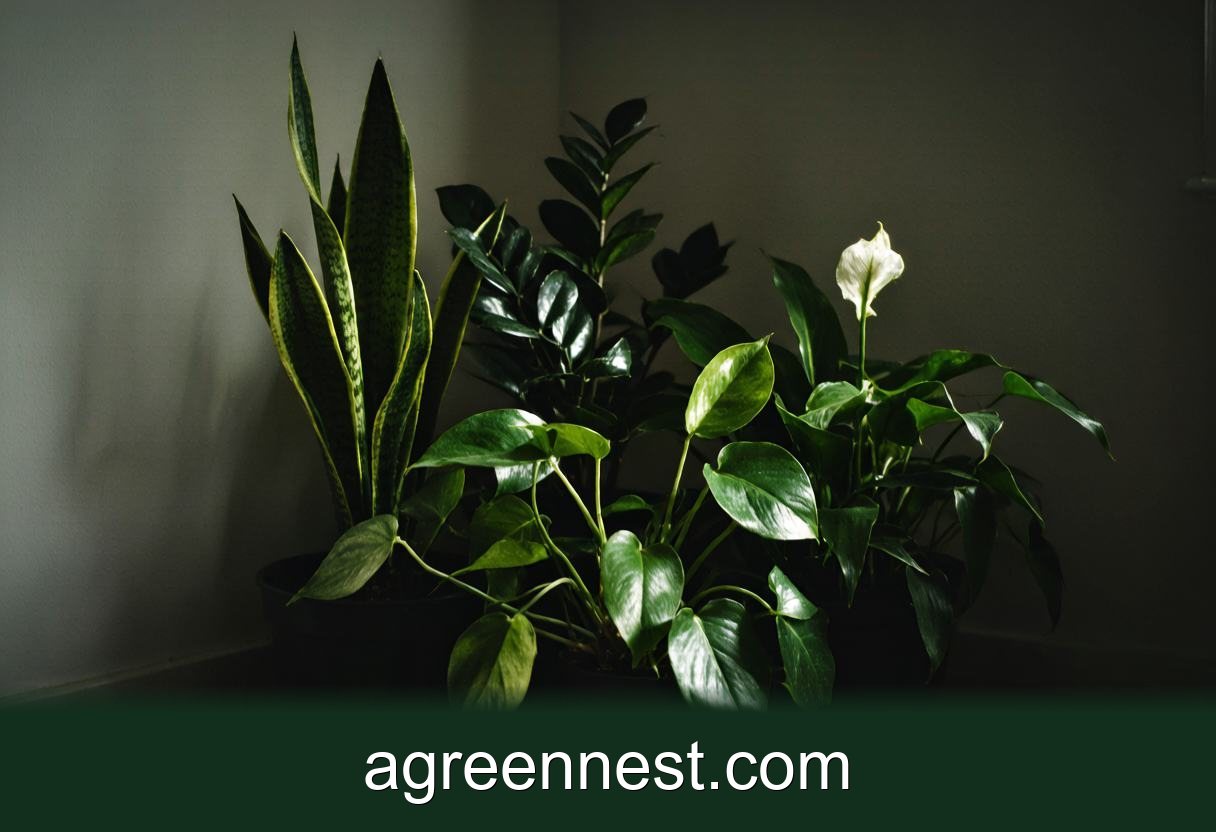
Do not overthink Pet-Safe Houseplants (Cats and Dogs). It thrives in low to medium light and asks for little: water when the top layer of soil dries (when the top 2-3 cm of soil feels dry), and keep it away from harsh midday sun.
A Gentle Caveat Before the List
I want to start with honesty, because the words pet-safe get tossed around too loosely. What the term really means is that a plant is not on the usual veterinary toxic lists, not that it is a snack. Any leaf can upset a cat or dog stomach if chewed in quantity, and some pets simply react to fibre. My rule at home is to place every plant where paws and curious noses cannot easily reach, even the safe ones.
Most of the trouble comes from assumption. An owner reads non-toxic and leaves a trailing vine on the floor, then wonders why the kitten throws up. Safety is a partnership between the right plant and the right spot. The list below covers species I have kept alongside two dogs and a very bold cat without a single scare.
Guests are the wild card. A well meaning visitor who sets a bouquet on the floor can undo a year of careful planning in an afternoon, so I now warn people gently the moment they walk in with flowers. A simple word ahead of time keeps everyone relaxed, including the pets.
Which Plants Make the Shortlist?
Boston fern, known to botanists as Nephrolepis exaltata, is my top pick for bathrooms because it loves the steam. Cast-iron plant, or Aspidistra elatior, earns its name by surviving dim corners and the occasional bump. Spider plant (Chlorophytum comosum) is the classic beginner choice, mildly tempting to cats but not toxic, so a nibble brings no panic.
Peperomia, especially Peperomia obtusifolia, stays compact and shrugs off neglect. Hoya, with Hoya carnosa the most common, offers waxy leaves that pets tend to ignore. Prayer plants in the Maranta leuconeura group bring showy stripes and ask only for gentle light. For succulent lovers, Haworthia species and Christmas cactus (Schlumbergera) round out a safe shelf.
Calathea deserves its own line for colour lovers. Its rounded leaves fold up at dusk like quiet hands and shrug off pet interest, though it asks for a little more humidity than the tougher types on this list. A bright bathroom shelf suits it beautifully.
How Do You Keep Them Out of Reach?
Height does a lot of quiet work. I keep the tempting trailing types on high shelves and use hanging planters for the spider plant so its arching babies stay above the leap zone. A closed room or a plant cabinet solves the problem completely if your pet is a persistent climber.
Training helps more than people admit. A firm no and a redirected toy when the cat heads for the fern builds a habit within a week or two. Bitter apple spray on the pot rim deters the occasional chewer, though I prefer simply moving the plant. Consistency beats any product you can buy.
What About the Dangerous Ones?
Some popular houseplants are genuinely risky and belong nowhere near pets. Pothos (Epipremnum aureum) and philodendron cause mouth and throat irritation that sends pets to the vet. Lilies are the serious case for cats, with even a small amount of pollen able to trigger kidney failure. Sago palm is another severe one, and aloe vera can upset the gut despite its soothing reputation for people.
I keep a short mental list of the forbidden few on the fridge so guests never bring a risky bouquet. Knowing what to avoid is as important as knowing what is safe, and the two lists together give real peace of mind. A calm home is one where both the plants and the animals are planned for.
A simple habit protects everyone. I take a photo of any new plant on my phone before it enters the house, then tag it safe or avoid, so a quick scroll answers the late night what if from a worried partner.
How Often Should You Check for Trouble?
A weekly once-over catches problems before they grow. I lift leaves and look for chewed edges, then check the floor for dropped foliage a pet might find. Most mild cases from the safe list mean little more than a sleepy afternoon, but the habit of looking keeps you ahead of anything serious.
Young pets need the closest watch. A puppy or kitten explores with the mouth for the first six months, so I keep the lower shelf empty entirely during that phase and move everything to eye level or higher. The habit of looking low, where small creatures roam, is the best guard you have.
Temperature and light matter for the plants themselves. Most of these species are happy between 60°F and 75°F (16°C and 24°C) with medium indirect light. A plant that thrives is a plant left alone by a bored pet, so good care is quietly part of the safety plan.
Frequently Asked Questions
Q: Is pothos safe for cats and dogs?
A: No. Pothos and philodendron cause mouth and throat irritation, so keep them well out of reach or choose a safe alternative from the list above.
Q: My cat ate a leaf from a safe plant. What should I do?
A: For the species listed here, mild stomach upset is the likely result. Watch for vomiting or lethargy, and call your vet if anything looks worrying.
Q: Are succulents generally okay around pets?
A: Many are, including Haworthia and Christmas cactus, but avoid aloe vera and the popular jade plant, which can cause trouble if eaten.
Choosing pet-safe greenery is less about fear and more about good placement and a short list of known offenders. I match each safe plant to my light using the light calculator, then enjoy the company of both my plants and my pets. A little planning keeps everyone calm, healthy, and happily sharing the same sunny room.
Sources & further reading
GreenNest authors research and write every guide independently. The external links below are reputable references we recommend for deeper reading — they are not the sources we copied from.
- Cornell Garden-Based Learning — Cornell University
- NC State Extension — Plant Toolbox — NC State Extension
- Clemson Home & Garden Information Center — Clemson Extension
Recommended Tools for Low-Light Indoor Plants Care
Free, no-signup helpers matched to this guide.
Free Ebooks to Explore
Downloadable handbooks — no email required.
Share Your Plant Story
Grown something tricky, or found a trick that finally worked? Tell us in the comments, or see what other readers are sharing on our Community page. The best reader tips get folded back into our guides.
Join the Conversation
Have a tip or a question about Pet-Safe Houseplants (Cats and Dogs)? Share it below — comments are saved on our server.