 AGreenNest
Low-Light Indoor Plants
Cast Iron Plant Care: The Near-Indestructible Green
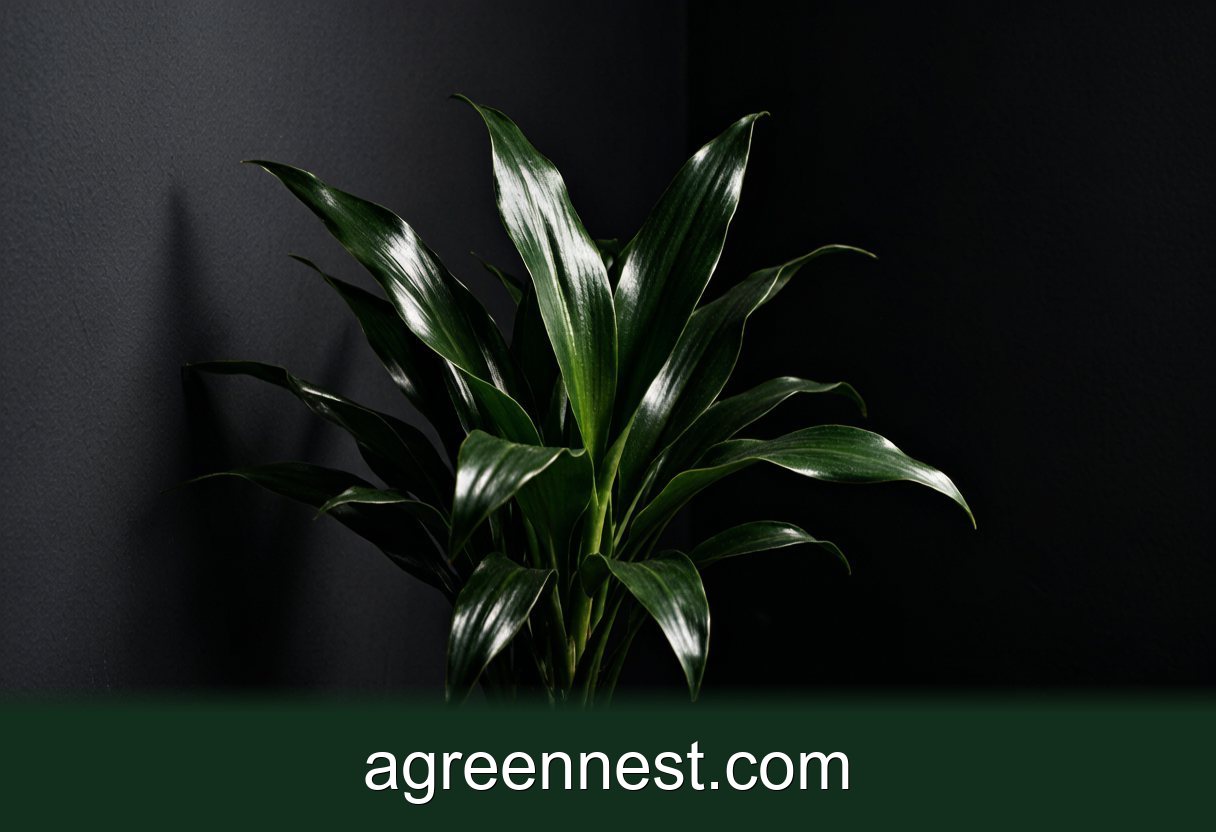
Do not overthink Cast Iron Plant. It thrives in a few hours of direct sun and asks for little: water when the top layer of soil dries (4 weeks between waterings), and keep it away from harsh midday sun. A slightly lean soil and a stable, warm spot are all it needs to look good through the year.
The Cast Iron Plant, known botanically as Aspidistra elatior, earns its name by surviving conditions that finish off almost anything else. If you have a dark hallway, a windowless bathroom, or a long history of killing plants, this is the green you have been looking for. I brought my first one home from a dusty corner shop, and it outlived two jobs and a cross-country move. This guide covers how much shade it can take, how rarely you really need to water it, and the simple upkeep that keeps those big leaves shining year after year.
Why Is the Cast Iron Plant So Tough?
Few houseplants shrug off neglect like this one does. A thick root system stores both water and nutrients, so the plant simply waits out your mistakes instead of dying from them. That built-in buffer is why it thrives where fussier species curl up and quit.
Most beginners expect every plant to need constant attention, but Aspidistra elatior breaks that rule completely. Give it steady warmth between 60°F and 75°F, or 15°C and 24°C, and it asks for almost nothing else in return.
The Deepest Shade Tolerance
This species is the champion of dark corners. It grows naturally on the forest floor beneath a dense canopy, so it is perfectly happy in twenty-five to one hundred fifty foot-candles, light levels most plants call uninhabitable.
A spot several feet from a small window works well. A shadowed stairwell or a room lit only by a ceiling bulb also works. It even tolerates a fully windowless office with steady artificial light from overhead panels.
There is almost no such thing as too dark for this plant. As long as you can still make out your surroundings without a flashlight, an Aspidistra can live there comfortably. The trade-off is speed, because in deep shade it grows at a snail's pace.
That slow pace makes it perfect for people who want a permanent, architectural plant that simply sits and looks good without demanding attention.
How Little Light Can It Really Take?
You can place it several feet from any window and still see healthy growth. Artificial light alone, from a standard ceiling fixture running eight to ten hours a day, keeps it alive and green.
Low light does slow the leaf count, so do not expect a jungle. Two to four new leaves per year is normal, and that restraint is part of its quiet charm rather than a sign of poor health.
Unlike a Sansevieria trifasciata that wants some brighter indirect sun, this plant settles for far less and stays content in a dim room for years.
Slow Growth Is a Feature
Vining plants explode across a shelf in a single season, but the Cast Iron Plant puts out just a few new leaves a year. Each leaf can live for several years, which is part of its patient appeal.
A mature plant in low light might unfurl two to four new leaves per growing season. Do not panic if nothing seems to happen for months, because dormant does not mean dead with this species.
Because it grows so slowly, it rarely outgrows its pot. You typically repot only every three to five years, or when the thick roots start cracking the container from the inside out.
Slow growth also means it needs very little fertilizer. A single light feeding in spring, mixed at one teaspoon per litre of water, is plenty. Overfeeding is far more likely to cause problems than underfeeding with this patient plant.
How Often Should You Water It?
The single biggest mistake with Aspidistra is watering it like a normal houseplant. Its thick, fleshy roots store water, and its slow metabolism uses almost none of it.
In low light, water roughly every two to four weeks, letting the top two to three inches of soil dry completely first. In winter, you may water as little as once a month without any harm.
Press your finger two knuckles into the soil to test it. If you feel any cool moisture, wait another few days. Only when the soil is dry well down the pot do you give it a thorough soak, letting water run from the drainage holes.
Always empty the saucer after watering. Soggy soil is the one thing that can kill a Cast Iron Plant, causing root and crown rot that shows up as mushy, collapsing leaves at the base.
Dusting the Leaves
Those big, broad, arching leaves are gorgeous, but they are also dust magnets. In a dim room, every speck of dust steals precious light the plant cannot spare for photosynthesis.
Use a soft, dry microfiber cloth to wipe each leaf from base to tip. For stuck-on grime, lightly dampen the cloth with lukewarm water and a single drop of mild soap, then rinse with a clean damp cloth.
Support each leaf from underneath so you do not snap the stem at its base. Aspidistra leaves are tough, so you can be a little firmer than you would with delicate foliage.
Aim to dust every two to four weeks depending on how dusty your room gets. Keeping the leaves clean is the closest thing this plant has to a real requirement, because a clean leaf surface captures far more of the dim light available.
Common Low-Light Problems
Even a near-indestructible Aspidistra has a few weak points worth knowing. Brown leaf tips usually mean dry air or fluoridated tap water, so switch to filtered water and raise humidity slightly with a pebble tray.
Mushy base leaves signal overwatering, and you should cut back immediately and let the soil dry fully. Faded, bleached patches mean too much direct sun, so move the plant deeper into shade where it wants no hot rays.
Pests are rare, but scale insects can hide on the leaf undersides. Wipe them off with rubbing alcohol on a cotton pad and check monthly through the winter to catch them early.
Frequently Asked Questions
Can a Cast Iron Plant really grow in a windowless room?
Yes. It tolerates steady artificial light and is one of the few plants that survive with no natural window at all, though it grows extremely slowly.
How often should I water an Aspidistra?
Every two to four weeks in low light, letting the top two to three inches of soil dry completely. In winter, once a month is often enough.
Why are my Cast Iron Plant leaves turning brown at the tips?
Usually dry air or chemicals in tap water cause it. Switch to filtered water and add a little humidity with a pebble tray to stop the spread.
Is the Cast Iron Plant safe around pets?
Yes, Aspidistra is non-toxic to cats and dogs, making it a safe choice for households with curious pets.
How fast does a Cast Iron Plant grow?
Very slowly, often just two to four new leaves per year in low light. Its patience is a feature, not a problem to fix.
Does the Cast Iron Plant need fertilizer?
Barely. One light feeding in spring is plenty. Overfertilizing does more harm than good for this slow grower.
The Cast Iron Plant is proof that the best low-light indoor plants are sometimes the quietest ones. Pair it with a Chinese evergreen for a pop of color, and when planning a dim corner, try our free light calculator to find the perfect spot. Start with one plant in your darkest room, and let its stubborn calm change how you think about easy care.
Sources & further reading
GreenNest authors research and write every guide independently. The external links below are reputable references we recommend for deeper reading — they are not the sources we copied from.
- NC State Extension — Plant Toolbox — NC State Extension
- Aggie Horticulture (Texas A&M) — Texas A&M AgriLife
- Missouri Botanical Garden — Missouri Botanical Garden
Recommended Tools for Low-Light Indoor Plants Care
Free, no-signup helpers matched to this guide.
Free Ebooks to Explore
Downloadable handbooks — no email required.
Share Your Plant Story
Grown something tricky, or found a trick that finally worked? Tell us in the comments, or see what other readers are sharing on our Community page. The best reader tips get folded back into our guides.
Join the Conversation
Have a tip or a question about Cast Iron Plant Care: The Near-Indestructible Green? Share it below — comments are saved on our server.