 AGreenNest
Low-Light Indoor Plants
July Indoor Plant Care: What to Do This Month
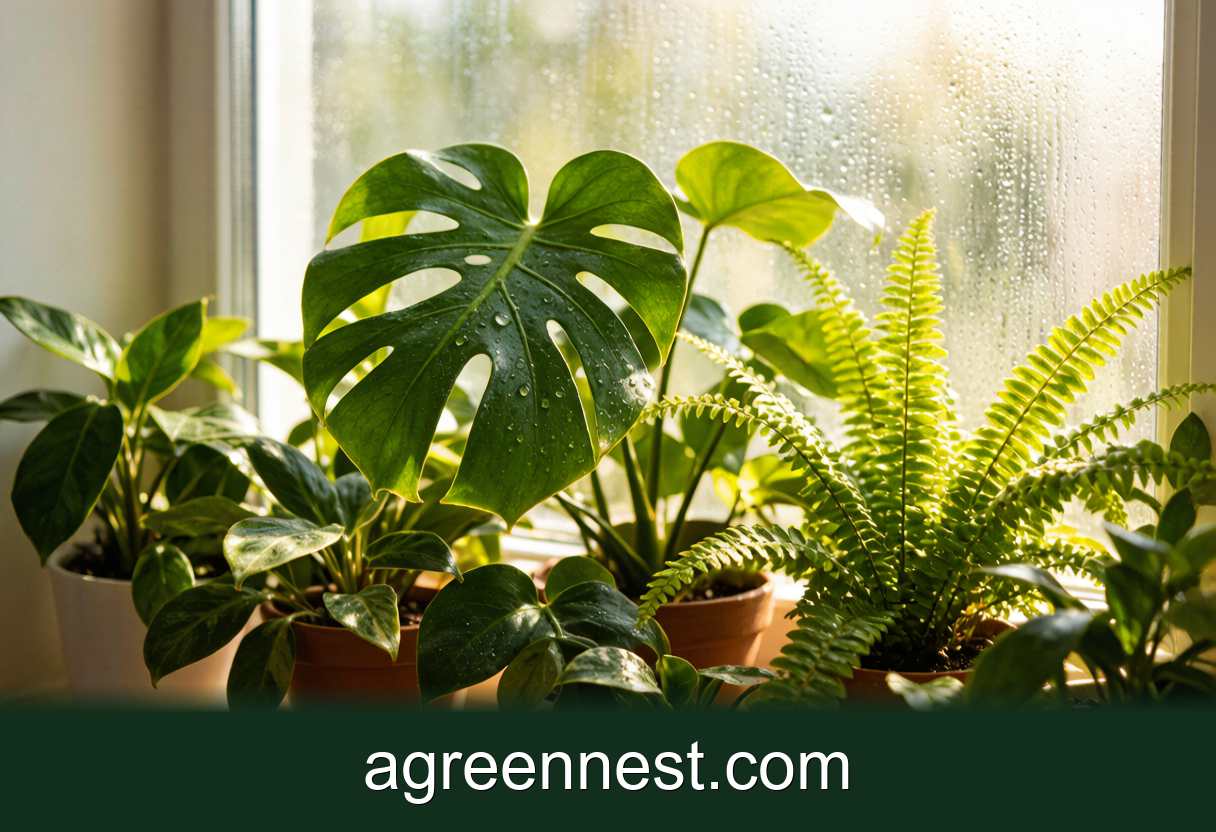
Do not overthink July Indoor Plant. It thrives in a south or west window and asks for little: water when the top layer of soil dries (4 days between waterings), and keep it away from harsh midday sun. A slightly lean soil and a stable, warm spot are all it needs to look good through the year.
The July light is a different animal
By the time July arrives, my south window has turned into a small oven by noon. Daylight stretches to between 14 and 16 hours across most of the northern half of the country, and that extra glow is not gentle. Plants drink that light and the water to match it, which is why your routine from March no longer fits.
Two things follow for anyone keeping houseplants indoors. You water more often than you did in spring, and you must shield the leaves from glass that now acts like a magnifying lens. Leaves that loved a west sill in March can scorch there in July because the sun rides higher and the pane focuses heat into a hot spot.
I learned this the hard way with a Calathea ornata that dropped three leaves in a single hot weekend. I now slide my prayer plant and my Boston fern back from the glass by about 20 cm, and both stop throwing brown edges within a week. That same 20 cm of distance can mean the difference between a happy leaf and a crispy one. Room temperatures in July often sit between 24 and 28°C (75 to 82°F) during the day, which pushes evaporation up by roughly a third compared with spring.
What changes in your weekly rhythm
Test the soil every 3 to 4 days instead of the weekly glance you gave it in spring. In a warm room a golden pothos can swing from damp to bone dry in five days flat, so a once a week look is simply not enough. Water deeply until liquid runs from the drainage hole, then let the top layer dry before the next round. Sprinkling only wets the surface and leaves the roots thirsty.
Mist or run a humidifier for tropicals when the air conditioner drags the room below 40 percent relative humidity. My own bedroom sits at 38 percent in July with the AC running, so my Maranta leuconeura gets a pebble tray and a weekly mist to keep its leaves from curling. Wipe the leaves every seven days with a soft cloth, because dust steals the light a fast growing leaf needs and July growth is too quick to waste.
Rotate the pots a quarter turn each time you water. Light comes from one side in summer, and a plant that never turns will grow lopsided by August. This small twist keeps the canopy even and the stems straight. Plants in a 1500 lux spot grow noticeably fuller than those stuck at 600 lux in a dim corner. Morning light through an east window runs about 5000 lux in July, plenty for a pothos to thrive.
Why does July fool so many plant owners?
The first trap is thinking "summer equals more water" means "water daily." That idea is wrong. Summer means check more often and water only when the soil is dry, which might still land every 5 days depending on the pot. The second trap is leaving a plant in a sealed, south facing room during a heatwave. Move them off the glass and crack a window, because heat above 35°C (95°F) stalls growth and bakes the roots within a few hours.
Pests love this season as much as the plants do. Warmth plus tender new growth equals aphid and spider mite season, and the warm dry air of an air conditioned room is exactly what mites want. I flip a leaf while I water and catch the early webbing before it spreads to the next pot. One mite colony can double in 4 days on a stressed plant, so a five minute check saves a month of recovery. Spraying the undersides with a 1 to 2 percent diluted soap solution knocks most outbreaks back within a week.
How often should you feed in July?
Summer is the one window when most plants want steady food, so do not skip it. Mix fertilizer at half strength and pour every 2 to 3 weeks to match the faster growth. Solutions of 10 to 20 ppm nitrogen suit leafy tropicals, while ferns and calatheas appreciate the upper end near 25 ppm. Push to 30 ppm only for heavy feeders, and stop the moment you see tip burn because too much is worse than none.
Propagation rides the same wave of energy. Summer cuttings root in 2 to 3 weeks if you let the stem callus dry for a day before planting. If you have not tried leaf propagation on a succulent, now is the gentle moment to begin, since the heat speeds the callus and the roots alike. One leaf of Graptopetalum paraguayense can yield three new rosettes by the end of the month.
When is it safe to move plants outdoors?
Acclimate them over a week and a shaded porch works wonders for most species. Start with two hours of morning shade, then add an hour of exposure daily so the leaves build protective pigment. Never place them in direct midday sun, and bring them in before cool nights if they are tropical types that hate drops below 13°C (55°F). My Spathiphyllum wallisii comes inside the instant the thermometer threatens 15°C (59°F) after dark, because cold roots make it sulk for weeks.
Watch the rain too. Storms in summer can dump 25 mm of water onto a pot in twenty minutes, which floods the root zone and invites rot. Set outdoor plants under cover or tip the excess from the saucer after a downpour.
Frequently Asked Questions
Should I put my plants outside in July?
Acclimate them over a week and yes, a shaded porch does wonders. Never in direct midday sun, and bring them in before cool nights if they are tropical.
My plant grew fast then stopped. What happened?
Either it hit the pot limit or the heat climbed too high. Look at the roots and consider repotting in early autumn instead of midsummer.
Is July a bad time to repot?
Not terrible, but spring is better. Do it only if a plant is root bound and struggling; otherwise wait for growth to ease in September.
July asks you to watch more than you do. Feel the soil often, guard the leaves from the glass, and let the long light handle the growing. Make the weekly leaf wipe your one new habit this month. This is the cheapest growth trick I know, and the one my plants thank me for most.
Sources & further reading
GreenNest authors research and write every guide independently. The external links below are reputable references we recommend for deeper reading — they are not the sources we copied from.
- Cornell Garden-Based Learning — Cornell University
- NC State Extension — Plant Toolbox — NC State Extension
- Royal Horticultural Society — Houseplant care — RHS
Recommended Tools for Low-Light Indoor Plants Care
Free, no-signup helpers matched to this guide.
Free Ebooks to Explore
Downloadable handbooks — no email required.
Share Your Plant Story
Grown something tricky, or found a trick that finally worked? Tell us in the comments, or see what other readers are sharing on our Community page. The best reader tips get folded back into our guides.
Join the Conversation
Have a tip or a question about July Indoor Plant Care: What to Do This Month? Share it below — comments are saved on our server.