 AGreenNest
Low-Light Indoor Plants
Dracaena fragrans 'Massangeana' Low-Light Care
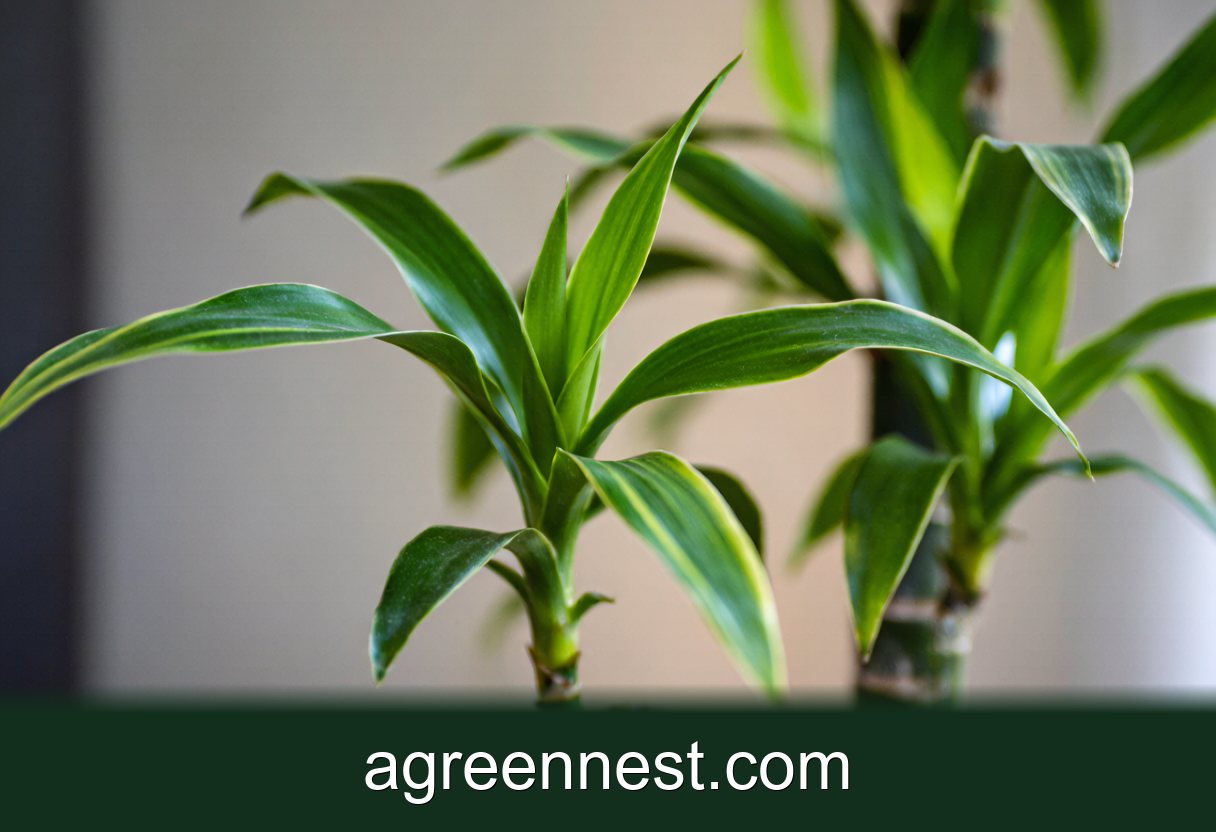
Do not overthink Dracaena Fragrans 'Massangeana' Low-Light. It thrives in a few hours of direct sun and asks for little: water when the top layer of soil dries (14 days between waterings), and keep it away from harsh midday sun. A slightly lean soil and a stable, warm spot are all it needs to look good through the year.
The Dracaena fragrans 'Massangeana', lovingly called the corn plant, is one of the most forgiving houseplants you can bring home. Its broad, arching leaves with a creamy centre stripe thrive in spots where brighter plants would sulk. I bought my first one from a supermarket for a few dollars, and it outlived two moves and a forgotten watering streak.
Why the Corn Plant Is a Beginner Favorite
Dracaena fragrans 'Massangeana' earns its place in beginner collections because it asks so little yet looks dramatic. One cane can grow three to six feet tall indoors, giving you a tropical feel without a greenhouse. It tolerates neglect better than most leafy plants, bouncing back from missed waterings with patience. If you want a statement plant that survives a busy schedule, this is it. My Dracaena marginata in the hall proves the whole genus is easygoing, but the corn plant is the showiest of the bunch.
What Light Does a Corn Plant Need?
Give your corn plant low to medium indirect light for the best growth. A north or east window is ideal, and it will even manage a dim corner with only a few hours of filtered daylight. Avoid harsh direct sun, which scorches the leaves into brown patches within days. If your room is consistently dark, consider adding a gentle grow light for 8 to 10 hours a day to keep the variegation crisp.
How Often Should I Water It?
Water Dracaena fragrans 'Massangeana' every 10 to 14 days, letting the top 2 inches of soil dry between drinks. In winter, stretch that to every 14 to 21 days as growth slows. I mark each watering on a wall calendar so I never lose track during busy weeks.
Use the finger test: push a finger into the soil, and if it feels dry past the second knuckle, it is time. A moisture meter set to read "dry" at the 2-inch line removes all the guesswork for new plant parents. When in doubt, wait another three days, because this plant forgives dryness far faster than soggy roots.
Temperature and Humidity
Keep your corn plant in a comfortable 60 to 75°F range, away from cold drafts and heating vents. It dislikes sudden temperature swings, so avoid placing it beside frequently opened doors. Average household humidity is fine, though a light misting once a week helps in dry winter air. Brown leaf tips often signal dry air rather than a serious problem, so a small humidifier near the plant works wonders.
The Fluoride Problem
Dracaena fragrans 'Massangeana' is sensitive to fluoride and salts found in tap water, which cause ugly brown leaf tips. Use filtered, distilled, or rainwater to keep those edges clean and green. I keep a 5 litre jug of filtered water by the plant and top it up each weekend.
If you must use tap water, let it sit uncovered overnight so some chlorine can evaporate before watering. This small habit prevents most tip-burn complaints, and your plant will thank you with cleaner leaf edges.
Soil and Potting
Plant your corn plant in a well-draining houseplant mix with added perlite for airflow. Choose a pot with a drainage hole, since soggy roots quickly lead to rot. A blend of one part perlite to two parts peat-free compost drains well in my experience.
Repot only every two to three years, or when roots circle the bottom of the container. This slow-grower prefers being slightly snug over swimming in excess soil, so choose a pot only 2 to 3 cm wider than the old one.
Pet Safety Warning
Dracaena fragrans 'Massangeana' is toxic to cats and dogs if chewed, causing drooling, vomiting, and stomach upset. The saponins in the leaves make it a plant to keep well out of reach. My sister's cat once nibbled a leaf and spent a miserable afternoon at the vet, so I now keep mine on a tall stand.
Place it on a high stand or in a room your pets cannot access. If you suspect nibbling, call your veterinarian and move the plant immediately.
Feeding and Fertilizing
Feed Dracaena fragrans 'Massangeana' lightly every 4 to 6 weeks during spring and summer with a balanced liquid fertilizer diluted to half strength. Skip feeding entirely in fall and winter when growth naturally slows. I use 1 teaspoon of fertilizer in 4 litres of water, which is a gentle, safe dose.
Too much fertilizer burns the roots and causes white crust on the soil, so less is truly more here. If you see salt build-up, flush the pot with filtered water until it runs clear from the drainage hole.
Pruning and Cleaning
Wipe the broad leaves with a damp cloth every couple of weeks to keep dust off and help the plant breathe. Clean leaves also photosynthesize better in the low light it prefers. Weekly cleaning made my Dracaena reflexa noticeably greener than its dusty neighbour.
You can top the cane to control height, and the cut will sprout new side shoots for a fuller look. Let the cut dry for a day before watering to avoid stem rot at the wound.
Common Problems and Fixes
- Brown leaf tips: usually fluoride or dry air. Switch to filtered water and raise humidity.
- Yellow lower leaves: normal aging, but many at once means overwatering. Let soil dry more.
- Droopy, soft stems: root rot from wet soil. Reduce watering and check drainage.
- Faded stripes: too little light. Move brighter or add a grow light.
Frequently Asked Questions
Q: How often should I water Dracaena fragrans 'Massangeana'?
A: Water every 10 to 14 days, letting the top 2 inches of soil dry, and slow to every 14 to 21 days in winter.
Q: Is the corn plant safe for cats and dogs?
A: No, Dracaena fragrans 'Massangeana' is toxic to pets and should be kept out of their reach.
Q: Why are the leaf tips turning brown?
A: Brown tips usually come from fluoride in tap water or dry air; use filtered water and mist occasionally.
Dracaena fragrans 'Massangeana' proves that a dramatic houseplant can still be easy. For more shade-loving picks, visit our low-light plant hub and find your next green companion.
Sources & further reading
GreenNest authors research and write every guide independently. The external links below are reputable references we recommend for deeper reading — they are not the sources we copied from.
- Missouri Botanical Garden — Missouri Botanical Garden
- NC State Extension — Plant Toolbox — NC State Extension
- UF/IFAS Gardening Solutions — UF/IFAS
Recommended Tools for Low-Light Indoor Plants Care
Free, no-signup helpers matched to this guide.
Free Ebooks to Explore
Downloadable handbooks — no email required.
Share Your Plant Story
Grown something tricky, or found a trick that finally worked? Tell us in the comments, or see what other readers are sharing on our Community page. The best reader tips get folded back into our guides.
Join the Conversation
Have a tip or a question about Dracaena fragrans 'Massangeana' Low-Light Care? Share it below — comments are saved on our server.