 AGreenNest
Low-Light Indoor Plants
Prayer Plant Care Guide (Maranta leuconeura)
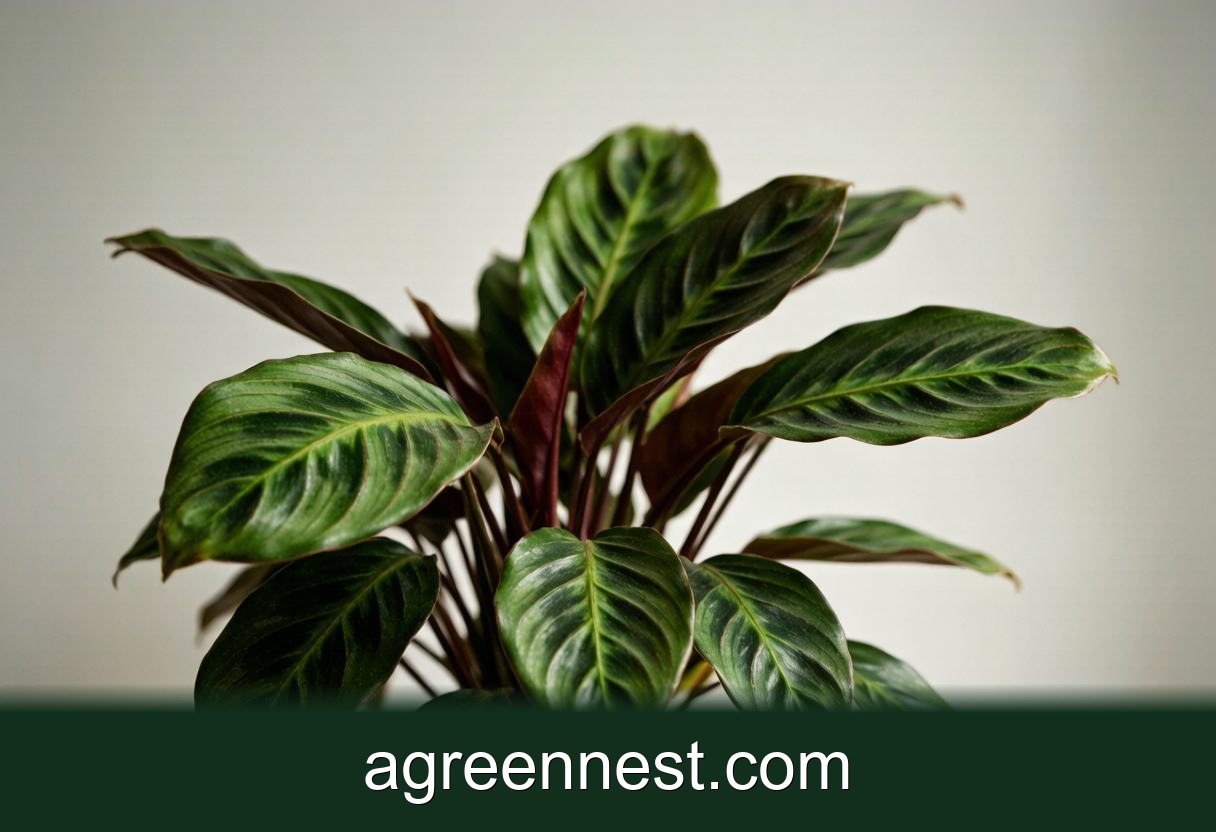
Prayer Plant Care Guide (Maranta Leuconeura) is built for dim rooms. It tolerates bright, indirect light and actually suffers in hot direct sun. Water when the top 2-3 cm of soil feels dry (12 days between waterings), and keep humidity modest. A north or east window, or a few feet back from a bright one, is the sweet spot.
A few years ago I set a small pot of Maranta leuconeura on my grandmother's old windowsill. The plant taught me patience in the most charming way possible. Each evening the leaves lifted like quiet hands at prayer, then relaxed again by morning light. That nightly motion, called nyctinasty by botanists, is precisely why this species earned its common name.
Why Does a Prayer Plant Fold Its Leaves at Night?
Understanding the folding habit helps you read your plant's mood with confidence. The leaves of Maranta leuconeura rise and close as light fades, a movement that probably shields the leaf surface from cool night air. Healthy specimens show the gesture clearly, so a plant that stops folding may simply be too dim or too dry. Watch the evening routine and you will quickly learn its personal rhythm.
My own first prayer plant puzzled me for several quiet weeks. I assumed the stillness meant poor health, but the real issue was a shadowy corner with almost no ambient light. Moving it three feet back from a bright east window revived the nightly show within just a few days. New growers often panic at the folded look, yet it is the sign of a contented, resting plant.
What Light Does a Prayer Plant Prefer?
Bright but indirect light remains the sweet spot for this leafy species. A north or east window works beautifully, and sitting a few feet back from a stronger window keeps the foliage safe. Hot, direct midday sun will scorch the patterned leaves and bleach those signature red veins. Grow lights make a fine substitute during grey, sunless winters.
Three hours of gentle morning sun is acceptable if the afternoon stays shaded. Sheer curtains tame a too-bright sill without stealing the soft glow your plant craves. Remember that the goal is steady, gentle brightness rather than dramatic intensity. Rotating the pot a quarter turn each week keeps growth even and prevents a lopsided lean.
How Often Should I Water a Prayer Plant?
Check the top 2 to 3 cm of soil with a fingertip before reaching for the watering can. When that upper layer feels dry, water thoroughly until liquid runs from the drainage hole. During the active growing season, this usually means a deep drink every 12 days. Winter asks for real restraint, often a light sip every 21 to 28 days.
A simple rule keeps most owners out of trouble from the start. Lift the pot before watering; a light container signals dry mix, while a heavy one means wait another few days. I once drowned a beloved specimen by watering on a fixed calendar instead of by feel, and that hard lesson stuck with me. Room temperature water around 68°F, or 20°C, avoids shocking the fine roots.
A Potting Mix That Protects the Roots
Choose a peat-free houseplant blend with plenty of open structure. Add one part perlite to three parts mix for extra breathing room around the roots. A terracotta or glazed pot with a genuine drainage hole is non-negotiable, since standing water is the fastest route to rot. Repot only every two to three years, in early spring, and never size up more than one pot width at a time.
Keeping the soil lightly moist, never soggy, mirrors the plant's forest-floor origins closely. Flushing the pot with plain water every two months clears the salt that tap supplies leave behind. Many owners overlook this quiet step, yet it prevents the brown crust that builds on the surface. A layer of orchid bark on top also slows evaporation just enough to steady moisture.
Temperature and Humidity That Suit It
Comfortable room conditions suit Maranta leuconeura best, roughly 60 to 82°F, or 16 to 28°C. Drafts from open windows and the dry breath of heaters stress the foliage surprisingly fast. Aim for humidity near 50 to 60 percent, and a pebble tray beneath the pot delivers that local moisture cheaply. Grouping plants together also nudges the ambient dampness upward a little.
Misting gives a brief lift but evaporates within minutes, so treat it as a bonus rather than the main plan. A small ultrasonic humidifier set to 55 percent transformed my own struggling plant within a fortnight. Bathrooms with a window often provide the steamy air these plants adore. Cold nights below 55°F, or 13°C, will curl the leaves and stall growth.
Common Problems and Easy Fixes
Crisp brown leaf edges usually point to dry air or mineral build-up from tap water. Flush the soil and lift the humidity, then switch to filtered or rainwater for future drinks. Leggy, leaning growth means the plant wants more light, so shift it closer to a bright window. Yellow, mushy stems shout overwatering; let the mix dry and inspect roots for black, soft sections.
Pests such as spider mites occasionally appear on dry, neglected specimens. A weekly wipe of the leaves with a damp cloth keeps them at bay without harsh chemical sprays. Fading colour toward plain green signals a need for brighter indirect light. Catching these signals early spares you the heartbreak of a declining plant.
Frequently Asked Questions
Q: Is the prayer plant safe around pets?
A: Yes, Maranta leuconeura is generally regarded as non-toxic to cats and dogs, which makes it a calm choice for busy households with curious animals.
Q: Can I propagate it without buying another plant?
A: Absolutely. Divide the clump at spring repotting, let cut surfaces dry for a day or two, then pot each section in barely moist mix until new roots form.
Q: Why did my plant stop folding its leaves at night?
A: Most often the cause is low light or dryness at the root zone. Brighten its spot slightly and check the topsoil, and the evening movement usually returns within about a week.
Few houseplants reward small efforts as generously as the prayer plant. Give it soft light, a fingertip soil check, and a little humidity, and you will enjoy those nightly folded hands for many years. Try our free watering calculator to build a personal schedule, then pair it with the light calculator to find the perfect windowsill for your green companion.
Sources & further reading
GreenNest authors research and write every guide independently. The external links below are reputable references we recommend for deeper reading — they are not the sources we copied from.
- UF/IFAS Gardening Solutions — UF/IFAS
- Aggie Horticulture (Texas A&M) — Texas A&M AgriLife
- Royal Horticultural Society — Houseplant care — RHS
Recommended Tools for Low-Light Indoor Plants Care
Free, no-signup helpers matched to this guide.
Free Ebooks to Explore
Downloadable handbooks — no email required.
Share Your Plant Story
Grown something tricky, or found a trick that finally worked? Tell us in the comments, or see what other readers are sharing on our Community page. The best reader tips get folded back into our guides.
Join the Conversation
Have a tip or a question about Prayer Plant Care Guide (Maranta leuconeura)? Share it below — comments are saved on our server.