 AGreenNest
Low-Light Indoor Plants
Emerald Ripple Peperomia Care Guide (Peperomia caperata)
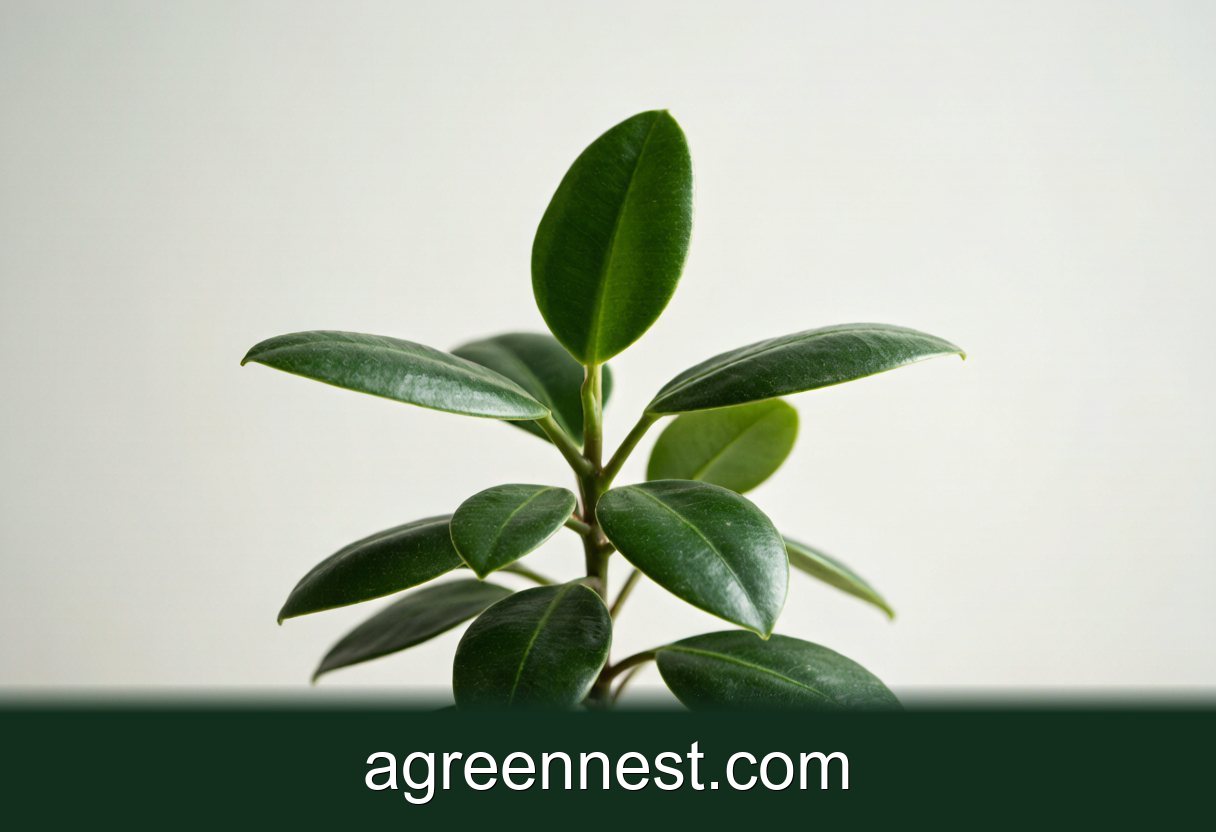
Emerald Ripple Peperomia Care Guide (Peperomia Caperata) is built for dim rooms. It tolerates bright, indirect light and actually suffers in hot direct sun. Water when the top 2-3 cm of soil feels dry (14 days between waterings), and keep humidity modest. A north or east window, or a few feet back from a bright one, is the sweet spot.
Emerald Ripple Peperomia at a Glance
| Care factor | What the plant wants |
|---|---|
| Light | bright indirect light, with a little gentle morning or evening sun |
| Water | a deep drink when the top layer dries, about every 14 days in summer, less in winter |
| Temperature | content between 60 and 85°F (16 and 29°C) |
| Humidity | average home humidity, a pebble tray helps |
| Soil | a standard peat-free houseplant mix |
| Difficulty | very easy, a good first peperomia |
| Pet safe | yes, generally regarded as pet-safe |
Peperomia caperata is the plant I hand to friends with a dim flat and a nervous watering hand. The table above lists the basics, and the rest is mostly restraint, because this little species suffers far more from kindness than from neglect.
What Makes Emerald Ripple Peperomia Special?
The first one I owned sat on a bathroom shelf with no direct sun at all, and it thrived where fussier ferns had failed. Its leaves are deeply corrugated, like ripples pressed into green velvet, and that texture is the source of both its look and its name. Unlike the glossy, rounded foliage of its relative Peperomia obtusifolia, this species keeps a matte, quilted surface that catches the light softly.
Small and slow, it rarely outgrows a six inch pot, which makes it ideal for apartments and offices. Most specimens stay under ten inches tall, so they tuck into a bookshelf or a kitchen windowsill without fuss. Over time a mature plant sends up thin green flower spikes that look oddly like mouse tails, a charming quirk I always point out to visitors. The compact habit also means it rarely needs repotting, a relief for anyone who dislikes messy indoor chores.
How Much Light Does It Need?
Bright, indirect light keeps the ripples crisp. Peperomia caperata does best near a north or east window, or set a few feet back from a brighter south or west one. A little gentle morning or evening sun is fine, but hot midday rays through glass will scorch the leaves and fade the colour. If your only spot is a dim corner, the plant tolerates it, though growth slows and the leaves may stretch.
When winter light fades, the pot moves closer to the pane and a small grow light runs for eight to ten hours. Watch for pale, leggy stems: that is the plant reaching for more light. Most home rooms provide enough if you keep the pot off the floor and near a window, rather than tucked into a shadowy bookshelf behind other plants.
Watering Without the Guesswork
Here is the rhythm that protects this plant. During spring and summer a watering about every fourteen days suits it, waiting until the top inch of soil feels dry to the touch. Lifting the pot first is a useful habit; a light pot means it is time, a heavy one means wait. A deep soak that drains through the hole beats frequent light sprays, because peperomias rot from the base when the crown stays damp.
In winter the plant rests and needs far less. From November to February waterings stretch to every three to four weeks, just enough to keep the leaves from wrinkling. The saucer is emptied after ten minutes so the roots never sit wet. A mix of two parts peat-free houseplant soil to one part perlite gives the airy root run this species prefers.
Soil, Pot, and Humidity
Use a standard peat-free mix and a pot with at least one drainage hole. Peperomia caperata has fine, shallow roots that hate being waterlogged, so the hole matters more than the container style. Repot only every three years or so, since the plant is a slow grower and fresh soil that stays damp invites rot. A snug pot actually keeps it happier than a roomy one.
Humidity is a bonus, not a requirement. Average home air is fine, but a pebble tray filled with water beneath the pot keeps the leaf edges from browning in dry winter heat. The leaves get a light misting once a week in summer, then the routine stops in winter to avoid cold, soggy crowns.
Can You Propagate Emerald Ripple Peperomia?
Yes, and it is wonderfully simple from a single leaf or a short stem. In spring a healthy leaf is laid flat on dry mix, or a three inch stem cutting with one or two leaves is taken and the cut end is left to callus for a day. Rooted in moist perlite at around 68 to 72°F (20 to 22°C), new plantlets appear in four to six weeks.
If the leaf method is used, weigh it down with a pebble so the base touches the soil, then keep the surface barely damp. Patience is the only skill required, and the reward is a cluster of tiny replicas that make lovely gifts for the same nervous waterers who started you on this path.
Common Problems and Easy Fixes
Leaning or stretched growth means the plant wants more light. Move it brighter or add a grow light. A mushy, yellow base signals overwatering; let the soil dry and check the roots. Brown, crispy edges usually mean low humidity or salt build-up, so flush the pot every couple of months and raise the humidity a little with a tray.
Because this species is generally pet-safe, you can relax about curious cats and dogs, though any plant is best kept out of the chewing habit for its own sake. Spider mites are the pest to watch in very dry rooms; a weekly rinse under the tap keeps them from settling in.
Frequently Asked Questions
Q: How often should I water Emerald Ripple Peperomia?
A: About every 14 days in the growing season, when the top layer of soil has dried, and much less in winter.
Q: Is Emerald Ripple Peperomia safe for pets?
A: Yes. It is generally regarded as pet-safe, though it is still best to discourage chewing.
Q: Why are the leaves losing their ripples?
A: Usually too much direct sun or too little light. Move the pot to bright indirect light and the texture should return.
Emerald Ripple Peperomia has been my quiet recommendation for dark rooms and first-time plant parents alike. Give Peperomia caperata bright indirect light, a gentle two-week watering rhythm, and the occasional pebble tray, and it will reward you with years of textured, tidy green. For a personalized schedule, try our free watering calculator and pair it with the light calculator to pick the perfect spot.
Sources & further reading
GreenNest authors research and write every guide independently. The external links below are reputable references we recommend for deeper reading — they are not the sources we copied from.
- Clemson Home & Garden Information Center — Clemson Extension
- NC State Extension — Plant Toolbox — NC State Extension
- Missouri Botanical Garden — Missouri Botanical Garden
Recommended Tools for Low-Light Indoor Plants Care
Free, no-signup helpers matched to this guide.
Free Ebooks to Explore
Downloadable handbooks — no email required.
Share Your Plant Story
Grown something tricky, or found a trick that finally worked? Tell us in the comments, or see what other readers are sharing on our Community page. The best reader tips get folded back into our guides.
Join the Conversation
Have a tip or a question about Emerald Ripple Peperomia Care Guide (Peperomia caperata)? Share it below — comments are saved on our server.