 AGreenNest
Low-Light Indoor Plants
Spider Plant Care Guide (Chlorophytum comosum)
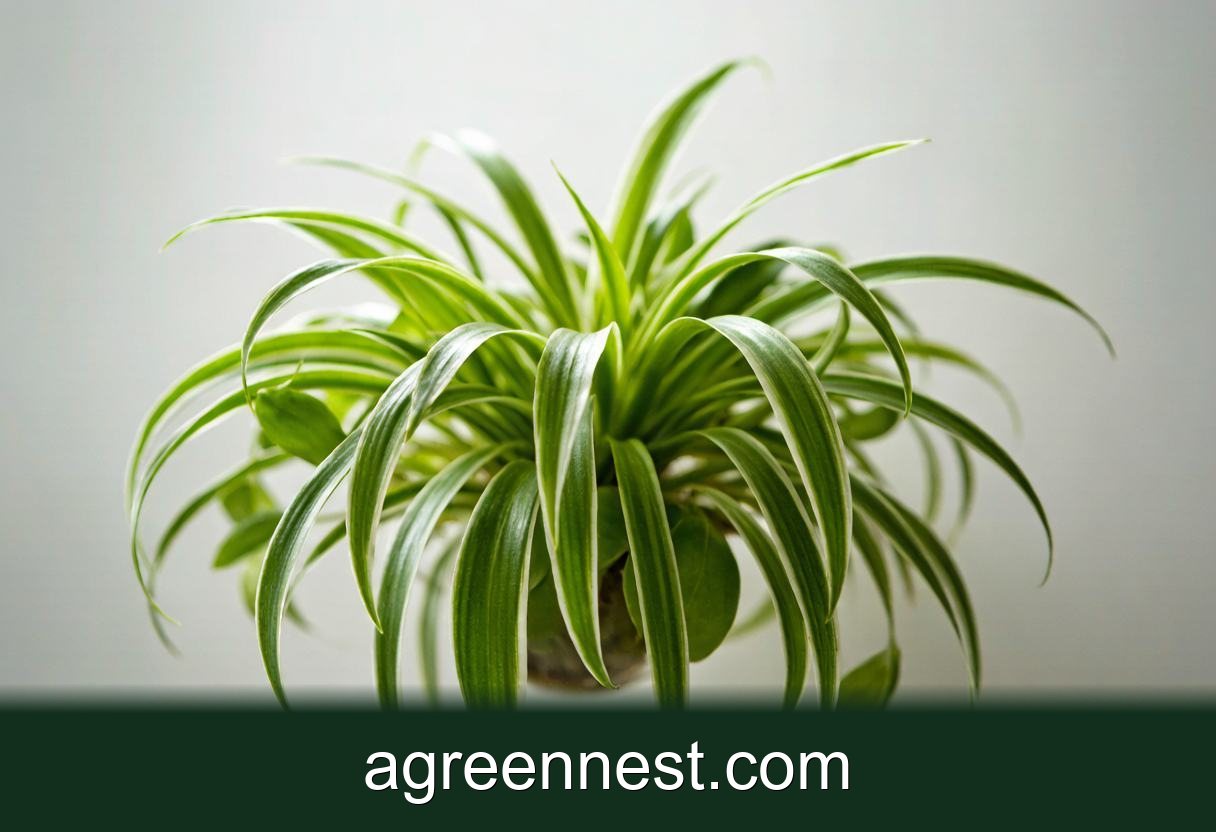
Spider Plant Care Guide (Chlorophytum Comosum) is built for dim rooms. It tolerates bright, indirect light and actually suffers in hot direct sun. Water when the top 2-3 cm of soil feels dry (12 days between waterings), and keep humidity modest. A north or east window, or a few feet back from a bright one, is the sweet spot.
Chlorophytum comosum earned its place on my kitchen windowsill more than ten years ago, and it has outlived three moves, a forgotten watering schedule, and one very curious kitten. The spider plant is the kind of companion that asks little and gives plenty. Its arching leaves spill from the pot, and in time those leaves throw out little plantlets on long stems, each one a free baby for a friend. If you are new to indoor gardening, this is the plant I suggest first. It tolerates the ordinary mistakes that everyone makes at the start.
Below you will find the practical details, written the way I wish someone had handed them to me.
Spider Plant at a Glance
| Care factor | What this plant wants |
|---|---|
| Light | bright indirect light, with a little gentle morning or evening sun |
| Water | water deeply when the top 2 to 3 cm of soil feels dry, roughly every 12 days in the growing season |
| Temperature | comfortable between 55 and 85°F, which is 13 and 29°C |
| Humidity | average home humidity is fine |
| Soil | a standard peat-free houseplant mix |
| Difficulty | very easy, great for beginners |
| Pet safe | yes, it is generally regarded as pet-safe |
The spider plant rewards a patient eye. Brown leaf tips often appear when the water carries fluoride, so I keep a jug of rainwater by the sink for mine.
Why Does the Spider Plant Forgive Forgetful Owners?
Many houseplants sulk the moment you miss a watering, but Chlorophytum comosum stores a little moisture in its thick roots. That reserve buys you roughly a week of grace beyond the usual 12 day rhythm. The plant also adapts to the softer light of a north window, which is where mine lives through the dark months. A second reason sits in its toughness. Spider plants shrug off the dry air of a heated flat and keep growing when the temperature holds between 55 and 85°F (13 and 29°C). Third, the root system recovers well after a dry spell. Give it a thorough soak and within two days the leaves lift again.
Beginners worry about killing plants. With this one, the bigger risk is too much kindness, meaning water left to sit in the saucer.
Light Needs
Spider plant wants bright indirect light, with a little gentle morning or evening sun. The dangling babies are clones you can pot up for free. I learned this by accident when one of my plantlets rooted itself in a neighbouring pot. A north or east window suits it beautifully. A few feet back from a brighter window also works. Direct midday sun, however, scorches the leaves, so I pull mine away from the south glass in high summer.
Watch the colour. Pale, faded leaves tell you the spot is too dim. Stretched, leaning growth says the same thing.
How Often Should You Water a Spider Plant?
Water deeply only when the soil has dried out, roughly every 12 days in the growing season and far less in winter. I use the finger test: push a finger 2 to 3 cm into the mix, and if it feels dry at that depth, the plant is ready. In winter, when growth slows, I stretch the gap to around 18 days. The goal is a full soak that runs from the drainage hole, then a dry rest. Empty the saucer thirty minutes after watering so the roots never sit wet.
Overwatering causes more spider plant losses than any other single habit. Trust the calendar less than you trust the soil.
Soil and Pot
Use a standard peat-free houseplant mix. A pot with a real drainage hole is non-negotiable, because sitting in water is the fastest way to lose a spider plant. I repot mine every two to three years, moving up just one pot size each time. When the plantlets crowd the rim, I either pot them on or trim the longest stems back. A 15 cm pot holds a mature specimen happily for a season.
Perlite helps. I add a handful to every mix so the water moves through quickly.
Temperature and Humidity
This plant is happiest between 55 and 85°F (13 and 29°C). Average home humidity is fine, though a light mist on hot days keeps the leaf tips from browning. Keep it away from cold draughts and from the blast of a radiator. A stable warm corner suits it better than a spot that swings wildly each night.
One winter I left mine near a leaky window, and the leaves yellowed within a fortnight.
How to Propagate Your Spider Plant
The easiest method uses a pup separated from the mother or a stem cutting left to callus and then rooted. Let any cut surface dry for a day or two before it touches soil or water, then keep it barely moist until roots appear. I root pups in a small jar of water on the windowsill, and white roots show within 10 to 14 days. Pot them once the roots reach 3 to 4 cm. Sharing these babies is half the joy of growing the plant.
A friend of mine now has six descended from my original.
Common Problems and Fixes
Leaning or stretched growth means it wants more light. Move it brighter or add a grow light. A mushy, yellow base points to overwatering, so let it dry out and check the roots. Brown, crispy edges usually come from low humidity or salt build-up, and a soil flush with rainwater plus a little extra humidity solves it.
Spots on the leaves can signal fluoride damage from tap water. Switching to rainwater cleared mine within a month.
Frequently Asked Questions
Q: How often should I water a Spider Plant?
A: Water deeply only when the top 2 to 3 cm of soil feels dry, roughly every 12 days in the growing season and far less in winter.
Q: Is Spider Plant safe for pets?
A: Yes, it is generally regarded as pet-safe, which makes it a calm choice for homes with cats and dogs.
Q: What light is best?
A: Bright indirect light with a little gentle morning or evening sun suits it, and a north or east window works well.
Spider plant rewards a little attention with years of easy beauty, and the trailing babies make it the most shareable plant I grow. For a personalised schedule, try our free watering calculator and pair it with the light calculator to pick the perfect spot. Start with one pot, and before long you will have gifts for every friend who visits.
Sources & further reading
GreenNest authors research and write every guide independently. The external links below are reputable references we recommend for deeper reading — they are not the sources we copied from.
- Clemson Home & Garden Information Center — Clemson Extension
- Royal Horticultural Society — Houseplant care — RHS
- Royal Botanic Gardens, Kew — Kew Gardens
Recommended Tools for Low-Light Indoor Plants Care
Free, no-signup helpers matched to this guide.
Free Ebooks to Explore
Downloadable handbooks — no email required.
Share Your Plant Story
Grown something tricky, or found a trick that finally worked? Tell us in the comments, or see what other readers are sharing on our Community page. The best reader tips get folded back into our guides.
Join the Conversation
Have a tip or a question about Spider Plant Care Guide (Chlorophytum comosum)? Share it below — comments are saved on our server.