 AGreenNest
Low-Light Indoor Plants
Cast-Iron Plant Care Guide (Aspidistra elatior)
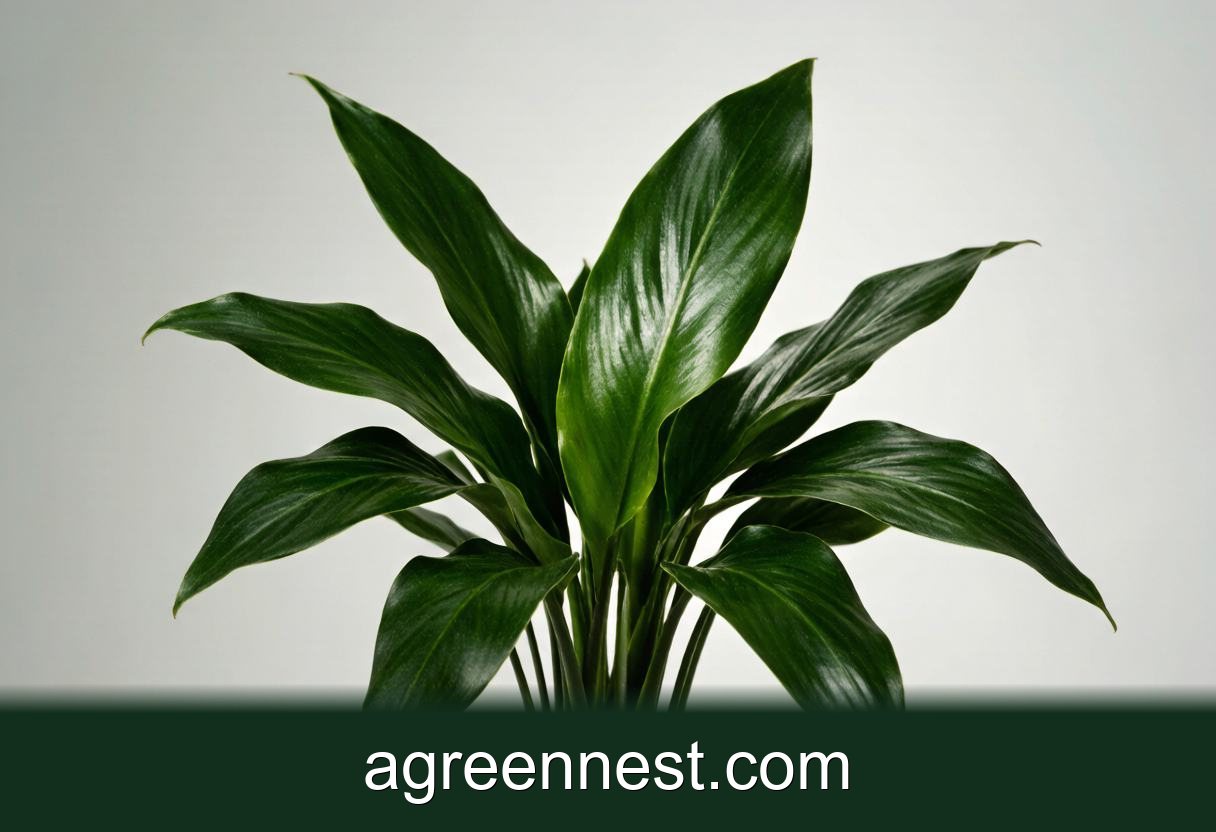
Do not overthink Cast-Iron Plant Care Guide (Aspidistra Elatior). It thrives in a few hours of direct sun and asks for little: water when the top layer of soil dries (21 days between waterings), and keep it away from harsh midday sun.
Cast-Iron Plant (Aspidistra elatior) first came to me as a division from my grandmother's hallway, where it had thrived for thirty years in near darkness. I doubted anything could be that sturdy, yet the clump I carried home proved the stories true. It has since outlasted two moves, a forgotten watering, and a drafty flat with one small window.
This species belongs to the Asparagaceae family and is famous for tolerating neglect that would fell almost any other leaf. Below is the relaxed routine that keeps mine glossy with almost no effort.
Cast-Iron Plant at a Glance
| Care factor | What Cast-Iron Plant wants |
|---|---|
| Light | almost no natural light, a north window or a dim corner is fine |
| Water | water deeply when the soil dries, roughly every 21 days in the growing season, far less in winter |
| Temperature | comfortable around 45–85°F (7–29°C) |
| Humidity | average home humidity is fine |
| Soil | a standard peat-free houseplant mix |
| Difficulty | very easy, great for beginners |
| Pet safe | yes, it is generally regarded as pet-safe |
What kind of light does a Cast-Iron Plant need?
Almost no natural light is fine, which is why this plant suits a north window or a dim corner. Unlike most houseplants, it actually prefers to be ignored in a shadowy spot. Direct midday sun, however, will scorch the broad leaves, so keep it away from hot south-facing glass.
My grandmother's specimen lived beside a closed interior door, lit only by a hall bulb for a few evening hours. That gloom never bothered it. I now keep mine under a staircase, where a single LED panel runs for six hours and the leaves stay a deep, healthy green.
How often should you water a Cast-Iron Plant?
Water deeply when the top 2 inches of soil feel dry, which lands at roughly every 21 days in the growing season. In winter the plant barely drinks, so the interval often stretches to every five weeks. Empty the saucer afterwards, because even this tough root will rot in a flooded pot.
Use room-temperature water and pour until it runs through the base. I check with a finger rather than a schedule, since central heating changes the drying speed month to month. A missed watering costs nothing, while a flooded pot is the one real mistake this plant will not forgive.
Soil, Pot, and Temperature
A standard peat-free houseplant mix is plenty, because Cast-Iron Plant is not fussy about food or texture. Add a little grit if your mix holds water, yet a heavy, rich compost also works given a drainage hole. Terracotta or glazed pot both suit it equally.
The plant stays comfortable across a broad range, from 45 to 85°F (7 to 29°C) through the year. Average home humidity is fine, so forget the misting bottle and the pebble tray. Victorians prized it precisely because it tolerated the smoky, dark parlours of the 1800s, and our dry modern flats are kinder still. A slow feeder needs little food, so a single light dose each spring is more than enough. I wipe the broad leaves with a damp cloth each month, which keeps the gloss and removes the dust that collects in a dim corner.
Why are the leaves developing brown tips?
Brown tips usually mean either a draft or a rare overwatering, not a lack of care. Move the pot away from an open window or an air vent, and let the soil dry a little longer between drinks. Trim the worst tips with clean scissors if the look bothers you.
Pale, bleached patches show too much sun instead. Shift the plant deeper into the room and the remaining leaves recover their colour. Yellow leaves at the base are normal with age, so simply peel them off at the stem to keep the clump tidy.
Spider mites occasionally appear in very dry central heating, though far less often than with thin-leaved plants. A wipe with a damp cloth every few weeks removes them before they settle, and the plant shrugs off the mild fuss without complaint.
How to Propagate a Cast-Iron Plant
Division at repotting time is the only method worth using, because the clump is a ring of separate rhizomes. Lift the plant in spring, cut the root mass into sections with at least three leaves and a length of root, then pot each piece separately. Let any cut surface dry for a day or two before it touches soil or water.
My grandmother's division gave me three crowns, one of which now lives with a friend across town. Within a season each had sent up fresh shoots, and the quiet gift still connects us across the miles.
Frequently Asked Questions
Q: Is Cast-Iron Plant safe around pets?
A: Yes, it is generally regarded as pet-safe, though eating any leaf in bulk can still cause a mild tummy upset.
Q: Can it grow in a windowless room?
A: Truly windowless is too dark, yet a dim corner with a few hours of bulb light is perfectly adequate.
Q: Should I repot it often?
A: No, it enjoys being slightly root bound, so repot only every three to four years in spring.
Cast-Iron Plant earns its name by surviving the conditions that defeat fussier greens, and the glossy leaves ask for almost nothing in return. For a personalised schedule, try our free watering calculator and pair it with the light calculator to pick the perfect spot. My grandmother would be pleased that her hallway favourite now travels with me.
Sources & further reading
GreenNest authors research and write every guide independently. The external links below are reputable references we recommend for deeper reading — they are not the sources we copied from.
- Missouri Botanical Garden — Missouri Botanical Garden
- Royal Botanic Gardens, Kew — Kew Gardens
- Cornell Garden-Based Learning — Cornell University
Recommended Tools for Low-Light Indoor Plants Care
Free, no-signup helpers matched to this guide.
Free Ebooks to Explore
Downloadable handbooks — no email required.
Share Your Plant Story
Grown something tricky, or found a trick that finally worked? Tell us in the comments, or see what other readers are sharing on our Community page. The best reader tips get folded back into our guides.
Join the Conversation
Have a tip or a question about Cast-Iron Plant Care Guide (Aspidistra elatior)? Share it below — comments are saved on our server.