 AGreenNest
Low-Light Indoor Plants
Snake Plant Care Guide (Sansevieria trifasciata)
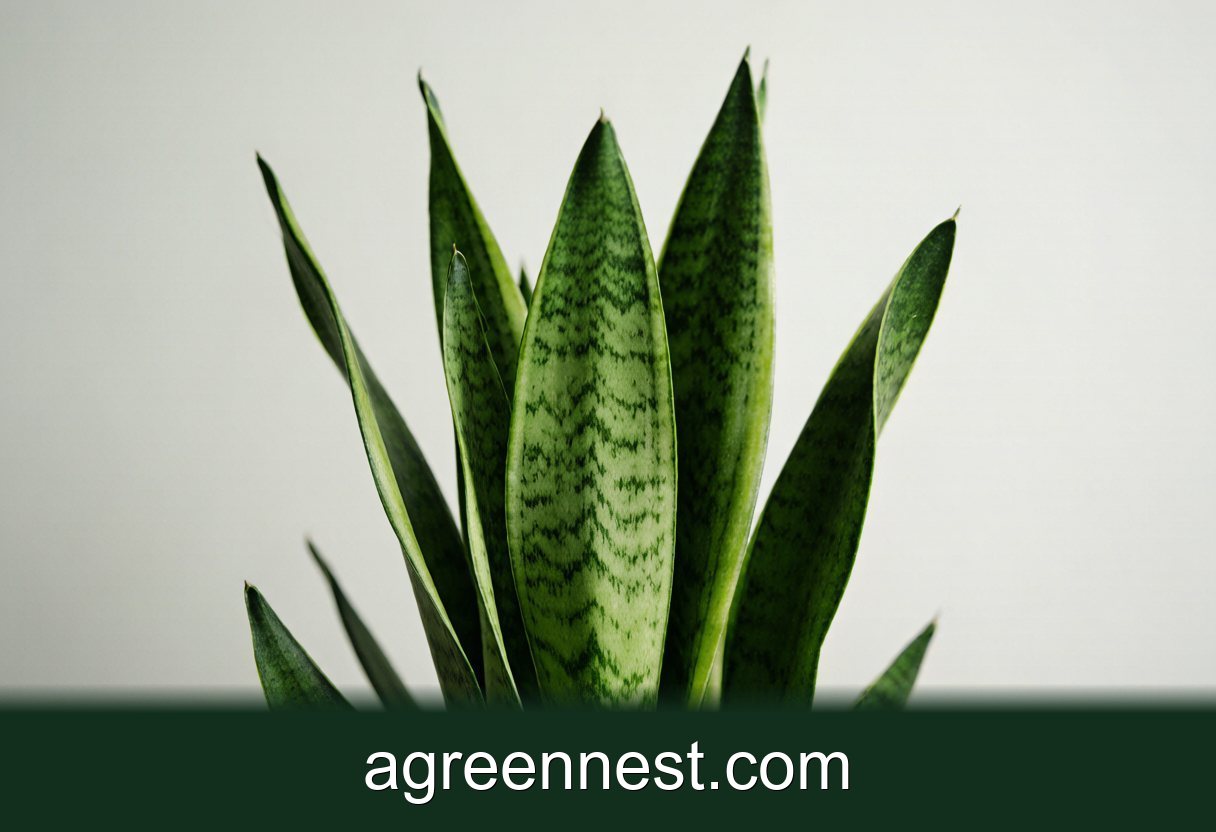
Snake Plant Care Guide (Sansevieria Trifasciata) is built for dim rooms. It tolerates a few hours of direct sun and actually suffers in hot direct sun. Water when the top 2-3 cm of soil feels dry (30 days between waterings), and keep humidity modest.
Snake Plant at a Glance
| Care factor | What Snake Plant wants |
|---|---|
| Light | a dim corner or a north window suits it well |
| Water | a deep drink only when the soil is fully dry, about every 30 days |
| Temperature | steady comfort between 55 and 90°F (13 and 32°C) |
| Humidity | ordinary dry room air is perfectly fine |
| Soil | a gritty, fast draining succulent blend |
| Difficulty | very easy, a good pick for first timers |
| Pet safe | no, keep it away from cats and dogs |
Few houseplants forgive as much neglect as the Snake Plant. Sansevieria trifasciata sits quietly in a dim corner and asks for almost nothing in return. My own first one survived two forgotten vacations and a long grey winter without a single complaint. That stubborn resilience is exactly why I recommend it to friends who worry they have a brown thumb. Modern botanists have moved the plant into the genus Dracaena, so newer shops may label it Dracaena trifasciata.
What light does a Snake Plant really want?
Most beginners assume every plant craves a sunny sill, yet this one breaks the rule. It thrives in rooms most other greenery would quietly abandon. A bathroom with a small frosted window works surprisingly well for it. The leaves grow taller where light is brighter, but slow growth in shadow causes no harm. One quiet advantage surprises many owners who keep it by the bed. Sansevieria trifasciata releases oxygen at night instead of during the day. Bedroom growers appreciate that small nighttime trick. Do not expect it to freshen a whole room, but the gentle exchange feels like a bonus.
How often should you water?
Watering is where most Snake Plants meet their trouble, usually from too much love. Let the soil dry completely, then wait a few extra days for safety. During spring and summer, a deep soak every 28 to 32 days suits most homes. Cooler months cut that need roughly in half, so watch the pot rather than the calendar. A simple finger test prevents the worst mistakes before they start. Push your index finger two inches into the mix, and pause if moisture clings. When the top layer pulls away from the rim, the plant is ready for a drink. Empty the saucer after ten minutes so the roots never sit in a puddle. Yellow leaves are the first quiet warning that the roots have stayed too wet. Buy a moisture meter that reads below twenty percent to take the guesswork away.
Soil, pots, and drainage
Heavy garden soil spells disaster for this patient species. Choose a gritty blend made for succulents, or mix three parts soil with one part sand. That roughly three to one ratio keeps air around the roots and drains fast. A terracotta pot helps too, because the clay pulls moisture through its walls. Drainage holes are not optional here, no matter how pretty the cachepot looks. Lift the plant every few weeks, and a feather light pot means the mix is dry. Repot only when the clump splits the container, which may take three or four years.
Temperature and humidity needs
Comfortable room temperatures between 55 and 90°F (13 and 32°C) keep it happy through the year. It slows down below 50°F (10°C) and suffers damage if frost touches the leaves. Keep the pot away from drafty windows in deep winter and from vents in summer. Humidity rarely matters for such a tough plant in normal homes. Ordinary dry central heating suits it, and a steamy kitchen will not cause harm. Skip the misting bottle, since wet leaves invite spots without any real benefit. Average home air, in any season, is perfectly good enough for this one.
How do you propagate Snake Plant?
New plants are easy to make from the ones you already keep. Divide a crowded clump at repotting time, keeping a few roots on each section. Leaf cuttings also work, though they ask for patience and a warm spot. Lay a healthy leaf flat on dry soil, or stand it upright in shallow water changed every five days. Allow any fresh cut to dry for a full day before it meets moisture again. That brief wait seals the wound and stops rot from starting at the base. Roots usually appear after six to eight weeks, with tiny shoots a month later. Wait until the baby has three leaves before you separate it from the mother. Pups that rise beside the mother are the fastest route to a new pot.
Do Snake Plants need fertilizer?
Feeding this plant is optional rather than essential for steady growth. Apply a weak balanced liquid at one quarter strength once a month during the warm season. Skip fertilizer entirely from November through February while growth rests. Too much plant food pushes soft weak leaves that flop and split.
Which Snake Plant should you buy?
Shops sell many forms, from tall flat types to short birds nest rosettes. Pick a plant with firm unbroken leaves and no soft spots near the soil. Avoid any pot whose mix smells musty or looks permanently dark and wet. Small starter plants in a four inch pot cost little and settle in fast.
Common problems and easy fixes
Leaning or stretched growth signals a quiet shortage of light. Shift the pot closer to a window, or add a grow light for twelve hours daily. Mushy yellow bases almost always mean overwatering, so let the soil dry. Brown crispy edges point to dry air or salt buildup from old fertilizer. Mealybugs sometimes hide where the leaves meet the soil line. Dab them with a swab dipped in rubbing alcohol, repeating every three days. Spider mites prefer very dry corners, so a weekly wipe keeps them away. Catching trouble early turns a real crisis into a minor weekend chore. Root rot smells sour and softens the base where it meets the soil.
Frequently Asked Questions
Q: How often should I water a Snake Plant?
A: Soak it only when the soil is bone dry, about every 28 to 32 days in the warm season and far less in winter. Always empty the saucer so the roots stay dry.
Q: Is Snake Plant safe for pets?
A: No, the leaves are toxic to cats and dogs if chewed. Site the pot on a high shelf or in a room your animals cannot reach.
Q: Why are my leaves turning yellow?
A: Yellow soft leaves usually mean too much water. Cut back, let the mix dry fully, and check that the pot drains before the next drink.
The Snake Plant rewards a little patience with years of quiet beauty. In my own apartment it became the plant I trust most when life gets busy. Neighbours often ask about the Zamioculcas zamiifolia on my shelf, and the two make a calm low light pair. Pair your Snake Plant with our free watering calculator and the light calculator to find its perfect spot, then simply enjoy the calm it brings.
Sources & further reading
GreenNest authors research and write every guide independently. The external links below are reputable references we recommend for deeper reading — they are not the sources we copied from.
- Royal Horticultural Society — Houseplant care — RHS
- Missouri Botanical Garden — Missouri Botanical Garden
- UF/IFAS Gardening Solutions — UF/IFAS
Recommended Tools for Low-Light Indoor Plants Care
Free, no-signup helpers matched to this guide.
Free Ebooks to Explore
Downloadable handbooks — no email required.
Share Your Plant Story
Grown something tricky, or found a trick that finally worked? Tell us in the comments, or see what other readers are sharing on our Community page. The best reader tips get folded back into our guides.
Join the Conversation
Have a tip or a question about Snake Plant Care Guide (Sansevieria trifasciata)? Share it below — comments are saved on our server.