 AGreenNest
Low-Light Indoor Plants
Peacock Plant Care Guide (Calathea makoyana)
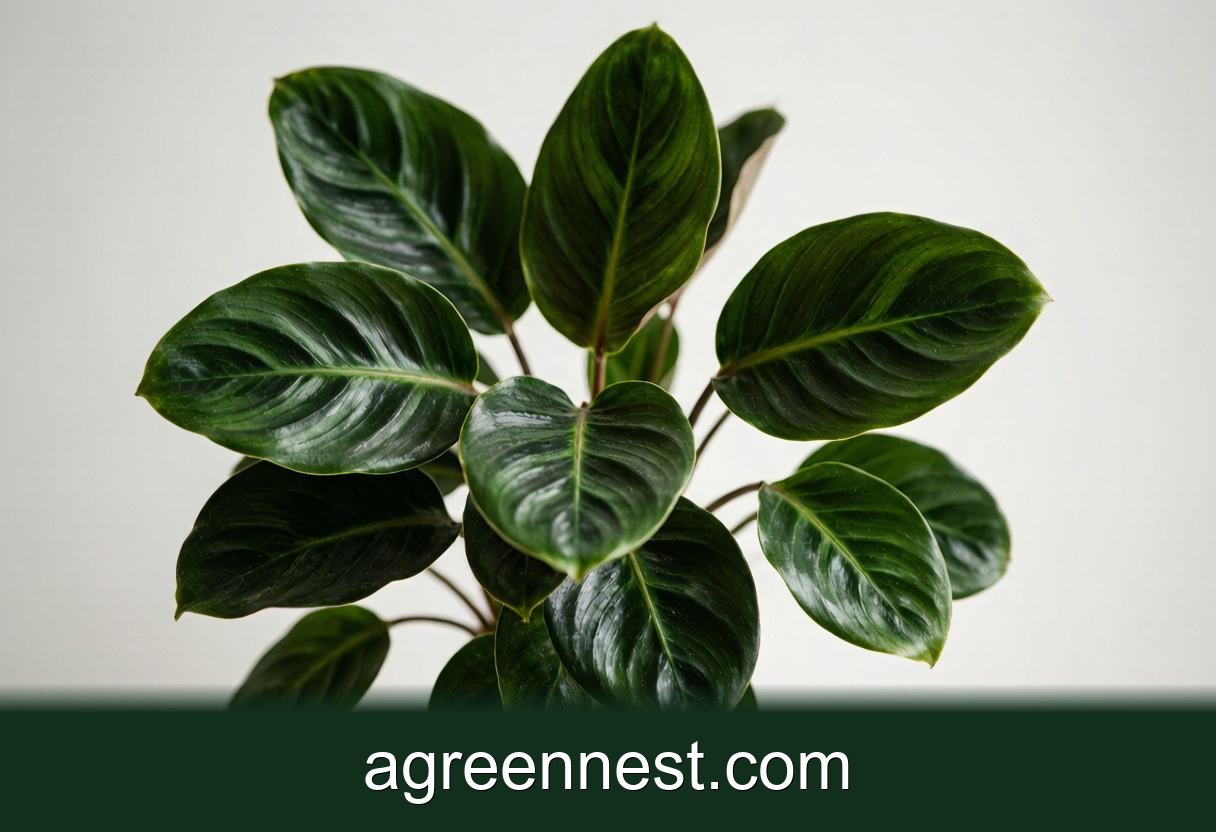
Do not overthink Peacock Plant Care Guide (Calathea Makoyana). It thrives in bright, indirect light and asks for little: water when the top layer of soil dries (12 days between waterings), and keep it away from harsh midday sun. A slightly lean soil and a stable, warm spot are all it needs to look good through the year.
Peacock Plant (Calathea makoyana) arrived on my windowsill three winters ago, tucked into a paper bag by a friend who was moving flats. I had heard these prayer plants were fussy, yet this one proved surprisingly willing. The nightly leaf fold still makes me smile, as if the plant is settling in for bed.
Members of the Marantaceae family move their leaves with the light, and that quiet motion is part of the charm. Below you will find a plain care plan, built from what has worked on my own shelf and from the references listed at the end.
Peacock Plant at a Glance
| Care factor | What Peacock Plant wants |
|---|---|
| Light | low to bright indirect light; keep it out of hot, direct sun |
| Water | water deeply when the top layer dries, roughly every 12 days in the growing season, far less in winter |
| Temperature | comfortable around 60–82°F (16–28°C) |
| Humidity | it likes a humid spot or a pebble tray |
| Soil | a standard peat-free houseplant mix |
| Difficulty | best once you have a little experience |
| Pet safe | yes, it is generally regarded as pet-safe |
What kind of light does a Peacock Plant need?
Place the pot where it catches low to bright indirect light through the day. A north or east window suits it well, and a few feet back from a south window also works. Keep it out of harsh midday sun, because direct rays scorch the pale leaf markings within a single afternoon.
My own plant sits on a shelf about six feet from a west window, behind a sheer curtain. That setup gives bright but filtered light, and the foliage keeps its silver-green stripes. If the leaves start to fade toward plain green, the spot is likely too dim. Move the pot a little closer to the window and watch for recovery over two weeks.
Morning light is kinder than afternoon light for this species. During summer I slide the curtain half closed at noon, then open it again by four in the afternoon. This small habit prevented the scorch marks that ruined my first attempt years earlier.
How often should you water a Peacock Plant?
Water deeply when the top 2 inches of soil feel dry to the finger, which works out to roughly every 12 days in spring and summer. In winter the plant slows down, so the gap stretches to perhaps every 18 to 21 days. Always empty the saucer after ten minutes, since soggy roots are the main cause of trouble.
Use tepid water rather than cold from the tap, because chill shocks the fine roots. Many growers let a jug sit overnight to lose the chlorine smell. I pour slowly until water runs from the drainage hole, then tip away the excess. This simple rhythm has kept my plant unharmed through two dry winters.
A weekly weigh of the pot helps newcomers read moisture by feel. Lift it after watering, then lift again when you think it is dry. The difference in weight teaches your hands faster than any meter.
Soil, Pot, and Humidity
Choose a standard peat-free houseplant mix with a little added perlite for airflow. A pot with a real drainage hole is essential, because sitting in water is the fastest way to lose a Peacock Plant. Terracotta breathes more than plastic, though any clean container will do if it drains.
Humidity is where this species differs from tough succulents. Aim for around 60 percent relative humidity, which sounds high until you try a pebble tray. Set the pot on a tray of wet stones, keeping the base above the water line, and the air around the leaves stays moist. A small humidifier on a nearby shelf also works, run for a few hours each morning.
Feed lightly from April to September, using a balanced liquid fertilizer at quarter strength every four to six weeks. Too much nitrogen burns the tips, so I mark the dates on a calendar and forget the bottle between feeds.
Why are the leaves curling or turning brown?
Most problems trace back to three things: too much sun, too little water, or dry air. Crisp brown edges usually mean the room is too dry, or salts have built up from fertilizer. Flush the soil with plain water once a month and raise humidity a little to calm the tips.
Yellow, mushy leaves at the base point to overwatering instead. Let the mix dry further between drinks and check that the drainage hole is not blocked. Leaning or stretched growth simply asks for more light, so shift the pot brighter or add a grow light on a timer for twelve hours a day.
Spider mites love a dry Peacock Plant, and they show as fine webbing under the leaves. A quick shower in the sink every fortnight keeps them away, and the humidity spike doubles as a treat for the plant.
How to Propagate a Peacock Plant
The reliable method is division at repotting time, because each clump holds several rooted crowns. Lift the plant in spring, tease the roots apart by hand, and separate a section with at least three leaves and its own roots. Let any cut surface dry for a day or two before it touches soil or water, then keep the new pot barely moist until growth resumes.
I divided my original after two years, gifting one crown to the neighbour who started this whole hobby. Within a month both pieces had unfurled fresh leaves, and the shared ritual became a small friendship. Seed is possible but slow, so most home growers stay with division.
Frequently Asked Questions
Q: Is the Peacock Plant safe around cats and dogs?
A: Yes, it is generally regarded as pet-safe, though any plant nibbled in quantity can upset a stomach.
Q: Can I keep it in a bathroom?
A: A bright bathroom with a window is ideal, because the steam from showers lifts humidity toward the 60 percent it enjoys.
Q: Should I mist the leaves every day?
A: Misting helps briefly, yet a pebble tray or humidifier gives steadier moisture than a daily spray.
Peacock Plant rewards a little attention with years of easy beauty, and the nightly leaf fold never loses its charm. For a personalised schedule, try our free watering calculator and pair it with the light calculator to pick the perfect spot. My windowsill has never looked calmer.
Sources & further reading
GreenNest authors research and write every guide independently. The external links below are reputable references we recommend for deeper reading — they are not the sources we copied from.
- Clemson Home & Garden Information Center — Clemson Extension
- Aggie Horticulture (Texas A&M) — Texas A&M AgriLife
- Missouri Botanical Garden — Missouri Botanical Garden
Recommended Tools for Low-Light Indoor Plants Care
Free, no-signup helpers matched to this guide.
Free Ebooks to Explore
Downloadable handbooks — no email required.
Share Your Plant Story
Grown something tricky, or found a trick that finally worked? Tell us in the comments, or see what other readers are sharing on our Community page. The best reader tips get folded back into our guides.
Join the Conversation
Have a tip or a question about Peacock Plant Care Guide (Calathea makoyana)? Share it below — comments are saved on our server.