 AGreenNest
Low-Light Indoor Plants
Parlour Palm Care Guide (Chamaedorea elegans)
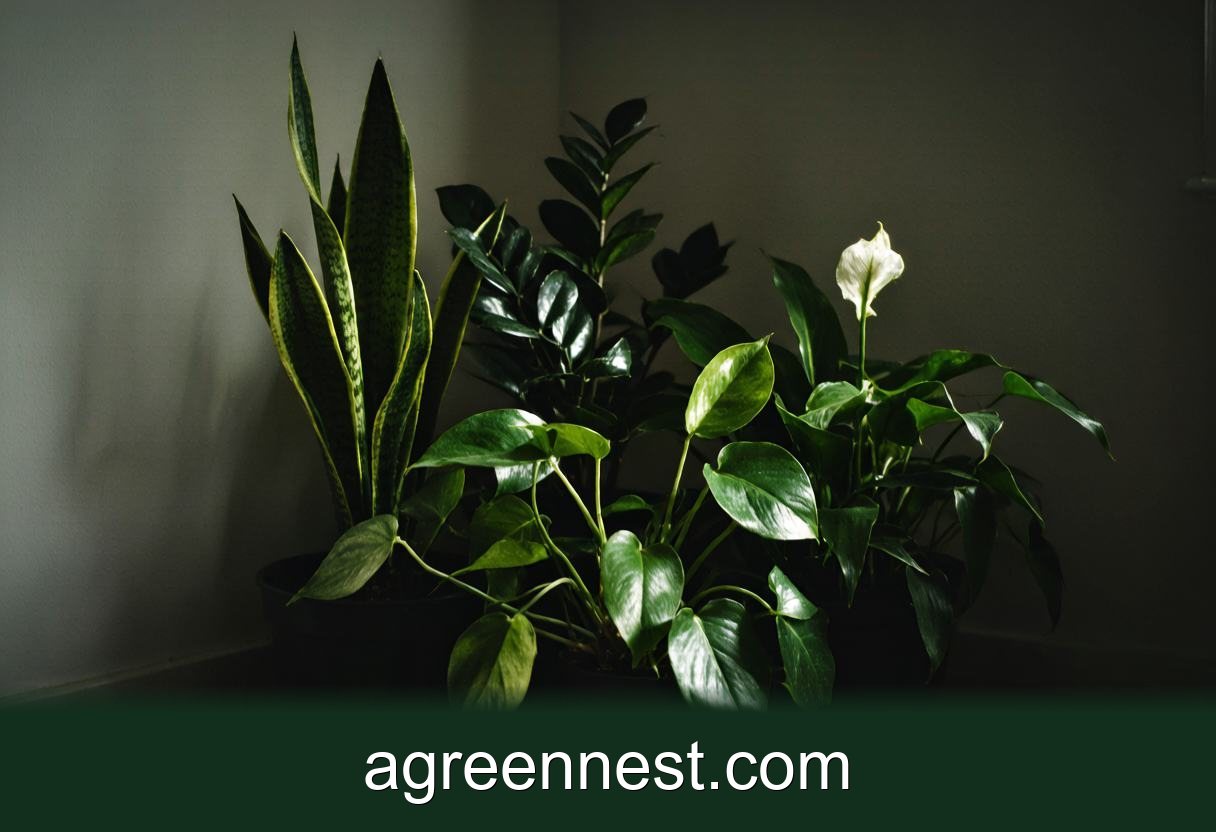
Do not overthink Parlour Palm Care Guide (Chamaedorea Elegans). It thrives in bright, indirect light and asks for little: water when the top layer of soil dries (12 days between waterings), and keep it away from harsh midday sun. A slightly lean soil and a stable, warm spot are all it needs to look good through the year.
My grandmother kept a Parlour Palm in her sitting room for thirty years, and the plant outlived two sofas. That is the magic of Chamaedorea elegans. It is one of the few palms content in the soft, indirect light of a normal home, and it asks for so little that even a forgetful gardener can keep it happy.
The species is native to the forest floor of southern Mexico and Guatemala, where it grows under a canopy of taller trees. That shaded history explains why bright, direct sun actually harms it. Give it a calm corner and a steady routine, and it will quietly fill the room with feathery green fronds.
I brought my first one home in a supermarket pot, and it is still with me. Here is everything I have learned about keeping this gentle palm at its best.
Parlour Palm at a Glance
| Care factor | What Parlour Palm wants |
|---|---|
| Light | low to bright indirect light, kept out of hot, direct sun |
| Water | a deep drink when the top 2.5 centimetres of soil dries, about every 12 days in growth |
| Temperature | comfortable from 55 to 82°F (13 to 28°C) |
| Humidity | average home humidity is fine, a little extra helps |
| Soil | a standard peat-free houseplant mix |
| Difficulty | very easy, a great pick for beginners |
| Pet safe | yes, it is generally regarded as pet-safe |
Why Does Chamaedorea elegans Tolerate Low Light?
Most palms demand blazing sun, but this one evolved beneath a forest roof. Chamaedorea elegans thrives on the dappled, filtered brightness that reaches the jungle floor, so the dim corner of a living room feels familiar rather than hostile. A north or east facing window is ideal.
Direct midday sun is the real enemy. It scorches the slender fronds and leaves bleached, papery patches that never recover. I learned that the hard way when I parked a pot on a south sill one July, and within a week the top leaves looked fried. Move it back to gentle light and new growth emerges clean.
Bright indirect light keeps the stems short and the foliage a rich green. If your only spot is dark, a grow light on a ten hour cycle will do, though the palm grows slower than it would near a window.
How Often Should You Water a Parlour Palm?
The rhythm that works for me is simple. I water about every 12 days during spring and summer, and I check the top layer first. When the upper 2.5 centimetres, roughly an inch, of soil feels dry to the touch, the plant is ready for a drink.
Autumn and winter slow things down. The palm uses less water as light levels drop, so I stretch the gap to around eighteen to twenty one days and never let the pot sit in a full saucer. One thorough soak that runs through the drainage hole beats a series of small sips, because deep watering encourages roots to reach down.
Brown leaf tips often signal tap water with too much fluoride or salt. I switch to rainwater or filtered water when I can, and the browning eases within a month. Consistency matters more than perfection here.
Soil, Pots, and Humidity
A standard peat-free houseplant mix is perfect. I add a handful of perlite, about one part in ten, to keep the medium open without making it gritty. The palm likes even moisture, not a desert dry cycle, so a mix that holds a little water suits it better than a cactus blend.
Average home humidity, around 35 to 45 percent, is fine for Chamaedorea elegans. A light misting twice a week in winter, when heating dries the air, keeps the fronds from crisping at the edges. Grouping it with other plants also raises local humidity naturally.
What Temperature Keeps It Happy?
This palm prefers steady warmth. It grows best between 55 and 82°F (13 and 28°C), and it dislikes sudden chills. I keep mine away from drafty doors and off the floor near cold windows in winter.
Heat is less of a problem than cold, though anything above about 90°F (32°C) with dry air will stress the leaves. A stable spot, away from radiators and air conditioning vents, is the safest choice. The plant tolerates brief dips to around 50°F (10°C), but I would not push it lower for long.
Feeding and Repotting
Parlour Palms are slow feeders, and they hate rich soil. I use a balanced liquid fertilizer at one quarter strength, roughly 5 millilitres per litre, once a month from April through August. That gentle dose supports steady growth without burning the fine roots.
Repot only every two to three years, and choose a pot just 2.5 to 5 centimetres wider than the old one. These palms like to be slightly root bound, and a too large container holds excess moisture that the shallow roots cannot use. Spring is the best time to move them.
How to Propagate Parlour Palm
The reliable method is division at repotting time. Ease the root ball out of the pot and look for natural clumps with their own stems and roots. Tease them apart gently with your fingers, then pot each clump separately in fresh mix and water it in well.
Seed is possible but slow, and named cultivars may not come true. For most home growers, splitting a healthy clump every few years is the practical path, and it is also how you refresh an overcrowded pot.
Common Problems and Easy Fixes
Leaning or stretched growth means the plant wants more light. Move it brighter or add a grow light.
Mushy, yellow lower leaves usually signal overwatering. Let the top layer dry and check that the drainage hole is clear.
Brown, crispy edges point to low humidity or salt build up. Flush the soil with distilled water and mist a little more often.
Frequently Asked Questions
Q: Is Parlour Palm safe for pets?
A: Yes, it is generally regarded as pet safe, which is one reason it suits family homes.
Q: What light is best?
A: Low to bright indirect light. Keep it out of hot, direct midday sun.
Q: How do I make more of it?
A: Divide the clump at repotting time and pot each section on its own.
Parlour Palm rewards a little attention with years of calm, green company, and it asks for almost nothing in return. For a personalised schedule, try our free watering calculator and pair it with the light calculator to pick the perfect spot in your home.
Sources & further reading
GreenNest authors research and write every guide independently. The external links below are reputable references we recommend for deeper reading — they are not the sources we copied from.
- Aggie Horticulture (Texas A&M) — Texas A&M AgriLife
- NC State Extension — Plant Toolbox — NC State Extension
- UF/IFAS Gardening Solutions — UF/IFAS
Recommended Tools for Low-Light Indoor Plants Care
Free, no-signup helpers matched to this guide.
Free Ebooks to Explore
Downloadable handbooks — no email required.
Share Your Plant Story
Grown something tricky, or found a trick that finally worked? Tell us in the comments, or see what other readers are sharing on our Community page. The best reader tips get folded back into our guides.
Join the Conversation
Have a tip or a question about Parlour Palm Care Guide (Chamaedorea elegans)? Share it below — comments are saved on our server.