 AGreenNest
Succulent Care
Lace Aloe Care Guide (Aloe aristata)
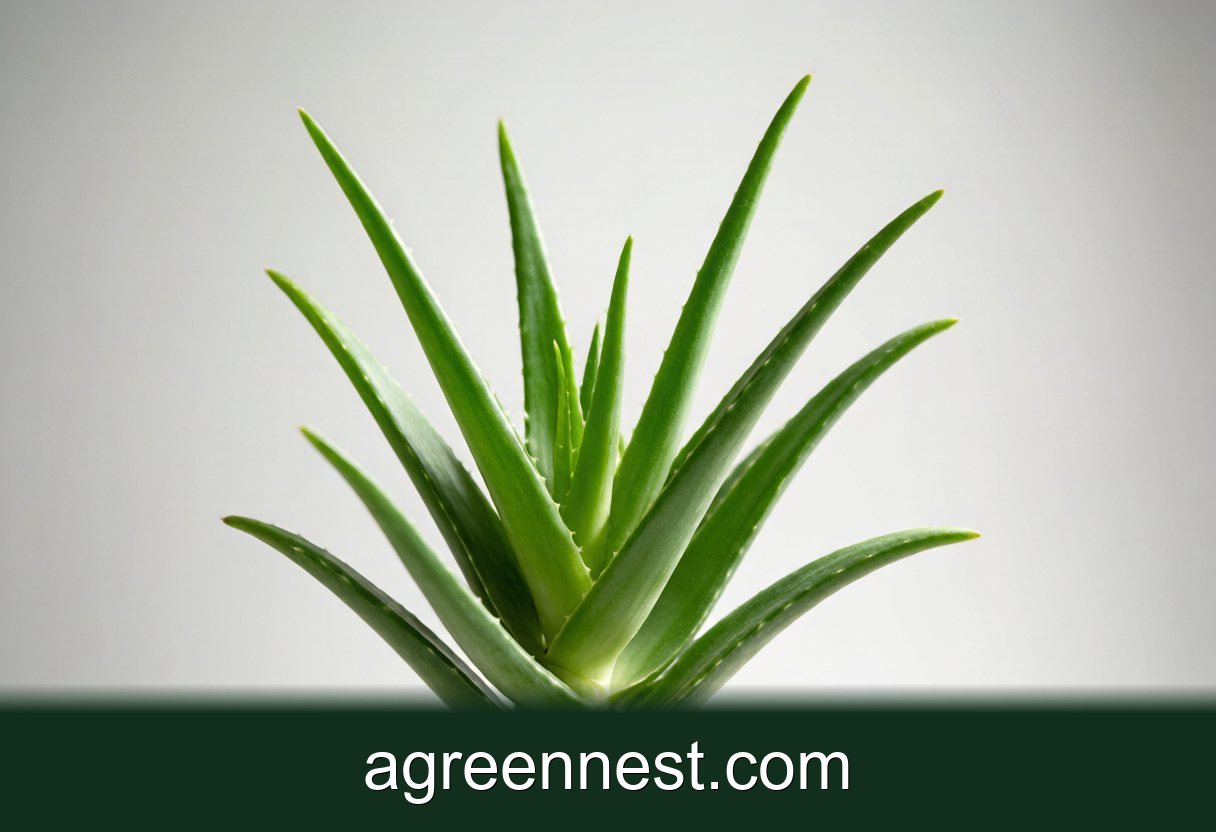
The secret to a happy Lace Aloe Care Guide (Aloe Aristata) is restraint. Place it in a few hours of direct sun, then wait until the soil is bone dry before watering (18 days between waterings). Use a lean, sandy soil and a porous pot so excess moisture escapes fast and rot never gets started.
A Plant That Earns Its Nickname
The first time I saw a lace aloe in bloom, I mistook it for a tiny torch. The orange flowers rise on slender stalks in late winter, and the rosette below looks stitched with white bumps and soft teeth along every edge. Modern taxonomy places it in Aristaloe aristata, though you will still meet gardeners who call it Aloe aristata, and both names describe the same resilient little succulent.
Many beginners choose this species because it tolerates a forgotten watering better than almost any other houseplant. The leaves form a tight rosette that hoards moisture, so a dry spell of three weeks rarely does lasting harm. Most windowsills in a normal home give it enough light to stay compact and colourful. Visitors usually assume it is a haworthia until they spot the toothed margins along each leaf.
How much sun does Lace Aloe need?
Give it plenty of bright light and a few hours of direct sun for the deepest colour. I place mine on a south facing ledge where it receives about four hours of morning and early afternoon light through the glass. Because the plant builds pigment in strong light, a dim corner soon leaves it faded and stretched.
Direct summer sun is welcome if it arrives gently, but a midday blast through double glazing can bleach the leaves. Move the pot six inches back, or filter the light with a curtain, and the rosette keeps its freckled look. A grow light at around 3,000 lux for ten hours a day rescues plants kept in basements.
When should I reach for the watering can?
Wait until the soil is bone dry from top to bottom, then soak it thoroughly. Through the growing season from April to September I water about every eighteen days, while winter stretches that to between thirty and forty days. Lace aloe stores water in its leaves, so a missed week costs nothing, whereas a soggy pot invites rot.
I judge dryness with a wooden skewer pushed to the pot base. If it comes out clean and dry, the plant is ready. Cats and dogs should never chew the leaves, because the sap can upset their digestion. After each watering I empty the saucer so no moisture lingers under the roots.
Soil, Pot, and Drainage
A lean sandy mix prevents the wet feet that kill most succulents. I blend four parts sharp sand with two parts compost and one part grit, which sheds water almost instantly. Terracotta suits lace aloe because the clay wicks humidity away from the root ball, and I avoid glazed pots for this reason.
Always choose a container with a drainage hole you can see. Sitting in a puddle is the quickest way to lose a plant, and rot spreads from the base upward. When repotting, step up just one size, from a three inch pot to a five inch pot, so surplus soil does not stay damp around the roots. Refreshing the top inch of grit each spring gives a small but useful nutrient top up.
What temperatures suit Lace Aloe best?
Keep daytime warmth between 50 and 80°F, equal to 10 to 27°C, and let nights fall roughly eight degrees cooler. My plant thrives in an ordinary room and tolerates dry air near thirty five percent humidity without fuss. Because it originates from the high grasslands of southern Africa, it shrugs off heat but hates cold wet feet.
Guard it against winter drafts from open windows. A night at 40°F, about 4°C, can mark the leaf tips with brown scars. If your house cools below 45°F in January, move the pot to a warmer shelf or wrap the container in bubble fleece.
How can I make more Lace Aloe plants?
Offsets, or pups, are the simplest route to new plants. I wait until a pup is at least two inches tall, then slice it free with a sterilised knife and let the cut dry for two days. Pot it in dry sand, mist lightly every third day, and roots form within four to six weeks.
Leaf or stem cuttings are slower and less reliable for this species, so I rarely bother. Dusting the wound with a one to nine cinnamon to talc mix discourages fungus during callusing. Few gardening wins feel cheaper than a shelf of lace aloes grown from a single mother plant.
Which troubles should I watch for?
Stretched, leaning growth means the plant wants brighter light. Shift it to a sunnier ledge or add a lamp, and new leaves tighten within a month. A mushy yellow base is the classic overwatering signal, so dry the soil and trim any black roots you find.
Brown crispy edges usually point to salty water or very dry air. I flush the pot with collected rainwater every eight weeks and stand it on a pebble tray. Mealybugs occasionally appear in spring, and wiping with a one to four rubbing alcohol to water solution on a cotton bud clears them quickly.
Frequently Asked Questions
Q: Is Lace Aloe safe for pets?
A: No, the leaves can irritate cats and dogs if eaten, so keep it on a high shelf away from curious animals.
Q: Can Lace Aloe survive outdoors?
A: In summer it enjoys a sheltered patio, but bring it inside before temperatures drop below 45°F, or 7°C.
Q: Why are my lace aloe leaves turning red?
A: A little red flushing in strong light is normal, but blackened tips suggest cold damage or overwatering.
Lace aloe has taught me that the best houseplants are the ones that forgive, and this rosette forgives almost everything except constant wet soil. Use our free watering calculator and the light calculator to settle on a routine that matches your room. Before long you may notice, as I have, that a single freckled plant has quietly multiplied across your shelves.
Sources & further reading
GreenNest authors research and write every guide independently. The external links below are reputable references we recommend for deeper reading — they are not the sources we copied from.
- Royal Horticultural Society — Houseplant care — RHS
- Aggie Horticulture (Texas A&M) — Texas A&M AgriLife
- NC State Extension — Plant Toolbox — NC State Extension
Recommended Tools for Succulent Care
Free, no-signup helpers matched to this guide.
Free Ebooks to Explore
Downloadable handbooks — no email required.
Free Ebook
The AGreenNest Succulent Care Handbook
The complete, beginner-to-confident guide to growing fat, happy succulents — 10 chapters and a 20-plant directory.
Share Your Plant Story
Grown something tricky, or found a trick that finally worked? Tell us in the comments, or see what other readers are sharing on our Community page. The best reader tips get folded back into our guides.
Join the Conversation
Have a tip or a question about Lace Aloe Care Guide (Aloe aristata)? Share it below — comments are saved on our server.