 AGreenNest
Succulent Care
Aloe Care: 4 Species for Beginners
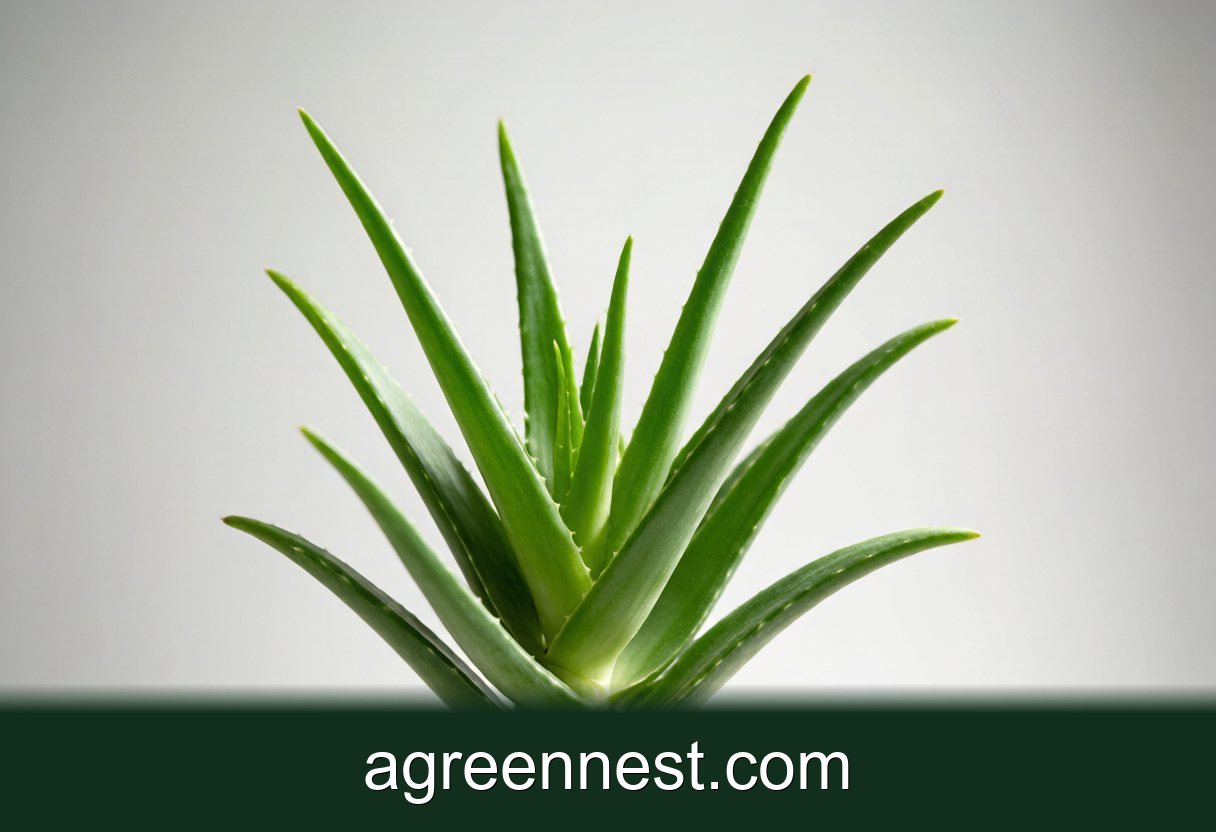
The secret to a happy Aloe is restraint. Place it in bright, indirect light, then wait until the soil is bone dry before watering (every 2-3 weeks in summer, less in winter). Use a lean, sandy soil and a porous pot so excess moisture escapes fast and rot never gets started.
Aloe Care: 4 Species for Beginners
My first Aloe vera came from a supermarket checkout, the kind of impulse plant you do not expect to survive. It did, and it outlived three ferns and a peace lily that I had fussed over far more. That is the quiet lesson of this genus. Aloes reward neglect more than devotion.
This roundup walks through four species I have grown on the same sunny sill. They look different, but the care behind them is nearly identical. If you have killed every cactus you ever owned, an aloe is the gentle place to start again.
What Makes an Aloe So Forgiving?
Aloes store water in their fleshy leaves, which is why a missed watering barely registers. The genus evolved across dry regions of Africa and Arabia, where rain arrives in short bursts and then vanishes for months. A plant built for that rhythm simply shrugs at a forgetful owner.
The other reason is structure. Those pointed leaves are designed to lose as little moisture as possible, and the thick skin slows evaporation to a crawl. Give an aloe bright indirect light and a dry spell between drinks, and it will sit contentedly while you go on holiday.
Few houseplants tolerate a dry flat as well as these do. Aloes ask for a drink only when the pot is light, and they forgive a forgotten weekend away without a single wilt. That patience is what makes them such calm companions for busy people.
Four Aloes I Keep on the Windowsill
Aloe Vera (Aloe vera, sometimes listed as Aloe barbadensis) is the classic. Pups crowd the base, and each one is a free plant if you separate it in spring. The gel inside has soothed more than one kitchen burn in my home.
Lace Aloe (Aloe aristata) is the cold tolerant surprise of the group. Its leaves carry soft white bumps and tiny teeth, and it handles a cooler windowsill better than most aloes. Mine survived a chilly bedroom through winter without flinching.
Climbing Aloe (Aloe ciliaris) breaks the mould by vining. I gave mine a small trellis, and it now trails toward the light like a green ribbon. It needs the same dry soil but appreciates a bit more room to roam.
Soap Aloe (Aloe maculata) earns its name from the lather its sap makes when rubbed. The spotted leaves are striking, and it flowers readily indoors if the light is strong. A coral aloe, Aloe striata, sits beside it for contrast, with smooth blue grey leaves and no teeth at all.
How Do You Know When to Water?
Forget the schedule and trust the soil. An aloe wants its mix bone dry before the next drink, which in summer means roughly every two to three weeks and in winter often once a month or less. I push a finger an inch down; if it feels cool and damp, I walk away.
Overwatering is the only real way to lose one of these. Rot starts at the base and climbs, and by the time the leaves go translucent it is usually too late. Warmth helps the soil dry, so a room near 70°F, about 21°C, keeps everything on track. A brief dip to 50°F, or 10°C, is tolerated but not welcomed.
Light and the Right Window
Bright indirect light is the sweet spot, with a little gentle morning or evening sun for colour. A south or west window behind a shear curtain works beautifully through the year. Too much harsh midday sun, though, can redden the leaves or scorch their tips.
North facing windows suit the less sun hungry types, yet most aloes want at least four hours of bright light to keep their compact shape. Weak light stretches the leaves and fades the spots, so a pale plant is usually a plea for a brighter perch rather than more water.
I rotate the pots a quarter turn each week so every side reaches the light. It is a small habit that keeps the rosettes symmetrical instead of leaning toward the glass like sunflowers.
Soil, Pots, and Offsets
A lean sandy mix drains fast and mimics the aloe's native ground. I use three parts succulent soil to one part coarse sand, and that blend has never let me down. A porous terracotta pot wicks extra moisture from the root zone, which is exactly what these plants prefer.
Offsets are the gift that keeps giving. A pup pulled from the mother in spring roots within weeks if you let the cut callus first. Share them with friends, and you will soon be known as the person with the aloe habit.
Avoid deep pots that hold damp at the bottom, because the thick roots hate a cold wet foot. Shallow terracotta pans suit the smaller species better than tall containers, and they dry out fast after a generous soak.
Frequently Asked Questions
Q: Which species is easiest to start with?
A: The one whose look you like most, because all four are beginner friendly. Most people begin with Aloe vera and stay for the rest.
Q: Can these aloes share a pot?
A: Yes, if they share the same light and water needs, which these four do. A mixed bowl of vera and maculata looks cheerful on a table.
Q: Why are my leaves turning thin and curled?
A: Usually too little water or too little light, so move the plant somewhere brighter and check the soil before the next drink.
Collecting one genus is a calm way to learn a plant family without pressure. Pair your favourites with the light calculator to place them well, and let the aloes show you how little they truly need.
Sources & further reading
GreenNest authors research and write every guide independently. The external links below are reputable references we recommend for deeper reading — they are not the sources we copied from.
- Royal Botanic Gardens, Kew — Kew Gardens
- Cornell Garden-Based Learning — Cornell University
- UF/IFAS Gardening Solutions — UF/IFAS
Recommended Tools for Succulent Care
Free, no-signup helpers matched to this guide.
Free Ebooks to Explore
Downloadable handbooks — no email required.
Free Ebook
The AGreenNest Succulent Care Handbook
The complete, beginner-to-confident guide to growing fat, happy succulents — 10 chapters and a 20-plant directory.
Share Your Plant Story
Grown something tricky, or found a trick that finally worked? Tell us in the comments, or see what other readers are sharing on our Community page. The best reader tips get folded back into our guides.
Join the Conversation
Have a tip or a question about Aloe Care: 4 Species for Beginners? Share it below — comments are saved on our server.