 AGreenNest
Succulent Care
Climbing Aloe Care Guide (Aloe ciliaris)
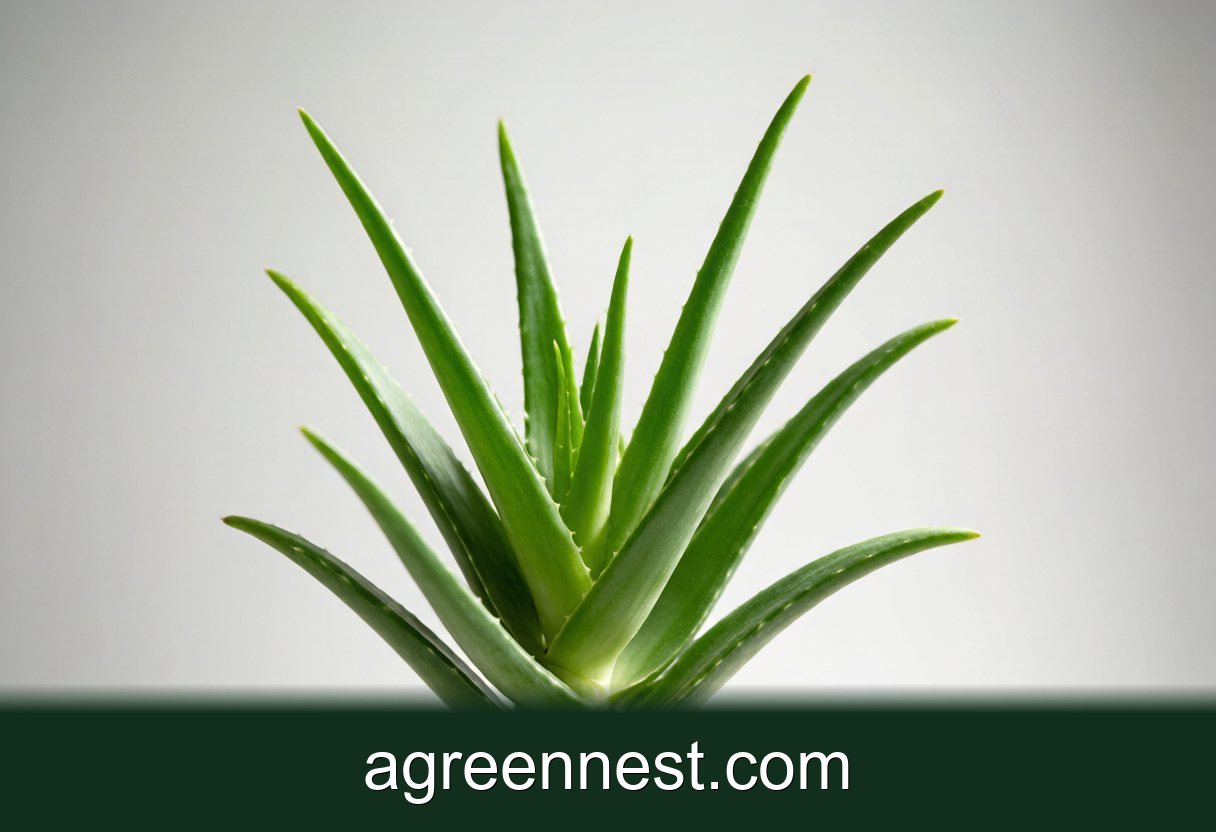
Climbing Aloe Care Guide (Aloe Ciliaris) stores moisture in its leaves, so it tolerates some neglect. Give it bright, indirect light and water only when the potting mix has fully dried out (16 days between waterings). Plant it in a gritty, fast-draining mix and a terracotta pot to keep the roots healthy and rot-free.
Getting to Know Climbing Aloe
My first climbing aloe arrived as a spindly cutting from a friend who had run out of shelf space. Within a single season it had wound itself around a bamboo stake and produced the soft orange blooms that first made me fall for this odd little plant. Botanists now call the species Aloiampelos ciliaris, though older books list it as Aloe ciliaris, and either name points you to the same cheerful vine. Unlike the rosette shaped aloes most people picture, this one sends out long stems that appreciate a support to lean on.
Few houseplants reward mild neglect quite as forgivingly. The leaves store water the way a camel stores it, so a missed watering rarely spells disaster. Most growers find that a bright corner and a patient watering routine keep the plant content for years. Here is how I care for mine through the changing seasons. Neighbours often ask why it never seems to need me, and the answer is simple restraint plus a sunny sill.
What kind of light does Climbing Aloe want?
Bright indirect light makes this plant happiest, paired with a splash of gentle morning or late afternoon sun. I keep mine on an east facing windowsill where it gets about two hours of soft light before the stronger midday rays arrive. Because the stems climb toward brightness, you will notice new growth reaching toward the glass when the spot is right.
Direct summer sun through a south window can scorch the leaves within a few days. Move the pot back a foot or two, or hang a sheer curtain, and the risk disappears. A grow light rated around 2,000 lux works well in darker rooms, and I run mine for twelve hours each winter day.
How often should I water my climbing aloe?
Wait until the top two inches of mix feel completely dry, then water deeply. In the active growing months from March to September I water roughly every sixteen days, while in winter the gap stretches to between twenty eight and thirty five days. Overwatering causes far more losses than underwatering, so when in doubt, wait another few days.
I use the weight test, because a dry pot feels noticeably light when lifted. Puppies and cats should be kept away, since chewing the leaves can upset their stomachs. After watering, I tip out any excess that collects in the saucer so the roots never sit in moisture.
Choosing the Right Soil and Pot
A gritty cactus blend suits climbing aloe better than rich potting soil. I mix three parts coarse sand with one part compost and one part perlite, which drains in under a minute when I pour water through it. Terracotta pots breathe and pull extra moisture from the root zone, so I prefer them over glazed ceramic for this species.
Pick a container with a real drainage hole at the bottom. Sitting in wet soil is the fastest route to a mushy, yellow base, and once rot starts it is hard to reverse. When the plant outgrows its pot, move it up only one size, from a four inch pot to a six inch pot, so the roots are not left in damp unused soil. Repotting every second spring keeps the roots from binding, and fresh grit restores brisk drainage.
What temperatures keep Climbing Aloe comfortable?
Aim for daytime warmth between 55 and 85°F, which is 13 to 29°C, and allow nighttime to dip about ten degrees lower. My plant sails through a normal living room without complaint, and average household humidity around forty percent is perfectly adequate. Because the species comes from South Africa, it dislikes cold drafts more than dry air.
Keep it away from frosty windows in January. A single night near 35°F, about 2°C, can blacken the leaf tips. If your home drops below 50°F in winter, move the pot to a warmer room or wrap the pot in fleece.
How do I propagate Climbing Aloe?
Stem cuttings root readily if you let the cut end callus first. I snip a six inch tip, leave it on a dry plate for two days, then set it in barely moist sand. Roots usually appear within three to four weeks, and I transplant once they reach an inch long.
Pups pulled from the mother plant give a head start. Separate them with a clean knife, dust the wound with powdered sulfur at a one to ten ratio with talc, and pot them up. Few tasks feel as satisfying as filling a windowsill with free plants from a single parent.
Which problems show up most often?
Leaning or stretched growth signals a cry for more light. Shift the pot to a brighter spot or add a grow light, and the stems thicken within a month. Mushy yellow bases almost always mean too much water, so let the soil dry and inspect the roots for blackened sections.
Brown crispy edges often trace back to salty tap water or very dry air. I flush the pot with rainwater every six weeks and set a pebble tray beneath it. Spider mites sometimes arrive in winter, and a weekly spray of a one to four bleach to water solution on a cloth keeps them controlled.
Frequently Asked Questions
Q: Is Climbing Aloe safe around pets?
A: No, the sap can irritate cats and dogs if chewed, so place it on a high shelf or in a closed room.
Q: Can Climbing Aloe grow without a trellis?
A: Yes, you can let it trail from a hanging pot, though the stems wander more and need occasional tying.
Q: Why do the leaves turn pale green?
A: Pale colour usually means it wants more light, while sudden red scorch marks point to too much direct sun.
Climbing aloe has been one of the easiest companions in my collection, asking only for bright light and a little restraint with the watering can. Try our free watering calculator and the light calculator to build a routine that fits your home. Within a year you may find, as I did, that a single cutting has become a whole green curtain by the window.
Sources & further reading
GreenNest authors research and write every guide independently. The external links below are reputable references we recommend for deeper reading — they are not the sources we copied from.
- Royal Horticultural Society — Houseplant care — RHS
- Clemson Home & Garden Information Center — Clemson Extension
- Royal Botanic Gardens, Kew — Kew Gardens
Recommended Tools for Succulent Care
Free, no-signup helpers matched to this guide.
Free Ebooks to Explore
Downloadable handbooks — no email required.
Free Ebook
The AGreenNest Succulent Care Handbook
The complete, beginner-to-confident guide to growing fat, happy succulents — 10 chapters and a 20-plant directory.
Share Your Plant Story
Grown something tricky, or found a trick that finally worked? Tell us in the comments, or see what other readers are sharing on our Community page. The best reader tips get folded back into our guides.
Join the Conversation
Have a tip or a question about Climbing Aloe Care Guide (Aloe ciliaris)? Share it below — comments are saved on our server.