 AGreenNest
Succulent Care
Soap Aloe Care Guide (Aloe maculata)
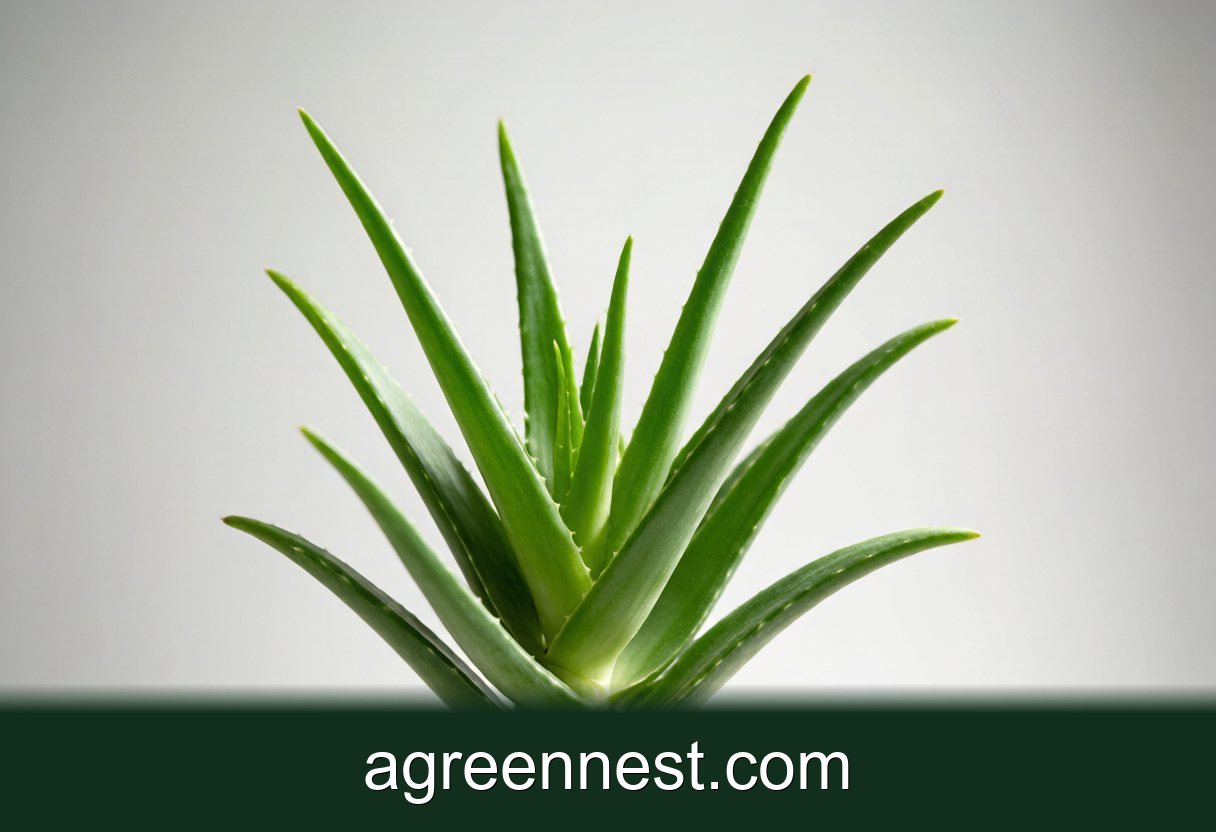
Soap Aloe Care Guide (Aloe Maculata) stores moisture in its leaves, so it tolerates some neglect. Give it a few hours of direct sun and water only when the potting mix has fully dried out (18 days between waterings). Plant it in a gritty, fast-draining mix and a terracotta pot to keep the roots healthy and rot-free.
Soap Aloe at a Glance
| Care factor | What Soap Aloe wants |
|---|---|
| Light | bright light with a few hours of direct sun for the best leaf colour |
| Water | a deep drink only when the mix is fully dry, about every 18 days in summer, much less in winter |
| Temperature | happy between 50 and 82°F (10 and 28°C) |
| Humidity | dry air is fine, no misting needed |
| Soil | a gritty, fast-draining cactus mix |
| Difficulty | very easy, a good first succulent |
| Pet safe | no, keep it away from cats and dogs |
Aloe maculata sits among the most forgiving succulents you can bring indoors. The table above sums up the basics, but the story behind the plant is what keeps me recommending it to new growers. It belongs to a large genus of roughly 500 species, yet few are as cheerful and undemanding as this spotted rosette.
What Makes Soap Aloe Worth Growing?
The first time I met a soap aloe, I was helping a neighbor repot her collection. She snapped a leaf, rubbed the clear gel between her fingers, and showed me how it foamed like dish soap. That little trick is exactly where the name comes from. Unlike the smooth, sword-shaped leaves of its cousin Aloe vera, this plant carries broad, triangular leaves marked with pale bands and raised white spots. Those spots gave it the old botanical nickname maculata, which simply means spotted.
Gardeners love it because it asks for so little. A sunny windowsill, a gritty pot, and the occasional deep drink are about all it needs. Most specimens stay compact, rarely topping eighteen inches in a container, so they fit on a kitchen shelf or a bright bathroom ledge without crowding the space. Over time the rosette throws out pups, which means you get free new plants without any real effort.
How Much Light Does Soap Aloe Need?
Bright light is the secret to keeping the leaf colour strong. Aloe maculata does best with at least four to six hours of direct sun each day, ideally from a south or west window. Morning light is gentle and welcome, while the harsh midday summer sun through glass can scorch the leaves if the plant has not been hardened off. If you only have an east window, you can still grow it well, but expect the spots to fade and the rosette to stretch toward the glass.
When the days shorten in late autumn, the pot moves a few inches closer to the pane. A small grow light rated around twenty watts, left on for ten to twelve hours, will hold the colour through a grey winter. Watch the tips: if they go reddish, that is usually a happy sun flush, but if the whole leaf pales and leans, it wants more light. Most homes can provide enough with a single bright window and a little patience.
Watering on a Simple Schedule
Here is the part most people overthink. Soap aloe stores water in its leaves, so it would rather miss a watering than sit in wet soil. During spring and summer, a deep watering every seventeen to nineteen days suits it, always after the top three inches of mix feel completely dry. A cheap wooden skewer pushed to the bottom of the pot tells the truth: if it comes out with dark, clinging soil, wait another few days.
In winter the plant rests, and the schedule drops to a single deep watering every five to six weeks, just enough to keep the leaves from shrivelling. The saucer is emptied ten minutes after watering so the roots never soak. A mix of two parts cactus soil to one part coarse perlite keeps things airy, and a handful of fine gravel adds weight and stability.
Soil, Pot, and Feeding
Terracotta is my default for this plant. The porous walls wick away extra moisture, which is exactly what an Aloe maculata rosette wants at its base. Use a container with one drainage hole at minimum, and resist the urge to size up too fast. A pot only an inch wider than the root ball encourages steady growth and reduces rot risk.
Feed the plant lightly. A balanced liquid fertilizer at one teaspoon per gallon of water, applied once in April and again in July, is plenty. More than that pushes soft, weak growth that flops and loses its spots. Fertilizer is skipped entirely during the cool months, because a resting plant cannot use the extra nutrients and they only build up in the soil.
Can Soap Aloe Be Propagated at Home?
Yes, and it is one of the easiest succulents to multiply. Mature plants throw out small offsets, or pups, at the base. In early summer the whole plant is lifted, a pup is teased away with a clean knife, and the cut end is left to callus on a dry counter for two days. Then it is set in barely damp mix and left for three to four weeks for roots to appear. Seed works too, though it is slower and needs steady warmth around 70 to 75°F (21 to 24°C) to germinate.
Common Problems and Easy Fixes
Leaning or stretched growth almost always means the plant wants more light. Move it brighter or add a grow light. A mushy, yellow base signals overwatering; pull it from the pot, trim the dark roots, and replant in dry mix. Brown, crispy edges usually point to dry air or salt build-up from tap water, so flush the soil every couple of months and use filtered water when you can.
Mealybugs are the pest most likely to appear, hiding in the leaf axils as small white fluff. A cotton swab dipped in rubbing alcohol removes them quickly before they spread. One caution worth repeating: the sap and leaves can irritate pets if chewed, so site the pot out of reach of cats and dogs, or place it on a high shelf where curious paws cannot get to it.
Frequently Asked Questions
Q: How often should I water Soap Aloe?
A: Deeply, only when the mix is fully dry, about every 18 days in the growing season and far less in winter.
Q: Is Soap Aloe safe for pets?
A: No. The leaves and sap can irritate cats and dogs, so keep the pot out of their reach.
Q: Why are my soap aloe leaves turning pale?
A: Usually it wants more light, or it has been fed too heavily. Move it to a brighter spot and ease off the fertilizer.
Soap aloe has been my go-to gift plant for a decade because it survives the forgetful among us. Give Aloe maculata a sunny sill, a terracotta pot, and a light touch with the watering can, and it will quietly reward you for years. For a personalized schedule, try our free watering calculator and pair it with the light calculator to pick the perfect spot.
Sources & further reading
GreenNest authors research and write every guide independently. The external links below are reputable references we recommend for deeper reading — they are not the sources we copied from.
- Missouri Botanical Garden — Missouri Botanical Garden
- Clemson Home & Garden Information Center — Clemson Extension
- NC State Extension — Plant Toolbox — NC State Extension
Recommended Tools for Succulent Care
Free, no-signup helpers matched to this guide.
Free Ebooks to Explore
Downloadable handbooks — no email required.
Free Ebook
The AGreenNest Succulent Care Handbook
The complete, beginner-to-confident guide to growing fat, happy succulents — 10 chapters and a 20-plant directory.
Share Your Plant Story
Grown something tricky, or found a trick that finally worked? Tell us in the comments, or see what other readers are sharing on our Community page. The best reader tips get folded back into our guides.
Join the Conversation
Have a tip or a question about Soap Aloe Care Guide (Aloe maculata)? Share it below — comments are saved on our server.