 AGreenNest
Succulent Care
Aloe Vera Care Guide (Aloe vera)
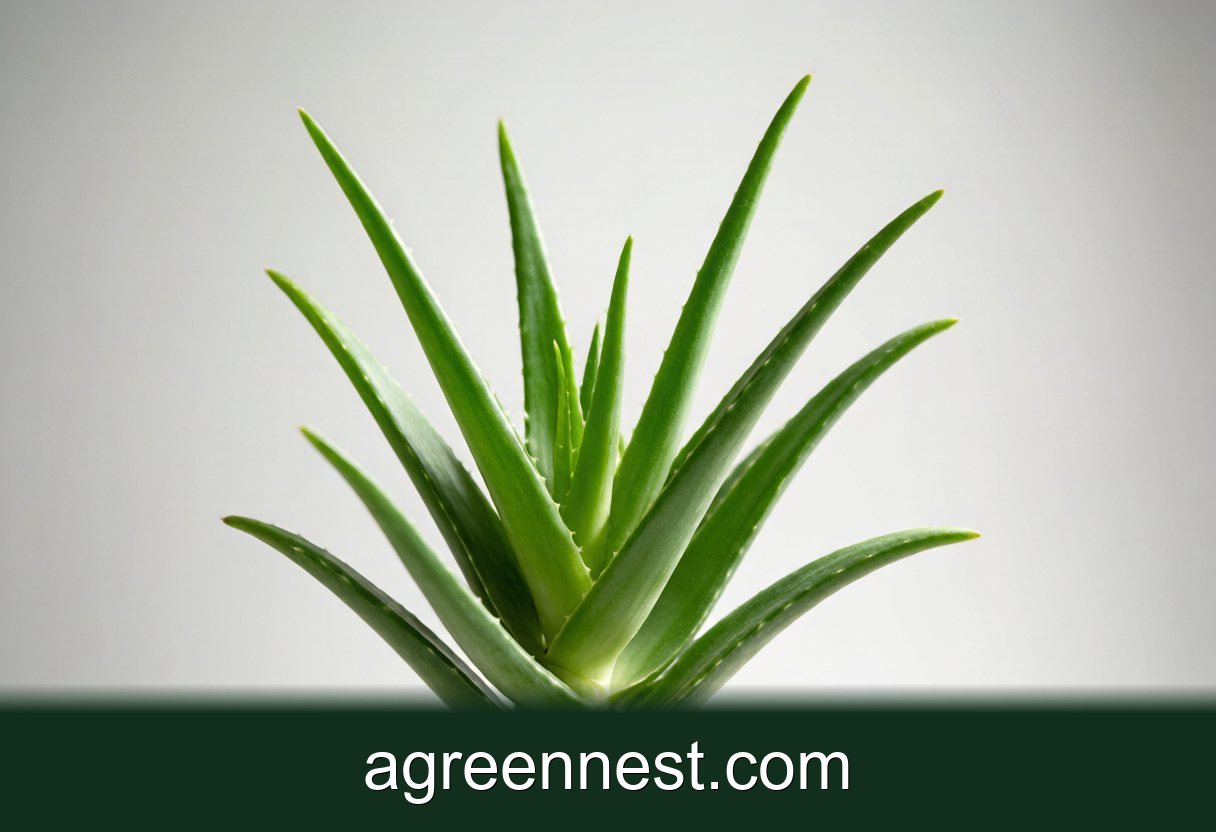
If you are new to Aloe Vera Care Guide (Aloe Vera), keep it simple: a few hours of direct sun, and water sparsely. These plants hate wet feet, so always let the soil dry completely between drinks (21 days between waterings). A shallow terracotta pot with gritty soil is the safest setup, and a bright windowsill does the rest.
Aloe Vera at a Glance
| Care factor | What Aloe Vera wants |
|---|---|
| Light | bright light with a few hours of direct sun for good colour |
| Water | a deep drink only when the soil is fully dry, about every 21 days |
| Temperature | steady comfort between 55 and 85°F (13 and 29°C) |
| Humidity | ordinary dry room air is perfectly fine |
| Soil | a sandy cactus mix that drains fast |
| Difficulty | very easy, a good pick for beginners |
| Pet safe | no, keep it away from cats and dogs |
Aloe Vera has earned a spot on millions of windowsills for good reason. Aloe vera stores water in thick succulent leaves, so it shrugs off the occasional missed watering. My kitchen plant once went six weeks untouched during a long trip, then perked up within days of a single soak. That quiet toughness makes it the first succulent I hand to nervous new growers. The gel inside the leaves has soothed minor kitchen burns in my home for years. Closely related Haworthia attenuata shares the same easy habits if you want a smaller companion on the shelf.
What kind of light does Aloe Vera prefer?
Bright light keeps the leaf colour rich and the rosette tight and upright. A south or west window that gives three to five hours of direct sun suits it best. Pale, stretched leaves tell you the plant is reaching for more light than it gets. Move it closer to the glass, or add a small grow light for fourteen hours a day. Too much harsh midday sun through a hot pane can brown the tips, so a sheer curtain helps in summer. Morning light from an east window is gentle and safe for tender growth.
How much water does Aloe Vera need?
Sparse watering is the golden rule for this thirsty looking but drought loving plant. Wait until the soil is bone dry, then give a thorough soak that wets the whole root ball. During spring and summer, a drink every 18 to 24 days keeps it content. Winter slows growth, so cut back to roughly one watering every six weeks. A simple lift test works well: a dry pot feels light, while a recently watered one feels heavy. Tip the excess from the saucer after fifteen minutes so the base stays dry. Wrinkled, thin leaves signal thirst, whereas yellow mushy ones signal the opposite problem.
Soil and the right pot
Standard potting soil holds too much moisture and will rot the roots over time. Blend two parts cactus mix with one part coarse perlite for a fast draining home. That two to one balance lets air reach the roots and sheds water quickly. Shallow terracotta pots are ideal because they dry out faster than deep plastic ones. Drainage holes are essential, since a sealed decorative pot becomes a hidden puddle. Repot only every two to three years, or when the pups crowd the rim and lift the plant.
Temperature and humidity
Warm room temperatures between 55 and 85°F (13 and 29°C) suit Aloe vera through the seasons. It stalls below 50°F (10°C) and can suffer if cold air lingers near the leaves. Keep the pot off the floor in winter and away from frosty window glass. Humidity is rarely a concern for this desert native in a normal house. Dry central heating does no harm, and a humid bathroom is fine as long as light is bright. Skip misting, since damp leaves invite fungal marks without helping the plant.
How do you propagate Aloe Vera?
Pups that cluster around the mother are the easiest path to new plants. Ease the whole clump from the pot and tease the babies free with a clean knife. Let the cut surface callus for a day before you set it in dry soil. Small offshoots root within three to four weeks in a warm bright spot. Leaf cuttings rarely succeed with aloe, so pups are the reliable choice for beginners. Water the new pot sparingly until you see fresh growth appear. A young pup in a three inch pot makes a cheerful gift for a friend.
Common problems and easy fixes
Mushy, yellow lower leaves almost always mean overwatering, so let the soil dry. Brown crispy tips often come from fluoride in tap water or too much direct sun. Flush the pot with rainwater and trim the worst tips with clean scissors. Soft rot at the base smells sour and spreads fast, so remove affected leaves at once. Mealybugs gather in the leaf joints and leave white fluffy patches. Dab each bug with alcohol on a cotton tip, then check again after four days. Scale insects look like small brown bumps and scrape off with a fingernail. Good air flow between plants prevents most pest trouble before it starts.
Do Aloe plants need fertilizer?
Feeding aloe is optional, though a little food encourages fuller growth. Apply a weak cactus fertilizer at one quarter strength once a month in spring and summer. Stop all feeding from November through February while the plant rests. Too much nitrogen pushes soft weak leaves that flop and break easily. One light dose each season is plenty for a happy windowsill specimen.
Frequently Asked Questions
Q: How often should I water Aloe Vera?
A: Soak it only when the soil is fully dry, about every 18 to 24 days in the warm season and far less in winter. Always empty the saucer so the roots stay dry.
Q: Is Aloe Vera safe for pets?
A: No, the leaves are toxic to cats and dogs if chewed. Keep the pot on a high shelf or in a room your animals cannot enter.
Q: Can I use the gel straight from the leaf?
A: Yes, split a lower leaf and apply the clear gel to minor burns, but avoid the yellow latex just beneath the skin.
Aloe Vera rewards a little restraint with years of useful, easy beauty. In my own home it became the plant I trust most for a quick soothing leaf after cooking mishaps. Pair it with our free watering calculator and the light calculator to choose its perfect spot, then enjoy a green companion that asks so little.
Sources & further reading
GreenNest authors research and write every guide independently. The external links below are reputable references we recommend for deeper reading — they are not the sources we copied from.
- Cornell Garden-Based Learning — Cornell University
- UF/IFAS Gardening Solutions — UF/IFAS
- Royal Botanic Gardens, Kew — Kew Gardens
Recommended Tools for Succulent Care
Free, no-signup helpers matched to this guide.
Free Ebooks to Explore
Downloadable handbooks — no email required.
Free Ebook
The AGreenNest Succulent Care Handbook
The complete, beginner-to-confident guide to growing fat, happy succulents — 10 chapters and a 20-plant directory.
Share Your Plant Story
Grown something tricky, or found a trick that finally worked? Tell us in the comments, or see what other readers are sharing on our Community page. The best reader tips get folded back into our guides.
Join the Conversation
Have a tip or a question about Aloe Vera Care Guide (Aloe vera)? Share it below — comments are saved on our server.