 AGreenNest
Low-Light Indoor Plants
Kentia vs Parlor Palm: Which Palm for Your Room
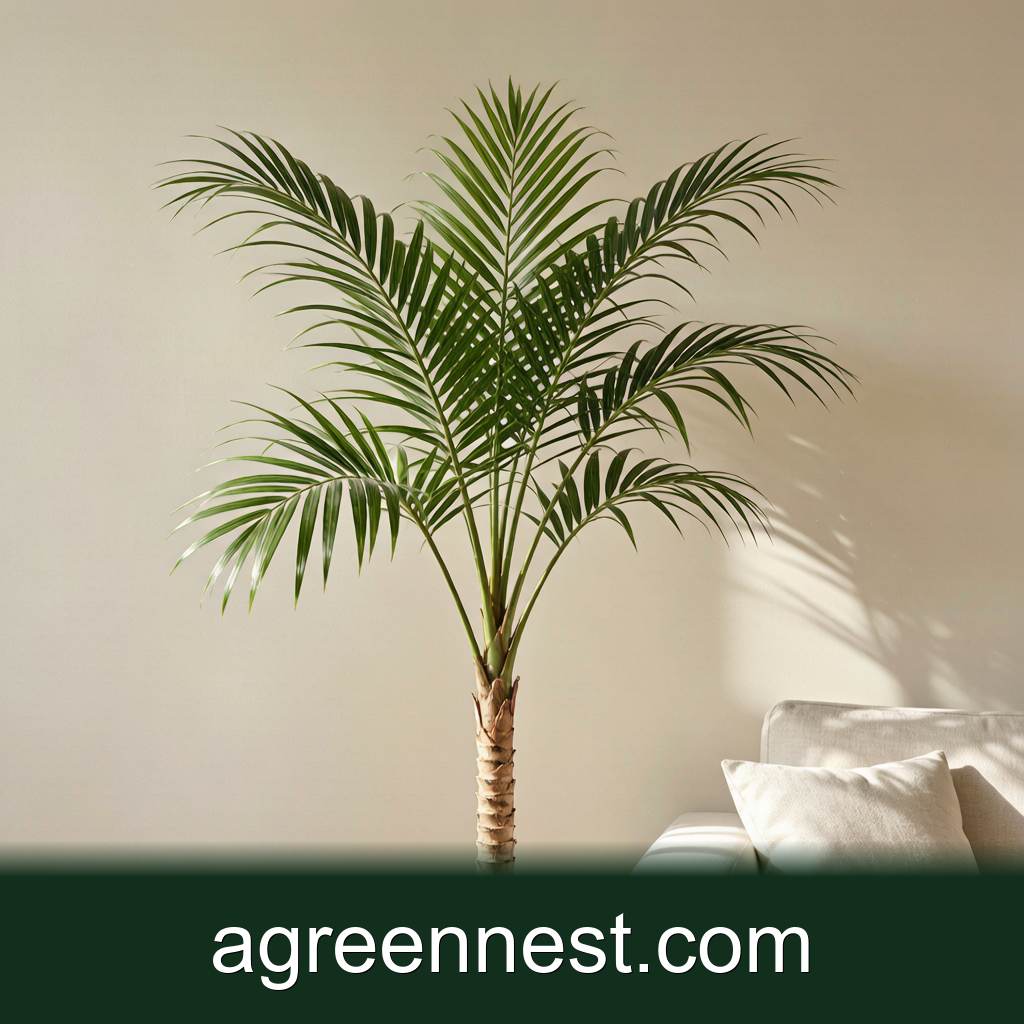
Do not overthink Kentia vs Parlor Palm. It thrives in bright, indirect light and asks for little: water when the top layer of soil dries (10 days between waterings), and keep it away from harsh midday sun. A slightly lean soil and a stable, warm spot are all it needs to look good through the year.
I once stood in a garden centre holding two small palms, unable to decide which would suit the dim hallway I was furnishing. One was a Howea forsteriana, the Kentia Palm, with arching fronds on slender stems. The other was Chamaedorea elegans, the Parlor Palm, shorter and bushier with feathery leaves. Sellers market both as shade lovers, yet they are not interchangeable, and the wrong pick can leave you with a sad, stretched specimen. This comparison breaks down the real differences so you can match the plant to the room instead of guessing. First, the broad context: our 2026 low-light houseplant list ranks both among the best for gloomy spaces.
Two Palms, Two Personalities
Of the pair, the Kentia is the calmer, slower character. Howea forsteriana grows at a stately pace and rewards patience with a graceful, arching canopy. Eager and adaptable, the Parlor Palm fills a corner quickly and shrugs off a bit more abuse. My own flat taught me this difference the hard way, when a Parlor Palm thrived where a Kentia had sulked for a year. Neither is difficult, but their temperaments shape where each belongs. Read on for the details that decide the match.
Height and Overall Shape
Between the two, the Kentia is taller. Given time and a 25 to 30 cm pot, it reaches 2 to 3 m indoors, with a single trunk-like stem that arches outward, so it reads as a floor plant. Parlor Palm stays compact at 1 to 1.5 m even when mature, and it grows in a clump of multiple thin canes, which makes it suit a table, a plant stand, or a narrow corner.
The trade-off is clear: if you need height to fill a bare wall, Kentia wins. If ceiling height or a small flat limits you, Parlor Palm fits without crowding the room. In my own 2.4 m ceiling flat, the Parlor Palm sits happily on a sideboard while a Kentia would have touched the plaster.
Light Needs
Both take low to bright indirect light, and neither wants direct sun, which scorches the fronds within a day or two. Parlor Palm is the more shade-tolerant of the pair and will hold green in a north-facing room with only 2 to 3 hours of weak light. Shade also suits the Kentia, though it grows slower and looks leggier if light drops below that level for months. Our north-window plant guide explains why these two top the list. I keep a Parlor Palm 150 cm from a north window and it has not complained in two winters.
Which Palm Fits a Dark Flat?
A small, dim flat points clearly to Parlor Palm. It stays under 1.5 m, fits on furniture, tolerates the lowest light of the two, and costs little if it struggles. Kentia, by contrast, wants more room and brighter ambient light to look its best, so it suits a bright hallway with high ceilings. Choose Parlor Palm when space and light are both tight. Choose Kentia when you have the vertical room and want a long-term statement feature that grows into the architecture of the room.
Watering and Root Habits
Here the sizes matter. A Parlor Palm in a 15 to 20 cm pot dries out faster, so I water it every 7 to 10 days in summer, letting the top 2 to 3 cm dry first. Kentia holds more soil in its larger pot and prefers a deeper but less frequent soak, roughly every 10 to 14 days, with the top 4 to 5 cm allowed to dry. Wet feet hurt both palms, so a moisture meter takes the guesswork out of the larger Kentia pot where the surface lies about dryness. Reading soil by weight and finger is covered in our watering guide.
Price and Where to Buy
On a budget, the Parlor Palm is the clear choice. Expect to pay about £10 to £25 for a healthy 40 to 60 cm plant, and because it is mass-produced, you find it in most supermarkets. Kentia commands a premium: a 1 m specimen runs £30 to £80, and taller specimens climb past £120, partly because it grows slowly from seed and takes years to reach saleable size. If you are furnishing on a tight budget or want several plants, Parlor Palm stretches your money. If you want a statement floor plant and can wait for it to grow, Kentia justifies the spend.
Is Either Palm Safe for Pets?
Good news for owners of cats and dogs: both palms are non-toxic. Chamaedorea elegans and Howea forsteriana are listed as safe by veterinary poison centres, so a chewed frond will not trigger a rush to the vet. This sets them apart from some showier relatives; the Areca Palm care guide covers Dypsis lutescens, another safe palm that is far thirstier and brighter-light hungry. Place either palm where a curious pet cannot knock it over, but do not worry about toxicity if a leaf gets chewed. Mine sits on a sturdy stand, which also shows off the fronds at eye level.
The Verdict: Dark Flat vs Bright Hallway
For a small, dark flat, choose Parlor Palm. It stays under 1.5 m, fits on furniture, tolerates the lowest light of the two, and costs little if it struggles. For a bright hallway with high ceilings and room to grow, Kentia is the better long-term investment: it becomes a graceful arching feature and shrugs off the occasional dry spell. Match the palm to the space and you avoid the stretched, yellowing look that comes from forcing the wrong one into the wrong corner.
Frequently Asked Questions
Q: Which palm is better for a windowless bathroom?
A: Neither truly thrives without any light, but Parlor Palm copes best with a weak north window and a humid bathroom. Add a timer grow light if the room is fully enclosed.
Q: Why are my Kentia palm fronds going yellow at the tips?
A: Usually low humidity or fluoride in tap water. Use filtered water and raise humidity above 40%; the Parlor Palm care guide has more on frond problems.
Q: Do these palms need repotting often?
A: No. Slightly root-bound, the Parlor Palm repots every 2 to 3 years; Kentia even less, every 3 to 4 years, because it dislikes root disturbance.
You cannot go far wrong with these palms. Beyond palms, browse the full low-light roundup for more shade-loving options.
Recommended Tools for Low-Light Indoor Plants Care
Free, no-signup helpers matched to this guide.
Free Ebooks to Explore
Downloadable handbooks — no email required.
Sources & further reading
GreenNest authors research and write every guide independently. The external links below are reputable references we recommend for deeper reading — they are not the sources we copied from.
- NC State Extension — Plant Toolbox — NC State Extension
- Cornell Garden-Based Learning — Cornell University
- Aggie Horticulture (Texas A&M) — Texas A&M AgriLife
Share Your Plant Story
Grown something tricky, or found a trick that finally worked? Tell us in the comments, or see what other readers are sharing on our Community page. The best reader tips get folded back into our guides.
Join the Conversation
Have a tip or a question about Kentia vs Parlor Palm: Which Palm for Your Room? Share it below — comments are saved on our server.