 AGreenNest
Low-Light Indoor Plants
How to Water Indoor Plants Correctly
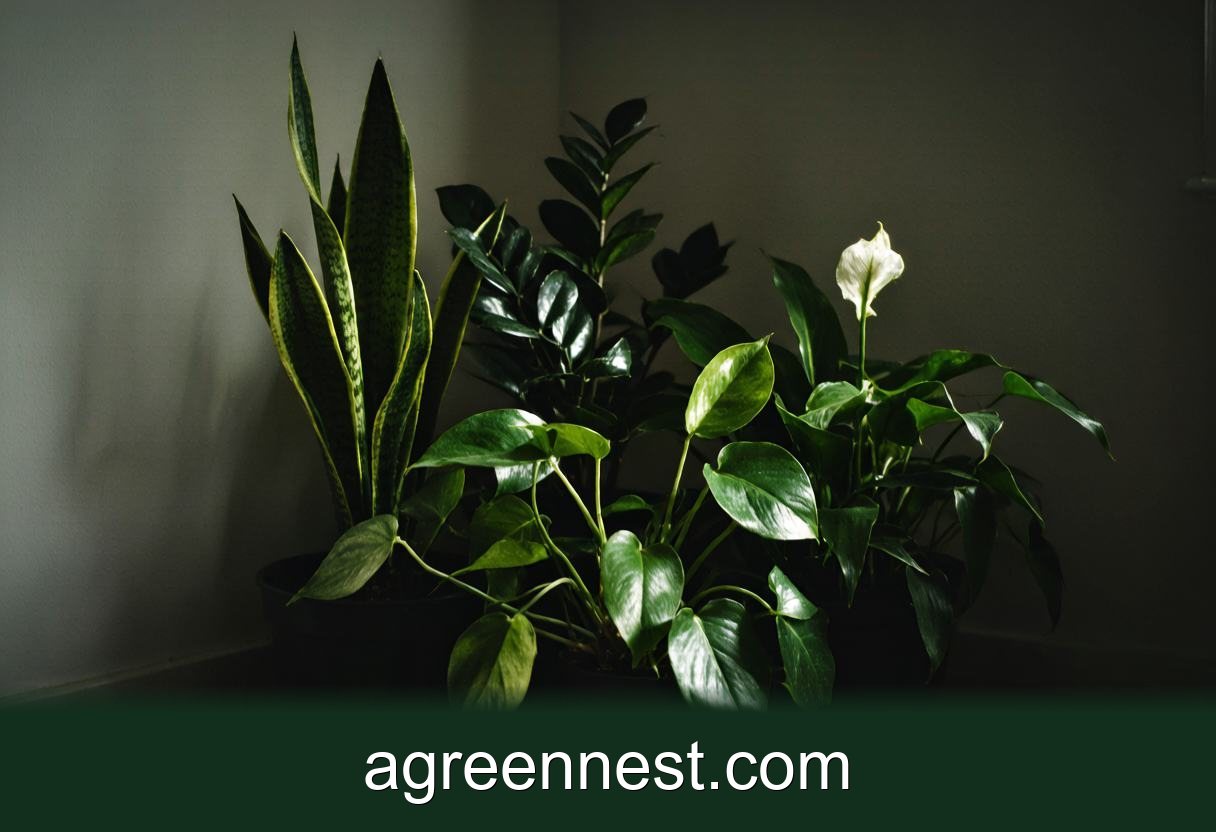
How to Water Indoor Plants Correctly is built for dim rooms. It tolerates low to medium light and actually suffers in hot direct sun. Water when the top 2-3 cm of soil feels dry (when the top 2-3 cm of soil feels dry), and keep humidity modest.
Watering sounds like the easiest part of plant care, yet it is where most new owners go wrong. My first Fittonia albivenis died from a splash every single day. The soil stayed damp on top while the roots sat in stale water, and the plant quietly rotted.
The method that changed everything for me is soak and dry. Pour thoroughly, then wait until the top of the soil has dried before the next drink. This single habit prevents both the drowned and the parched extremes that houseplants hate.
Most leafy plants want the top 2 to 3 cm of mix to dry between waterings. For a Zamioculcas zamiifolia that might mean every three weeks, while a thirsty Spathiphyllum wallisii may ask for a drink every 7 to 10 days in summer. A 12 cm pot dries roughly twice as fast as a 25 cm pot holding the same plant, so size matters as much as species. Reading the plant, not the calendar, saved my Monstera deliciosa after it sat wet for a full month in a big pot.
Morning is the best time to water. A Spathiphyllum wallisii watered at 8 am has the whole day to dry its crown, while an evening soak can leave moisture sitting overnight where fungus loves to start. Beside the window I keep a 1 litre jug and do the round before breakfast, which takes about 10 minutes for the 14 plants on that sill.
Autumn brings slower growth, so cut the schedule by about a third. A plant that drank every 9 days in July may stretch to 14 days by October, and in deep winter some go 21 days between drinks. Watch the leaves rather than the date, because central heating can dry a room fast even in December.
The Soak
A proper soak means pouring until water runs from the drainage hole. For a 1 litre pot I use about 300 ml, and for a 5 litre pot roughly 1.5 litres. Then I empty the saucer after 20 minutes so the roots are never left sitting.
This approach wets the whole root ball evenly. A quick surface sprinkle only dampens the top, leaving the lower roots bone dry and the plant lopsided in its growth. After switching to full soaks, my Epipremnum aureum put out twice as many leaves in one season.
Tepid water around 68°F (20°C) is kindest to roots. Icy water straight from the tap can shock a Monstera deliciosa and slow uptake for a day, so I fill the jug the night before and let it sit on the bench. Cold drafts from an open window do the same, so move tender plants back from the glass in winter.
Bottom watering is my weekend trick for fussy roots. Set the pot in a tray of water 3 cm deep and leave it for 15 minutes, then lift it out to drain. The mix drinks from below and air pockets fill naturally, which Peperomia obtusifolia seems to love. Use the top method for quick checks and the bottom method when you have time to spare.
When Should I Water Each Plant?
Different species drink at different speeds. My Monstera deliciosa in a bright corner needs water every 9 to 12 days in summer and every 3 weeks in winter. The Sansevieria trifasciata in the hallway is happy with a drink every 4 to 6 weeks, because its thick leaves store moisture.
A handy trick is the weight test. Lift the pot after watering and remember how heavy it feels, then lift again a few days later. When it feels light, it is time. The finger test works too: push a finger into the soil up to the second knuckle, and if the top 2 to 3 cm is dry, reach for the jug.
Trailing Epipremnum aureum in a 15 cm hanging pot can need water every 5 days in July, while a Hedera helix on a cool stairwell stretches to 14 days. Humidity shifts the maths: a bathroom plant loses less to the air than one near a radiator, so the same species can vary by a week between rooms. For the first season, keep notes and the pattern becomes second nature. New owners often ask about Pilea peperomioides, which I water every 6 to 9 days in a 13 cm pot. Its round leaves droop dramatically when dry, then snap back within an hour of a soak, a clear and forgiving signal for beginners.
Is Misting a Good Idea?
Misting gets a lot of hype, but it is a small tool, not a miracle. I mist only the humidity lovers like Fittonia albivenis and certain ferns, aiming at the air around the leaves rather than soaking the crown. The effect lasts maybe an hour, so it is a daily ritual if you rely on it.
Never let a spray stand in for a real watering. Moisture from a spray sits on the leaf surface and evaporates before it reaches the roots. If your plant is drooping from thirst, only a proper soak will fix it. Group plants together on a tray of pebbles to hold a steadier humidity without the daily fuss.
Last winter, a small USB humidifier near the Spathiphyllum wallisii raised the local humidity from 35 percent to about 55 percent, and the brown leaf edges disappeared within three weeks. Misting alone never achieved that. Think of spray as a quick pick me up and the humidifier as the real fix for dry air.
Frequently Asked Questions
Q: Should I mist?
A: Only the humidity lovers, and mist the air around them, not as a substitute for watering the roots.
Q: Is tap water okay?
A: Usually yes. Let it sit overnight so chlorine off-gasses, and avoid softened water, which carries salts that build up over time.
Q: How do I fix salty soil?
A: Flush the pot with plenty of plain water every few months, running it through for a full minute to wash the salts away.
Most plant deaths are watering deaths, and almost all of them are preventable. Take the guesswork out with the watering calculator, trust the soak and dry rhythm, and your plants will reward you with steady, healthy growth.
Sources & further reading
GreenNest authors research and write every guide independently. The external links below are reputable references we recommend for deeper reading — they are not the sources we copied from.
- Royal Botanic Gardens, Kew — Kew Gardens
- Missouri Botanical Garden — Missouri Botanical Garden
- Royal Horticultural Society — Houseplant care — RHS
Recommended Tools for Low-Light Indoor Plants Care
Free, no-signup helpers matched to this guide.
Free Ebooks to Explore
Downloadable handbooks — no email required.
Share Your Plant Story
Grown something tricky, or found a trick that finally worked? Tell us in the comments, or see what other readers are sharing on our Community page. The best reader tips get folded back into our guides.
Join the Conversation
Have a tip or a question about How to Water Indoor Plants Correctly? Share it below — comments are saved on our server.