 AGreenNest
Low-Light Indoor Plants
Repotting Houseplants: When and How
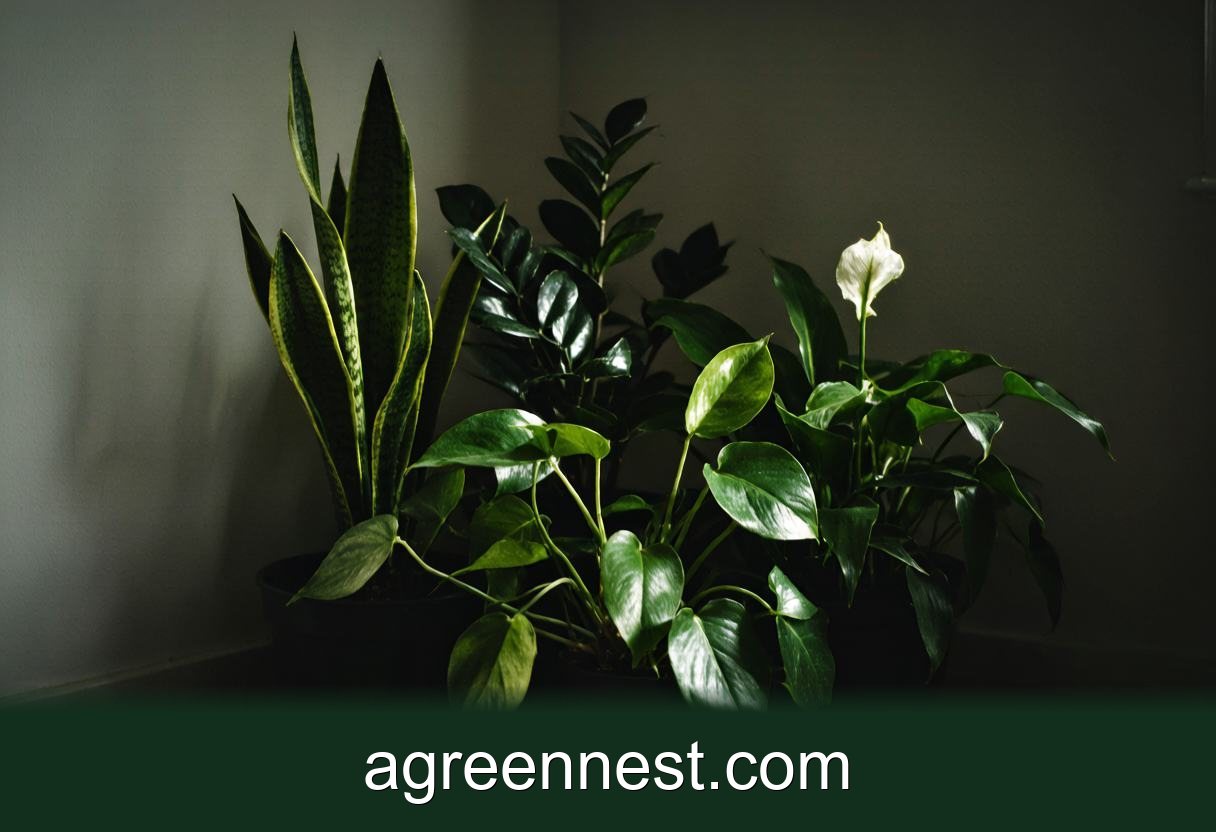
Do not overthink Repotting Houseplants. It thrives in low to medium light and asks for little: water when the top layer of soil dries (when the top 2-3 cm of soil feels dry), and keep it away from harsh midday sun. A slightly lean soil and a stable, warm spot are all it needs to look good through the year.
When Do You Actually Need to Repot?
I used to repot on a schedule, like clockwork, every single spring. Then a friend who runs a greenhouse laughed at me, gently, and said the plant would tell me when it was ready. She was right. Most leafy houseplants would rather be left alone than moved for the sake of it, and a calm plant is a happy plant.
The clearest signal is the root. When roots circle the top of the soil or poke out of the drainage hole at the bottom, the plant has run out of room. Water that runs straight through the pot without wetting anything is another tell. That means the pot is mostly roots, with little soil left to hold moisture or food. A third sign is stalled growth. If you are watering and feeding well but the leaves stay small and no new shoots appear for several months, the container is likely crowded.
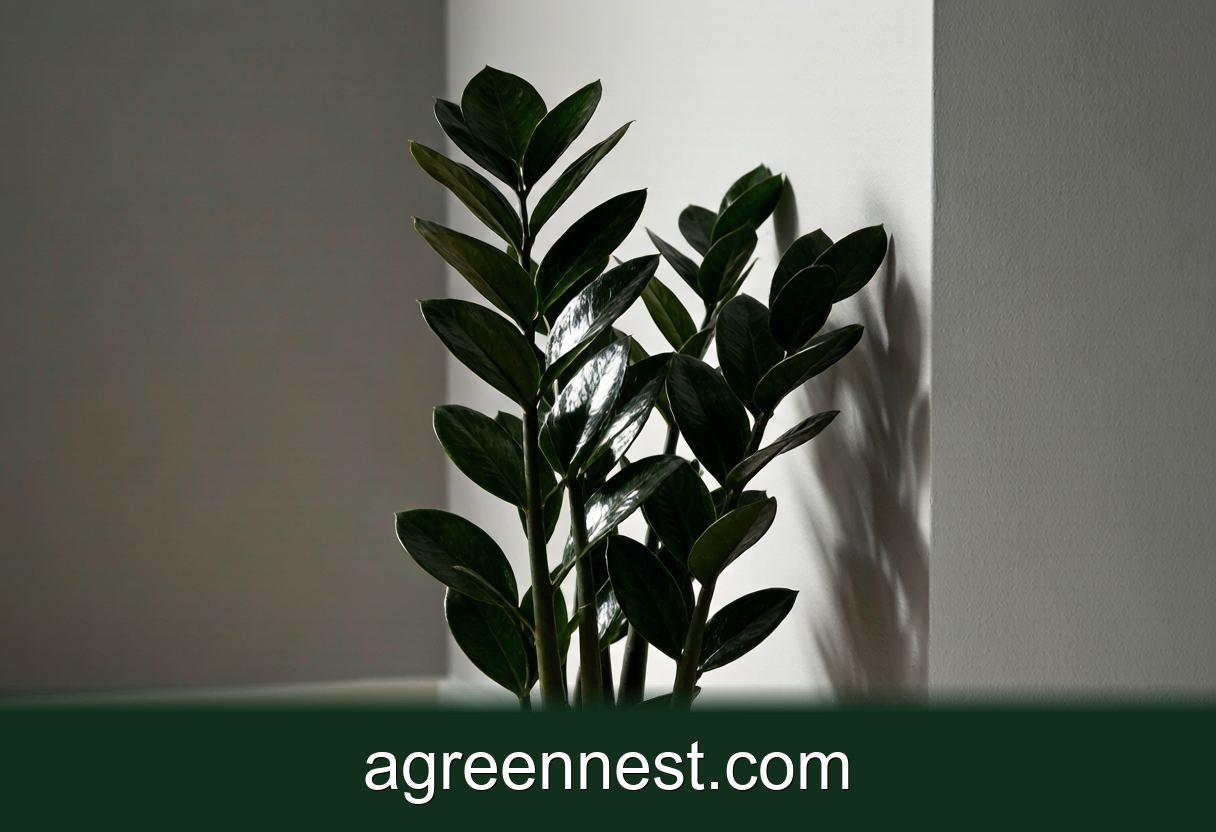
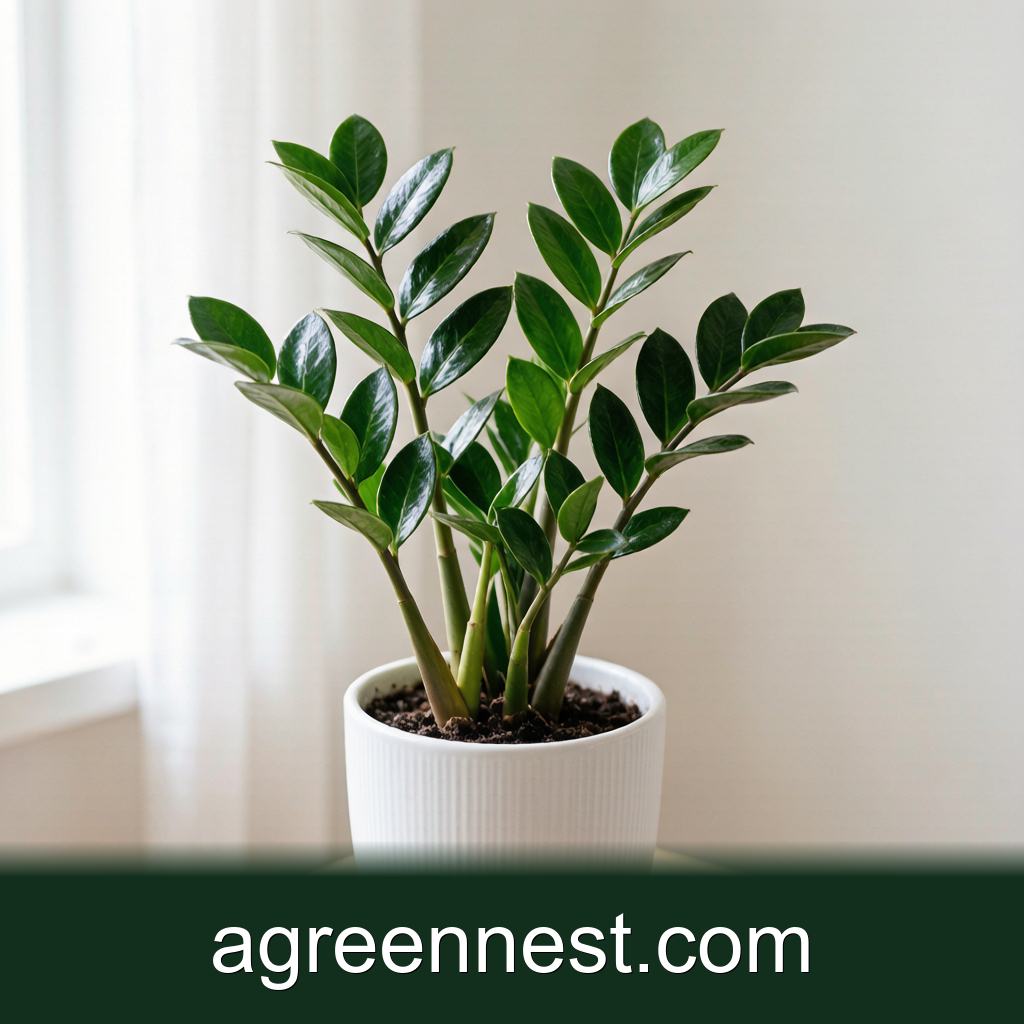
Slow growers such as Zamioculcas zamiifolia can stay in one pot for three years or more. Faster types like Epipremnum aureum may ask for a new home every 12 to 18 months. The trick is to watch the plant, not the calendar. Spring is the natural moment, because rising light and warmth help roots rebuild after the move.
Reading the Roots
Last March I noticed my peace lily leaning hard to one side. I tipped it out of its pot and found a dense white knot of roots wrapped around the inside. It looked healthy, just cramped. That is the moment to step in, before the plant starts to fail and drops its lower leaves.
Some plants are more dramatic about their needs than others. A Ficus elastica I inherited from my grandmother went a whole winter with dropped lower leaves before I realised the root ball had gone solid. After the move it flushed out fresh glossy leaves within three weeks. Patience and a careful hand beat panic every time, and the payoff is a plant that looks brand new.
Check the roots before you assume the worst. Yellow leaves can mean too much water, not too little room. Lift the pot and feel the weight. A light pot that dries out within a day is a good clue that roots have taken over, because there is barely any soil left to hold the water you pour in.
How Do You Move a Plant Without Shock?
The gentlest method I know starts the day before. Water the plant well so the roots stay supple and the soil holds together. A dry, brittle root ball breaks apart, and that stresses the plant badly at the exact moment it needs calm.
On moving day, tip the pot on its side and ease the plant out. If it sticks, run a knife around the inner edge. Tease the bottom roots loose with your fingers, but do not shred the healthy ones. I like to loosen only the lower third, where roots tangle most, and leave the rest of the ball intact so the plant keeps its grip on moisture.
Set the plant at the same depth it sat before. Burying the stem invites rot, and raising it leaves roots exposed to dry air. Once it is settled, water lightly and move it to a calm spot out of hot sun for about seven days. Newly moved roots burn easily, and a little shade helps them reattach to the fresh mix.
What Pot and Mix Should You Choose?
Go up just one size. A pot that is too large holds extra wet soil, and that is how root rot starts. For a plant in a twelve centimetre pot, the next size is about fourteen centimetres across the top. That small step gives room without drowning the roots in cold, soggy mix.
Drainage matters more than style. Choose a container with at least one hole in the base. If you love a pot with no hole, nest a plain plastic nursery pot inside it and lift that out to water. The outer pot stays dry and your shelf stays safe, which matters more than we like to admit.
For the mix, I reach for a peat-free blend with added perlite. A ratio near three parts compost to one part perlite drains well and still holds a little moisture. Sansevieria trifasciata prefers a grittier, faster mix, so I add extra grit for that one. Stable warmth helps too. Most houseplants recover best at 60 to 75 °F (15 to 24 °C), away from cold drafts and heating vents that dry the air.
A Few Mistakes I Made So You Don't Have To
Early on I repotted a stressed plant in full sun and watched it wilt for two weeks. Now I always give a move a quiet, shaded week. I also used to break the root ball apart completely, thinking loose roots would spread faster. They did not. They sulked, and the plant lost leaves it did not need to lose. Light loosening at the base is enough.
Another habit worth dropping is fertilising right after a move. Fresh mix already holds some food, and tender new roots scorch easily. Wait 3 to 4 weeks before you feed, then start at half strength and build up slowly as new growth appears at the tips.
Frequently Asked Questions
Q: How often should I repot?
A: Every 1 to 3 years for most leafy houseplants, with slow growers on the longer end and quick growers nearer the shorter end.
Q: Can I repot in winter?
A: You can, but recovery is slower when light is low. Spring and early summer are the safest windows.
Q: Should I break the root ball apart?
A: Only loosen the bottom third gently. Healthy roots should stay intact, so avoid shredding them.
Repotting is less about routine and more about listening. When the roots run out of space, give them a slightly larger home, fresh food, and a quiet week to settle. Track each move in the care schedule tool so you remember what you did and when. Your plants will thank you with steady, unhurried growth.
Recommended Tools for Low-Light Indoor Plants Care
Free, no-signup helpers matched to this guide.
Free Ebooks to Explore
Downloadable handbooks — no email required.
Sources & further reading
GreenNest authors research and write every guide independently. The external links below are reputable references we recommend for deeper reading — they are not the sources we copied from.
- Clemson Home & Garden Information Center — Clemson Extension
- Aggie Horticulture (Texas A&M) — Texas A&M AgriLife
- Missouri Botanical Garden — Missouri Botanical Garden
Share Your Plant Story
Grown something tricky, or found a trick that finally worked? Tell us in the comments, or see what other readers are sharing on our Community page. The best reader tips get folded back into our guides.
Join the Conversation
Have a tip or a question about Repotting Houseplants: When and How? Share it below — comments are saved on our server.