 AGreenNest
Plant Care Accessories
Best Plant Misters for 2026 (and How to Use Them)
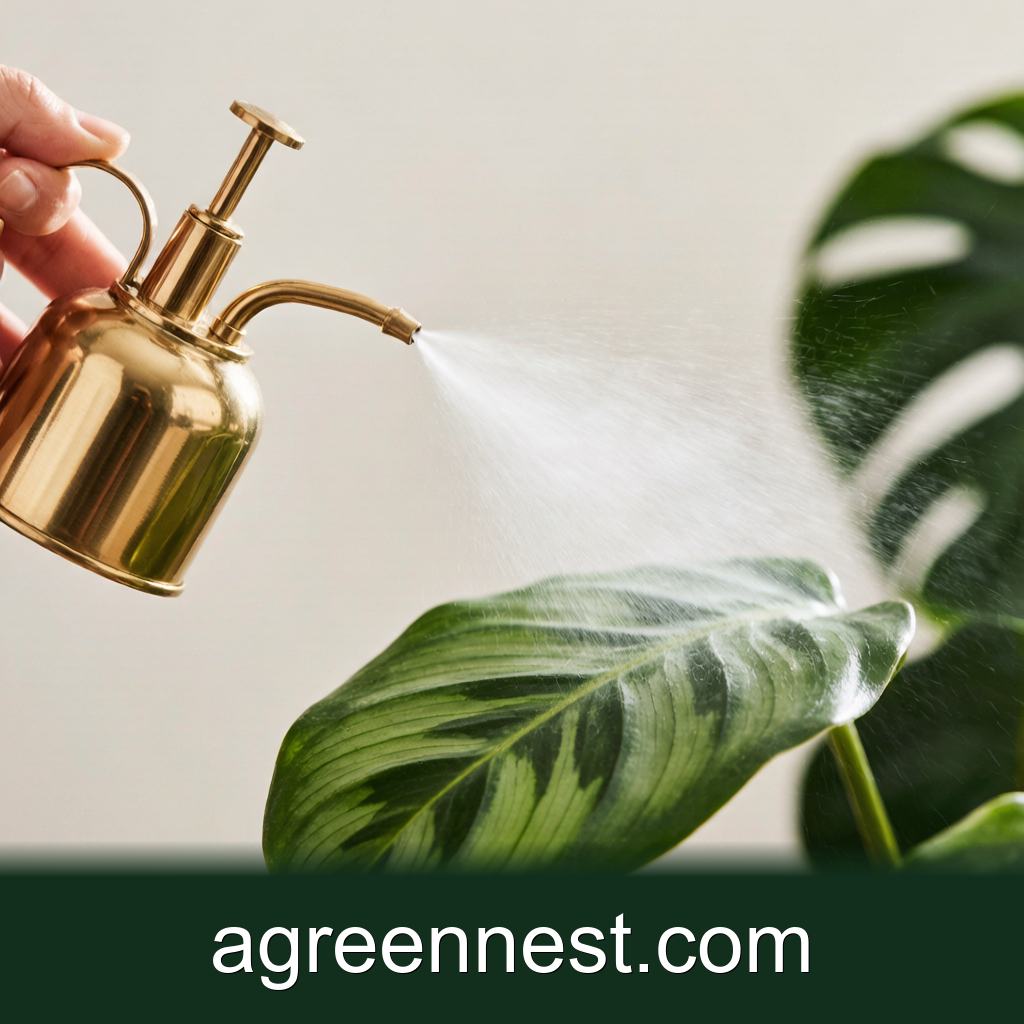
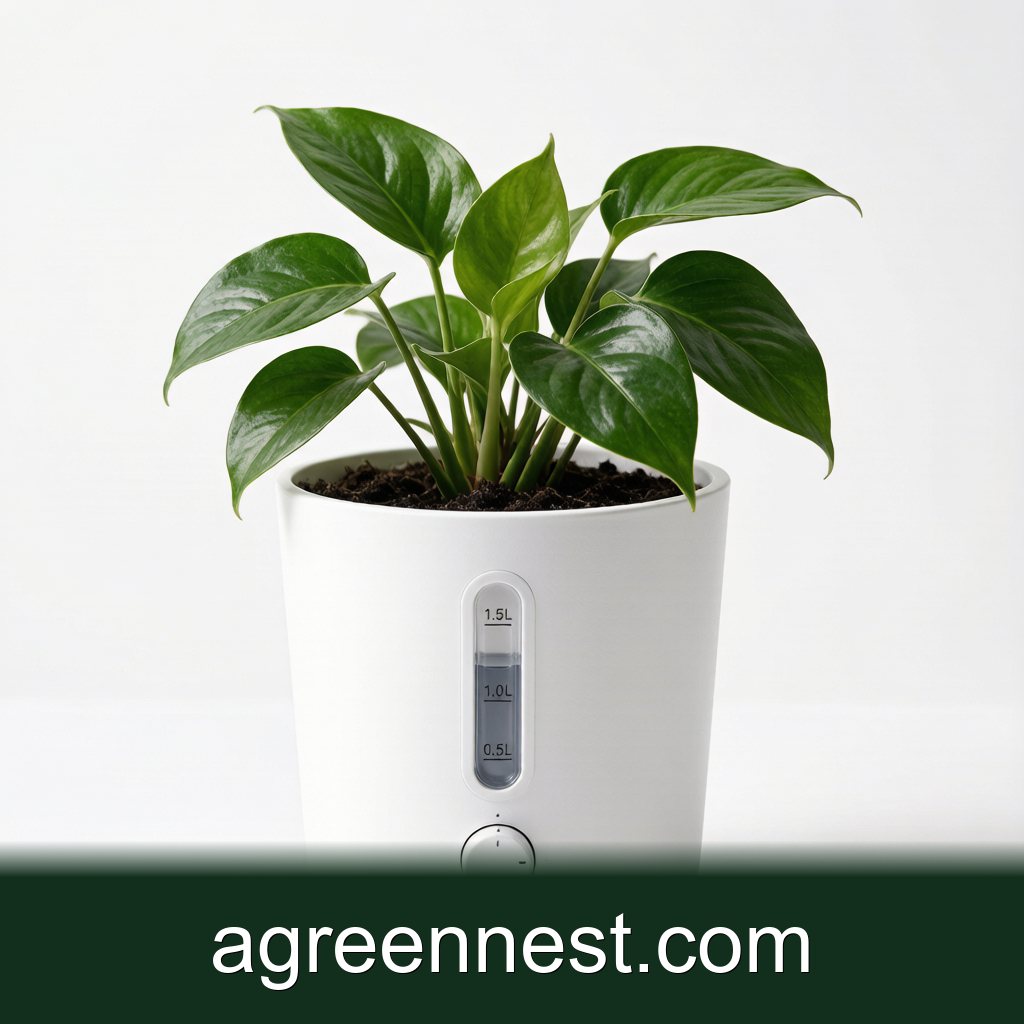
The right accessory turns Best Plant Misters for 2026 (and How to Use Them) from guesswork into routine. Measure what the plant actually needs, and pair it with a light check so low to medium light is a real value, not a hope. Spend once, read often, and let the data guide watering and feeding.
A brass mister used each morning fixed the crisping leaf edges on my Calathea ornata, and the tool cost $15. Misters get oversold as humidity magic, so here are the numbers and the picks that actually matter in 2026. A mister wets leaf surfaces and briefly lifts local humidity, yet it evaporates in minutes and will not hold a room at a set level. Use the data below to decide what your plants truly need, and you will stop buying gadgets that gather dust on the shelf.
Why Does a Mister Matter (and When It Does Not)?
A mister wets leaf surfaces, which briefly lifts local humidity around the plant and rinses dust that blocks light. That helps thin leaved aroids and ferns. What it does not do is raise the humidity of a whole room for long. The moisture evaporates in minutes, so a mist alone will not save a Calathea ornata in a 30 percent humidity flat. The mister versus humidifier piece breaks down the numbers. A mister is a leaf care tool; a humidifier is a room tool, and the two cover each other. On a dry winter day a single mist might lift the leaf zone for ten minutes, which is useful but not a strategy.
Brass, Glass, or Plastic: Which Mister?
Brass misters are the buy once item. The spray is fine and even, the bottle does not cloud, and the metal survives a fall. They cost $18 to $35 but last for years. Glass and ceramic misters look lovely on a shelf and spray well, but they break if knocked, so they suit a spot that never moves. Plastic misters cost $5 to $12 and are fine for a seedling tray or a greenhouse, where you mist a lot and do not care about looks. For a living room plant you touch daily, brass or glass feels better in the hand and gives a softer spray. The low light myths guide notes that humidity helps, but only as part of the whole care picture. Cheap plastic also clouds and smells of solvent after a month, which is why I skip it for indoor use.
Trigger Spray or Continuous Pump?
A trigger mister needs a squeeze each time, so you control the burst, which is good for a quick once over on one plant. A continuous pump, primed with a few pumps, then sprays a steady cloud and covers a shelf of plants faster with less arm work. For most homes a single brass trigger mister is enough. If you keep twenty plants, a pump bottle saves time. Either way, hold the bottle 20 to 30 centimetres from the foliage so the spray lands as a fine mist, not a soak that pools in the leaf axils. Practice on a spare leaf first, because a new nozzle often throws a hard stream until the pressure settles.
Best Plant Misters by Budget (2026 Shortlist)
- Under $15: a basic plastic or aluminium trigger mister, 300 to 500ml. Fine for trays and greenhouses, replace every year or two.
- $15 to $25: a solid brass trigger mister, 400 to 600ml. The sweet spot for everyday home use, even spray and a build that lasts.
- $25 to $35: a heavier brass or a glass mister with a polished finish and a finer nozzle. Best if it sits on display and you mist daily.
- $35 plus: a continuous pump brass mister for a large collection, or a designer glass piece. Worth it only if you have the plant count to justify it.
Skip no name misters with a stiff trigger that dribbles. A good nozzle throws a cloud, not a stream. Read the reviews for the word leak, because a misting bottle that drips down your wrist is one you will stop using by February.
How Do You Mist Without Fungal Spots?
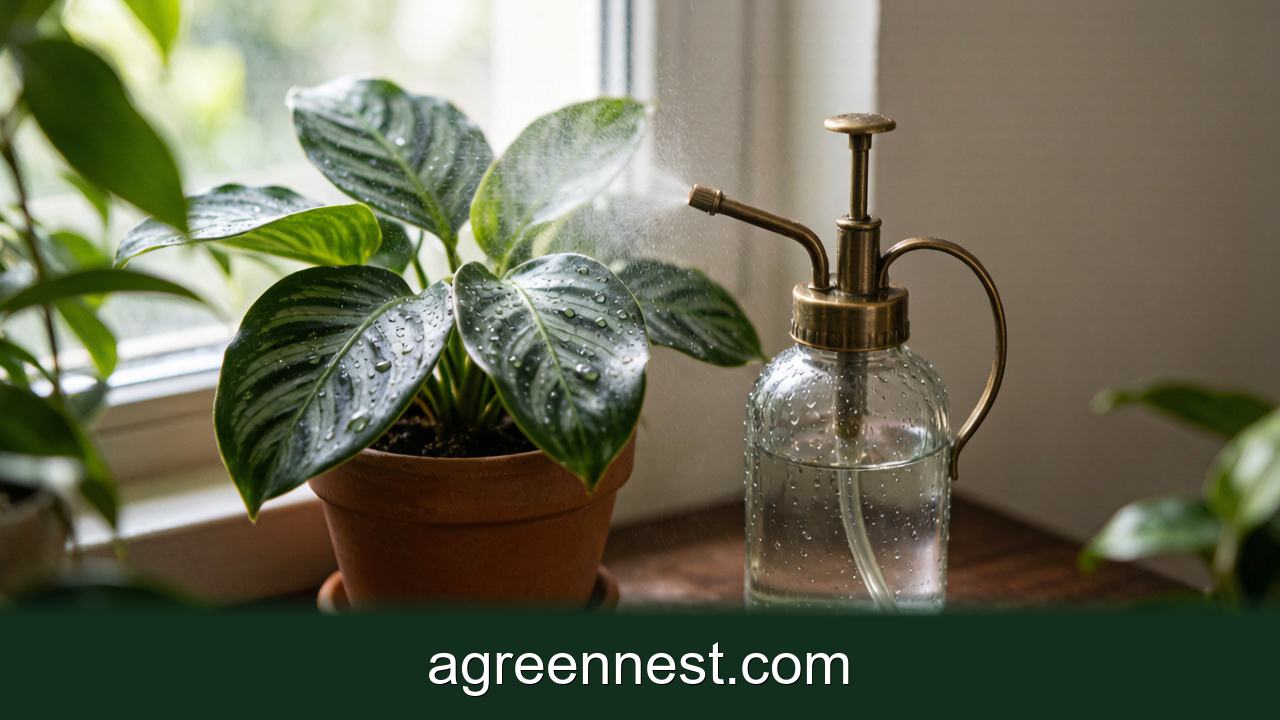
Mist in the morning so the leaves dry before night, when still air and darkness invite fungal leaf spot. Keep the spray light and off the crown of rosette plants like succulents, where pooled water rots the heart. Thin leaved plants take mist well. Fuzzy leaved ones like Saintpaulia ionantha spot, so water those from below. If you see brown rings after misting, you are misting too late or too heavily. Move to morning, back off the pressure, and the spots stop. A moisture meter helps you tell leaf thirst from air thirst, so you do not overwater while trying to humidify. Good air movement matters as much as timing, so crack a window or run a small fan.
Does a Mister Replace a Humidifier?
No, not for a dry home. A mister lifts humidity for a few minutes around the leaf; a humidifier holds a room at a set level all day. Calatheas and many ferns (Nephrolepis exaltata) want 50 to 60 percent relative humidity, which a mister alone will not deliver in a heated room that sits at 30 percent. Use the mister for leaf care and a humidifier for the air, and run a grow light on a timer if the plants also sit in a dim corner. The summer low light care guide covers the watering and humidity balance through the warm months. Treat the two as partners, not rivals, and the leaves will show it.
Frequently Asked Questions
Q: Why do brown spots appear after I mist my plant?
A: You are misting at night or too heavily, so water sits on the leaf and a fungus moves in. Switch to a light morning mist, hold the bottle 20 to 30 centimetres away, and keep the spray off fuzzy or rosette leaves. The spots stop once the leaves dry by evening.
Q: Is a $5 plastic spray bottle fine, or do I need brass?
A: A $5 bottle works for seed trays and greenhouses where looks and feel do not matter. For a houseplant you mist by hand each day, brass gives a finer, even spray and lasts for years, so the extra cost pays back quickly.
Q: How often should I mist my plants?
A: Once a day in a dry heated room, in the morning, is plenty for most aroids and ferns. In a humid summer you can skip days. Misting more than twice a day wets the crown and risks rot, so once is usually enough.
A brass or glass mister is a small, lasting upgrade that keeps leaves clean and lightly humid through the dry months, but it is a leaf tool, not a room humidifier. Buy once in the $15 to $35 range and use it each morning, and pair it with a humidifier for thirsty calatheas. For the full comparison, our mister versus humidifier guide helps you decide what your room actually needs.
Recommended Tools for Plant Care Accessories Care
Free, no-signup helpers matched to this guide.
Free Ebooks to Explore
Downloadable handbooks — no email required.
Free Ebook
The AGreenNest Succulent Care Handbook
The complete, beginner-to-confident guide to growing fat, happy succulents — 10 chapters and a 20-plant directory.
Sources & further reading
GreenNest authors research and write every guide independently. The external links below are reputable references we recommend for deeper reading — they are not the sources we copied from.
- UF/IFAS Gardening Solutions — UF/IFAS
- University of Minnesota Extension — U Minnesota Extension
- UA Controlled Environment Agriculture Center — U Arizona CEAC
Share Your Plant Story
Grown something tricky, or found a trick that finally worked? Tell us in the comments, or see what other readers are sharing on our Community page. The best reader tips get folded back into our guides.
Join the Conversation
Have a tip or a question about Best Plant Misters for 2026 (and How to Use Them)? Share it below — comments are saved on our server.