 AGreenNest
Plant Pests & Diseases
Root Rot First Aid: Saving a Soggy Plant
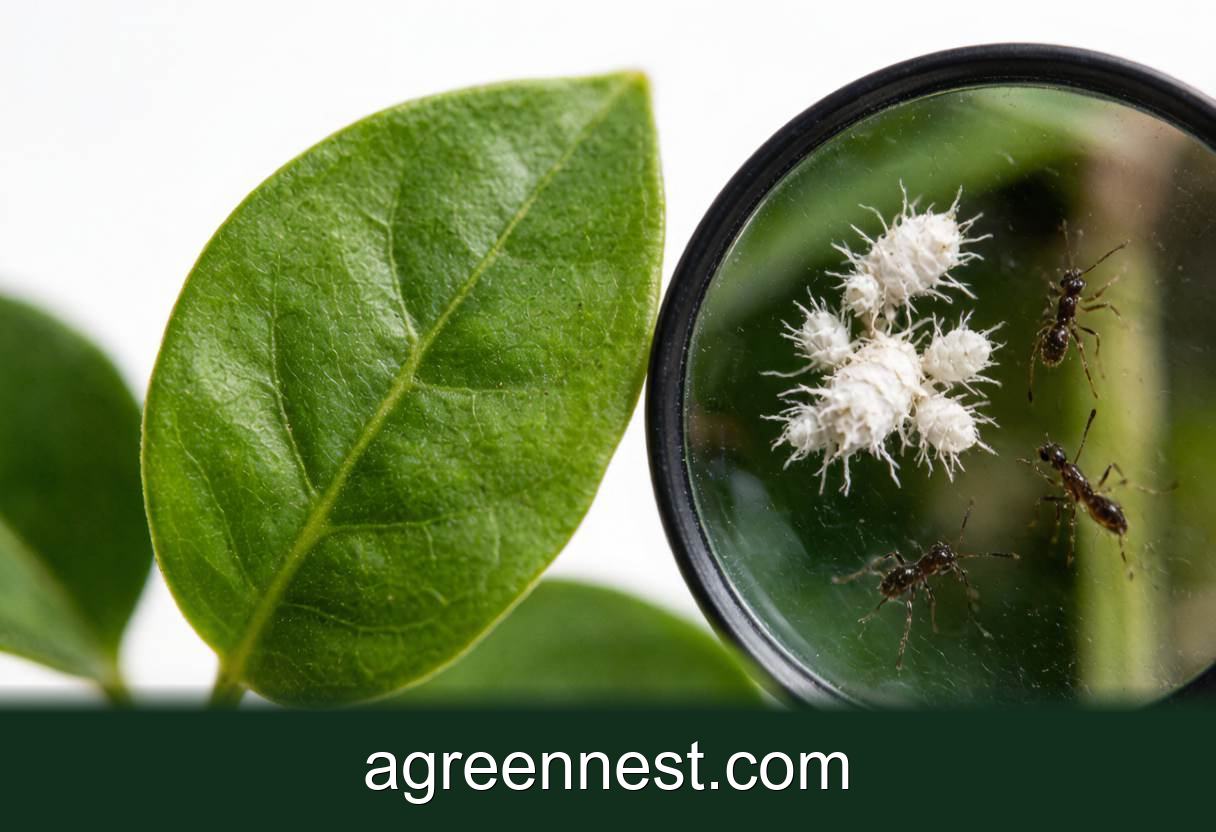
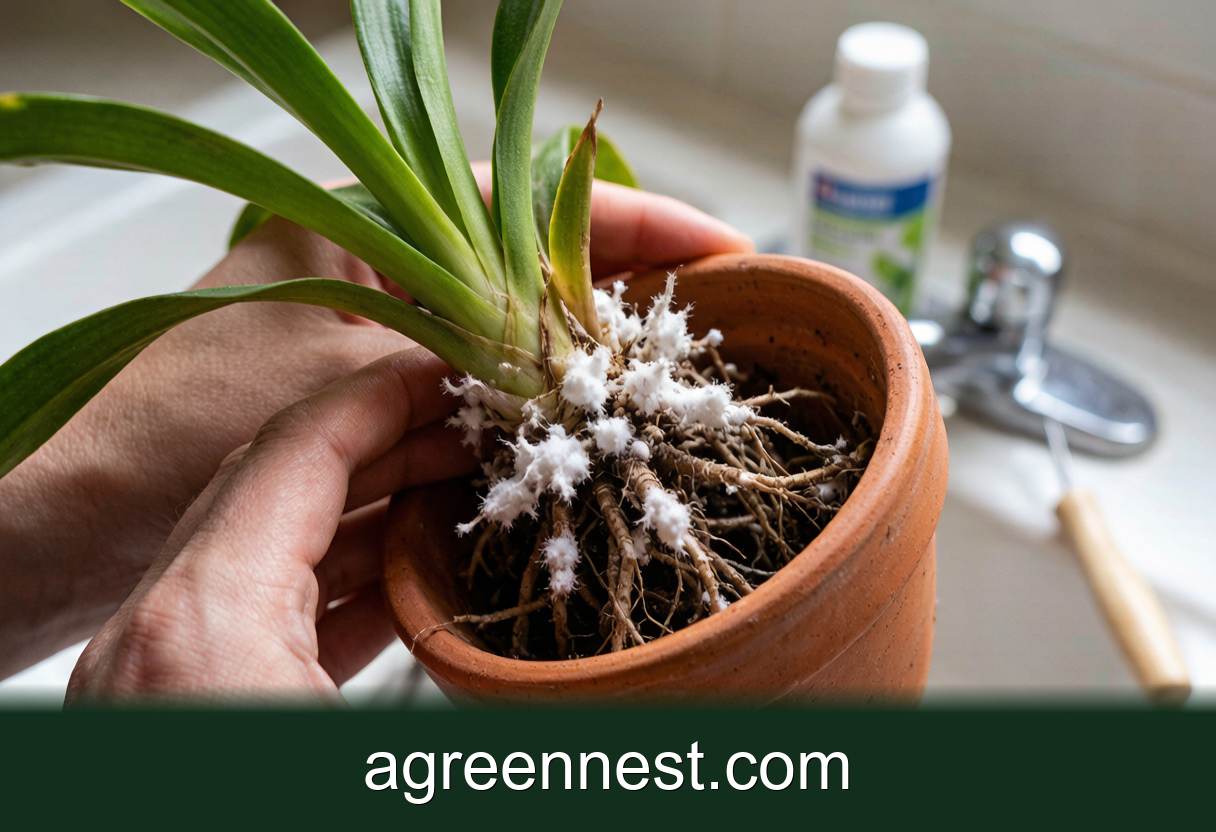
Most Root Rot First Aid problems trace back to the usual indoor pests, not bad luck. Inspect weekly (leaf undersides, stem joints), quarantine new plants, and treat early with a targeted spray. Good airflow and dry foliage do more than any bottle, since prevention beats the cure every time.
How Do You Spot Root Rot Early?
The classic red flag is a plant that wilts while its soil is still wet. Healthy plants wilt from dryness, so a drooping specimen in damp mix is sending a different message. NC State Extension lists wilting in moist soil, yellowing lower leaves, and stunted new growth among the earliest above ground signals. A sour or musty smell from the pot is another giveaway, because anaerobic decay produces compounds you can smell before you can see them.
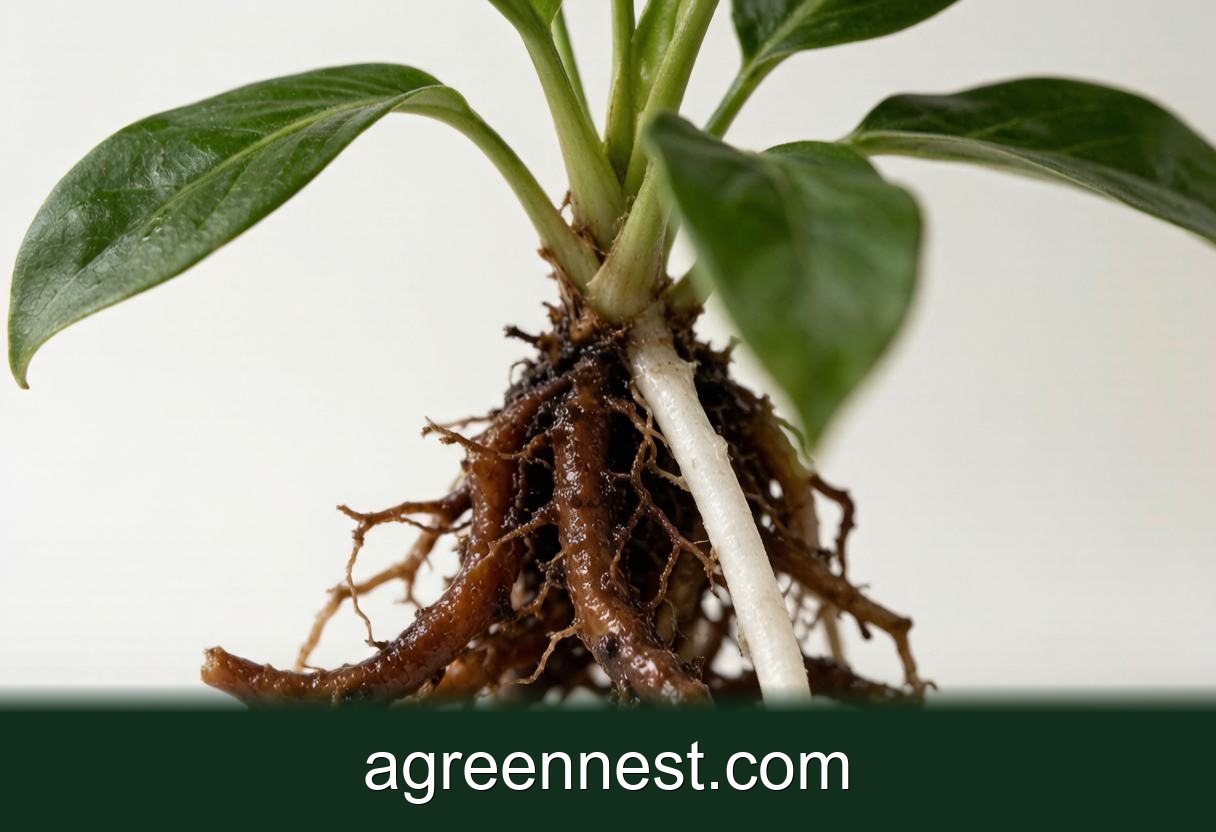
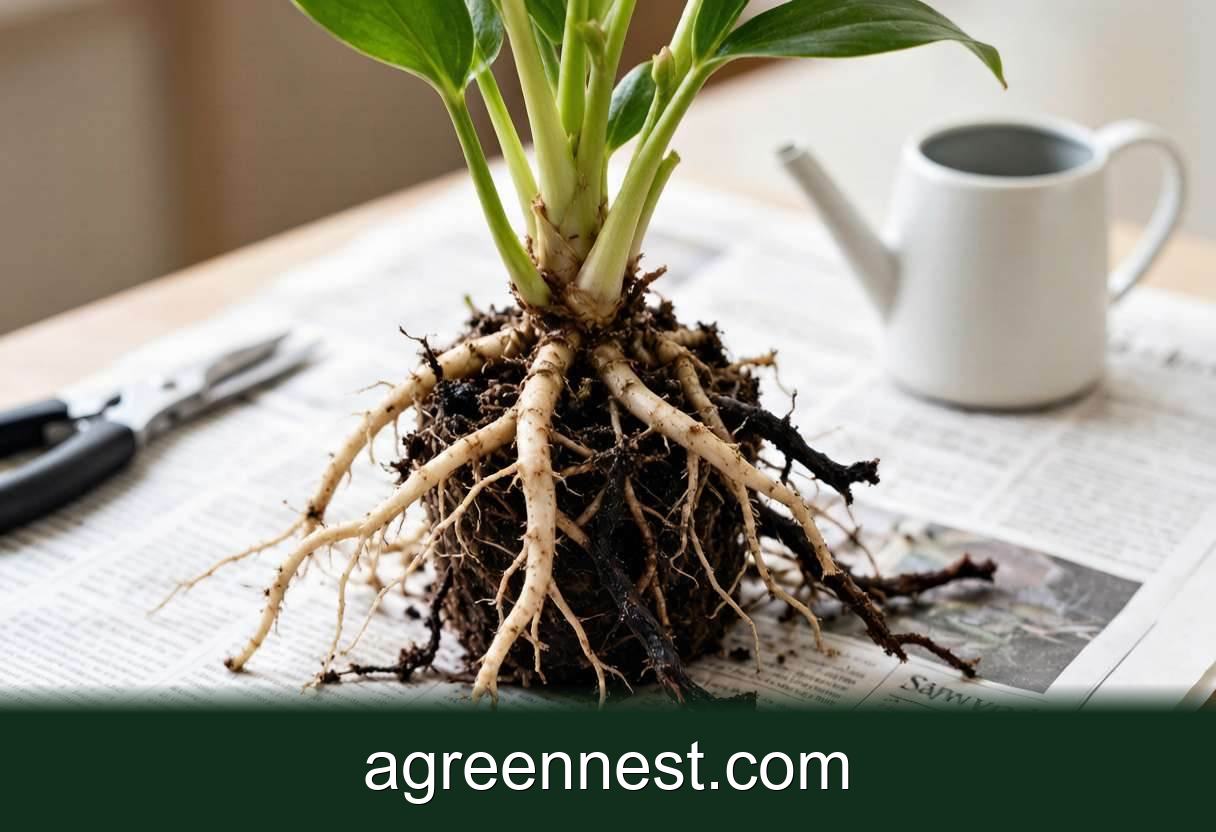
Below the surface the diagnosis becomes certain. Slide the plant from its pot and inspect the roots. Healthy roots are white or cream coloured and feel firm between your fingers. Rotted roots are brown to black, soft, and they slough apart when you tug them gently. The contrast is the whole test: firm and pale means alive, mushy and dark means dead.
Why Do Roots Turn to Mush?
Root rot is not a single disease but a syndrome driven by overwatering and the pathogens that follow it. When soil stays saturated, oxygen in the pore spaces is replaced by water, and fine roots suffocate. Weakened tissue then becomes an entry point for water moulds and fungi. Cornell Garden Based Learning points to genera such as Pythium and Phytophthora as common culprits in persistently wet mixes, while Fusarium oxysporum invades through damaged root tips and can spread through the vascular system.
Temperature shapes the speed. Pythium species are most aggressive in warm, wet soil above 75°F (24°C), which is exactly the condition created by a plant sitting in a saucer of stagnant water through a hot afternoon. Texas A&M Aggie Horticulture stresses that the pathogen is almost always secondary to the watering mistake, so the first fix is cultural, not chemical.
What Is the Step by Step Rescue?
Act the same day you confirm rot. First, unpot the plant and shake or rinse away the old wet soil so you can see every root. Second, take clean scissors and trim every black, soft root back to healthy tissue, cutting until you reach firm, white flesh. Discard the removed roots and wipe the blades with alcohol between cuts to avoid carrying spores.
Third, drench the remaining roots in a solution of one part 3% hydrogen peroxide to four parts water. The peroxide oxygenates the rhizosphere and helps suppress lingering pathogens on contact. Fourth, repot into a fresh, dry, gritty mix, such as two parts houseplant compost to one part perlite and one part coarse sand, in a clean pot that has a real drainage hole. Fifth, do not water for five to seven days; let the cut surfaces callus and the plant adjust.
When you finally water, do it lightly and only at the base. A moisture meter set to read the lower two inches keeps you honest. If more than half the root system was lost, prune the canopy back by a third so the reduced roots are not asked to support more leaf than they can supply.
How Do You Keep It From Returning?
Prevention is mostly about drying the schedule. Water only when the top one to two inches of soil feel dry to the touch, and empty the saucer fifteen minutes after each watering so the pot never sits in a puddle. Terracotta pots help because the clay wicks moisture from the mix and breathes through its walls, unlike glazed ceramic or solid plastic.
Drainage is non negotiable. Every container needs at least one clear hole, and a gritty, free draining mix beats a dense peat heavy blend for rot prone species. Group plants so air moves between them, since still, humid corners favour both rot and the pests that follow weakness. Finally, resist the urge to water on a calendar; the soil, not the date, should decide.
When Is It Too Late to Save the Plant?
A useful threshold is the crown. If the stem base at soil level is still firm and shows no black, mushy collar, the plant can usually be rebuilt from the roots up. Texas A&M Aggie Horticulture notes that many apparent losses are actually recoverable once the rot is stopped and the schedule dries out. The real point of no return is a soft, collapsed crown or a stem that snaps when gently bent, because that tissue cannot regenerate on its own.
Another late sign is total leaf drop with no firm root remaining. At that stage, propagation from any still healthy stem cutting becomes the only forward path. Deciding early saves the most specimens, so inspect the base every time you unpot for a routine check rather than waiting for a dramatic collapse. Clean the old pot in a dilute bleach solution before you reuse it, because pathogen spores survive in dried soil clinging to the walls.
Frequently Asked Questions
Q: Will the yellow leaves turn green again?
A: No. Those leaves are spent and will not recover once chlorophyll breaks down. New growth from the crown, not the old foliage, is your real sign that the rescue worked.
Q: Can I save a plant with almost no roots left?
A: Sometimes. Nestle the surviving crown on barely moist, airy mix and keep humidity high while you hope for new roots, but be honest that the odds fall as root loss rises.
Q: Should I apply a fungicide after repotting?
A: Usually not. Cultural correction and a peroxide drench handle most cases. Reach for a targeted product only when rot returns despite correct watering, and confirm the pathogen first.
Root rot is almost always a watering problem wearing a plant problem's costume. The rescue is unglamorous: unpot, cut to clean tissue, oxygenate with a peroxide drench, and start the drying schedule over in fresh gritty soil. Catch it while firm white roots still outnumber the mush and the plant will forgive you. Our watering calculator can keep the guesswork out of the next pot.
Recommended Tools for Plant Pests & Diseases Care
Free, no-signup helpers matched to this guide.
🔍 Free Tool
Pest & Problem Identifier
Pick the symptoms you see and get the likely culprit plus a fix.
Free Ebooks to Explore
Downloadable handbooks — no email required.
Free Ebook
The AGreenNest Succulent Care Handbook
The complete, beginner-to-confident guide to growing fat, happy succulents — 10 chapters and a 20-plant directory.
Free Ebook
Haworthia & Haworthiopsis Care Handbook
A focused guide to the striped, forgiving Haworthia clan.
Sources & further reading
GreenNest authors research and write every guide independently. The external links below are reputable references we recommend for deeper reading — they are not the sources we copied from.
- NC State Extension — Plant Toolbox — NC State Extension
- Cornell Garden-Based Learning — Cornell University
- Aggie Horticulture (Texas A&M) — Texas A&M AgriLife
Share Your Plant Story
Grown something tricky, or found a trick that finally worked? Tell us in the comments, or see what other readers are sharing on our Community page. The best reader tips get folded back into our guides.
Join the Conversation
Have a tip or a question about Root Rot First Aid: Saving a Soggy Plant? Share it below — comments are saved on our server.