 AGreenNest
Low-Light Indoor Plants
Calathea Care: 2 Species for Beginners
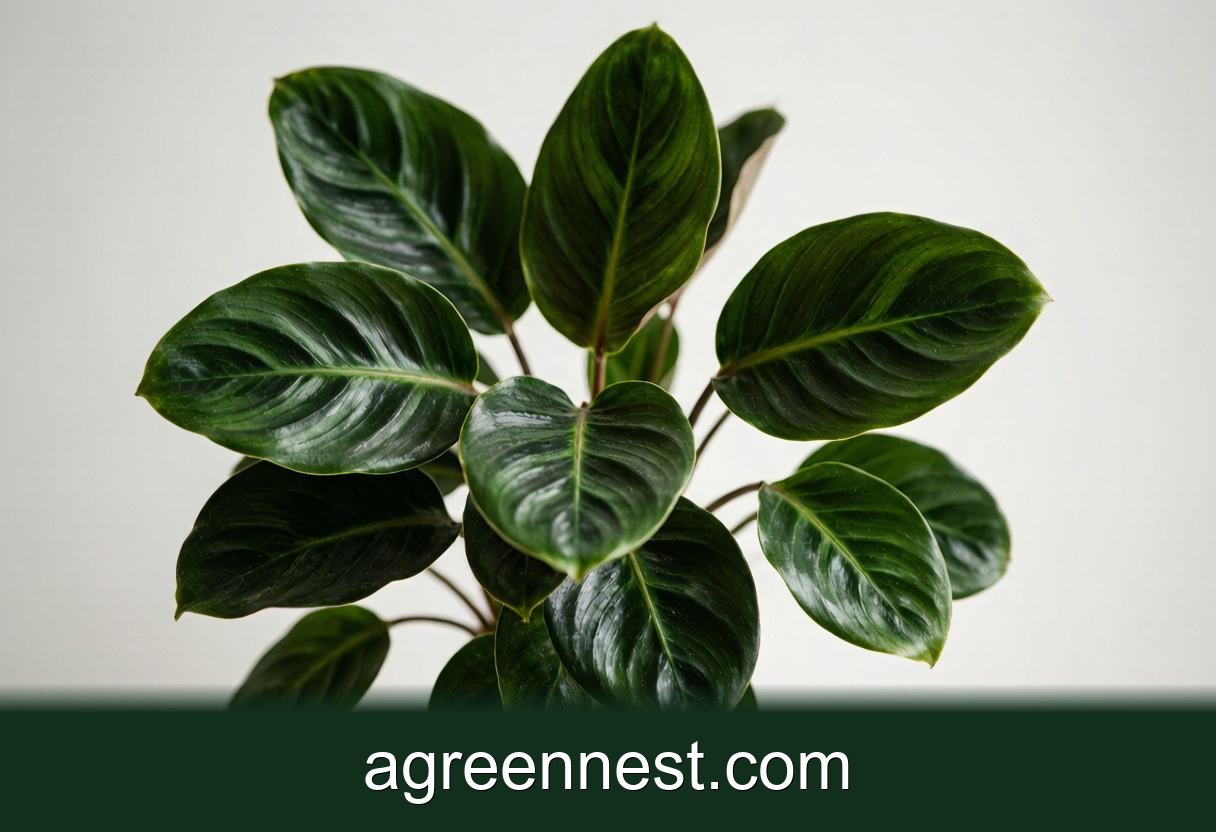
Do not overthink Calathea. It thrives in bright, indirect light and asks for little: water when the top layer of soil dries (when the top 2-3 cm of soil feels dry), and keep it away from harsh midday sun. A slightly lean soil and a stable, warm spot are all it needs to look good through the year.
Calathea Have a Reputation, and It Is Mostly Unfair
When I first brought home a calathea, three different friends warned me it would die within a month. They called it fussy, dramatic, and impossible to keep alive in anything but a sealed greenhouse. Two years and four repots later, my plants are thriving on a completely normal windowsill, and I have come to think the scary stories come from a handful of simple misunderstandings. My own first calathea survived a move, a dry spell, and one forgotten watering, which tells you how tough they really are. These plants are prayer plants, close cousins to Maranta leuconeura, and they simply ask for steady warmth, gentle light, and a little humidity in the air.
The reward for that small effort is enormous. Calathea leaves move through the day, folding up at night like quiet hands and opening again at dawn. Few other houseplants give you that slow, living motion, and the painted patterns on the foliage are unlike anything else in a beginner collection. Once you learn the two or three habits that keep them content, they stop being difficult and start being a daily pleasure.
What Makes Calathea Different From Other Houseplants?
Most common houseplants forgive a missed watering or a week of dim light without complaint. Calathea are less forgiving of extremes, yet they are far from hard if you respect two clear needs. The first need is humidity, because their broad leaves lose water quickly in dry air and the edges turn brown and crisp when the room drops below comfortable levels. The second need is water quality, since the sensitive roots react badly to the chlorine and dissolved salts found in hard tap water.
A room held at 50 to 60 percent relative humidity suits them well, which is noticeably higher than the 30 to 40 percent most homes hold through the winter. Keep the temperature steady between 65 and 80°F / 18 and 27°C, because a cold draft from a window will spot the leaves within a few days. Bright indirect light is ideal, and a north or east window is perfect, while hot midday sun will bleach the beautiful patterns and scorch the tissue. Crisp brown tips are the first cry for help, and they respond fast to a humidity bump.
Which Two Species Should Beginners Start With?
I recommend two species that are both beautiful and reasonably steady for a first attempt. The first is Calathea orbifolia, a plant with huge, rounded leaves marked by soft silver green stripes that run parallel from the central vein. It grows into a bold floor specimen over two to three years and tolerates slightly lower humidity than many of its relatives. The second is Calathea roseopicta, often called the rose painted calathea, whose leaves show a deep green margin wrapped around a pink and cream center.
Between the two, Calathea orbifolia is the easier starter plant for most homes. Its thicker leaves shrug off a dry afternoon better, and it recovers from a missed misting without any visible drama. Calathea roseopicta is the more decorative of the pair, but it wants the higher end of the humidity range and it protests quickly when the air drops below 50 percent, so it suits a grower who enjoys a small daily routine.
How Do These Two Compare on Care?
Light is similar for both plants, since each wants bright indirect brightness for 8 to 10 hours a day without ever seeing direct sun. Watering differs a little between them, because Calathea orbifolia drinks a bit more and enjoys a thorough soak every 7 to 10 days. Calathea roseopicta prefers the top inch of soil to dry out first, then a careful drink every 9 to 12 days, and it sulks if the pot is left sitting in water.
Humidity is where the real gap between them shows. The orbifolia is content around 50 percent relative humidity, while the roseopicta looks its absolute best at 55 to 65 percent and benefits from a pebble tray or a small humidifier nearby. Fertilize both plants lightly, using a 1:4 mixture of balanced liquid feed to water every 4 weeks from April through September. Keep each pot 12 to 18 inches from a bright window so the light stays soft but present through the day.
A Few Shared Habits That Keep Them Happy
Always use filtered water or collected rainwater rather than straight tap, because a watering can filled from a filter jug prevents the leaf tip burn that hard water causes. Mist the leaves two or three times every week in summer, or run a small humidifier close by for 6 to 8 hours a day during the dry months. Repot only every 18 to 24 months, because calathea like to feel a little snug and they resent frequent disturbance of their roots. Terra cotta pots dry a little faster and suit these plants in a humid room.
Watch the leaf edges as your simple weekly check on plant health. Brown, dry margins usually signal low humidity, while yellowing at the base points to overwatering instead. A quick move to a steadier spot and a small humidity boost usually fixes both problems within 10 to 14 days, and the fresh leaves that follow will show you the plant is happy again.
Frequently Asked Questions
Q: Which of the two is easiest for a first timer?
A: Calathea orbifolia is the gentler choice, with thicker leaves that tolerate a drier afternoon and shrug off a missed misting.
Q: Can these two share a pot together?
A: They can, because they share the same light and water needs, and a paired planting looks lovely in a wide shallow bowl.
Q: Why are my calathea leaves losing their color?
A: Too little light is the usual cause, so move the pot to a brighter indirect spot and the painted patterns should return within a month.
Calathea are not the divas their reputation suggests, and they reward a little attention with motion and color no other plant offers. Pick Calathea orbifolia if you want the easy road, or choose Calathea roseopicta if you enjoy a small daily ritual of misting and watching. Either way, pair your plant with our light calculator to place it well, and you will soon have a corner that quietly opens and closes with the sun.
Sources & further reading
GreenNest authors research and write every guide independently. The external links below are reputable references we recommend for deeper reading — they are not the sources we copied from.
- Aggie Horticulture (Texas A&M) — Texas A&M AgriLife
- NC State Extension — Plant Toolbox — NC State Extension
- Royal Horticultural Society — Houseplant care — RHS
Recommended Tools for Low-Light Indoor Plants Care
Free, no-signup helpers matched to this guide.
Free Ebooks to Explore
Downloadable handbooks — no email required.
Share Your Plant Story
Grown something tricky, or found a trick that finally worked? Tell us in the comments, or see what other readers are sharing on our Community page. The best reader tips get folded back into our guides.
Join the Conversation
Have a tip or a question about Calathea Care: 2 Species for Beginners? Share it below — comments are saved on our server.