 AGreenNest
Succulent Care
Agave Care: 2 Species for Beginners
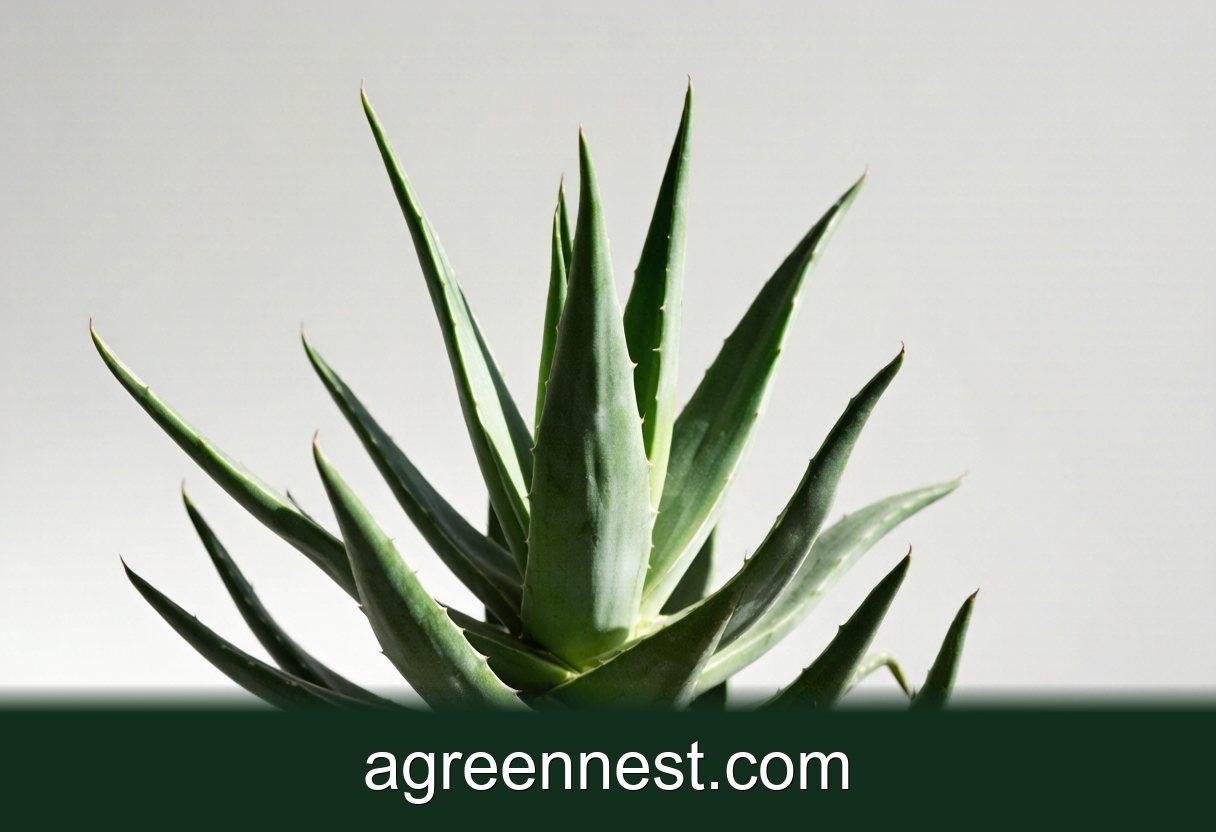
Agave stores moisture in its leaves, so it tolerates some neglect. Give it a few hours of direct sun and water only when the potting mix has fully dried out (every 2-3 weeks in summer, less in winter). Plant it in a gritty, fast-draining mix and a terracotta pot to keep the roots healthy and rot-free.
Why are agaves so drought tolerant?
Brought home as a small Agave parryi, my first agave was nearly killed with kindness. Watering it on the same schedule as my ferns, the base went soft and brown within a month. A neighbour finally told me to leave it alone, and two dry weeks later it firmed right back up. That episode taught me how these plants really work. Since then I have learned to treat agaves like house guests who prefer to be left alone, and the results have been far better.
Agaves store water in thick, fleshy leaves, so they are built to survive long dry spells. Their native deserts get rain in bursts and then nothing for months, and the leaves simply draw on their reserves. This is why a missed watering is a minor event for an agave, while constant damp is a slow disaster. Give them sun and a gritty pot, and they ask for very little.
Meet the foxtail agave (Agave attenuata)
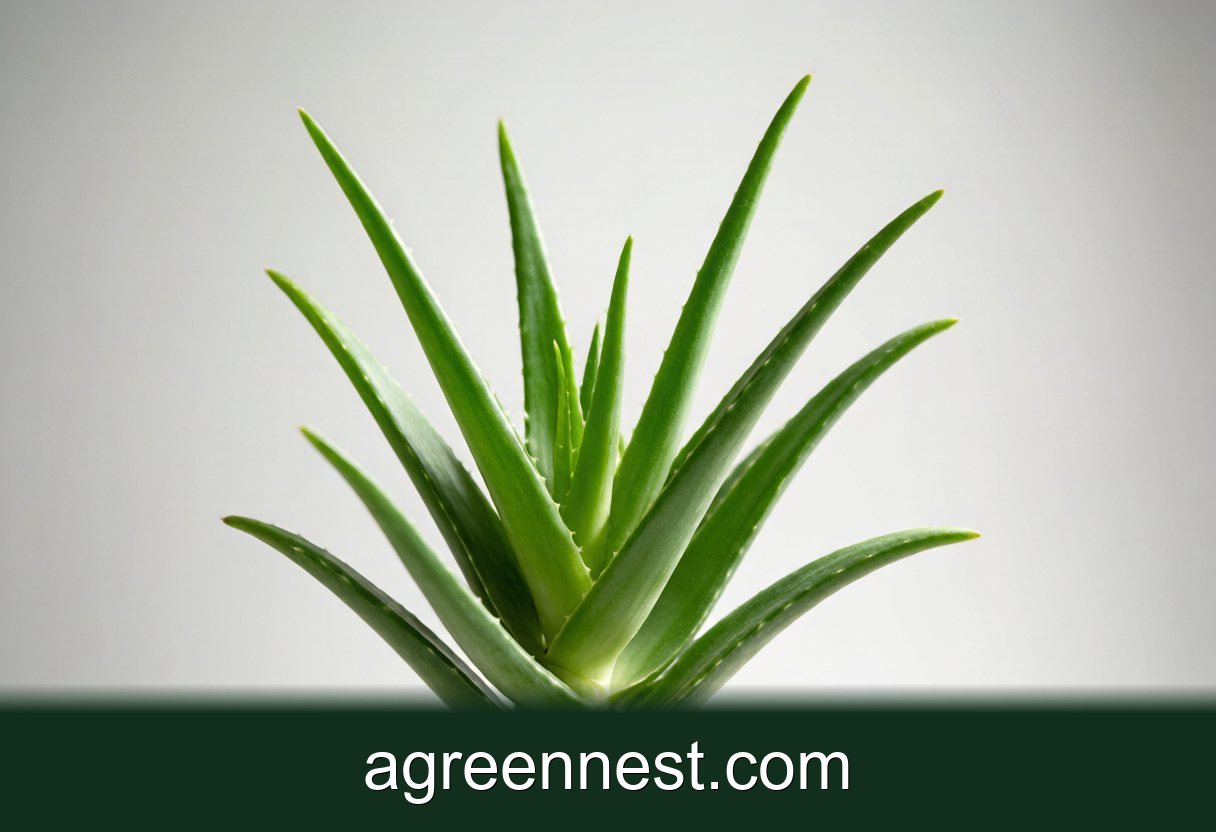
Agave attenuata is the gentle giant of the pair. Its leaves are soft, spineless, and curving, which is why people call it the foxtail agave. I have one in a pot near my patio steps where the cat brushes past it daily, and neither of them comes to harm. That spineless nature makes it the friendliest agave for homes with kids, pets, or bare feet. After three summers it has become the most commented-on plant on my patio, precisely because it looks dramatic yet hurts no one.
This species grows as a rosette about 60 cm wide and sends up a gracefully arching flower stalk when mature. It likes full sun but tolerates a little morning shade, and it is happy in temperatures from 10°C to 32°C (50°F to 90°F). Water it every two to three weeks in summer once the soil is fully dry, and cut back to once a month or less in winter. Pups appear at the base, and I gently twist these off in spring to start new pots.
Meet Parry's agave (Agave parryi)
Agave parryi could not look more different. Its leaves are a dusty blue grey and tipped with dark, sharp spines, so it demands a respectful placement. Mine sits on a high shelf where no one brushes against it, and I remind guests to admire it from a distance. Worth the caution is the symmetry of that tight blue rosette.
More compact than its cousin, this species stays usually 45 cm across and is one of the cold-hardier agaves, shrugging off lows near -10°C (14°F) if kept dry. Daytime comfort sits between 10°C and 30°C (50°F to 86°F). Water every two to three weeks in the growing season and hardly at all in winter, letting the top 5 cm of soil dry completely. One single deep soak that wets the whole root ball beats frequent sips, because shallow watering keeps the roots weak.
How much sun do these two really need?
Both want as much sun as you can give. Aim for at least six hours of direct light each day, ideally from a south or west window indoors or a full-sun spot outside in summer. The foxtail agave will tolerate a bit more shade than Parry's, yet even it colours and grows best under strong light. My own foxtail sits by a west window and pushes out a new leaf roughly every six weeks in peak season.
When light drops below about four hours a day, the rosettes open up and the leaves stretch toward the glass. I rotate my pots a quarter turn weekly so all sides get even exposure, and I wipe dust from the broad foxtail leaves every month. A plant that leans hard to one side is simply asking for more sun.
Which agave is safer around children and pets?
The foxtail agave wins this one without debate. Because Agave attenuata has no spines or sharp leaf tips, it is the only agave I would place at floor level where a toddler or a dog might investigate. Parry's agave, with those dark terminal spines, belongs on a shelf or in a fenced garden bed.
If you share your home with curious pets, keep the spiny species well out of tail-height and paw-height. Many agaves have sap that can irritate skin, so I wear gloves when I handle Parry's and wash my hands straight after. Caution goes a long way with this genus.
When should you repot a spiny agave?
Repot only when the plant has clearly outgrown its container, which for a slow agave may be every three to four years. Choose a pot just 5 cm wider than the current one, because too much soil stays damp and risks rot. For the spiny Parry's, I wrap the rosette in a towel before lifting it, which saves my hands and keeps the spines from snagging.
Use the same gritty formula as for other succulents: about three parts coarse grit to one part compost. Set the plant so the base of the leaves sits just above the soil line, then wait a week before the first light watering to let any disturbed roots settle. Patient watering like this has kept every agave I own firm and healthy.
Watering and soil for happy roots
Always let the mix dry completely between drinks; that is the golden rule. In summer that means watering every fourteen to twenty-one days, and in winter often nothing for six weeks at a time. I lift the pot to judge weight rather than guessing, because a dry agave pot feels surprisingly light.
Soil has to drain fast. For the mix I combine two parts coarse sand with one part perlite and one part peat-free compost, a ratio close to 2 to 1 to 1, then top the surface with 1 cm of gravel. Terracotta pots are best, since they wick excess moisture away from the roots. A saucer left full after rain or watering is the one mistake that reliably kills an agave.
Frequently Asked Questions
Q: Do agaves flower only once and then die?
A: Many agaves are monocarpic, meaning the main rosette blooms once and then declines, but this takes years and the plant usually leaves pups behind. The foxtail and Parry's both produce offsets, so your colony continues even after a hen finishes flowering.
Q: Can I grow agave outdoors in a cold climate?
A: Parry's agave survives brief cold to about -10°C (14°F) if the soil stays dry, but most agaves rot in wet winter cold. In freezing regions, grow them in pots you can move under cover, or treat them as summer patio plants.
Q: Why are the leaves of my agave going soft and yellow?
A: Almost always overwatering. Let the soil dry fully, empty any saucer, and move the plant to brighter sun. If the base is already mushy, lift a healthy pup and restart in fresh gritty mix.
Agaves reward a light touch more than any other succulent I grow, and the contrast between the soft foxtail and the armoured Parry's makes the genus endlessly interesting. Pair your choice with the light calculator to confirm you have enough sun, then step back and let these desert survivors do what they do best. Struggled with thirstier houseplants? An agave may be the low-maintenance friend you did not know you needed.
Recommended Tools for Succulent Care
Free, no-signup helpers matched to this guide.
Free Ebooks to Explore
Downloadable handbooks — no email required.
Free Ebook
The AGreenNest Succulent Care Handbook
The complete, beginner-to-confident guide to growing fat, happy succulents — 10 chapters and a 20-plant directory.
Sources & further reading
GreenNest authors research and write every guide independently. The external links below are reputable references we recommend for deeper reading — they are not the sources we copied from.
- Clemson Home & Garden Information Center — Clemson Extension
- NC State Extension — Plant Toolbox — NC State Extension
- Royal Horticultural Society — Houseplant care — RHS
Share Your Plant Story
Grown something tricky, or found a trick that finally worked? Tell us in the comments, or see what other readers are sharing on our Community page. The best reader tips get folded back into our guides.
Join the Conversation
Have a tip or a question about Agave Care: 2 Species for Beginners? Share it below — comments are saved on our server.