 AGreenNest
Succulent Care
Succulent Propagation: 3 Easy Ways
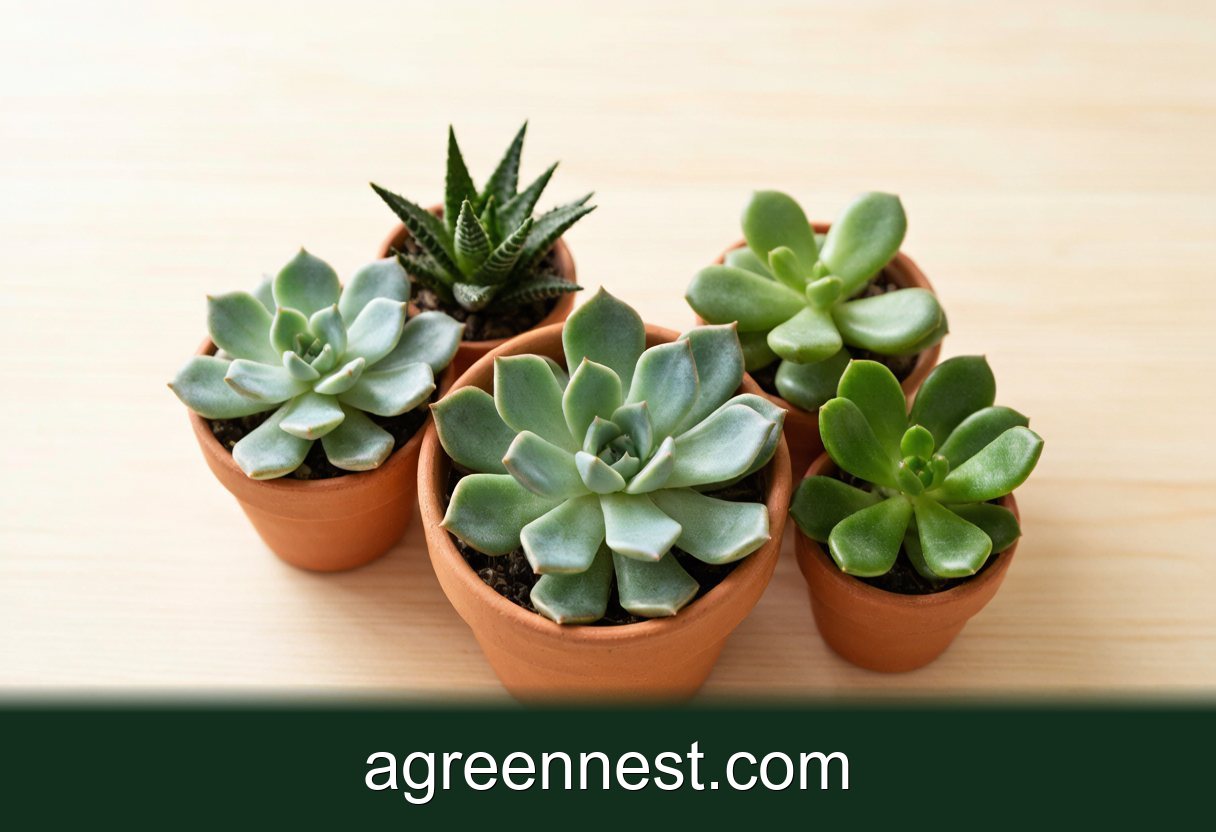
Succulent Propagation stores moisture in its leaves, so it tolerates some neglect. Give it bright, indirect light and water only when the potting mix has fully dried out (5 weeks between waterings). Plant it in a gritty, fast-draining mix and a terracotta pot to keep the roots healthy and rot-free.
There is a small magic in snapping one leaf from a succulent and watching a whole new plant appear weeks later. I still remember my first Echeveria elegans pup. It cost nothing and it taught me more than any book ever did. Propagation is how a single plant becomes a shelf full of green friends without spending a cent.
You do not need a greenhouse or fancy gear. A bright windowsill, a tray of gritty mix, and patience are enough to begin. Beginners do best with three methods: leaf, offset, and stem. Each suits a different plant and a different mood on a quiet afternoon.
Give the tray a label with the date and the plant name. I cannot tell you how many trays I forgot, only to find mystery seedlings months later. A marker and a bit of tape keep the story straight from the start.
Leaf Propagation, My Favourite Start
Pick a plump, healthy leaf from a rosette like Graptopetalum paraguayense or Sedum morganianum. Twist it off cleanly at the base so the whole leaf comes away in one piece. A torn leaf with a missing heel will only rot where it broke.
Lay the leaves flat on dry, gritty soil and resist the urge to bury them. Within 2 to 5 weeks a tiny plantlet and roots form at the leaf base. Mist the soil lightly once it is dry to the touch, but keep the air moving so the leaf does not sit wet for long.
I like to line up twenty leaves in a shallow tray and label the date. Some fail, and that is perfectly fine. The survivors more than make up for the few that shrivel along the way.
Offsets, the Easy Pups
Many succulents push babies, or pups, from the base of the mother. Haworthia cooperi, Aloe vera, and several Agave species are generous this way. The pup already has roots of its own, so it is the most reliable method for nervous hands.
Slip the pup off with a little root attached. A clean knife helps if it is stubborn and refuses to let go. Pot it directly into a gritty mix and water lightly after a day so the cut settles. The pup barely notices the move and carries on growing.
This is the method I hand to first timers who fear killing things. Success rates sit above 90 percent when the pup has roots, which builds confidence fast.
Stem Cuttings for Stretched Plants
Stretched, leggy plants are begging for a haircut by the time they lean. Cut a length of stem from Crassula ovata or a trailing Senecio rowleyanus. Let the cut end callus for 2 to 3 days on a dry surface where air can reach it. The wound must seal or it will rot the moment it meets soil.
Stand the cutting in dry, gritty mix once callused and leave it be. Roots appear in 2 to 5 weeks if the spot is warm and bright. This method doubles as rescue for a plant that grew tall and pale from too little light indoors.
I beheaded a sad Crassula ovata last spring on a whim. The top rooted and the stub sprouted three new branches. One plant became four, and my friends went home with pots.
What Mix Should You Use?
Succulents hate wet feet more than almost anything else. Build a gritty, fast draining mix with a ratio near 1 part pumice, 1 part coarse sand, and 1 part compost based soil. Some growers push pumice to 60 or 70 percent for extra drainage in humid homes.
Use a terracotta pot whenever you can. Clay pulls moisture from the soil and keeps the roots cool and dry between waterings. Plastic holds water and invites the rot that ends most young propagations.
Keep the new plants at 18 to 24 degrees Celsius, which is 65 to 75 degrees Fahrenheit. Bright indirect light is best for tender plantlets. Direct noon sun will scorch them before they toughen up. If your home drops below 15 degrees Celsius in winter, move the tray to a warmer shelf and shield it from cold drafts.
Why Are My Leaves Shriveling?
A leaf that shrivels instead of sprouting was usually not plump enough to begin with. Thin leaves run out of stored water before they can root and feed a baby. Choose only the fattest, firmest leaves on the plant for the best odds.
The other culprit is too much moisture around the base. Wet soil rots the leaf heel fast and spreads to its neighbours. Keep the mix barely dry and the air moving at all times. Roots prefer a slight drought to a soggy, sour bed.
If a leaf goes soft and translucent, toss it out without guilt. One bad leaf can spread mold across the whole tray in a humid week.
Frequently Asked Questions
Q: Why did my leaf just shrivel?
A: It was not plump enough, or it rotted from being too wet. Keep the leaves barely dry and pick only the fattest ones on the plant.
Q: How long until roots?
A: Between 2 and 5 weeks, depending on warmth. Bright indirect light and steady 65 to 75 degree Fahrenheit air speed the process up.
Q: Do I need rooting hormone?
A: No. Succulents root fine on their own without any hormone or powder at all.
Propagation turns one plant into a collection for free, and it is the kindest way to share green with friends. Track your new babies with the care schedule tool and watch the shelf fill up, one pup at a time.
Sources & further reading
GreenNest authors research and write every guide independently. The external links below are reputable references we recommend for deeper reading — they are not the sources we copied from.
- Royal Horticultural Society — Houseplant care — RHS
- Missouri Botanical Garden — Missouri Botanical Garden
- NC State Extension — Plant Toolbox — NC State Extension
Recommended Tools for Succulent Care
Free, no-signup helpers matched to this guide.
Free Ebooks to Explore
Downloadable handbooks — no email required.
Free Ebook
The AGreenNest Succulent Care Handbook
The complete, beginner-to-confident guide to growing fat, happy succulents — 10 chapters and a 20-plant directory.
Free Ebook
Haworthia & Haworthiopsis Care Handbook
A focused guide to the striped, forgiving Haworthia clan.
Share Your Plant Story
Grown something tricky, or found a trick that finally worked? Tell us in the comments, or see what other readers are sharing on our Community page. The best reader tips get folded back into our guides.
Join the Conversation
Have a tip or a question about Succulent Propagation: 3 Easy Ways? Share it below — comments are saved on our server.