 AGreenNest
Succulent Care
Adromischus Care: Crinkle-Leaf Succulents
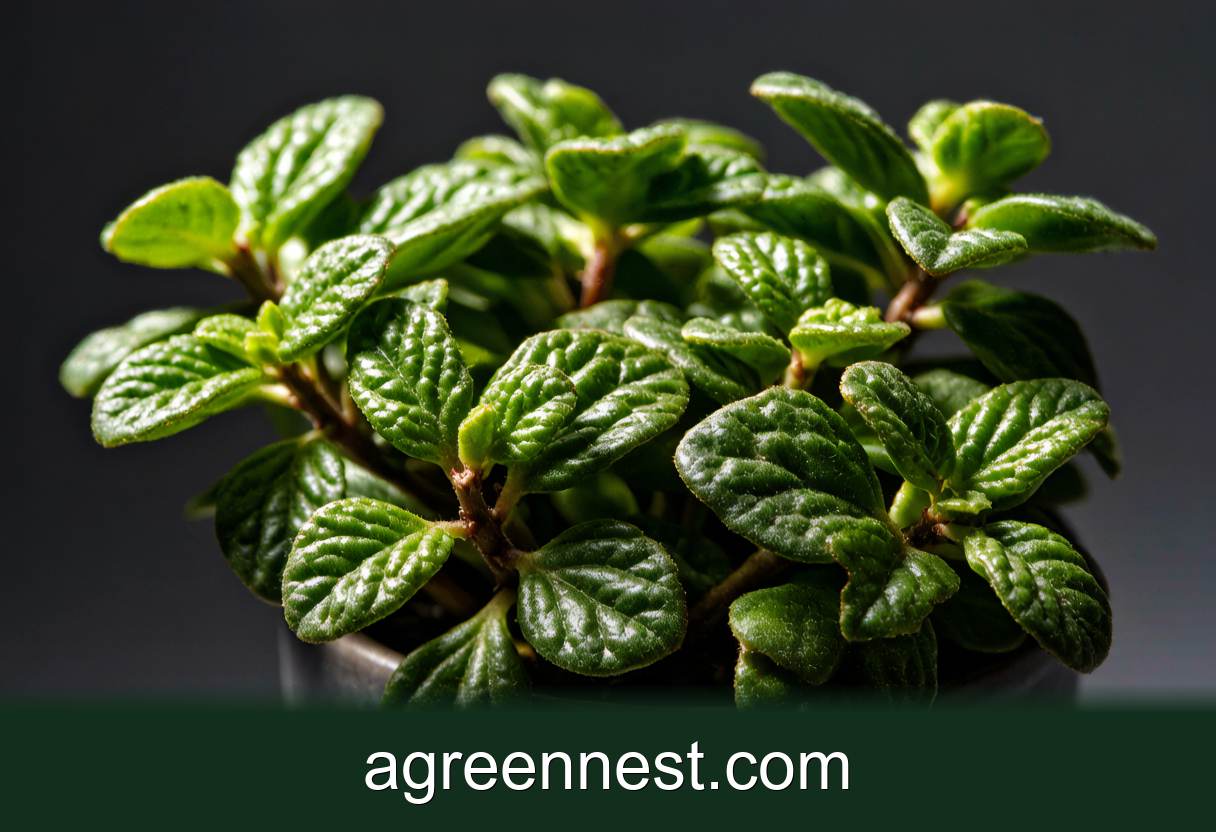
Adromischus stores moisture in its leaves, so it tolerates some neglect. Give it bright, indirect light and water only when the potting mix has fully dried out (14 days between waterings). Plant it in a gritty, fast-draining mix and a terracotta pot to keep the roots healthy and rot-free.
Adromischus, the little crinkle-leaf succulents, have quietly become some of my favorite plants to keep on the windowsill. Their textured, speckled leaves feel almost handmade, and the plants stay small enough to tuck into any bright corner. Two species in particular, Adromischus maculatus and Adromischus cristatus, are the ones I recommend to every beginner who wants something odd but forgiving. This third favorite, Adromischus cooperi, carries a soft powdery bloom that rubs off on curious fingers.
What Is an Adromischus?
Adromischus is a genus of dwarf succulents native to South Africa. Growers prize them for unusual leaves rather than flowers. The foliage may be spotted, crinkled, or crested, and it sits on short stems that slowly mound or trail. Mature plants rarely exceed four inches in height, which makes them perfect for shallow pots and mixed succulent bowls.
Most Adromischus species flower in late summer, producing slender stalks with small tubular blooms in pink or white. The flowers are a minor bonus, and the real show is always the foliage.
My own Adromischus cooperi spends the year on a south facing shelf, and it has not outgrown its three inch pot in three years. That slow pace is exactly what makes the genus so friendly for small spaces. You can line up six different types in the footprint of one standard houseplant, which is a real bonus in a crowded apartment.
How Much Light Do Crinkle-Leaf Plants Need?
Bright indirect light keeps these succulents compact and brings out the leaf patterns. Aim for roughly six hours of gentle light each day. An east window or a shaded south window works beautifully, and a little morning sun deepens the maroon spots on Adromischus maculatus.
Too much harsh afternoon sun will fade or scorch the leaves. If you notice pale patches or brown edges, pull the pot back from the glass or hang a sheer curtain. I learned that lesson the hard way when a heat wave pushed my windowsill past 95°F (35°C) and bleached a favorite leaf within a single weekend.
Rotate the pot a quarter turn every week so all sides receive even light. Even growth depends on that small habit, and it prevents the plant from leaning toward the glass.
When Should You Water Adromischus?
Water only after the potting mix has fully dried. In the active growing season from spring through early autumn, that usually means a drink every 14 days. These small plants store moisture in their thick leaves, so a missed watering rarely hurts them, while a soggy root zone invites rot.
During the cooler winter rest, stretch the schedule to about every 21 to 28 days. Keep the leaves dry and the surrounding air on the cool side, near 55 to 65°F (13 to 18°C). My moisture meter takes the guesswork out of a shallow pot, and I probe two inches down before reaching for the watering can.
Watch the leaves rather than the calendar. Plump, firm foliage means wait, while a slight wrinkle along the edges means it is time to water.
Why Does the Potting Mix Matter So Much?
Heavy, moisture holding soil is the main reason crinkle-leaf plants fail. Build a gritty, fast draining mix with at least fifty percent pumice, coarse sand, or perlite by volume. The remaining half can be a standard cactus blend, but lean toward sharp drainage every time.
Shallow terracotta pots make the best home because the roots are short and the soil must dry quickly. Terracotta also wicks humidity away from the leaf bases where rot begins. I repot every spring into a fresh gritty mix, and the plants reward me with firmer, more colorful leaves.
Skip the peat heavy bags at the garden center. They hold water for days and stay cold, which is the opposite of what a South African succulent wants.
Which Fertilizer and Feeding Schedule Works?
Adromischus is a light feeder that rewards restraint more than richness. During the spring and summer growing months, apply a balanced liquid fertilizer diluted to one-quarter strength about once a month. That weak solution, mixed at roughly one part feed to four parts water, is plenty for the whole season.
Stop feeding entirely during the cooler winter rest. Always water the soil before adding any food, because dry roots burn easily. Too much fertilizer makes the crinkled leaves soft and leggy, so when unsure, skip the bottle and let the gritty mix do the work.
How Do You Propagate Adromischus from a Leaf?
Leaf propagation is the easiest way to make more of your favorite crinkle-leaf. Gently twist a healthy leaf from the stem, keeping the base intact. Lay it on dry gritty soil and leave it undisturbed for about seven days so the wound calluses over.
Mist the leaf lightly every few days after that. Within four weeks a miniature rosette forms at the leaf base, and soon tiny roots appear. Once the new plant has a few roots, move it into its own shallow terracotta pot and water sparingly until it is established.
Label each leaf with a toothpick tag if you are rooting several types at once, because the babies look alike until they mature. Patience matters here, since some leaves take six to eight weeks before a rosette appears.
One leaf that dropped onto a spare saucer rooted on its own, which tells you how willing these plants are to multiply. My first propagation attempt surprised me because I did almost nothing. Share extras with friends, since one mother plant can supply dozens of leaves over a single season.
Common Problems and Quick Fixes
Dropping leaves usually points to overwatering or cold drafts. Let the soil dry fully and warm the spot before watering again. Stretched, pale growth signals low light, so slide the plant to a brighter window.
Mealybugs sometimes hide under the leaves. Dab them with a cotton swab dipped in rubbing alcohol, and repeat every five days until they are gone. Soft, leggy leaves can also mean too much fertilizer, so feed lightly or not at all in winter.
Pests are rare on a healthy plant, but scale insects can appear on the stems in winter. Scrape them off with a fingernail or treat with the same rubbing alcohol swab you use for mealybugs.
Dry, airy bases stay healthy, while a dark, mushy base means the roots have already gone. Keep an eye on the leaf bases where rot starts so you can act before the whole plant tips over.
Frequently Asked Questions
Q: How often should I water Adromischus in summer?
A: Water about every 14 days once the mix is bone dry, and cut back to every 21 to 28 days during the cool winter rest.
Q: What kind of pot works best for crinkle-leaf plants?
A: A shallow terracotta pot with a drainage hole dries the short roots quickly and prevents rot at the leaf bases.
Q: Is Adromischus safe around pets?
A: These succulents are generally considered non-toxic, but keep them on a high shelf so pets cannot knock the pots over.
Adromischus proves that big personality can arrive in a tiny, crinkled package. Visit our succulent care hub for more beginner guides, and try the free light calculator to find the bright indirect light these little charmers love. Give them gritty soil, a terracotta pot, and patience, and they will reward you with years of speckled, tactile foliage.
Recommended Tools for Succulent Care
Free, no-signup helpers matched to this guide.
Free Ebooks to Explore
Downloadable handbooks — no email required.
Free Ebook
The AGreenNest Succulent Care Handbook
The complete, beginner-to-confident guide to growing fat, happy succulents — 10 chapters and a 20-plant directory.
Free Ebook
Haworthia & Haworthiopsis Care Handbook
A focused guide to the striped, forgiving Haworthia clan.
Sources & further reading
GreenNest authors research and write every guide independently. The external links below are reputable references we recommend for deeper reading — they are not the sources we copied from.
- Missouri Botanical Garden — Missouri Botanical Garden
- Clemson Home & Garden Information Center — Clemson Extension
- Cornell Garden-Based Learning — Cornell University
Share Your Plant Story
Grown something tricky, or found a trick that finally worked? Tell us in the comments, or see what other readers are sharing on our Community page. The best reader tips get folded back into our guides.

Join the Conversation
Have a tip or a question about Adromischus Care: Crinkle-Leaf Succulents? Share it below — comments are saved on our server.